
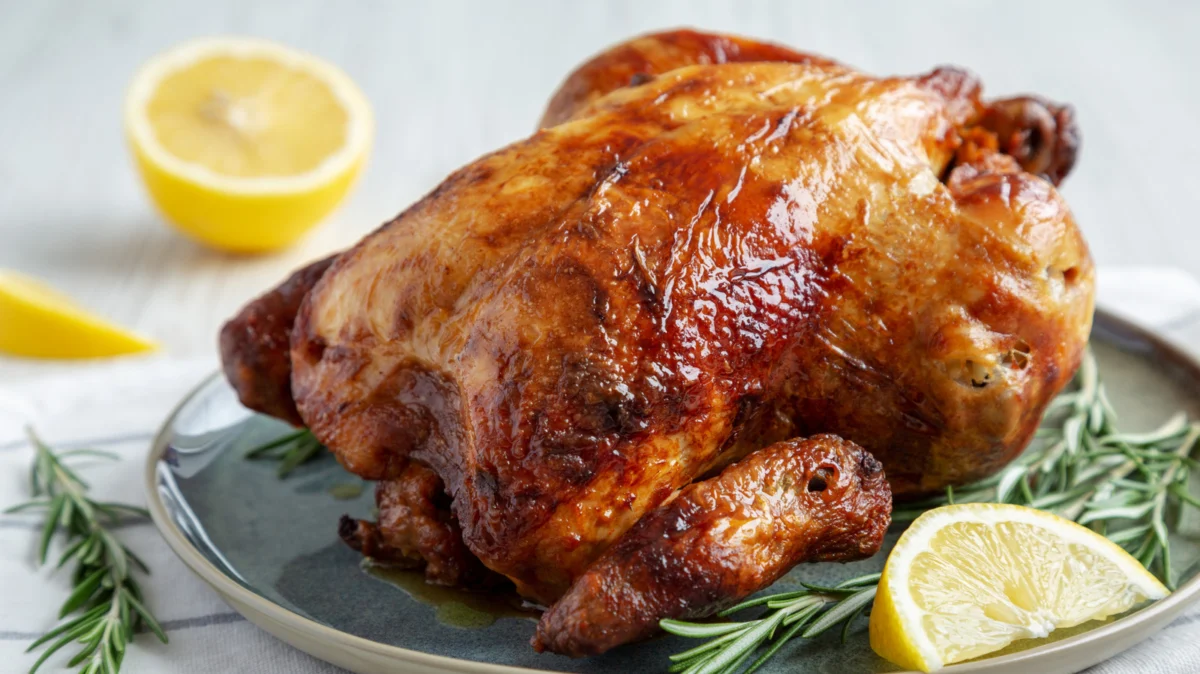
The ubiquitous rotisserie chicken, a staple in grocery stores nationwide, offers unparalleled convenience and flavor, making it a go-to option for busy households seeking a quick and satisfying meal. Its appeal lies in its tender, seasoned meat, ready to be carved and enjoyed with minimal preparation. However, behind this culinary convenience lies a critical factor that significantly impacts its quality and safety: the time it spends on the store’s display warmer. Experts in food safety and culinary professionals concur that a strict time limit for displaying cooked rotisserie chicken is essential, with a consensus generally falling between two and three hours. Exceeding this window can lead to a decline in both the chicken’s palatability and its safety for consumption, raising important questions for consumers about what they are actually purchasing.
The allure of the rotisserie chicken is undeniable. It’s a perfectly cooked, often herb-infused centerpiece that can anchor any meal. For many, the idea of replicating this at home is either too time-consuming or simply not feasible due to the lack of specialized equipment. This is precisely why pre-cooked rotisserie chickens from supermarkets have become so popular. They represent a significant shortcut in meal preparation, offering a freshly cooked protein without the effort. Yet, the journey from the oven to your plate isn’t always as straightforward as it seems. The duration a chicken remains under heat lamps before it’s purchased is a crucial, yet often overlooked, detail that dictates its ultimate quality and safety.
A comprehensive examination of rotisserie chicken practices, including insights from culinary experts, reveals a concerning potential issue: the prolonged presence of cooked chicken on display. This practice, while seemingly harmless, can compromise the product. Food safety guidelines and culinary best practices suggest a maximum display period of three hours, and in some cases, even as short as two hours. This timeframe is not arbitrary; it accounts for several interconnected factors that affect the chicken’s integrity. These include its initial freshness, the effectiveness and temperature of the heat lamps, its retained moisture content, and, most importantly, food safety considerations. Each of these elements has a finite "shelf life" once the chicken is removed from the cooking process and placed in a warming environment.
Ideally, consumers would be able to purchase a rotisserie chicken that has just emerged from the oven, ensuring peak freshness and optimal texture. However, achieving this ideal scenario is often challenging. Many grocery stores, supermarkets, and even warehouse clubs do not readily disclose the exact time their rotisserie chickens are removed from the oven and placed into heated display cases. This lack of transparency leaves consumers in a position of uncertainty, making it difficult to assess the freshness of their purchase. To address this, experts have offered practical strategies for consumers to gather this vital information. Furthermore, insights into the policies of major retailers regarding their rotisserie chicken display times can provide valuable context for consumers making purchasing decisions.
Unveiling the Cooking Timeline: Key Indicators for Consumers
The most reliable method for consumers to ascertain the freshness of a rotisserie chicken is by looking for a cook-time sticker affixed to the packaging. This simple yet informative label provides a direct indication of when the chicken left the oven, allowing consumers to make informed decisions based on the established two- to three-hour freshness window. Brian Theis, a seasoned recipe developer and author of "The Infinite Feast," emphasizes the importance of this detail. He advises consumers to "Check for a cook time if it is included. Anything over three hours is probably no good, it’s been under the lamps too long and may be dried out." This observation highlights a key quality concern: prolonged exposure to heat lamps can dehydrate the chicken, leading to a dry and unappetizing texture, regardless of its initial cooking.
When such labels are absent, consumers are encouraged to seek information directly from store employees. Inquiring about the store’s typical schedule for cooking and displaying rotisserie chickens can provide a general understanding of when fresh batches are prepared. Some establishments may have a more rigorous system for tracking and rotating their stock, while others might operate with less defined procedures. Proactively contacting the store before visiting can also be a strategic approach, allowing for a more informed decision about when to shop for the freshest product.
Mark McShane, a chef and food safety expert associated with Level 3 Food Hygiene Certificate, presents an even more stringent perspective on the interplay between cooking time and display time. McShane’s caution extends beyond mere quality degradation, emphasizing critical food safety concerns. "Once a product sits outside of refrigeration for longer than two hours, regardless of what temperature it has maintained at, both quality and safety begin to decline," he states. This "two-hour rule" is a fundamental principle in food safety, particularly concerning perishable foods left at ambient temperatures. While it’s important to note that this specific guideline often refers to foods at room temperature (between 40°F and 140°F), not those maintained in warming units above 140°F, some retailers adopt a conservative approach and adhere to the two-hour limit for all displayed items to mitigate risks.
Retailer Policies and the Two-Hour Standard
The commitment to food safety and quality is visibly demonstrated by certain major retailers. Costco, for instance, a prominent player in the affordable rotisserie chicken market, adheres to a strict two-hour policy for its cooked birds. According to reports and internal practices, if a Costco rotisserie chicken exceeds this two-hour shelf life on the warming display, it is not sold to consumers. Instead, these chickens are repurposed into other refrigerated deli items, such as pot pies and chicken soups. This policy underscores a proactive approach to food safety and quality control, ensuring that consumers receive products that meet stringent standards. The rationale behind such a policy is multi-faceted: it not only safeguards against potential bacterial growth that can occur when food sits in the "danger zone" for extended periods but also maintains the desired texture and flavor profile of the chicken.
The USDA defines the "danger zone" for perishable foods as temperatures between 40°F and 140°F, where bacteria can multiply rapidly. While rotisserie chickens are kept above 140°F in warming units, the extended duration under heat lamps can still lead to a loss of moisture and a decline in overall quality. By implementing a strict two-hour limit, retailers like Costco are effectively minimizing these risks and ensuring that their rotisserie chicken offerings remain a high-quality product. This practice serves as a benchmark for other retailers, highlighting the importance of establishing and adhering to clear guidelines for perishable food items.
The Science of Shelf Life: Understanding Bacterial Growth and Quality Degradation
The concern over rotisserie chicken shelf life is rooted in established principles of food science and microbiology. Bacteria, including common pathogens like Salmonella and Listeria, thrive in moderate temperatures. While cooking poultry to an internal temperature of 165°F kills most harmful bacteria, these microorganisms can begin to multiply again once the food cools down into the temperature danger zone. Even when kept warm, prolonged exposure can lead to the survival and proliferation of some bacteria, as well as the production of toxins that cannot be destroyed by reheating.
The USDA’s Food Safety and Inspection Service (FSIS) provides clear guidelines on the safe handling of cooked foods. For foods held at room temperature, the general recommendation is to refrigerate or discard them within two hours. If the ambient temperature is above 90°F, this time is reduced to one hour. While rotisserie chickens are kept in warming units designed to maintain temperatures above 140°F, the effectiveness of these units and the rate of moisture loss can still impact the food’s safety and quality over time. The heat lamps, while intended to keep the chicken warm and appealing, can also dry out the meat, leading to undesirable textural changes. This combination of potential bacterial growth and quality degradation necessitates a defined time limit for display.
Beyond immediate safety concerns, the extended holding time of rotisserie chicken can also affect its nutritional value and sensory qualities. As moisture evaporates, the chicken becomes drier and less succulent. Flavor compounds can also degrade, resulting in a less palatable product. Therefore, the two- to three-hour recommendation is not solely about preventing foodborne illness but also about ensuring that consumers receive a product that meets reasonable expectations for taste and texture.
Consumer Strategies for Ensuring Freshness
For consumers who prioritize freshness and safety, several practical strategies can be employed:
- Inspect the Packaging: Always look for a cook-time sticker. If present, assess the time elapsed since cooking.
- Observe the Chicken: Visually inspect the chicken for signs of dryness. Overcooked chicken may appear shriveled or discolored.
- Inquire with Staff: Don’t hesitate to ask store employees about the cooking and display schedule for rotisserie chickens.
- Consider Peak Times: Shopping during known peak times for fresh batches, such as early mornings or after major meal preparation periods, may increase the likelihood of finding a recently cooked chicken.
- Plan Your Purchase: If possible, plan your grocery trip around the time you intend to consume the chicken, aiming to purchase it as close to your mealtime as possible.
- Understand Retailer Policies: Familiarize yourself with the policies of your preferred grocery stores regarding rotisserie chicken display times. Retailers with stricter policies, like Costco’s two-hour rule, may offer greater assurance of freshness.
Broader Implications for the Food Industry and Consumer Trust
The practices surrounding the display of rotisserie chicken have broader implications for the food industry and consumer trust. Transparency in food preparation and handling is paramount. When consumers are uncertain about the freshness of a product, it can erode their confidence in the retailer. Adopting clearer labeling practices, implementing stricter time controls, and training staff on food safety protocols are essential steps for all food service establishments.
The economic aspect also plays a role. Rotisserie chickens are a high-volume, low-margin item for many grocery stores. The efficiency of their preparation and display directly impacts profitability. However, this efficiency should never come at the expense of consumer safety or product quality. The case of Costco’s repurposing policy demonstrates a model where food safety and quality are prioritized, even if it means foregoing potential sales of older stock. This approach can, in the long run, foster greater customer loyalty and reinforce a brand’s reputation for reliability.
Furthermore, the conversation around rotisserie chicken shelf life highlights the importance of ongoing consumer education regarding food safety. Understanding the "danger zone" and the principles of safe food handling empowers consumers to make better choices when purchasing and preparing perishable foods. By being informed and proactive, consumers can significantly reduce their risk of foodborne illness and ensure they are getting the most value and enjoyment from their purchases. The seemingly simple act of buying a rotisserie chicken, therefore, involves a complex interplay of culinary practices, food safety regulations, and consumer awareness, all of which contribute to the overall integrity of the food supply chain.
