
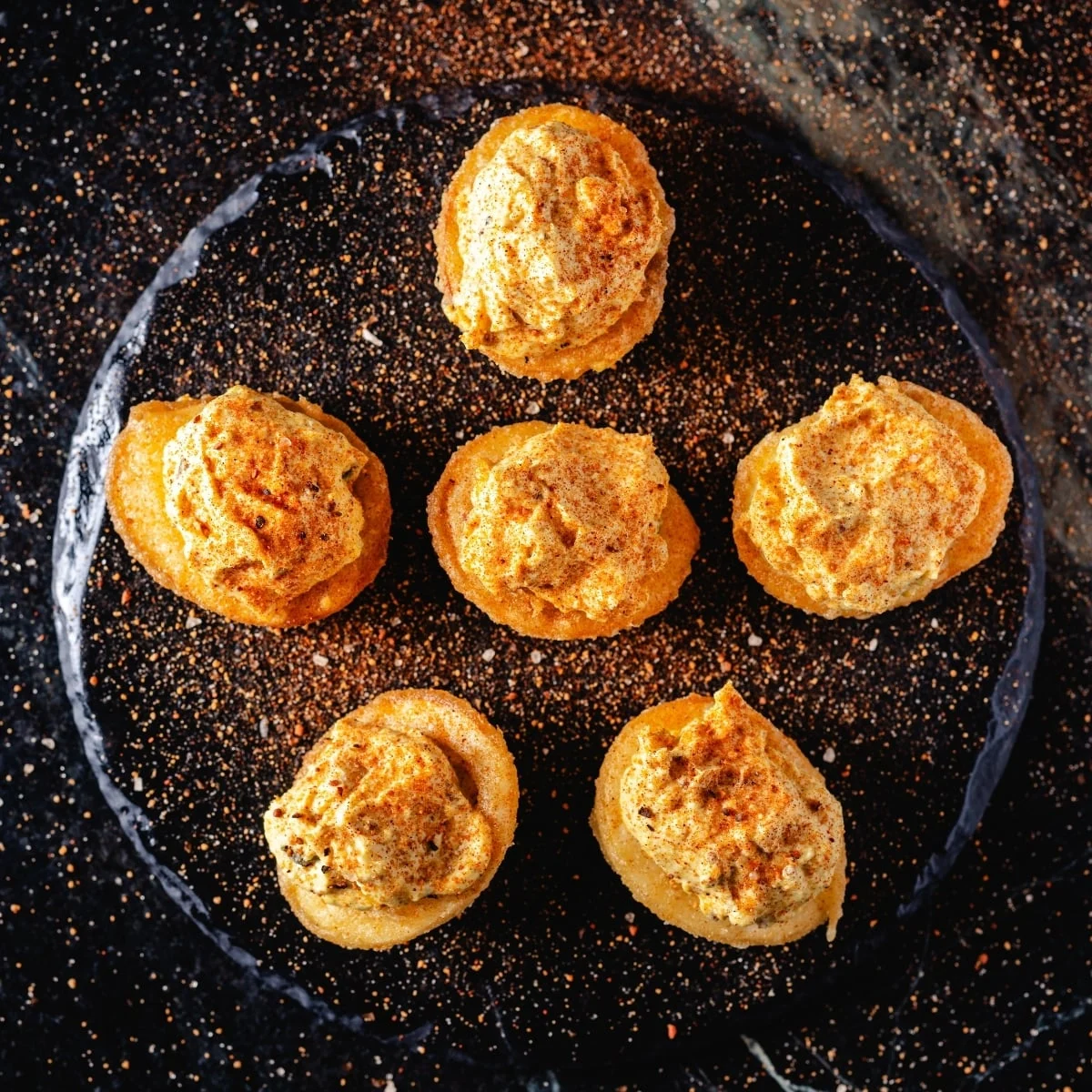
The culinary landscape of outdoor cooking is witnessing a significant evolution as traditional picnic staples are being reimagined through complex, multi-layered preparation methods. A prominent example of this trend is the Smoke-Fried Deviled Egg, a dish that combines the low-and-slow infusion of hardwood smoke with the high-heat texture of deep-frying. Developed by Susie Bulloch, the founder of the BBQ media platform Hey Grill Hey, this recipe represents a departure from the standard hard-boiled appetizer, aiming to provide a "flavor upgrade" through a combination of textural contrasts and zesty flavor profiles. By integrating professional-grade BBQ sauces and specialized batters, the dish serves as a case study in the modern "gourmet-backyard" movement, where home cooks apply advanced techniques to accessible ingredients.
The Evolution of the Deviled Egg in American Gastronomy
The deviled egg has long been a cornerstone of American social gatherings, particularly during the spring and summer months. The term "deviling" dates back to the 18th century, originally used to describe food prepared with pungent spices or high heat. Historically, the dish evolved from the boiled eggs seasoned with spicy sauces found in Ancient Rome to the mayonnaise-based versions that became ubiquitous in mid-20th-century American cookbooks.
In recent years, however, the dish has undergone a "gastropub" transformation. Culinary professionals have begun experimenting with additives such as truffle oil, caviar, and smoked meats. The Smoke-Fried Deviled Egg represents the latest iteration of this trend, utilizing the smoker not just for heat, but as a primary seasoning tool. According to market data from the hearth and patio industry, the surge in pellet grill ownership has facilitated this shift, allowing home cooks to experiment with "cold smoking" or "low smoking" delicate proteins like eggs that were previously difficult to manage over traditional charcoal.

Technical Chronology: From Shelling to Serving
The production of smoke-fried deviled eggs follows a rigorous five-step process that prioritizes the structural integrity of the egg while maximizing flavor absorption.
Phase I: Preparation and Smoking
The process begins with standard hard-boiled eggs. Once peeled, the eggs are subjected to a "low-and-slow smoke bath." Unlike meats, which require high internal temperatures to break down connective tissues, eggs are smoked at low temperatures primarily for surface flavor and color. During this stage, the porous surface of the egg white absorbs the phenols and carbonyls present in the wood smoke, resulting in a subtle tan hue and a deep, earthy aroma.
Phase II: The Filling Emulsification
After smoking, the eggs are halved, and the yolks are removed to create the base of the filling. The yolk mixture is an exercise in balancing acidity and fat. The recipe calls for a combination of mayonnaise, apple cider vinegar, and a specialized "Zesty Gold" BBQ sauce. The inclusion of diced jalapeños adds a secondary layer of heat, staying true to the historical "deviled" moniker. This mixture is whipped until creamy, ensuring it can be piped back into the whites after the frying stage.
Phase III: The Frying Process
The most distinctive technical aspect of this dish is the deep-frying of the smoked egg whites. The whites are dredged in a crispy chicken wing batter—a choice made to ensure a high-crunch-to-protein ratio. They are then submerged in high-heat oil until they achieve a golden-brown exterior. This creates a triple-layered texture: the crunch of the fried batter, the firm bounce of the smoked egg white, and the velvet-smooth consistency of the yolk filling.

Phase IV: Assembly and Finishing
Once the fried whites have cooled slightly, the zesty yolk mixture is piped into the center. The final step involves a "kiss" of sweet rub—a dry seasoning blend typically consisting of sugar, paprika, and garlic—which provides a final aesthetic flourish and a hint of sweetness to counteract the vinegar and smoke.
Flavor Profile and Ingredient Analysis
The success of the smoke-fried deviled egg relies on a specific chemical interaction between the ingredients. The use of a mustard-based "Gold" BBQ sauce is a strategic choice; the mustard acts as an emulsifier for the yolks while providing a sharp tang that cuts through the richness of the fried batter.
Data from the American Egg Board indicates that egg consumption peaks significantly during the Easter season, with an estimated 180 million eggs purchased in the United States alone. During this period, consumers increasingly seek "hero recipes" that distinguish their holiday tables. The smoke-fried method addresses this by offering a "depth of flavor" that boiling alone cannot achieve. The apple cider vinegar provides the necessary bright notes, while the "Sweet Rub" adds a caramelized finish that bridges the gap between traditional BBQ and classic hors d’oeuvres.
Supporting Data: Nutritional and Economic Context
From a nutritional standpoint, the smoke-fried deviled egg is a high-protein, moderate-fat appetizer. A single serving (approximately one half-egg) contains:

- Calories: 131 kcal
- Protein: 5g
- Total Fat: 7g (Saturated Fat: 2g)
- Carbohydrates: 11g
- Cholesterol: 132mg
- Sodium: 129mg
While the frying process increases the caloric density compared to a traditional boiled egg, the inclusion of 5 grams of protein per serving makes it a more satiating option than many starch-based appetizers.
Economically, the dish reflects the growth of the niche BBQ supply market. Companies like Hey Grill Hey have capitalized on the "DIY" spirit of American backyard cooking, selling proprietary rubs, sauces, and batters. This "ecosystem" approach to cooking allows home chefs to replicate restaurant-quality results using standardized ingredients. The BBQ sauce and dry rub market in the U.S. is valued at over $4 billion, with a projected compound annual growth rate (CAGR) of nearly 5% through 2028, driven by the popularity of specialized recipes like these eggs.
Industry Response and Culinary Impact
The reaction to smoke-fried techniques has been overwhelmingly positive within the BBQ community. Susie Bulloch, a prominent figure in the industry who has appeared on the Food Network and holds multiple Guinness World Records, has noted that the goal of such recipes is to empower the "Backyard BBQ Hero." This terminology reflects a broader cultural shift where cooking is viewed as a form of performance and social currency.
Professional chefs have also noted the "cross-utilization" benefits of the recipe. The use of chicken wing batter for eggs is a creative application of existing pantry staples, reducing waste and simplifying the shopping list for the consumer. Furthermore, the ability to skip the smoking step for those "short on time" provides a tiered approach to the recipe, making it accessible to both novice cooks and seasoned pitmasters.

Broader Implications for Modern Outdoor Cooking
The Smoke-Fried Deviled Egg is more than just a holiday recipe; it is an indicator of the increasing complexity of home-based culinary arts. As digital platforms like YouTube and specialized cooking apps provide step-by-step visual instructions, the barrier to entry for advanced techniques is lowering.
The dish also highlights the importance of "textural engineering" in modern food design. By combining the softness of the egg with the rigidity of the fried crust, the recipe engages multiple sensory receptors, a hallmark of successful appetizer design. As the BBQ industry continues to innovate, it is expected that more traditional "cold" dishes will be adapted for the smoker and the fryer, further blurring the lines between outdoor grilling and high-end catering.
In conclusion, the Smoke-Fried Deviled Egg stands as a testament to the versatility of the egg and the ingenuity of modern BBQ culture. By prioritizing a balance of smoke, spice, and crunch, it offers a sophisticated alternative to the traditional picnic fare, ensuring its place as a centerpiece in the repertoire of the contemporary outdoor cook. Whether served at an Easter gathering or a summer picnic, the dish represents the successful fusion of historical tradition and modern technical execution.
