
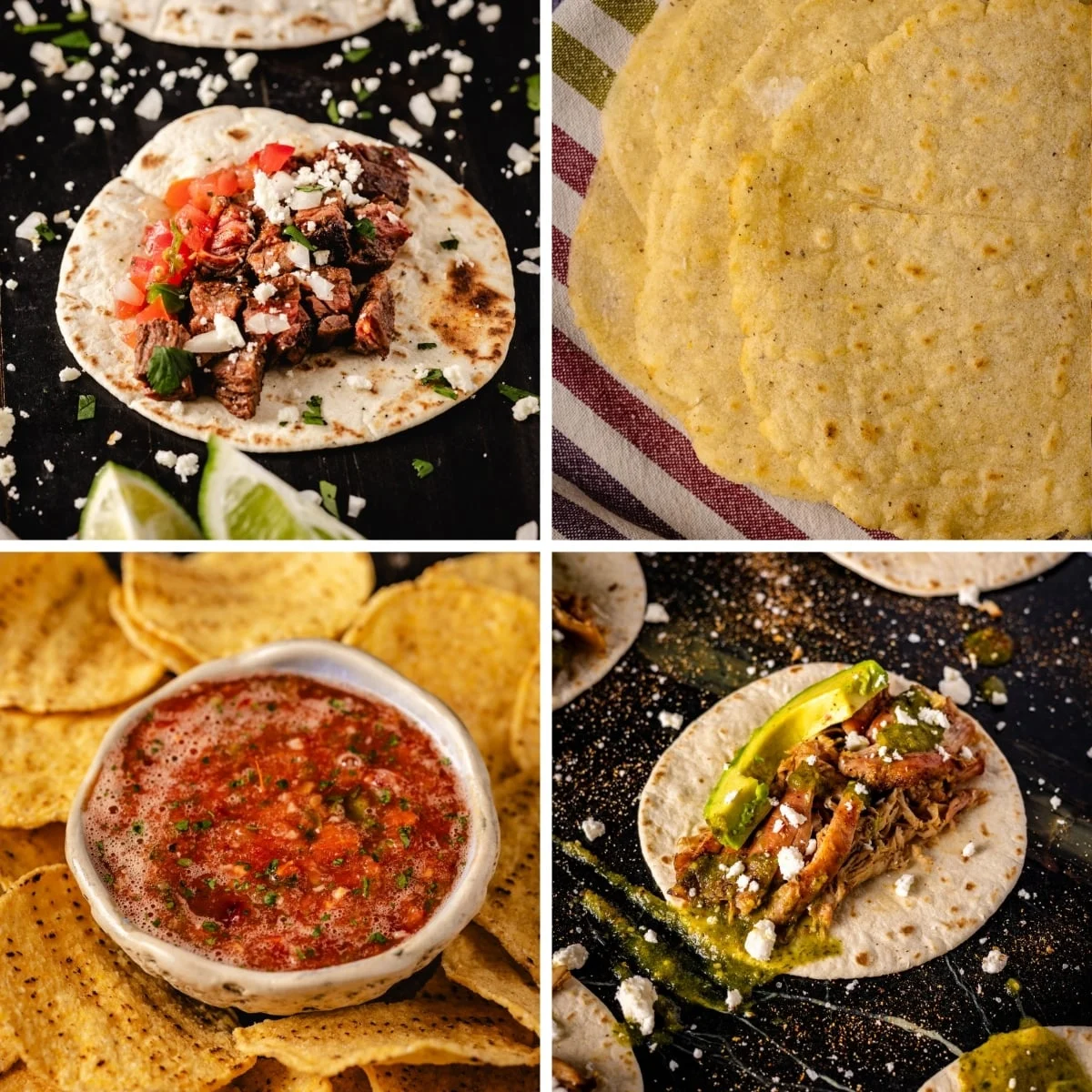
The modern outdoor culinary landscape has shifted significantly from simple burger-and-bratwurst fare toward complex, multi-component international cuisines, with the elevated "Taco Night" emerging as a primary focus for backyard enthusiasts. This evolution is driven by a growing consumer interest in authentic flavor profiles and the technical mastery of outdoor cooking equipment. Industry experts and professional pitmasters, such as Susie Bulloch of Hey Grill Hey, have identified a clear trend: the transition from store-bought convenience to a "from-scratch" methodology that encompasses everything from hand-pressed tortillas to custom-blended spice rubs and wood-fired proteins.
The Structural Foundation of the Artisanal Taco
The transition to a professional-grade taco night begins with the realization that the tortilla is not merely a vessel but a critical structural and flavor component. Within the grilling community, the debate between flour and corn tortillas remains a central point of discussion. Historically, flour tortillas have been associated with the northern regions of Mexico and Tex-Mex traditions, valued for their elasticity and ability to hold heavier, saucier fillings. Conversely, corn tortillas, rooted in ancient Mesoamerican nixtamalization processes, offer a distinct earthy flavor and a gluten-free alternative that many purists consider the only authentic option for traditional street tacos.
Data from the Hearth, Patio & Barbecue Association (HPBA) suggests that as home cooks invest in higher-end equipment, such as pellet grills and ceramic kamados, their willingness to experiment with labor-intensive processes—like grilling tortillas directly over an open flame—increases. This technique provides a char and "puff" that cannot be replicated in a microwave or oven, fundamentally altering the organoleptic properties of the final dish.

Chemical Composition and Flavor Profiles of Specialized Rubs
Central to the success of grilled Mexican cuisine is the application of complex seasoning blends. The "Fiesta Rub," a staple in the repertoire of high-level outdoor cooks, represents a sophisticated balance of savory depth, citric brightness, and capsaicin-driven heat. The chemical interaction between these seasonings and the meat during the Maillard reaction is what defines the "smoky" profile of a backyard taco.
Professional formulations typically include:
- Cumin and Chili Powder: Providing the base earthy notes and traditional "taco" aroma.
- Dehydrated Lime or Citric Acid: To mimic the brightness of fresh citrus, which can often be lost during high-heat grilling.
- Salt and Sugar Balances: Crucial for moisture retention and the development of a flavorful "bark" on smoked meats.
Beyond standard seasonings, the use of fajita-style marinades and rubs has seen a resurgence. These often rely on enzyme-rich ingredients, such as pineapple juice or lime, to tenderize tougher cuts of meat like skirt steak or flank steak, making them suitable for the quick-searing methods favored on gas and charcoal grills.
Technical Analysis of Protein Preparation
The variety of meats utilized in a comprehensive taco bar requires a diverse range of cooking temperatures and durations. A professional-grade spread typically features at least three distinct protein profiles:

Smoky Beef Barbacoa: Traditionally steamed in underground pits with agave leaves, the modern grilled version utilizes low-and-slow smoking techniques. Using cuts like beef cheek or chuck roast, the meat is subjected to temperatures between 225°F and 250°F for several hours until the collagen breaks down into gelatin, resulting in a tender, shreddable texture.
Al Pastor Style Pork: While traditionally cooked on a vertical spit (trompo), home grillers have adapted this by using thin-sliced pork shoulder marinated in achiote and pineapple, then grilled over high direct heat to achieve charred edges. The presence of bromelain in the pineapple acts as a natural tenderizer, which must be carefully timed to prevent the meat from becoming mushy.
Chile Lime Chicken: This represents the high-heat, fast-cooking end of the spectrum. Utilizing thighs rather than breasts allows for higher fat content and better moisture retention under the intense heat of the grill. The goal is a crispy exterior with an internal temperature of 165°F, achieved through direct radiant heat.
The Role of Salsa and Condiments in Flavor Balancing
A critical analysis of taco construction reveals that the salsa is the primary agent of acidity and contrast. In a newsroom-style breakdown of taco components, the salsa serves as the "editorial oversight," correcting the richness of the fats and the saltiness of the rubs.

Recent trends indicate a move toward "smoked salsas," where tomatoes, onions, peppers, and garlic are charred on the grill before being blended. This adds a layer of depth that raw salsas lack. Varieties such as Salsa Verde (tomatillo-based) provide a tart, zesty contrast, while Pico de Gallo offers a fresh, crunchy texture. The inclusion of smoked queso—a melted cheese dip infused with wood smoke—has also become a popular "sidecar" dish, bridging the gap between traditional Mexican cuisine and American BBQ culture.
Chronology of a Professional Backyard Taco Event
To achieve the "Backyard BBQ Hero" status often cited in culinary circles, a strict timeline is generally followed by experienced hosts:
- 24 Hours Prior: Selection of proteins and application of dry rubs or marinades to allow for deep flavor penetration.
- 6-8 Hours Prior: Commencement of the "low and slow" cooks, such as beef barbacoa or carnitas.
- 2 Hours Prior: Preparation of salsas and cold toppings (pickled onions, radishes, cilantro) to allow flavors to meld at room temperature or in the refrigerator.
- 1 Hour Prior: Preparation of tortilla dough (masa) for corn tortillas or resting of flour tortilla dough balls.
- 30 Minutes Prior: Grilling of fast-cooking proteins (chicken, shrimp, or steak) and the heating of the tortilla press.
- Service: Tortillas are grilled to order, ensuring maximum heat and pliability for the guests.
Broader Implications for the Outdoor Cooking Industry
The shift toward complex, multi-ingredient meals like the "Taco Night" has broader implications for the global grill and seasoning market. According to market research, the global barbecue grill market is expected to reach over $7 billion by 2030. This growth is increasingly fueled by "culinary tourism at home," where consumers seek to replicate international street food experiences in their own backyards.
Furthermore, the rise of digital platforms has created a decentralized community of "Backyard BBQ Heroes." By sharing results on social media platforms like Instagram and YouTube, home cooks participate in a feedback loop that drives innovation. This democratization of culinary knowledge means that a home cook in the Midwest can master the nuances of a Yucatecan-style achiote marinade with the same precision as a professional chef in Mexico City.

Economic and Social Impact
The economic impact extends to the retail sector, where there is an increased demand for specialty items such as masa harina, specialized taco holders, and high-quality charcoal. Socially, the "taco bar" format promotes a communal dining experience that is highly customizable, catering to various dietary needs including gluten-free, keto, and vegetarian options without sacrificing the core theme of the event.
Statements from culinary analysts suggest that the "taco night" phenomenon is more than a fleeting trend; it is a reflection of a more permanent shift in American dining habits. The emphasis is no longer just on the food itself, but on the process of creation—the fire, the smoke, and the artisanal assembly. As Susie Bulloch and other industry leaders continue to refine these techniques, the barrier between professional catering and backyard hosting continues to dissolve, allowing the average enthusiast to achieve results that were once the exclusive domain of commercial kitchens.
In conclusion, the grilled taco night represents the pinnacle of modern backyard entertaining. It combines the technical challenges of temperature control and meat science with the creative artistry of flavor pairing. For the host, it offers a platform to demonstrate culinary prowess; for the guest, it provides a superior sensory experience that far exceeds the standard weeknight meal. As outdoor cooking technology continues to advance, the complexity and quality of these backyard fiestas are expected to reach even greater heights.
