

Cafe Bombon, a deceptively simple yet visually striking espresso beverage originating from Spain, is captivating coffee enthusiasts worldwide with its elegant layering and rich, sweet flavor profile. This sophisticated drink, traditionally comprising a shot of intense espresso combined with sweetened condensed milk, offers a delightful departure from conventional coffee preparations. Its growing popularity, evident in its appearance on international coffee shop menus, underscores a broader trend towards appreciating visually appealing and uniquely flavored coffee creations.
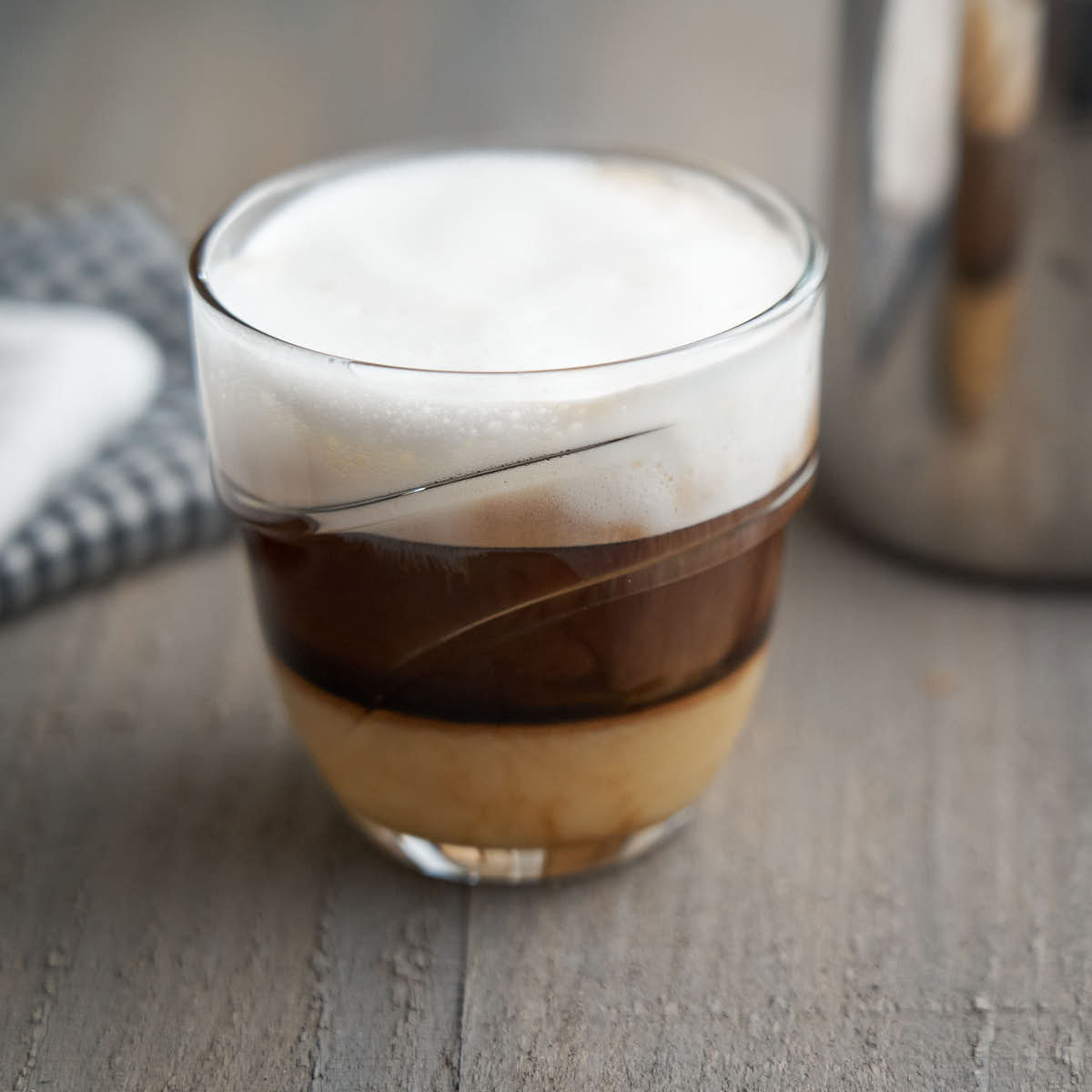
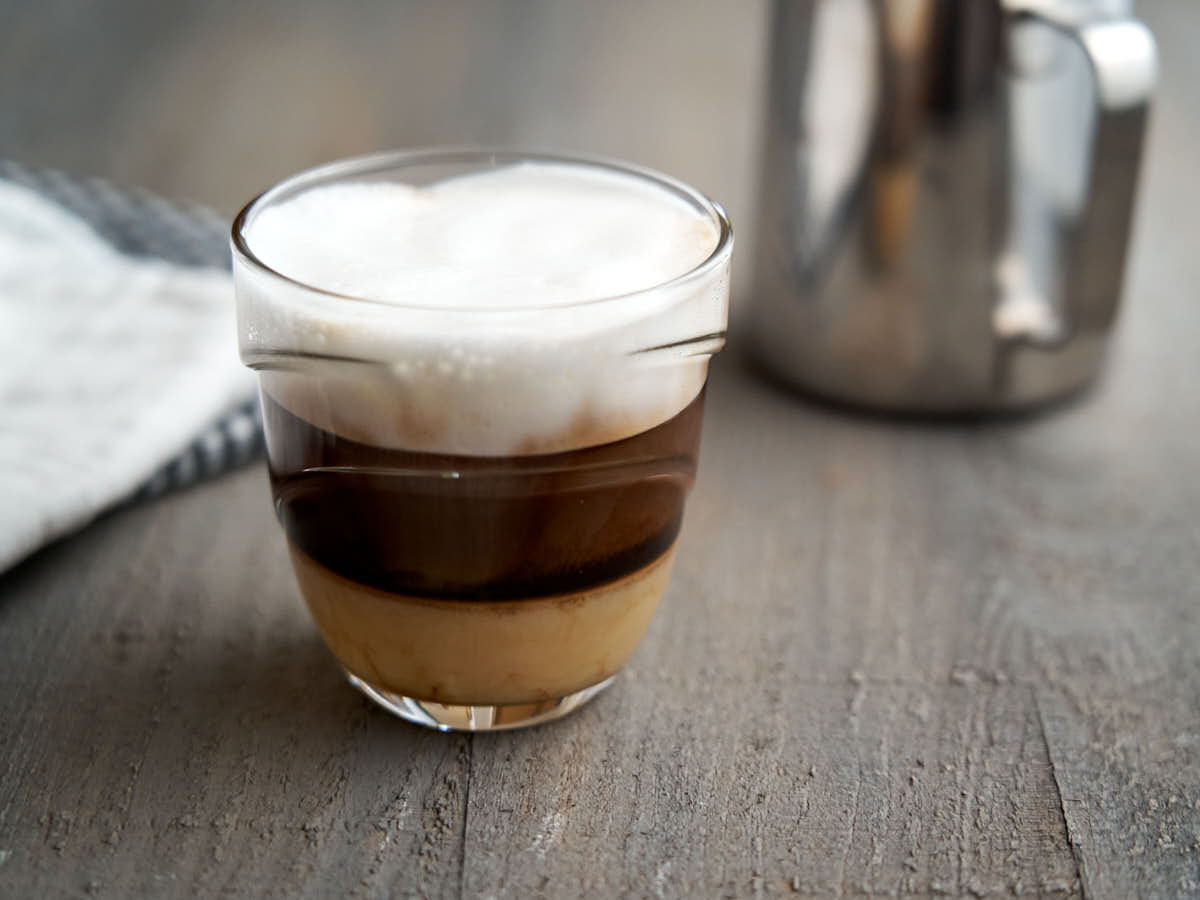
The genesis of Cafe Bombon lies in the Spanish tradition of enjoying coffee as a moment of indulgence. While the exact origins are difficult to pinpoint, its popularity surged in Spain, where the balance of strong coffee and sweet, creamy condensed milk resonated deeply with local palates. The visual appeal, achieved by the stark contrast between the dark espresso and the opaque, milky layer, further elevated its status from a mere beverage to a small work of edible art, especially when served in a clear glass. This aesthetic quality is crucial to its identity, transforming a simple drink into an experience.
The preparation of a Cafe Bombon hinges on a precise layering technique designed to maintain the distinct visual separation of its components. The traditional method involves pouring a shot of freshly brewed espresso first. Subsequently, sweetened condensed milk is carefully drizzled into the glass. Due to its higher density, the condensed milk naturally settles beneath the espresso, creating the characteristic visual divide. Some establishments even opt to serve the condensed milk on the side, allowing patrons to control the sweetness and visual effect themselves, adding an interactive element to the consumption.

While the classic recipe is straightforward, achieving the perfect layered effect requires a nuanced approach. Pouring the condensed milk first and then the espresso can lead to the espresso "denting" the milk layer, compromising the visual integrity. The recommended method prioritizes the espresso base, followed by the slow addition of condensed milk, often down the side of the glass, to encourage a clean separation.
Adding an optional layer of frothed milk on top further enhances the visual complexity and textural dimension of the Cafe Bombon. This microfoam, created by aerating steamed milk, provides a lighter, airier counterpoint to the rich espresso and sweet condensed milk. The key to incorporating this frothy element without disrupting the underlying layers is to carefully spoon the foam onto the surface, rather than pouring it, which could cause it to blend prematurely with the espresso. This technique transforms the beverage into a three-tiered masterpiece.

For those who may not possess an espresso machine, alternative brewing methods can still yield a satisfying Cafe Bombon. Cold brew concentrate, whether prepared at home or purchased commercially, serves as a viable substitute. This concentrated coffee, when gently warmed, offers a robust flavor profile that complements the sweetness of the condensed milk. The process of making cold brew concentrate at home is a relatively simple one, involving steeping coarsely ground coffee beans in cold water for an extended period, typically 12 to 24 hours. This method extracts a smooth, less acidic coffee base that can be adapted for various recipes.
The growing appreciation for artisanal coffee experiences has contributed to the rise of beverages like the Cafe Bombon. In recent years, the global coffee market has witnessed a significant shift towards specialty coffee, with consumers increasingly seeking out unique flavor profiles, brewing methods, and presentation styles. This trend is driven by a greater awareness of coffee cultivation, processing, and the intricate art of coffee preparation. The Cafe Bombon, with its inherent visual appeal and balanced sweet-and-strong taste, perfectly aligns with these evolving consumer preferences.
The implications of this trend extend beyond individual beverage preferences. Coffee shops are increasingly investing in equipment and training to offer a wider range of espresso-based drinks and visually appealing creations. This has led to a diversification of coffee menus, moving beyond traditional black coffee and lattes to include more complex and visually engaging options. The success of drinks like the Cafe Bombon suggests a growing market for beverages that offer both a delightful taste experience and an aesthetically pleasing presentation.
The economic impact of this trend is also noteworthy. Specialty coffee has become a significant driver of growth in the food and beverage industry. Consumers are willing to pay a premium for high-quality, unique coffee experiences, which has created opportunities for coffee producers, roasters, and baristas to innovate and differentiate themselves. The Cafe Bombon, while simple in its core ingredients, represents a sophisticated offering that can command a higher price point due to its perceived value and artisanal quality.

Looking ahead, the continued exploration of global coffee traditions and the adaptation of these to modern tastes are likely to fuel further innovation in the coffee sector. The Cafe Bombon serves as an excellent example of how a culturally specific beverage can achieve international acclaim by appealing to a broad audience through its unique characteristics. As coffee culture continues to evolve, the emphasis on both flavor and visual appeal is expected to remain a key driver of consumer interest and industry development. The simple yet elegant Cafe Bombon stands as a testament to the enduring appeal of well-crafted coffee experiences.
