
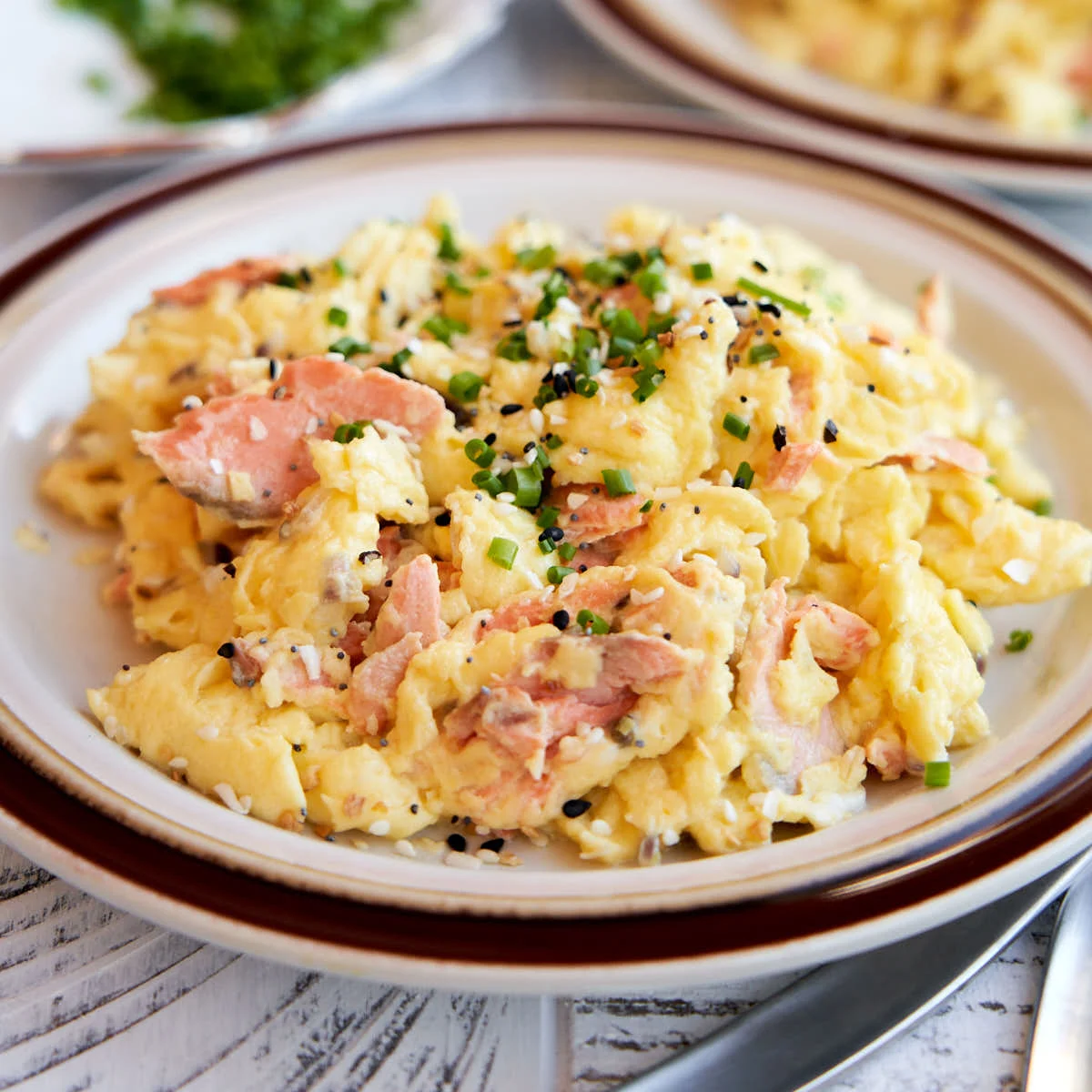
This article explores the preparation and appeal of a simple yet elegant breakfast dish: salmon and eggs. The recipe, detailed below, highlights how to transform leftover cooked salmon into a delicious and quick meal, suitable for both busy weekdays and leisurely weekend brunches. The focus is on practical tips for achieving optimal texture and flavor, emphasizing the importance of ingredients like half-and-half and proper egg preparation. The article also touches upon the versatility of cooked salmon fillets for this dish and advises against using smoked salmon due to its distinct flavor profile and cooking properties.
The Rise of Salmon and Eggs as a Breakfast Staple
In an era where culinary innovation often prioritizes complexity, the appeal of simple, effective, and resourceful dishes continues to grow. Salmon and eggs, a seemingly straightforward combination, embodies this trend. Its primary advantage lies in its ability to utilize leftover cooked salmon, a common occurrence in many households. This approach not only minimizes food waste but also offers a nutritious and flavorful start to the day. The dish’s inherent simplicity belies its potential for sophistication, making it adaptable to various dining occasions, from a hurried weekday breakfast to a more elaborate weekend brunch. The recipe’s straightforward nature allows for easy scaling, catering to individual needs or larger gatherings.
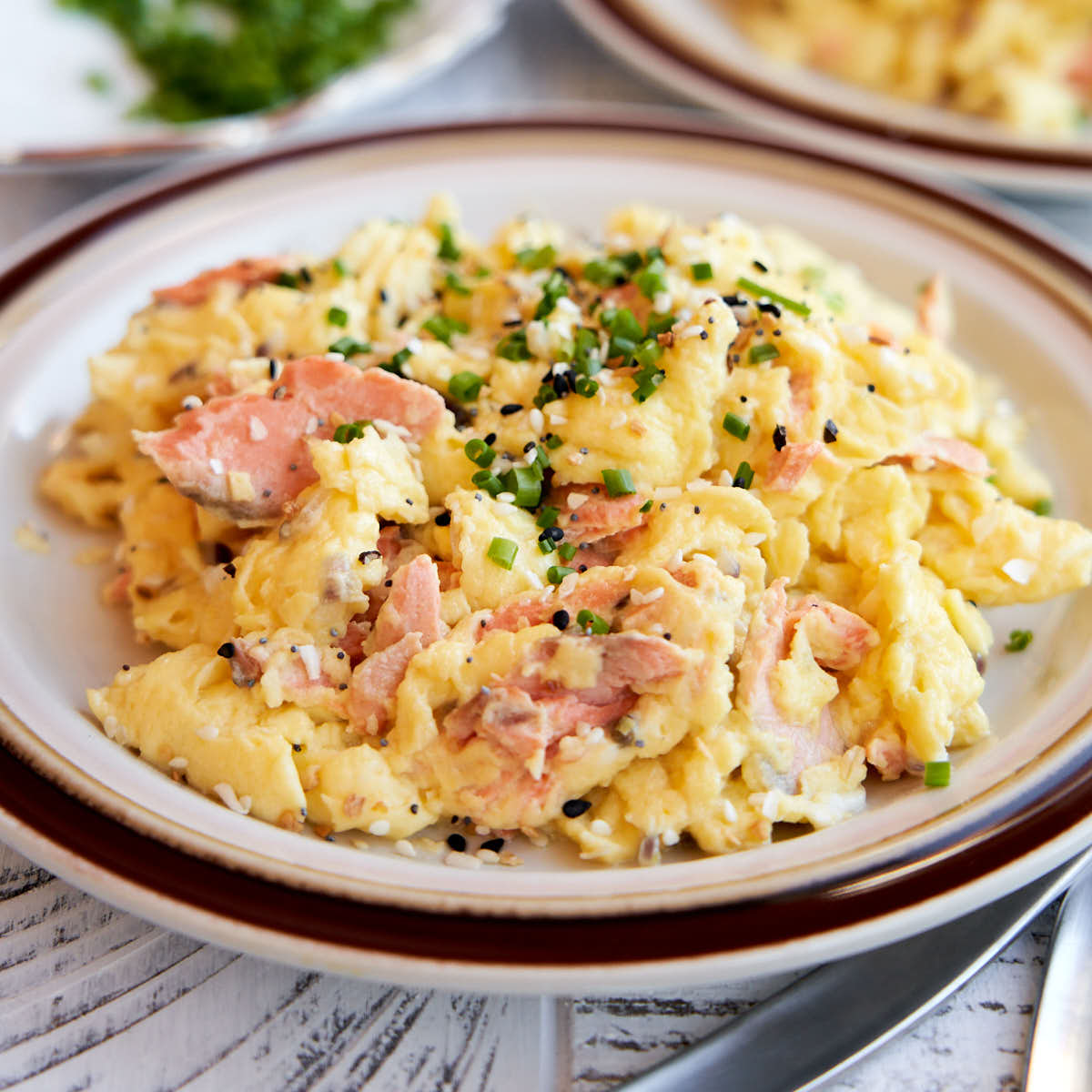
The nutritional profile of salmon and eggs further enhances its appeal. Salmon is renowned for its rich content of omega-3 fatty acids, which are linked to numerous health benefits, including improved cardiovascular health, reduced inflammation, and enhanced brain function. Eggs, a complete protein source, provide essential amino acids, vitamins, and minerals, contributing to satiety and muscle health. Combining these two powerhouses creates a breakfast that is both satisfying and beneficial.
Crafting the Perfect Salmon and Eggs
The preparation of salmon and eggs, as outlined in the accompanying recipe, emphasizes key techniques to achieve a superior result. A crucial element for achieving exceptionally creamy and fluffy scrambled eggs is the inclusion of half-and-half. This dairy product, with its balanced fat content, prevents the eggs from becoming rubbery and contributes to a luxurious texture. While whole milk can be used as a substitute in a pinch, it is understood that the final dish may lack the same level of richness and melt-in-your-mouth quality.
The article stresses the importance of thoroughly beating the eggs. This step serves a dual purpose: ensuring an even distribution of yolks and whites for a uniform color and texture, and incorporating air into the mixture. The latter is vital for achieving a light and fluffy consistency in the final scrambled eggs. Using a whisk is recommended for optimal aeration, though a fork can also be employed with slightly more effort. The aim is to eliminate any streaks or lumps, indicating a well-emulsified mixture ready for cooking.
Strategic Integration of Leftover Salmon
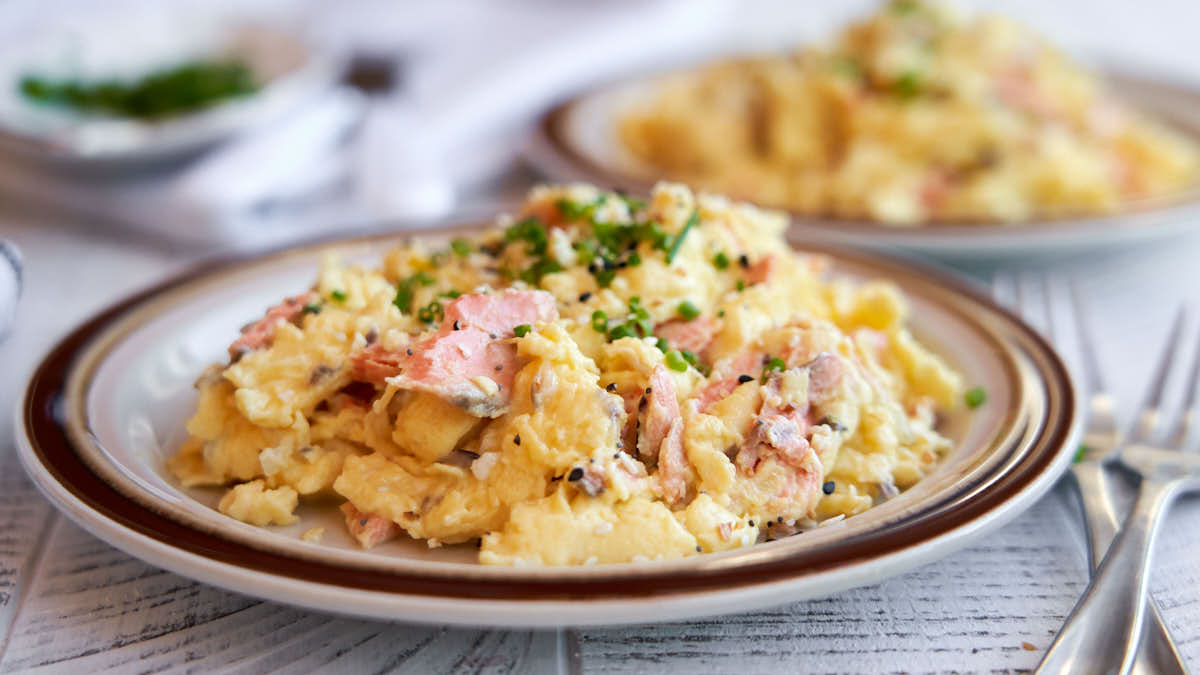
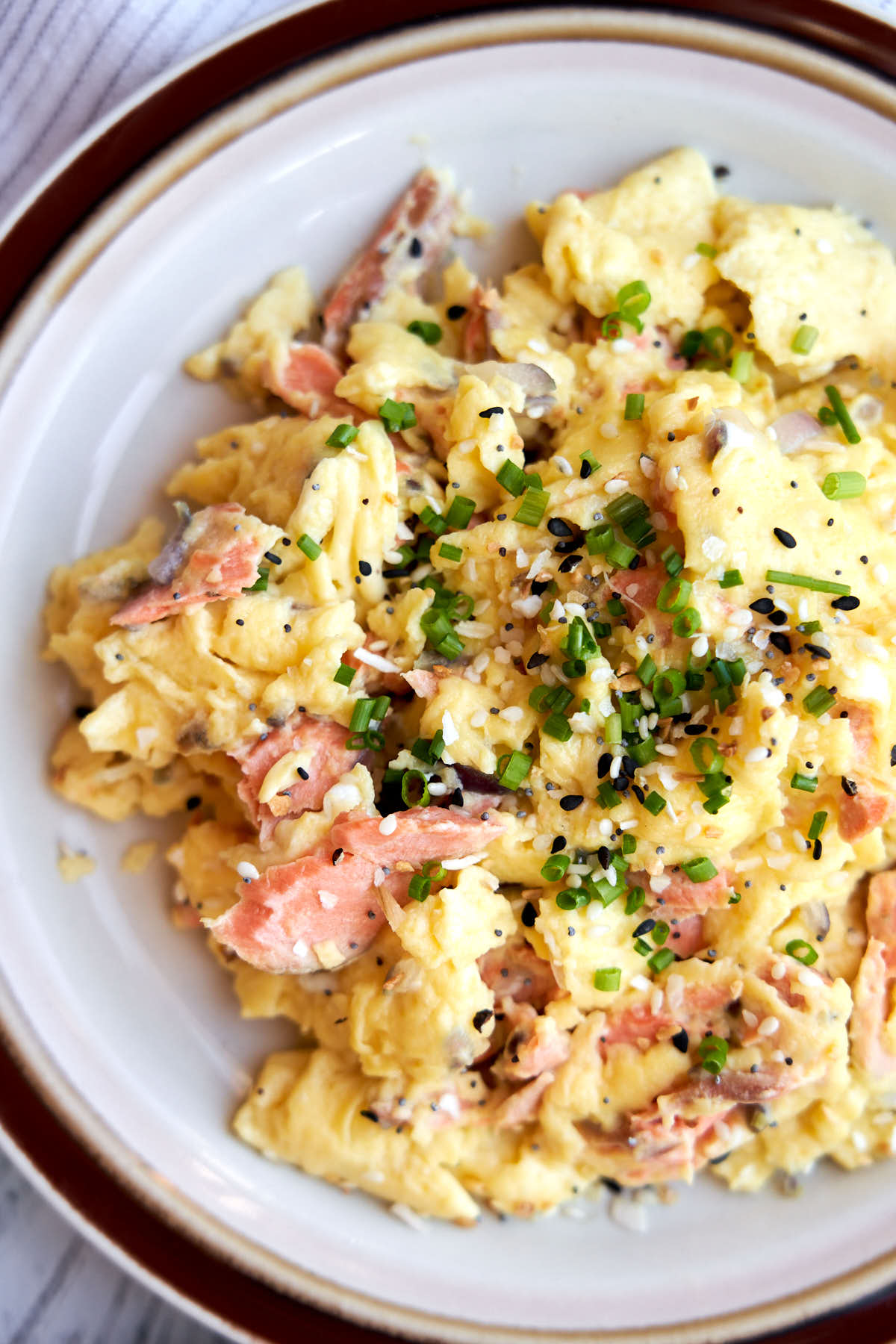
The timing of adding the leftover salmon to the scrambled eggs is another critical aspect of this recipe. It is advised to allow the cooked salmon to reach room temperature before incorporating it into the dish. This prevents the cold fish from rapidly cooling the eggs during the cooking process, ensuring a more consistent temperature throughout. Furthermore, adding the salmon towards the end of the scrambling process, when the eggs are still wet but beginning to form curds, allows the fish to warm through sufficiently without overcooking. This strategic addition also ensures that the eggs adhere to the salmon, effectively folding the fish into the scramble for a cohesive dish.
The Finishing Touches: Seasoning and Herbs
The recipe suggests elevating the salmon and eggs with "Everything but the Bagel" seasoning, a popular blend that adds a complex layer of flavor with its combination of sesame seeds, poppy seeds, dried garlic, dried onion, and sea salt. This seasoning offers a delightful textural contrast and a savory kick that complements the richness of the salmon and eggs. For an added touch of freshness and visual appeal, the inclusion of fresh chives is recommended. For those who may not always have fresh herbs on hand, the article notes the convenience of freeze-dried chives as a readily available alternative.
Selecting the Right Salmon
The versatility of this recipe is further underscored by the type of cooked salmon that can be used. Any pre-cooked salmon fillet, whether baked, pan-fried, or grilled, is suitable. The key is to ensure the salmon is cooked through. For those without leftovers, a simple salmon fillet can be cooked specifically for this dish, with no elaborate preparation methods required.
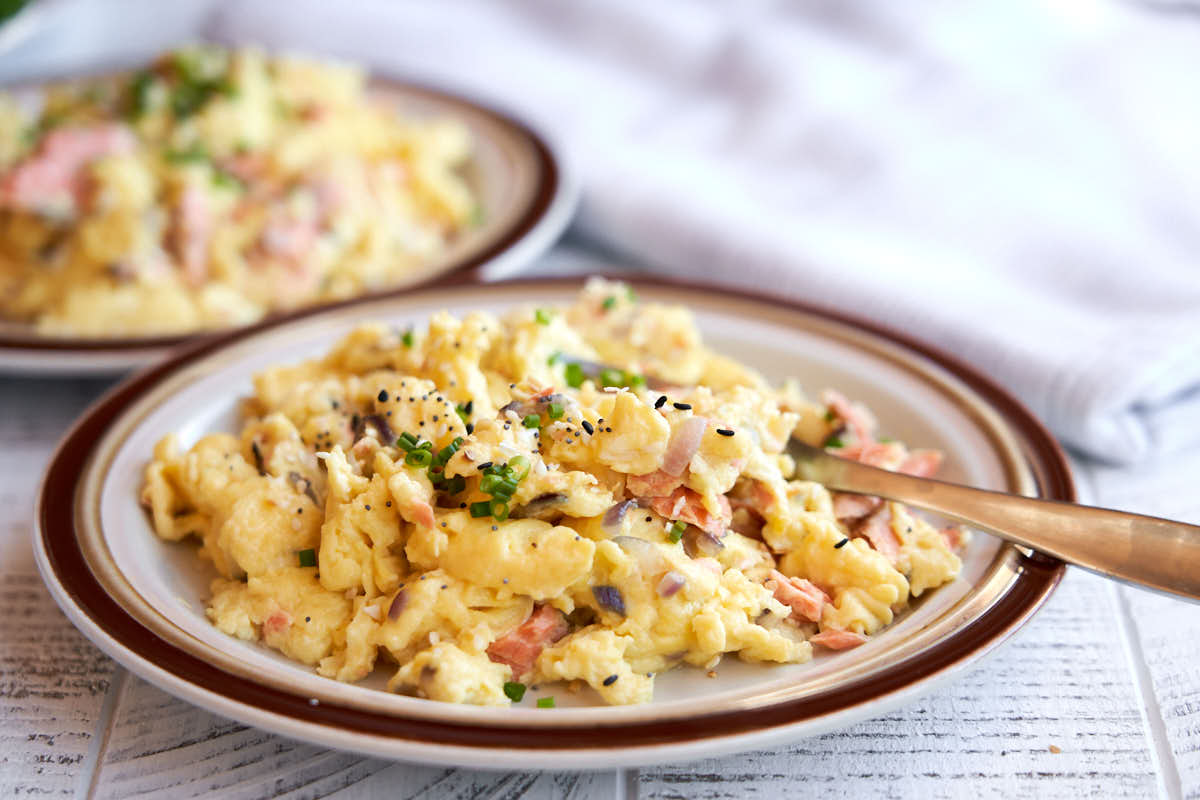
It is important to distinguish this recipe from preparations involving smoked salmon. The article explicitly advises against using smoked salmon in this context. The high salt content of smoked salmon can overpower the dish, and its texture, which is already altered by the smoking process, can become unpleasantly dry when heated in the scrambled eggs. Therefore, the recipe is specifically designed for flaky, cooked salmon fillets.
Broader Implications and Culinary Adaptability
The popularity of salmon and eggs as a breakfast option reflects a broader culinary trend towards sustainable eating and the creative repurposing of ingredients. As consumers become more aware of food waste, recipes that transform leftovers into appealing meals gain traction. The health benefits associated with both salmon and eggs also align with a growing emphasis on nutritious eating habits.
This dish serves as a testament to how simple ingredients, when prepared with mindful techniques, can yield sophisticated and satisfying results. Its adaptability makes it a valuable addition to any home cook’s repertoire, offering a quick and healthy option for various dining occasions. The recipe’s straightforward nature also lends itself to experimentation, with potential for variations in herbs, spices, and even the addition of other complementary ingredients like a dollop of sour cream or a sprinkle of dill.
The concept of incorporating fish into breakfast is not entirely novel, with dishes like tuna omelettes also finding popularity. However, the specific combination of salmon and scrambled eggs offers a unique textural and flavor profile that appeals to a wide range of palates. The ease of preparation and the nutritional advantages ensure that this dish is likely to remain a favored choice for those seeking a delicious and resourceful breakfast solution.
