
This article may contain affiliate links. As an Amazon Associate, we earn from qualifying purchases. See our Disclosure Policy for more information.
The humble salmon fillet, often a star of evening meals, can also be the foundation of a surprisingly delicious and efficient breakfast. The combination of salmon and eggs, a dish championed for its simplicity and flavor, presents a compelling solution for minimizing food waste and elevating the morning meal. This recipe, readily adaptable and quick to prepare, transforms leftover salmon into a protein-rich and satisfying start to the day, suitable for busy weekdays and relaxed weekend brunches alike.
The Appeal of Salmon and Eggs for Breakfast
The allure of salmon and eggs lies in its inherent versatility and nutritional benefits. Salmon, a rich source of omega-3 fatty acids, lean protein, and essential vitamins like D and B12, offers a significant health boost. When paired with eggs, a complete protein source, the breakfast becomes a powerhouse of nutrients, promoting satiety and sustained energy. The delicate flavor of cooked salmon, when gently incorporated into scrambled eggs, creates a harmonious blend that is both comforting and sophisticated.
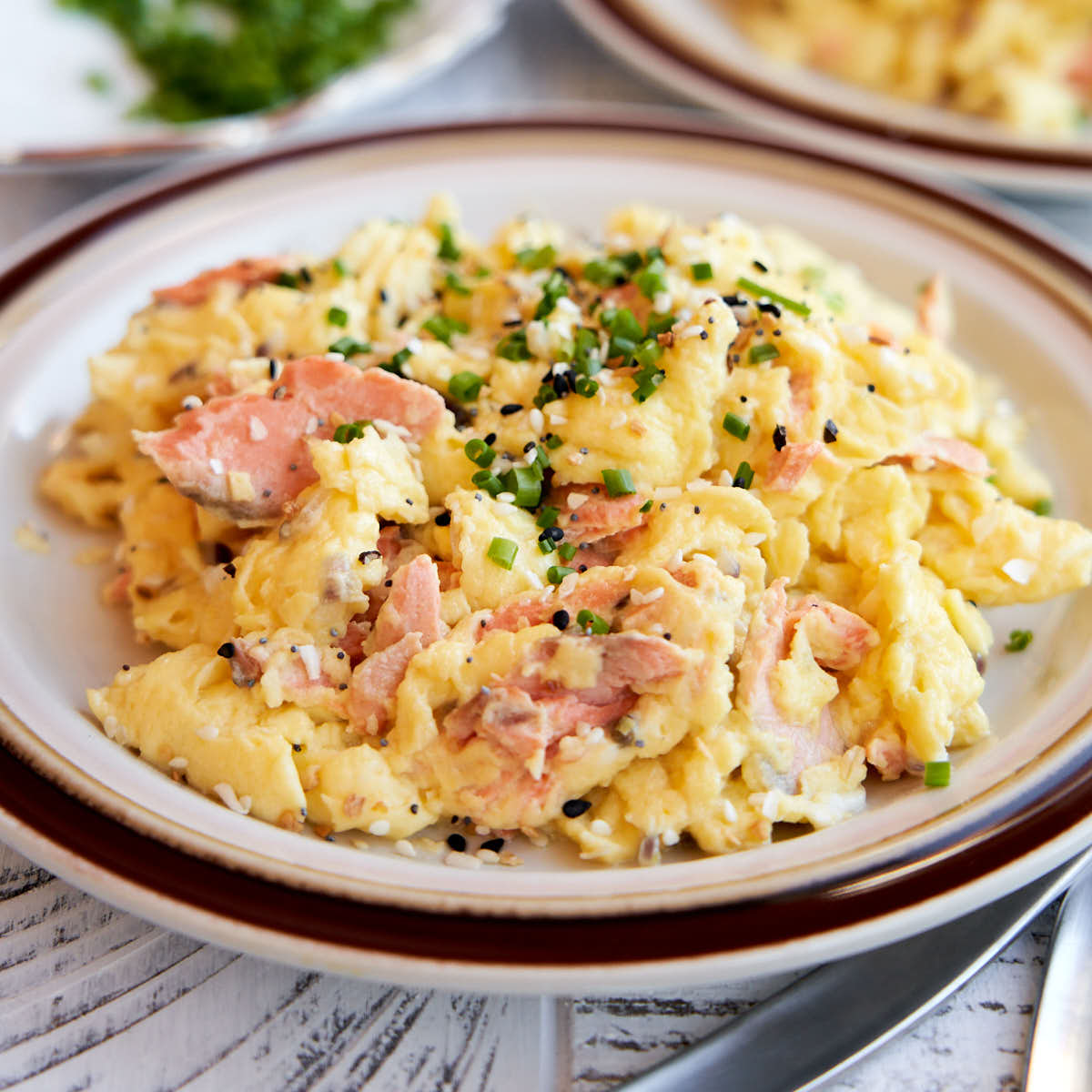
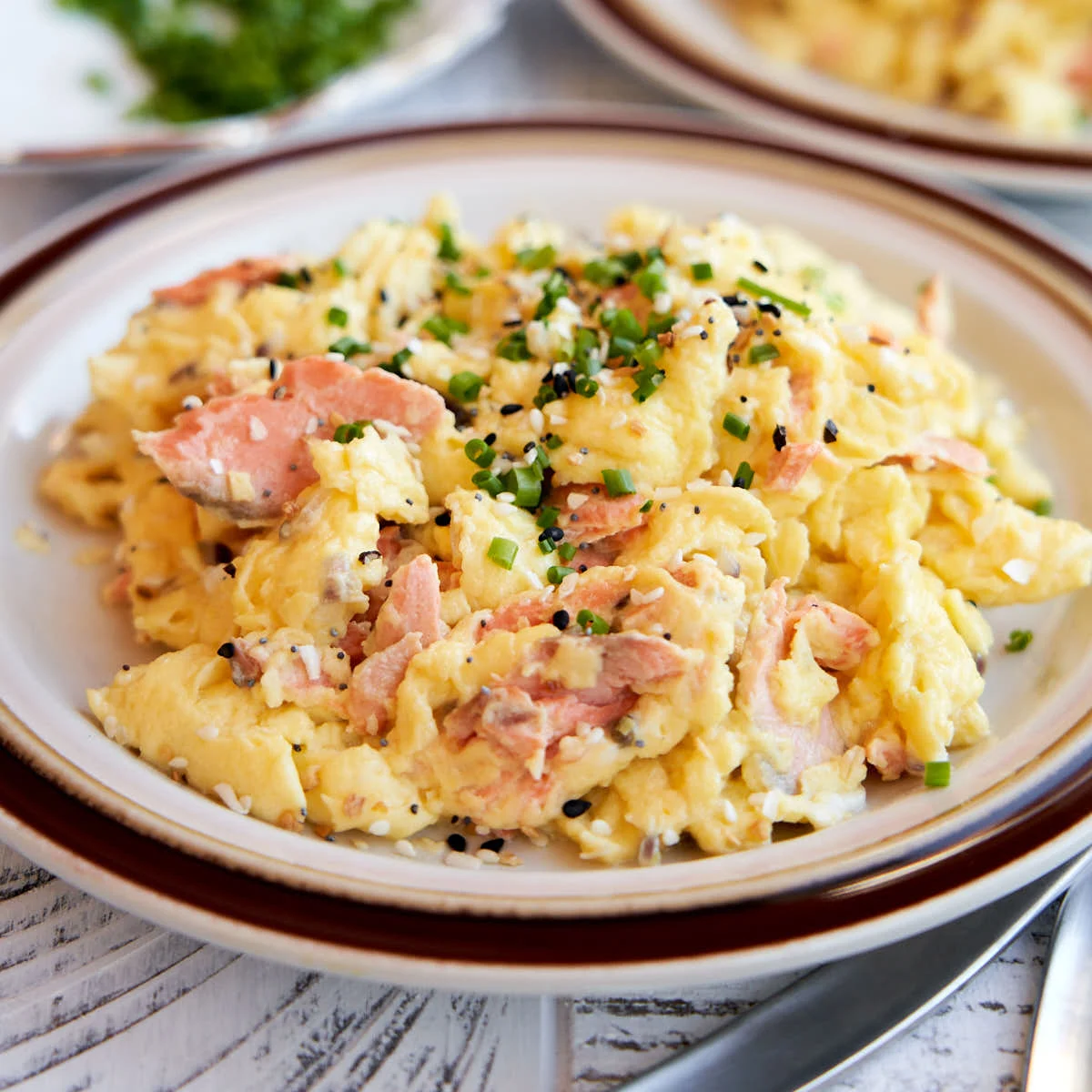
This dish addresses a common culinary challenge: what to do with leftover cooked salmon. Instead of allowing perfectly good fish to languish in the refrigerator, this recipe provides a practical and appealing second life. The preparation is intentionally straightforward, designed for efficiency. The core ingredients are readily available, making it an accessible option for most households.
Crafting the Perfect Salmon and Egg Scramble
The preparation of salmon and eggs, while simple, benefits from a few key techniques to ensure optimal texture and flavor. The recipe emphasizes the importance of using high-quality ingredients and employing specific methods to achieve creamy, fluffy eggs that perfectly complement the salmon.
Key Ingredients for Success:
- Cooked Salmon Fillet: Any type of cooked salmon fillet can be utilized, whether it’s baked, grilled, or pan-fried. The key is that it is fully cooked and preferably at room temperature when added to the eggs. This prevents the eggs from cooling down too rapidly during cooking.
- Eggs: Fresh, high-quality eggs form the base of the dish.
- Half-and-Half: This dairy product is crucial for achieving exceptionally creamy and tender scrambled eggs. The fat content in half-and-half contributes to a richer texture and prevents the eggs from becoming rubbery. While whole milk can be a substitute in a pinch, it will result in a less luxurious outcome.
- Butter or Oil: For sautéing and preventing sticking.
- Seasoning: Salt, pepper, and optional garnishes.
Techniques for Elevated Scrambled Eggs:
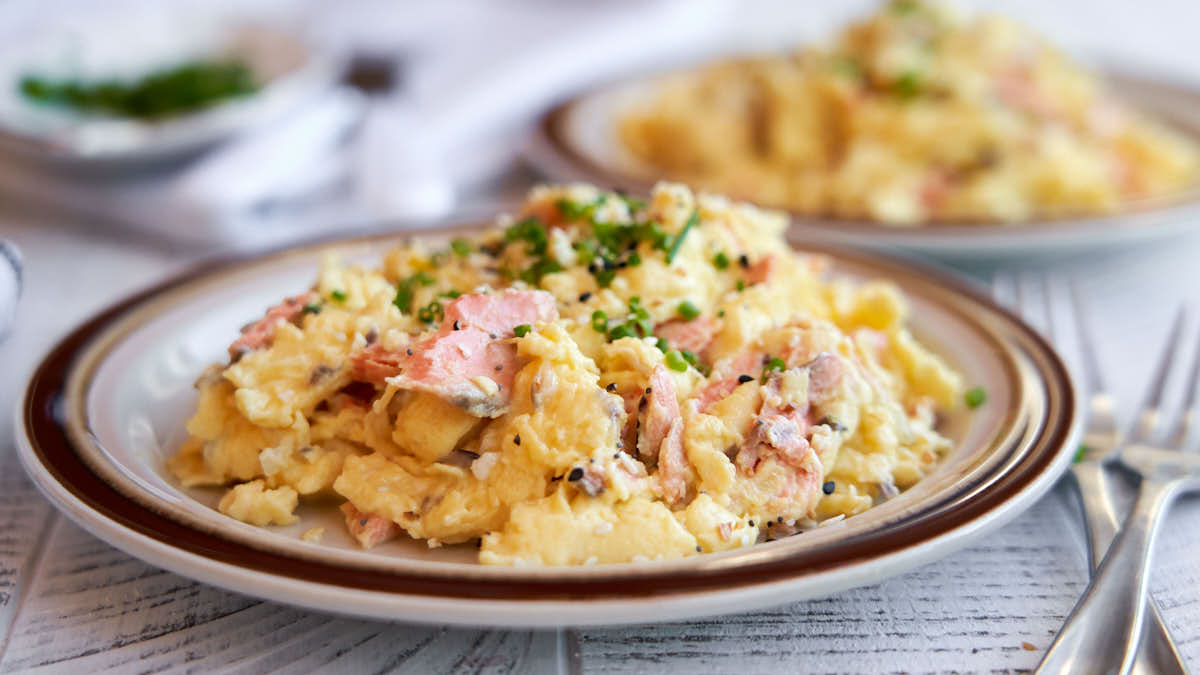
The article highlights two pivotal steps for achieving superior scrambled eggs: the thorough beating of the eggs and the strategic addition of salmon.
-
Vigorous Egg Beating: The process of beating the eggs is critical for two primary reasons. Firstly, it ensures an even distribution of yolks and whites, preventing streaky or unevenly cooked eggs. The goal is to achieve a uniform pale yellow color, free of any visible streaks or gloopy lumps. This can be achieved with a whisk or, with a bit more effort, a fork. Continuing to beat for an extra 30 seconds after visual uniformity is achieved can further enhance the outcome. Secondly, beating incorporates air into the egg mixture. This aeration is instrumental in creating light, fluffy scrambled eggs that maintain their volume and a delicate texture.
-
Strategic Salmon Incorporation: The timing of adding the salmon is paramount. To avoid chilling the cooking eggs and to prevent the salmon from overcooking, it should be introduced towards the end of the scrambling process. The ideal moment is when the eggs are still wet but beginning to form soft curds. This allows the salmon to heat through sufficiently while still being enveloped by the moist eggs, ensuring it adheres well to the scramble. Adding cold salmon directly to the pan can disrupt the cooking temperature of the eggs, leading to a less desirable texture.
The Finishing Touches:
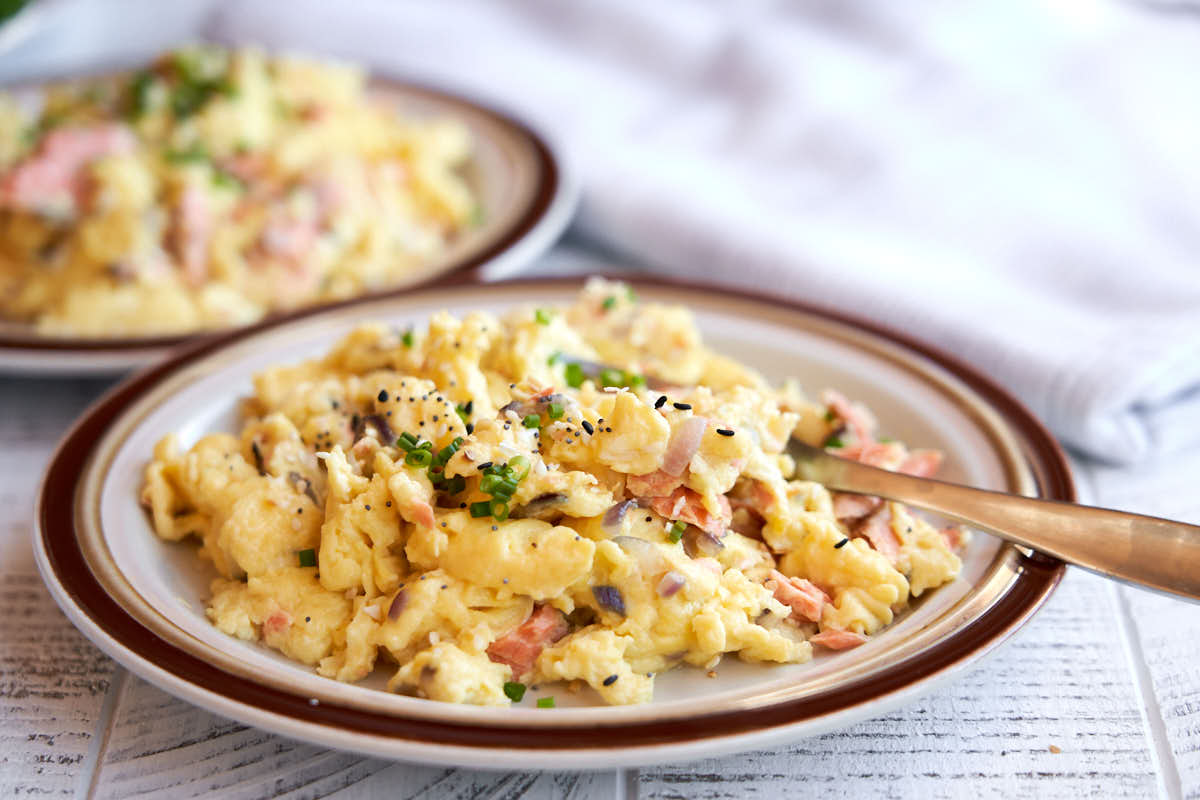
The dish is elevated further with thoughtful garnishes. "Everything but the Bagel" seasoning, a popular blend of sesame seeds, poppy seeds, dried garlic, dried onion, and salt, provides a savory and textural contrast that pairs exceptionally well with salmon. Fresh chives, finely chopped, add a burst of color and a subtle oniony freshness. For those who may not always have fresh chives on hand, the article suggests the convenience of freeze-dried chives, a pantry staple that offers a similar flavor profile.
Understanding Salmon Selection
The recipe specifically calls for cooked salmon, emphasizing its role as a leftover repurposing solution. Baked or pan-fried salmon fillets are ideal. The crucial distinction is made against using smoked salmon. Smoked salmon, due to its high salt content and distinct curing process, would not integrate well into this preparation. Its saltiness could overpower the delicate flavors of the eggs, and its texture would likely become dry and unappealing when subjected to the heat of scrambling. If fresh salmon is desired for this dish, it can be cooked separately using a simple method before being incorporated into the eggs.
Broader Implications and Culinary Trends
The popularity of dishes like salmon and eggs reflects a growing trend towards mindful consumption and the creative utilization of food resources. As consumers become more aware of food waste, recipes that transform leftovers into appealing meals gain traction. This salmon and egg dish exemplifies this trend, offering a delicious and practical solution that aligns with sustainability goals.
Furthermore, the integration of fish into breakfast menus is becoming increasingly common. Beyond the traditional smoked salmon and bagels, diners and home cooks are exploring a wider array of piscine options. Tuna omelets, for instance, have also gained a following as a protein-rich breakfast alternative. This diversification of breakfast offerings signifies a shift away from conventional options and an embrace of more nutrient-dense and flavorful choices.
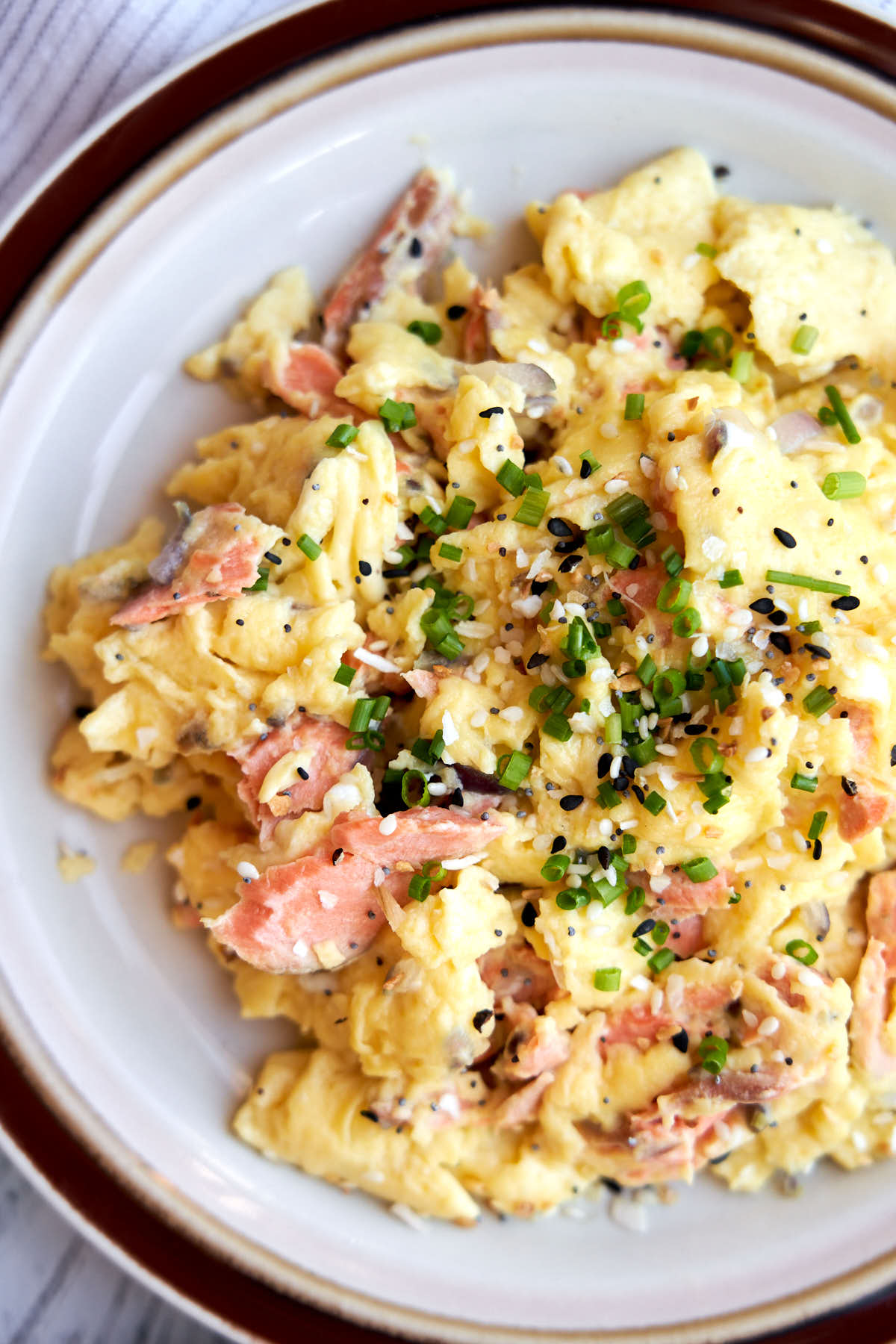
The simplicity of the salmon and egg recipe also makes it an attractive option for those seeking quick, yet healthy, meal solutions. In an era where time is often a precious commodity, dishes that can be prepared in minutes without compromising on nutritional value are highly valued. The adaptability of the recipe, allowing for easy scaling to serve more individuals, further enhances its appeal for family breakfasts or small gatherings.
The estimated nutritional information for this dish, typically around 430 calories per serving, positions it as a balanced meal that contributes significantly to daily protein intake without being excessively calorific. This makes it a suitable option for a variety of dietary preferences, particularly for those focusing on protein-rich meals.
In conclusion, the salmon and eggs breakfast is more than just a simple recipe; it’s a culinary innovation that addresses food waste, promotes healthy eating, and offers a delightful departure from conventional breakfast fare. Its ease of preparation, coupled with its nutritional benefits and appealing taste, solidifies its place as a valuable addition to any home cook’s repertoire.
