
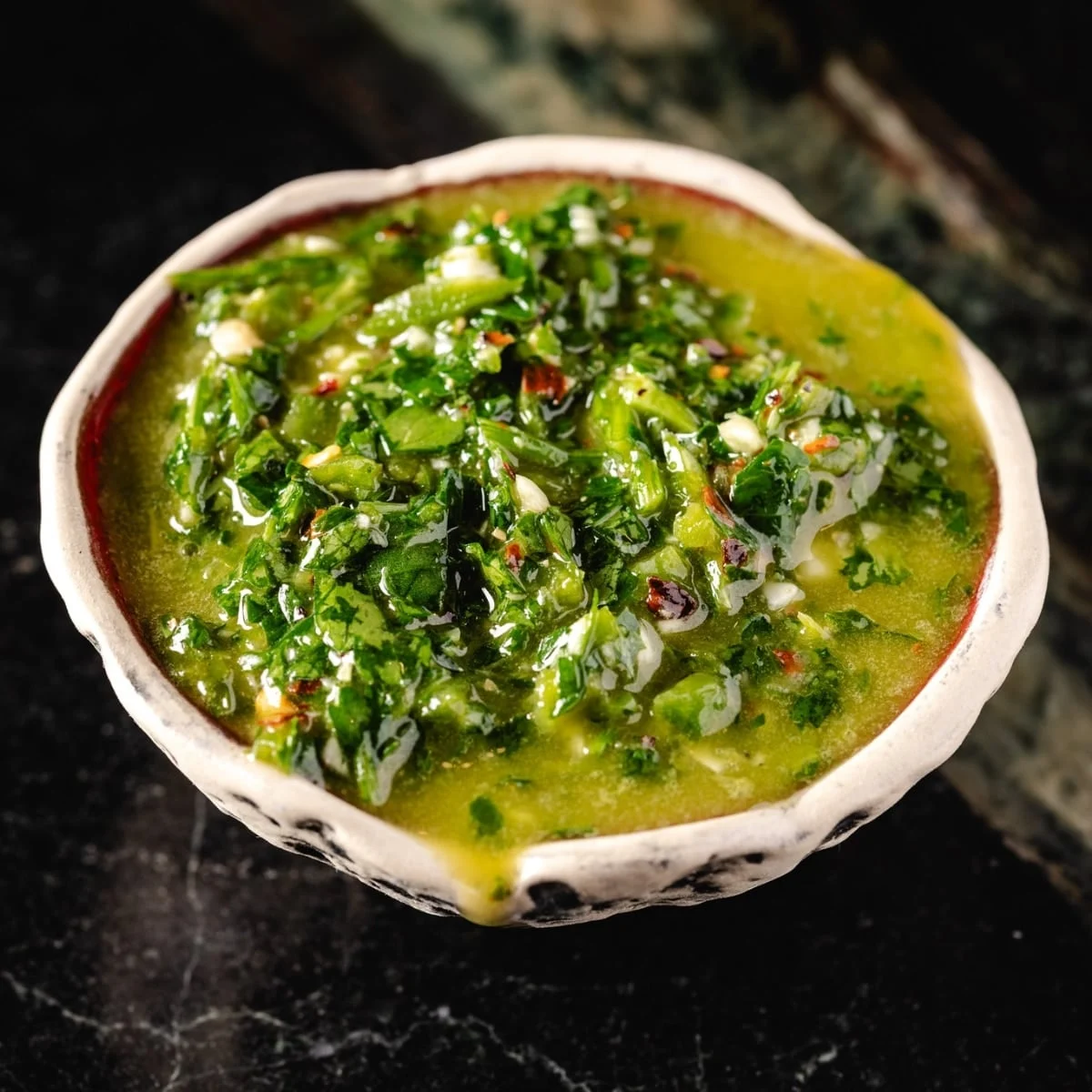
The culinary landscape of outdoor cooking has undergone a significant transformation in recent years, shifting from heavy, sugar-laden sauces toward vibrant, herb-centric condiments that emphasize fresh ingredients and complex flavor profiles. Central to this movement is the emergence of Jalapeño Chimichurri, a spicy iteration of the traditional Argentinian sauce that integrates charred peppers with fresh aromatics to enhance grilled proteins. This development reflects a broader consumer trend toward artisanal home preparation and the integration of global flavors into regional barbecue traditions.
The Foundations of Chimichurri and Its Modern Evolution
To understand the significance of the Jalapeño Chimichurri variant, one must first examine the historical and cultural origins of the base sauce. Chimichurri originated in the Rio de la Plata region, spanning Argentina and Uruguay, where it became the quintessential accompaniment to asado, or grilled beef. Historically, the sauce was a simple emulsion of finely chopped parsley, minced garlic, vegetable oil, oregano, and white or red wine vinegar. Its primary function was to provide an acidic counterpoint to the rich, fatty profiles of grass-fed beef favored in South American gaucho culture.
The modern adaptation of this sauce, particularly the version popularized by culinary influencers such as Susie Bulloch of the "Hey Grill Hey" platform, introduces the jalapeño as a central component. By incorporating the Capsicum annuum species, specifically the jalapeño, chefs are able to bridge the gap between traditional South American herb sauces and the heat-seeking preferences of North American and global palates. This evolution marks a departure from the static nature of traditional recipes, suggesting a more fluid approach to condiment construction in the 21st century.
Technical Methodology: The Role of Charring and Emulsification
The preparation of Jalapeño Chimichurri involves a specific technical process that distinguishes it from standard herb pestos or salsas. The primary innovation lies in the treatment of the jalapeño pepper. Rather than using the raw vegetable, the methodology requires blistering the pepper over an open flame or high-heat grill.

This process of charring, known in culinary science as the Maillard reaction, induces a chemical change in the pepper’s sugars and proteins. The intense heat softens the cellular structure of the jalapeño, reducing its raw, vegetal bite and replacing it with a subtle smokiness. This smoky profile acts as a bridge between the fresh herbs—parsley and cilantro—and the charred exterior of grilled meats. Once the pepper is roasted, it is blended with the other components, allowing the oils from the pepper to integrate more fully with the olive oil base.
The ingredient list for this contemporary sauce remains focused on high-quality, whole foods:
- Charred jalapeño (the primary heat and smoke source)
- Fresh flat-leaf parsley (the traditional herbal base)
- Fresh cilantro (providing a citrusy, bright note)
- Minced garlic (the pungent aromatic core)
- Red wine vinegar (the acidic brightener)
- Olive oil (the emulsifying fat)
- Kosher salt and cracked black pepper (flavor enhancers)
Nutritional Analysis and Dietary Implications
In an era of increasing health consciousness, the nutritional profile of condiments has come under intense scrutiny. Traditional barbecue sauces often contain high levels of high-fructose corn syrup and sodium. In contrast, Jalapeño Chimichurri offers a nutrient-dense alternative that aligns with various dietary frameworks, including ketogenic, paleo, and Mediterranean diets.
According to data provided by culinary analysts, a standard serving of this sauce (approximately one-sixth of a standard batch) contains roughly 171 calories. The caloric density is primarily derived from monounsaturated fats found in olive oil, which accounts for 13 grams of the total 18 grams of fat. This "healthy fat" profile is a significant selling point for health-oriented consumers.
Furthermore, the sauce is low in carbohydrates (2g) and sugars (0.2g), making it an ideal choice for those managing blood glucose levels. The inclusion of fresh herbs and peppers also contributes to the micronutrient density of the condiment. A single serving provides approximately 1,075 IU of Vitamin A and 15 mg of Vitamin C, largely due to the high concentrations of these vitamins in parsley and jalapeños. The sodium content, measured at 443 mg, remains relatively moderate compared to processed, shelf-stable condiments.

Market Trends and the Rise of the "Backyard BBQ Hero"
The popularity of recipes like Jalapeño Chimichurri is intrinsically linked to the growth of the home grilling market. Economic data suggests a steady increase in the sales of high-end outdoor cooking equipment, including pellet grills, ceramic smokers, and offset charcoal grills. As consumers invest more in hardware, there is a commensurate demand for "software"—the recipes and techniques that justify the expenditure.
The concept of the "Backyard BBQ Hero," a term popularized by the "Hey Grill Hey" brand, encapsulates this cultural shift. It refers to the amateur cook who seeks to replicate restaurant-quality results through the use of specialized techniques and artisanal ingredients. The move away from store-bought sauces is a key component of this identity. By creating a sauce from scratch in approximately five minutes, the home cook exercises control over the flavor profile and ingredient quality, effectively elevating a standard grilled meal into a gourmet experience.
Digital platforms have played a crucial role in this dissemination. With millions of followers across Instagram, Facebook, and YouTube, culinary educators like Susie Bulloch have democratized professional-grade cooking. The accessibility of these recipes through dedicated mobile applications has further integrated advanced culinary techniques into the daily lives of the general population.
Broader Impact on the Global Condiment Industry
The rise of homemade, fresh-ingredient sauces poses a significant challenge to the traditional condiment industry. Large-scale manufacturers are increasingly pressured to reformulate their products to remove preservatives and artificial thickeners as consumers become more educated about the benefits of fresh alternatives.
The "Jalapeño Chimichurri effect" demonstrates a preference for "bright" and "spicy" profiles over "sweet" and "smoky" ones. This shift is reflected in market data showing a surge in the popularity of hot sauces and herb-based spreads. The global hot sauce market, for instance, is projected to continue its upward trajectory, driven by a younger demographic that values bold, authentic flavors.

Moreover, the versatility of chimichurri contributes to its widespread adoption. While traditionally paired with steak, the jalapeño variant is increasingly used on seafood, poultry, and grilled vegetables. This multi-protein utility makes it a staple in the modern kitchen, reducing the need for multiple, specialized bottled sauces.
Expert Perspectives and Culinary Implications
Culinary experts note that the success of Jalapeño Chimichurri lies in its balance of the four essential pillars of flavor: salt, fat, acid, and heat. The salt enhances the natural flavors of the herbs; the olive oil provides a rich mouthfeel; the red wine vinegar cuts through the fat of the meat; and the jalapeño provides the heat that stimulates the palate.
Susie Bulloch, a prominent figure in the outdoor cooking community and founder of "Hey Grill Hey," has emphasized the importance of this balance. Her approach focuses on empowering the home cook to experiment with these elements. By providing "Pro Tips"—such as the recommendation to use fresh rather than dried herbs and the suggestion to let the sauce sit to allow flavors to meld—she bridges the gap between a simple recipe and a culinary education.
The implications of this trend extend to sustainability as well. Home-made sauces reduce the reliance on single-use plastic bottles and the carbon footprint associated with the shipping of heavy, liquid-based products. By utilizing fresh produce, often sourced from local markets or home gardens, consumers are participating in a more localized and sustainable food system.
Chronology of the Modern BBQ Movement
The timeline of this culinary shift can be traced back to the early 2010s, with the explosion of food blogging and the "foodie" culture.

- 2010-2015: The rise of artisanal BBQ. Enthusiasts began moving away from "low and slow" as a mere cooking method toward it being a craft.
- 2016-2020: The digital expansion. Platforms like "Hey Grill Hey" began providing high-production-value video tutorials, making complex sauces like chimichurri accessible to the masses.
- 2021-Present: The hyper-localization of flavor. The integration of specific ingredients like the jalapeño into traditional recipes reflects a globalized palate where regional boundaries are increasingly blurred.
As we look toward the future of outdoor cooking, it is clear that the demand for fresh, high-impact condiments will only continue to grow. The Jalapeño Chimichurri stands as a testament to the power of simple, high-quality ingredients to transform the grilling experience. It represents a move toward a more sophisticated, health-conscious, and flavor-driven approach to the traditional American barbecue, ensuring that the "Backyard BBQ Hero" remains at the forefront of culinary innovation.
