
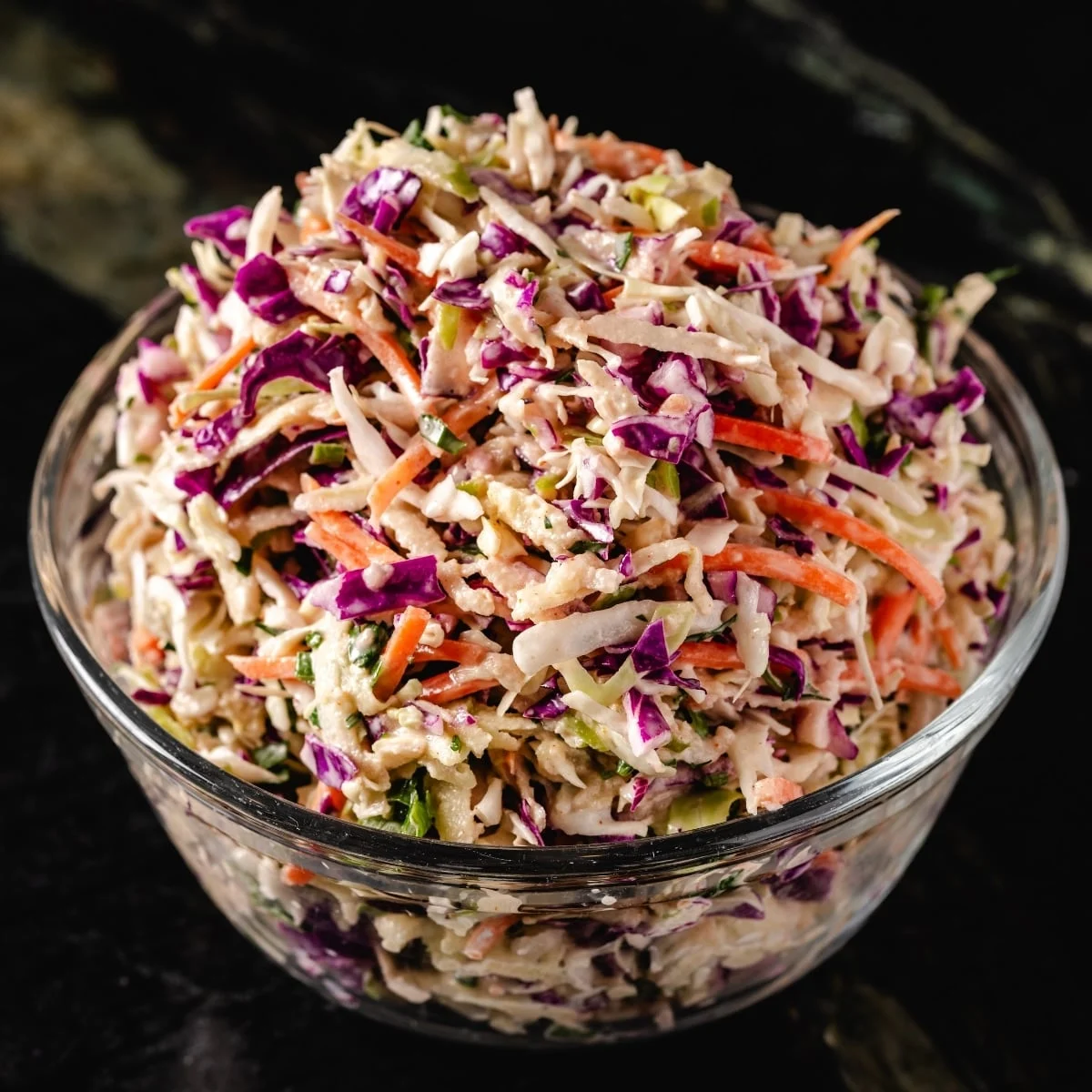
The culinary landscape of American barbecue is undergoing a significant transformation as pitmasters and home cooks alike seek to balance the heavy, smoky flavors of slow-cooked meats with vibrant, acidic side dishes. A prominent example of this evolution is the emergence of Homemade Apple Slaw, a dish that departs from the monochromatic profile of traditional mayonnaise-based coleslaws by incorporating the tartness of Granny Smith apples and specialized spice blends. This modern iteration of a classic side dish emphasizes the importance of textural contrast and flavor complexity, utilizing a combination of shredded cabbage, carrots, and fresh herbs, all unified by a creamy, tangy dressing enhanced with signature dry rubs.
The Composition and Culinary Profile of Apple Slaw
The fundamental appeal of the Homemade Apple Slaw lies in its intentional selection of ingredients designed to provide a "palate cleanser" effect. The recipe features Granny Smith apples, a variety prized in the culinary world for its high acidity and firm flesh, which prevents the fruit from becoming mealy when tossed with dressing. These are combined with a traditional base of shredded green cabbage and carrots.
A defining characteristic of this specific preparation is the integration of a "Sweet Rub," a seasoning profile typically reserved for the meat itself. By incorporating a barbecue rub into the slaw dressing, the dish creates a bridge between the side and the main protein, usually pulled pork, smoked chicken, or brisket. The dressing is a sophisticated emulsion of creamy components and acidic brighteners, designed to cut through the subcutaneous fat and heavy smoke characteristic of professional-grade barbecue.

Historical Context and the Evolution of Coleslaw
To understand the significance of the apple-infused variant, one must examine the history of coleslaw. The term "coleslaw" originates from the Dutch expression koolsla, meaning "cabbage salad." Since the late 17th century, when Dutch settlers introduced the dish to the Hudson River Valley, it has remained a staple of American picnic and barbecue culture.
Traditionally, coleslaw was divided into two primary categories: the vinegar-based "Lexington-style" and the creamy "mayonnaise-style." The introduction of fruit, specifically apples, represents a more recent culinary shift toward "sweet and savory" fusion. The Granny Smith apple itself has a storied history, originating in Australia in 1868 with Maria Ann Smith. Its introduction into the American barbecue circuit provides a necessary malic acid component that complements the acetic acid of vinegar and the citric acid of lemon juice often found in slaw dressings.
Nutritional Data and Dietary Analysis
From a nutritional perspective, the Homemade Apple Slaw offers a dense profile of micronutrients while maintaining a moderate caloric footprint. Based on standard serving sizes, the nutritional breakdown is as follows:
- Caloric Content: 205 kcal per serving.
- Macronutrients: 19g of carbohydrates, 14g of fat, and 2g of protein.
- Lipid Profile: The fat content includes 2g of saturated fat, 8g of polyunsaturated fat, and 3g of monounsaturated fat, reflecting the use of oil-based or mayonnaise-based emulsions in the dressing.
- Micronutrients: The dish is particularly high in Vitamin A (2199 IU) and Vitamin C (26 mg), largely attributed to the raw carrots and fresh cabbage. It also provides 61 mg of calcium and 2 mg of iron.
- Fiber and Sugar: With 4g of dietary fiber and 13g of sugar (derived both from the natural fructose in apples and added sweeteners in the rub), the slaw offers a balanced glycemic response compared to more processed side dishes.
The Science of Flavor Balancing in Barbecue
The success of the apple slaw in a barbecue context can be explained through the science of sensory analysis. Barbecue meat is rich in lipids and intense Maillard reaction products, which can lead to "palate fatigue." Culinary experts note that the human tongue requires contrast to continue enjoying heavy flavors over a long meal.

The Homemade Apple Slaw addresses this through three specific mechanisms:
- Acidity: The vinegar in the dressing and the tartness of the Granny Smith apples trigger salivation, which helps wash away the fatty film left by smoked meats.
- Texture: The crunch of raw cabbage and apples provides a mechanical contrast to the "fork-tender" texture of smoked proteins.
- Temperature: Served chilled, the slaw provides a thermal contrast to meat served at internal temperatures of 145°F to 205°F.
Chronology of Preparation and Best Practices
The production of high-quality apple slaw involves a specific timeline to ensure optimal texture. Unlike fermented salads, which benefit from long aging, fresh slaws have a limited "peak" window.
- Pre-Processing: Vegetables and apples must be shredded immediately before assembly to prevent oxidation. Granny Smith apples are particularly prone to browning (enzymatic browning) once the cellular structure is compromised.
- Emulsification: The dressing is whisked separately to ensure the "Sweet Rub" and other dry spices are fully hydrated and evenly distributed.
- The "Marrowing" Period: While the slaw can be eaten immediately, a rest period of 15 to 30 minutes in the refrigerator allows the salt in the dressing to slightly soften the cabbage through osmosis, without losing the essential "crunch."
- Storage Limitations: Industry standards suggest that apple-based slaws maintain their integrity for 3 to 4 days when stored in airtight containers at or below 40°F (4°C). However, the crispness of the apple begins to degrade after 24 hours as the fruit absorbs moisture from the dressing.
Market Trends and the Rise of the "Backyard Hero"
The popularity of recipes like Susie Bulloch’s Homemade Apple Slaw reflects a broader trend in the multi-billion dollar barbecue industry. According to the Hearth, Patio & Barbecue Association (HPBA), over 70% of U.S. households own a grill or smoker. This has led to a surge in demand for "elevated" side dishes that go beyond canned beans or store-bought potato salad.
The rise of digital influencers and BBQ "personalities" has democratized professional techniques. Bulloch, the founder of the "Hey Grill Hey" platform, has positioned such recipes as essential tools for the "Backyard BBQ Hero." This cultural shift emphasizes the "total experience" of the meal, where the side dish is given as much culinary consideration as the main course.

Professional Tips for Culinary Consistency
To achieve a consistent result, professional chefs recommend several technical adjustments to the basic preparation:
- Oxidation Control: If the slaw is not to be served immediately, tossing the shredded apples in a light solution of lemon juice can inhibit the polyphenol oxidase enzyme, keeping the fruit white.
- Moisture Management: For a less watery slaw, some cooks prefer to "salt and drain" the cabbage for 30 minutes before adding the dressing. This removes excess cellular water that would otherwise dilute the dressing.
- Herb Integration: The use of fresh herbs (such as parsley or cilantro) should be the final step in the process to prevent wilting from the acidic dressing.
Broader Impact on Modern Gastronomy
The integration of fresh fruit into traditional vegetable salads is a hallmark of modern American gastronomy, which favors bright, "clean" flavors. The Homemade Apple Slaw serves as a case study in how traditional regional cuisines—like Southern or Midwestern barbecue—can be modernized without losing their cultural identity.
By focusing on the synergy between the sweetness of the apple and the heat of the barbecue rub, this dish represents a sophisticated understanding of flavor profiles. It challenges the notion that barbecue sides must be heavy or nutritionally void, offering instead a nutrient-rich, enzymatically active accompaniment that enhances the overall dining experience.
As the barbecue season continues to expand into a year-round activity across the United States, the demand for versatile, high-impact side dishes like the Homemade Apple Slaw is expected to grow. It remains a testament to the power of simple, high-quality ingredients processed with professional technique, proving that even the most established culinary traditions are subject to refreshing and delicious innovation.
