
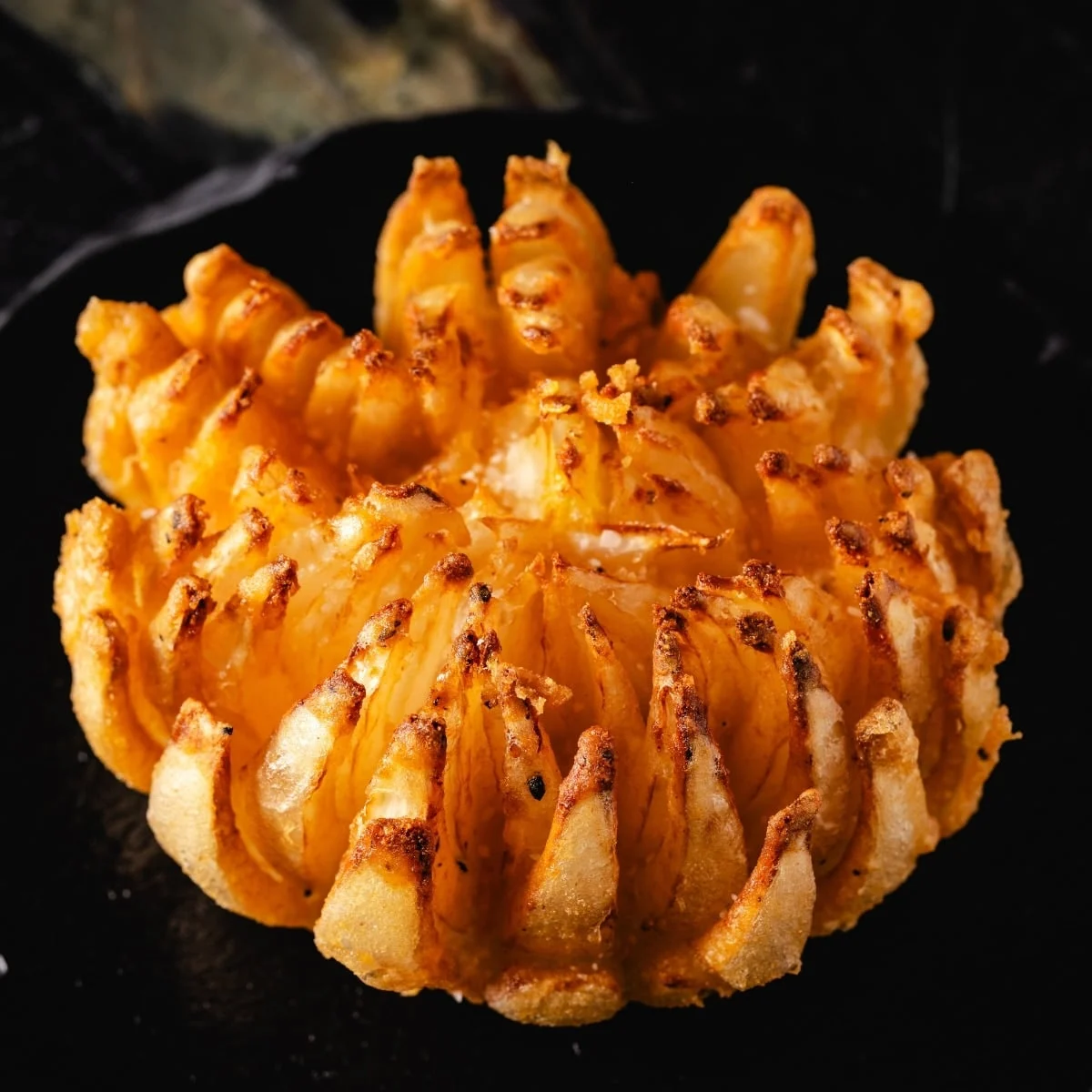
The smoke-fried onion blossom represents a significant evolution in outdoor culinary techniques, combining the traditional low-and-slow methodology of American barbecue with the high-heat precision of deep-frying. This hybrid dish, which utilizes the natural sweetness of the Vidalia onion, has emerged as a focal point for backyard enthusiasts seeking to replicate and enhance steakhouse-quality appetizers. By integrating a 45-minute smoking phase at 225 degrees Fahrenheit prior to a flash-fry in 350-degree oil, the process infuses the vegetable with complex wood-fired notes while maintaining the structural integrity and "bloom" characteristic of the classic deep-fried onion.
The Evolution of the Blooming Onion and Modern Barbecue Trends
The concept of the "bloomed" or "flowered" onion first gained international prominence in the late 1980s, primarily through commercial steakhouse chains. Traditionally, these onions are battered and deep-fried immediately after cutting. However, the contemporary barbecue movement—driven by a surge in pellet grill ownership and outdoor cooking education—has sought to modify these classics.
Market data from the Hearth, Patio & Barbecue Association (HPBA) indicates that nearly 70% of households in the United States own a grill or smoker, with a growing segment of consumers experimenting with "smoke-frying." This technique involves using a smoker to par-cook and flavor an item before finishing it in oil or an air fryer. The smoke-fried onion blossom is a prime example of this trend, moving the preparation from a commercial kitchen to a residential backyard setting.

Material Specifications and Ingredient Analysis
The success of the smoke-fried onion blossom is contingent upon the selection of specific raw materials. Culinary experts and pitmasters, including Susie Bulloch of Hey Grill Hey, emphasize the use of the Vidalia onion for this particular application.
The Vidalia Onion Standard
The Vidalia onion is a sweet onion variety protected by the Vidalia Onion Act of 1986. Grown exclusively in a 20-county region in Georgia, these onions possess a low sulfur content and high water and sugar content. When subjected to heat, the sugars caramelize more effectively than in yellow or white onions, providing the necessary sweetness to balance the savory smoke and salty batter.
Ancillary Components
Beyond the primary vegetable, the dish requires three core components:
- Dry Rub: A BBQ-specific seasoning is used to provide an initial layer of flavor during the smoking phase.
- Batter Mix: A pre-prepared or homemade flour-based batter ensures the "petals" achieve a golden-brown texture.
- High-Smoke Point Oil: For the frying phase, oils with high smoke points, such as peanut, canola, or vegetable oil, are required to sustain the 350-degree Fahrenheit threshold without breaking down or imparting off-flavors.
Chronological Process and Methodology
The preparation of a smoke-fried onion blossom is a multi-stage process that requires approximately one hour of active and passive cooking time. The following chronology outlines the standardized approach to achieving the desired texture and flavor profile.

Phase I: The Architectural Cut
The "bloom" is achieved through a specific cutting technique. The root end of the onion is kept intact to serve as a base, while the top is removed. The onion is then sliced into 12 to 16 wedges, stopping approximately half an inch from the root. This allows the onion to expand—or "blossom"—without the individual petals detaching.
Phase II: The Smoking Cycle
The smoker is preheated to 225 degrees Fahrenheit (107 degrees Celsius). The onion is seasoned with the BBQ rub, ensuring the spices penetrate between the sliced layers. It is then placed directly on the grill grates.
- Duration: 45 minutes.
- Objective: The goal is not to cook the onion to completion but to allow the fibers to soften and the "petals" to fan out naturally. This expansion increases the surface area for the subsequent battering phase. During this time, the onion absorbs aromatic compounds from the wood smoke (typically fruitwoods like apple or cherry, or hardwoods like hickory).
Phase III: Battering and Adhesion
Once the smoking phase is complete, the onion is removed and allowed to cool slightly. It is submerged in water or an egg wash to create a binder, then coated thoroughly with the batter mix. The fanned-out structure of the smoked onion allows for a more even distribution of flour than a raw, rigid onion would permit.
Phase IV: The High-Heat Finish
The final stage involves deep-frying the battered onion in a cast-iron skillet or dedicated deep fryer.

- Temperature: 350 degrees Fahrenheit (177 degrees Celsius).
- Duration: 3 to 4 minutes.
- Technical Requirement: The oil must return to 350 degrees between batches to ensure the batter becomes crispy rather than greasy. The onion is fried until it reaches a golden-brown hue, then drained on paper towels.
Nutritional Profile and Dietary Considerations
According to standardized recipe calculations, a single serving of a smoke-fried onion blossom (based on a four-serving yield per onion) contains approximately 163 calories. The nutritional breakdown is as follows:
- Total Carbohydrates: 37g
- Sodium: 672mg
- Protein: 2g
- Fat: 0.1g (prior to oil absorption during frying)
- Sugars: 8g (derived primarily from the natural composition of the Vidalia onion)
While the dish is relatively low in fat before the frying process, the final caloric count will vary based on the type of oil used and the duration of the fry. The high sodium content is largely attributed to the BBQ rub and batter mix, which are essential for the savory profile required of a steakhouse-style appetizer.
Market Implications and Consumer Reception
The rise of recipes like the smoke-fried onion blossom reflects a broader shift in the "Backyard BBQ Hero" culture. Consumers are increasingly moving away from simple grilling (burgers and hot dogs) toward complex, multi-stage culinary projects. This shift has driven growth in the peripheral BBQ market, including specialized cutting tools, high-quality dry rubs, and outdoor-safe cast iron cookware.
Industry analysts suggest that the "smoke-fry" technique appeals to a demographic that values the flavor of traditional barbecue but prefers the textural contrast of fried foods. The ability to produce a "steakhouse-rivaling" appetizer at home also aligns with economic trends favoring home entertaining over high-end restaurant dining.

Expert Recommendations for Optimal Results
To ensure the structural integrity of the blossom, professional pitmasters suggest several "pro tips" that mitigate common failures in the preparation process:
- The Root Preservation: Cutting too deep into the root will cause the onion to collapse during the smoking phase. Maintaining a half-inch buffer is critical.
- Temperature Management: Using an instant-read thermometer to monitor oil temperature is vital. If the oil drops below 325 degrees, the batter will absorb excess oil, resulting in a soggy texture.
- Dip Integration: The dish is traditionally paired with a BBQ ranch dressing. The acidity of the ranch (often derived from buttermilk) cuts through the richness of the fried batter and complements the sweetness of the smoked onion.
Conclusion and Future Outlook
The smoke-fried onion blossom is more than a seasonal recipe; it is a demonstration of how traditional cooking methods can be hybridized to create new sensory experiences. As outdoor cooking technology continues to advance—with more precise temperature controls on pellet grills and the integration of smart-home technology in smokers—the barriers to executing these complex dishes will continue to decrease.
The integration of smoke into fried appetizers represents a permanent expansion of the barbecue repertoire. By following the documented timeline of smoking for 45 minutes and frying for four, home cooks can achieve a balance of flavor and texture that was previously reserved for professional kitchens. This dish stands as a testament to the ongoing innovation within the American barbecue tradition, proving that even the most basic ingredients, such as a Vidalia onion, can be transformed through the application of heat, smoke, and technical precision.
