
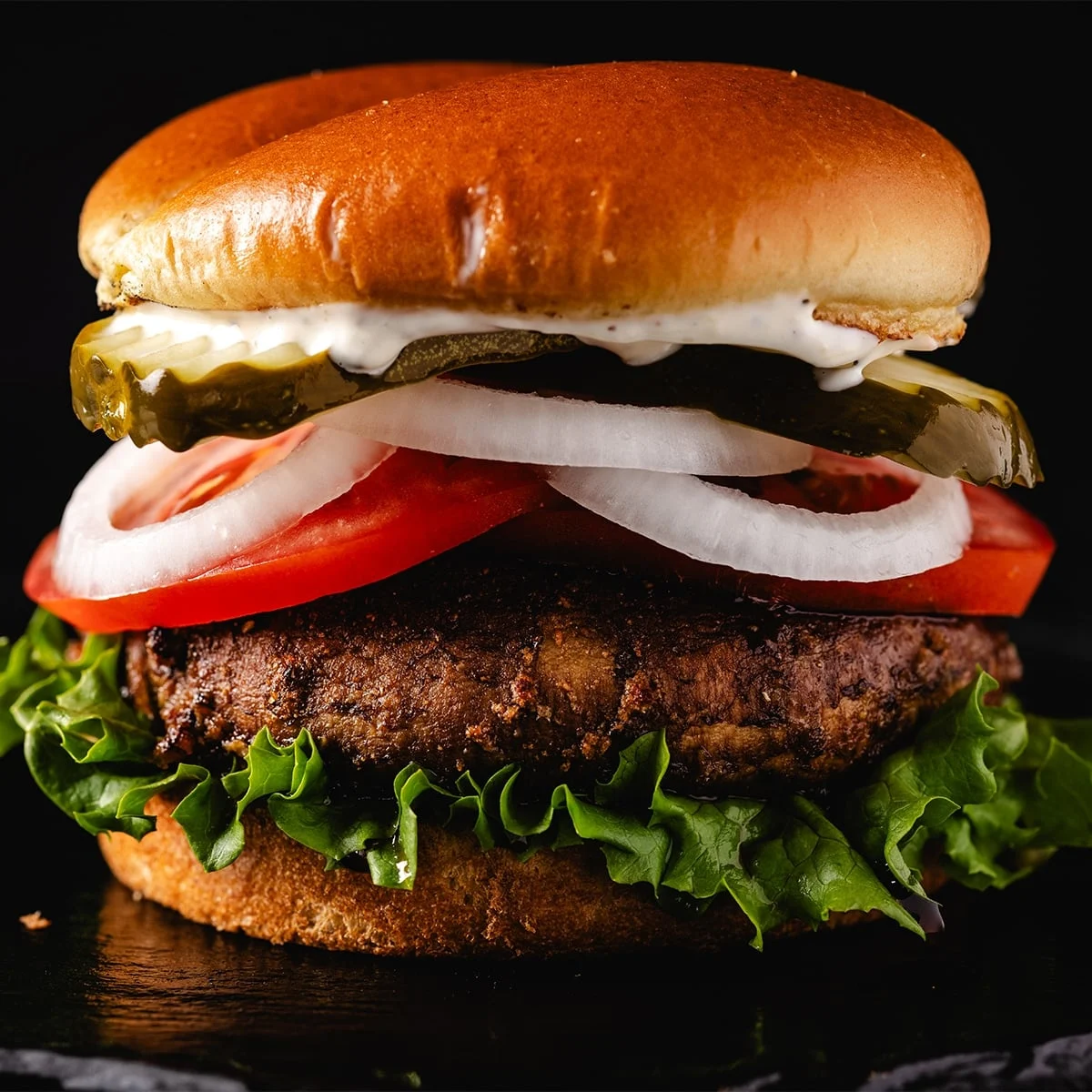
The culinary landscape of outdoor cooking is undergoing a significant transformation as pitmasters and home chefs alike integrate plant-based alternatives into traditional barbecue repertoires. While meat has historically dominated the grill, the emergence of the grilled portobello mushroom burger represents a sophisticated shift toward inclusivity and flavor-focused vegetarian options. This specific preparation, developed by barbecue expert Susie Bulloch of Hey Grill Hey, utilizes a signature beef rub and a balsamic-based marinade to elevate the Agaricus bisporus species—commonly known as the portobello—into a centerpiece that rivals traditional beef patties in both texture and umami depth. By combining high-heat charring with a bright lemon garlic aioli, this recipe addresses the growing demand for "flexitarian" options that do not sacrifice the smoky, charred profile essential to the backyard barbecue experience.
The Evolution of the Portobello in Modern Barbecue
The portobello mushroom is essentially a mature cremini mushroom, allowed to grow until the cap fully expands and the gills are exposed. This maturation process results in a loss of moisture and a concentration of flavor, creating a dense, "meaty" texture that is uniquely suited for grilling. In recent years, the market for mushrooms has seen substantial growth. According to data from the American Mushroom Institute, the value of the 2022-2023 mushroom crop in the United States was estimated at over $1 billion, driven in part by the "The Blend" initiative, which encourages consumers to substitute or mix meat with mushrooms for health and environmental reasons.
Culinary professionals note that the portobello’s porous structure makes it an ideal vessel for marinades. Unlike animal proteins, which have dense muscle fibers, the mushroom acts as a sponge, absorbing acids and fats that help it withstand the intense heat of a charcoal or pellet grill. The inclusion of a "Beef Rub" in this recipe is a strategic choice; it applies traditional barbecue flavor profiles—typically reserved for brisket or steaks—to a vegetable base, bridging the gap between traditionalist BBQ culture and modern dietary preferences.

Comprehensive Ingredient Analysis and Preparation
The success of the grilled portobello burger relies on three distinct components: the marinade, the sauce, and the assembly. Each element is designed to balance the earthy, savory notes of the mushroom with brightness and fat.
The Marinade and Rub
The primary flavor driver is a balsamic-based marinade. Balsamic vinegar provides the necessary acidity to tenderize the mushroom’s exterior while adding a hint of sweetness that caramelizes under high heat. When combined with the signature Beef Rub, which typically contains salt, cracked black pepper, garlic powder, and other savory spices, the mushroom develops a crust similar to the "bark" found on smoked meats.
The Lemon Garlic Aioli
To counter the deep, earthy tones of the grilled fungus, a lemon garlic aioli is utilized. This condiment, rooted in Mediterranean cuisine, provides a creamy texture and a sharp, citrusy finish. The acidity of the lemon cuts through the richness of the brioche bun and the fats in the aioli, ensuring the palate remains refreshed between bites.
The Structural Components
The choice of a brioche bun is significant. The high egg and butter content of brioche provides a sturdy yet soft structure that can support the moisture of a grilled mushroom without becoming soggy. Recommended toppings include traditional aromatics and greens:

- Red Onion: Provides a sharp, crunchy contrast.
- Tomato: Adds acidity and moisture.
- Leaf Lettuce: Offers a fresh, cool textural element.
Chronology of the Grilling Process
To achieve the optimal balance of a charred exterior and a tender interior, a specific chronological sequence must be followed. Failure to manage moisture and heat can result in a rubbery or overly soft mushroom.
- Preparation and Cleaning: The process begins by cleaning the portobello caps. Culinary experts recommend using a damp paper towel rather than running them under water, as mushrooms are highly absorbent. The stems are removed to allow the caps to sit flat on the grill grates.
- The Marination Phase: The caps are placed in a resealable bag with the balsamic marinade. According to the recipe guidelines, a marination period of 30 to 60 minutes is ideal. Exceeding this time can lead to the mushroom becoming overly saturated, which hinders the "charring" process on the grill.
- Grill Stabilization: The grill is preheated to high heat (approximately 400–450°F). While gas and pellet grills are viable options, charcoal is the preferred medium for this recipe. The combustion of charcoal releases organic compounds that impart a distinct smokiness, which complements the umami of the portobello.
- The Searing Stage: The mushrooms are placed on the grates, gill-side up initially, and cooked for 5–7 minutes per side. The goal is to achieve visible grill marks—a result of the Maillard reaction, where amino acids and reducing sugars react under heat to create complex flavors and browning.
- Assembly: In the final minutes of grilling, the brioche buns are toasted on the edge of the grill. The aioli is applied to both sides of the bun to create a moisture barrier, followed by the mushroom cap and the selected toppings.
Nutritional Data and Health Implications
The grilled portobello mushroom burger offers a distinct nutritional profile compared to traditional beef-based options. Based on the provided data, a single serving (one burger) contains:
- Calories: 634 kcal
- Protein: 8g
- Total Fat: 55g (with 8g of Saturated Fat)
- Carbohydrates: 30g
- Fiber: 3g
- Sodium: 1425mg
While the fat content is relatively high—primarily due to the aioli and the brioche bun—the mushroom itself is a low-calorie, nutrient-dense ingredient. Portobellos are a significant source of selenium, an antioxidant that supports immune function, and potassium, which is vital for heart health and muscle function. For those monitoring sodium intake, the 1425mg figure suggests that the rub and marinade should be used judiciously. From a dietary perspective, this burger serves as a high-energy vegetarian meal that provides the satiation typically associated with meat-centric dishes.
Professional Perspectives and Industry Impact
Susie Bulloch, the developer of the recipe and founder of Hey Grill Hey, emphasizes that this dish is not merely an "alternative" for vegetarians but a legitimate culinary choice for all barbecue enthusiasts. "This isn’t an apology to the vegetarians at your cookout," Bulloch stated. "Think of it as an amazing way to turn otherwise ordinary mushrooms into something totally delicious."

This sentiment reflects a broader trend in the BBQ industry. Organizations like the Hearth, Patio & Barbecue Association (HPBA) have noted that consumers are increasingly using their grills for a wider variety of foods beyond steaks and burgers. The "lifestyle" segment of grilling now includes heavy emphasis on vegetables, pizzas, and even desserts. The portobello burger fits into this "gourmet grilling" category, where the focus is on technique and high-quality ingredients rather than just the type of protein being used.
Industry analysts suggest that the inclusion of such recipes on major BBQ platforms helps to de-stigmatize vegetarianism within the traditionally meat-heavy culture of the American South and Midwest. By using familiar tools (charcoal, rubs, high heat), the recipe lowers the barrier to entry for meat-lovers to experiment with plant-based cooking.
Broader Implications for Communal Dining
The introduction of high-quality plant-based options like the Grilled Portobello Mushroom Burger has practical implications for social gatherings. In the past, vegetarians at barbecues were often relegated to side dishes or highly processed, frozen veggie patties. The "portobello steak" approach treats the vegetable with the same respect as a ribeye, ensuring that all guests at a gathering receive a prepared-to-order, hot meal from the grill.
Furthermore, the versatility of the portobello allows for various regional adaptations. While this recipe utilizes a lemon garlic aioli, the base mushroom can easily be adapted with Southwest flavors (chipotle and avocado) or Asian-inspired glazes (soy and ginger), making it a universal template for outdoor cooking.

In conclusion, the Grilled Portobello Mushroom Burger is more than a recipe; it is a testament to the evolving sophistication of backyard barbecue. By applying professional meat-cooking techniques—marinating, seasoning with high-quality rubs, and precision grilling—to the humble mushroom, chefs can create a meal that is environmentally conscious, nutritionally diverse, and, most importantly, capable of standing its ground on any grill grate in the world. As the BBQ community continues to grow, the integration of such dishes will likely become the standard for inclusive and gourmet outdoor dining.
