

The contemporary culinary landscape has recently seen the emergence of a minimalist yet highly effective dish: Smashed Olives with Burrata. This combination, which pairs the briny, firm texture of Castelvetrano olives with the soft, creamy interior of Italian burrata cheese, has transitioned from niche social media content to a staple in modern home dining. The dish, characterized by its assembly of high-quality, raw Mediterranean ingredients, reflects a growing consumer trend toward "assembly-based" cooking, where the focus shifts from complex preparation techniques to the sourcing and pairing of premium components.
Chronology of a Viral Culinary Trend
The rise of Smashed Olives with Burrata can be traced to early 2024, when food influencers and content creators began highlighting the accessibility of Mediterranean-inspired appetizers. The specific iteration that gained significant traction was popularized by digital culinary personalities such as the account known as Cheese Gal. By leveraging short-form video formats, these creators demonstrated the technique of "smashing"—manually crushing olives to release their oils and increase surface area for seasoning—which serves as the foundational element of the dish.
Following its initial viral exposure, the recipe began to appear in established food blogs and digital publications throughout the spring and early summer. As home cooks sought efficient, low-heat preparation methods to combat rising seasonal temperatures, the "no-cook" nature of the appetizer gained widespread appeal. By June 2024, the dish had secured a permanent place in the rotation of various meal-planning platforms, with enthusiasts citing its versatility as a primary factor for its sustained popularity.
The Science of Pairing: Mediterranean Ingredients
The success of this dish is rooted in the structural properties of its components. Castelvetrano olives, harvested in Sicily, are prized for their mild, buttery flavor profile and bright green appearance. Unlike cured, salt-heavy varieties, these olives possess a texture that allows them to be physically fractured without disintegrating. When "smashed," the olives release internal brine, which, when combined with high-quality extra virgin olive oil, lemon zest, and fresh herbs, creates a natural vinaigrette.
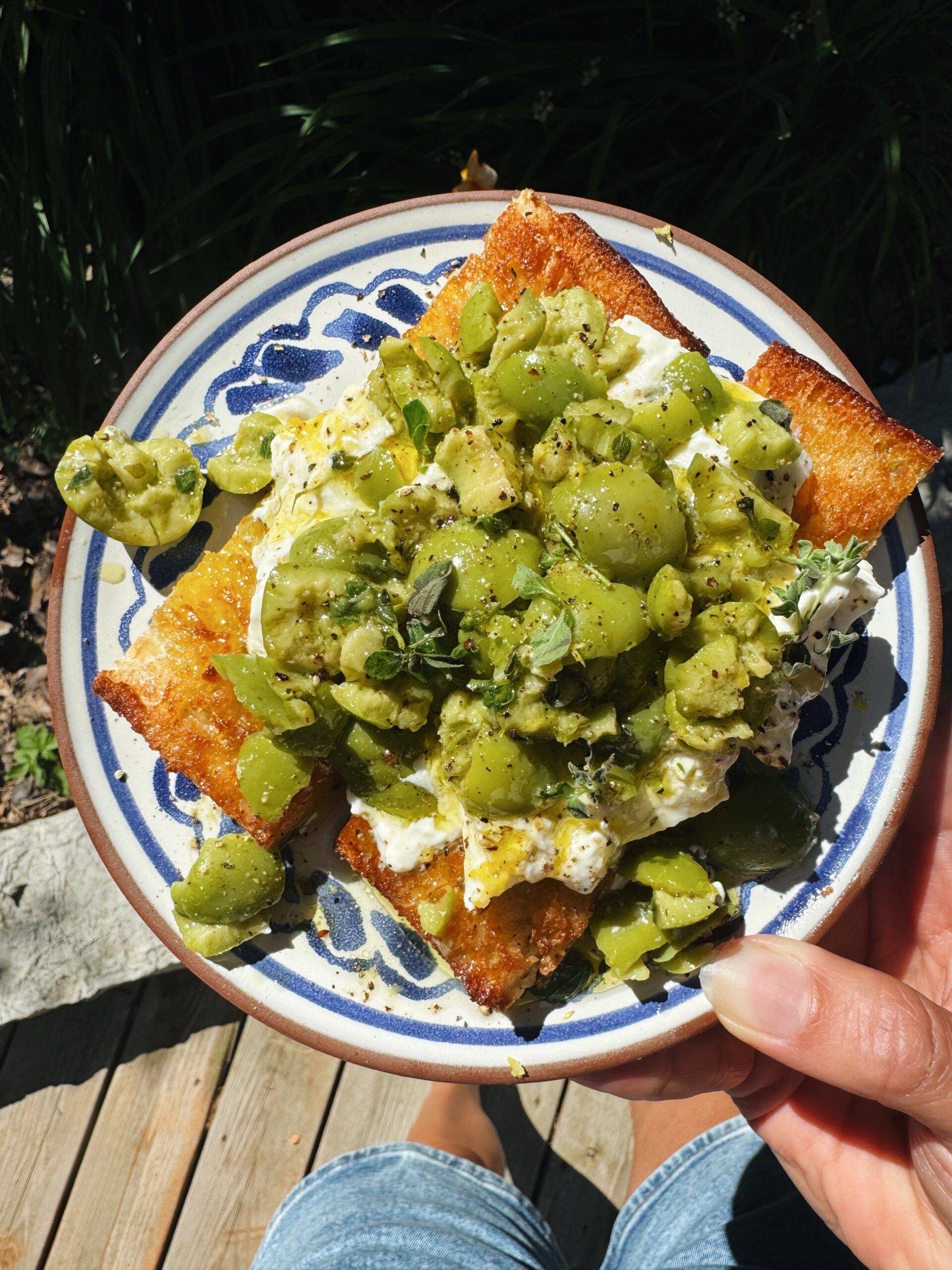
Burrata, a fresh Italian cheese made from mozzarella and cream, provides the necessary lipid content to balance the acidity of the olives and lemon. From a sensory perspective, the contrast between the firm, fibrous skin of the olive and the viscous, molten center of the burrata creates a complex mouthfeel. The addition of fried or toasted sourdough bread introduces a structural "vehicle" for the cheese, completing a trifecta of texture: crunchy, creamy, and succulent.
Economic and Dietary Implications
Market data indicates a notable increase in the retail demand for specialty olives and imported soft cheeses during the 2024 summer season. Retailers have noted that consumers are increasingly seeking out "snackable" meals—often colloquially referred to as "Girl Lunch" in social media parlance—that do not require traditional kitchen appliances. This shift reflects a broader sociological trend toward autonomy in diet, where individuals favor smaller, ingredient-focused meals over structured, multi-course dining experiences.
The economic implications are significant for artisanal producers. As the popularity of high-end, ingredient-forward appetizers grows, there is a corresponding demand for premium olive oil and specialty dairy products. Analysts suggest that this trend benefits smaller-scale importers and local markets, as consumers are more likely to seek out authentic Castelvetrano olives and fresh, locally sourced burrata rather than mass-market substitutes.
The Role of Digital Media in Culinary Evolution
The rapid dissemination of this recipe highlights the influence of visual-first platforms on modern gastronomic habits. Traditional culinary education, once dominated by textbooks and television programming, has been supplanted by decentralized digital networks. In this ecosystem, recipes are validated not by institutional experts, but by community engagement metrics, such as shares, saves, and "remixes" of the original content.
Industry experts note that the success of Smashed Olives with Burrata is largely attributed to its "low barrier to entry." With only a handful of ingredients—olives, burrata, lemon, herbs, and bread—the dish avoids the intimidation factor often associated with gourmet appetizers. Furthermore, the inclusion of fresh herbs like oregano or basil allows for regional customization, empowering the home cook to exercise creative agency within a proven framework.

Professional Perspectives and Culinary Adaptation
Professional chefs have observed that while the dish appears simplistic, the quality of the final product is entirely dependent on the integrity of the ingredients. In a professional kitchen setting, the "smashing" technique is often employed to incorporate olives into pasta sauces or tapenades, but presenting the fruit in its smashed state as a primary appetizer component is a departure from traditional plating standards.
"The beauty of this dish is its honesty," says one culinary consultant specializing in Mediterranean foodways. "You are not hiding the ingredients behind sauces or complex heat applications. When you serve high-quality burrata and properly treated olives, the dish succeeds because the components are allowed to stand on their own. It is an exercise in restraint."
Future Trends in Home Dining
As the industry moves into the latter half of the year, the impact of the "smashed olive" trend is expected to influence broader menu development. Casual dining establishments are beginning to incorporate similar "composed" appetizers, focusing on textures and raw ingredient pairings rather than processed components.
The longevity of this trend remains to be seen, though analysts suggest that the emphasis on "assembly-based" eating is not merely a passing fad. As work-life balances continue to evolve, the demand for high-quality, quick-prep meals that satisfy both nutritional and sensory requirements will likely remain a priority for the average consumer. The success of the Smashed Olives with Burrata dish serves as a case study for how digital communities can reshape grocery consumption patterns and home cooking behaviors.
Conclusion
The evolution of the Smashed Olives with Burrata phenomenon from a viral social media moment to a common household occurrence highlights a significant shift in consumer preferences. By favoring high-quality, raw ingredients and minimal preparation, this dish exemplifies the current movement toward efficient, sensory-rich home dining. Whether it remains a staple of the summer season or evolves into a year-round classic, the dish underscores the power of simple, well-paired ingredients to capture the collective imagination of the culinary public. As the market continues to prioritize convenience without sacrificing quality, the appetite for such straightforward, high-impact culinary experiences is expected to grow, continuing to influence both home kitchens and the broader food industry.
