
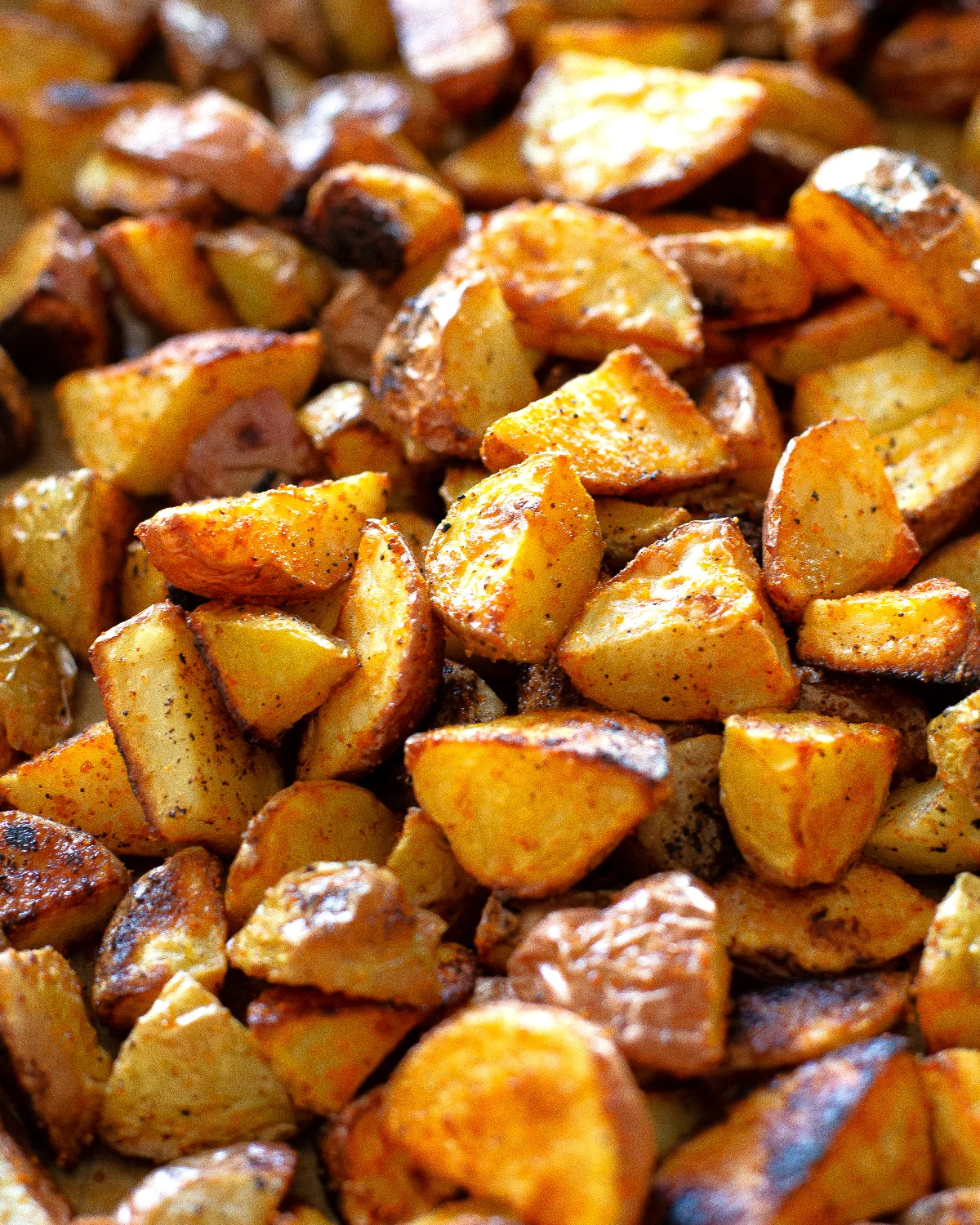
The pursuit of the perfect roasted potato, a dish often relegated to the humble role of a side, is a culinary quest that yields universally satisfying results. This article delves into the art and science behind achieving consistently golden, crispy exteriors and tender, fluffy interiors, transforming a simple tuber into a star of any dining table. Drawing from established culinary techniques and insights from experienced home cooks, we explore the key factors that elevate roasted potatoes from ordinary to extraordinary.
The Appeal of the Humble Potato
Potatoes, a staple crop cultivated for millennia, have a rich history that spans continents and cultures. Originating in the Andes region of South America, they were introduced to Europe in the 16th century and have since become a global food phenomenon. Their versatility, affordability, and nutritional value – providing carbohydrates, potassium, and Vitamin C – have cemented their status as a dietary cornerstone. While often prepared in myriad ways, from mashing to frying, roasting offers a unique textural and flavor profile, characterized by the Maillard reaction, which creates those coveted caramelized edges.
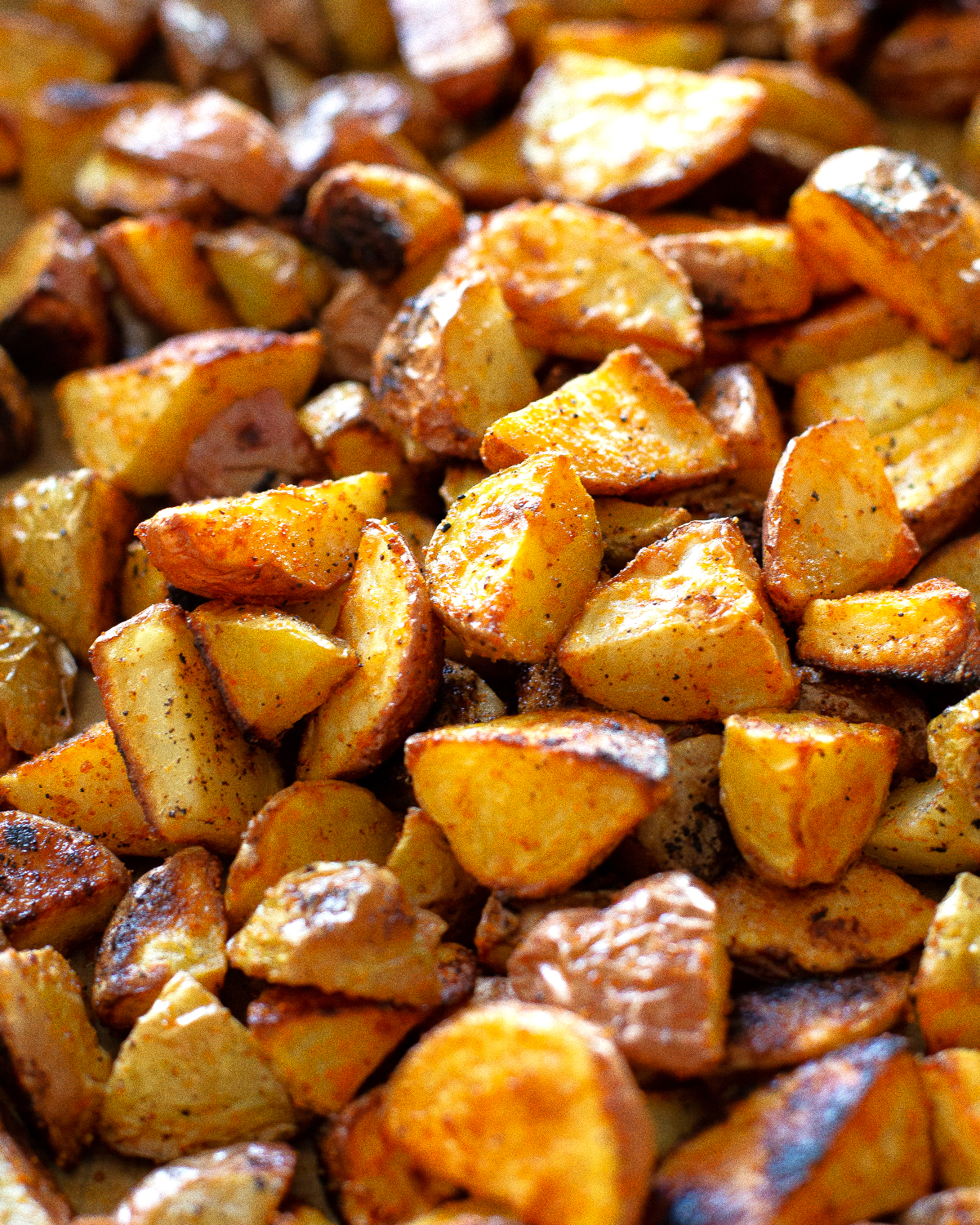
The appeal of a well-executed roasted potato lies in its delightful contrast: the satisfying crunch of the exterior gives way to a soft, yielding interior. This textural interplay, combined with the inherent sweetness of the potato enhanced by roasting, makes it an ideal accompaniment to a wide range of main courses, from succulent roasts and grilled meats to lighter vegetarian dishes and hearty stews.
Unlocking the Secrets to Crispy Perfection
Achieving the coveted crispiness in roasted potatoes is not a matter of chance but the result of understanding and applying specific culinary principles. Several key factors contribute to this success, each playing a crucial role in the transformation of raw potatoes into a delightful side dish.
1. Strategic Pan Management: Avoiding the Soggy Pitfall
A fundamental rule in roasting vegetables, including potatoes, is to avoid overcrowding the pan. This principle is directly linked to moisture management. When potatoes are packed too tightly, they steam rather than roast. The trapped steam prevents the development of a crisp exterior and can lead to a mushy texture. A standard sheet pan, typically accommodating around two pounds of potatoes, provides ample space for each piece to be exposed to the hot oven air. Ensuring potatoes are arranged in a single, even layer, with a small amount of space between them, allows for optimal heat circulation, promoting even browning and crisping. This practice is essential for achieving the desired texture and preventing the dreaded "soggy potato."
2. The Importance of Uniform Size: Consistency is Key
The size and shape of potato pieces significantly impact their cooking time and final texture. For optimal roasting, potatoes should be cut into uniform chunks, ideally between 3/4 inch and 1 inch in size. Smaller, consistent pieces offer a greater surface area relative to their volume, allowing them to crisp up more effectively. Larger pieces may require a longer cooking time, increasing the risk of the exterior becoming too browned or even burnt before the interior is cooked through. Uniformity in size also ensures that all pieces cook at a similar rate, leading to a more consistent and pleasing result.
3. The Parchment Paper Advantage: A Non-Stick Surface for Superior Crispness
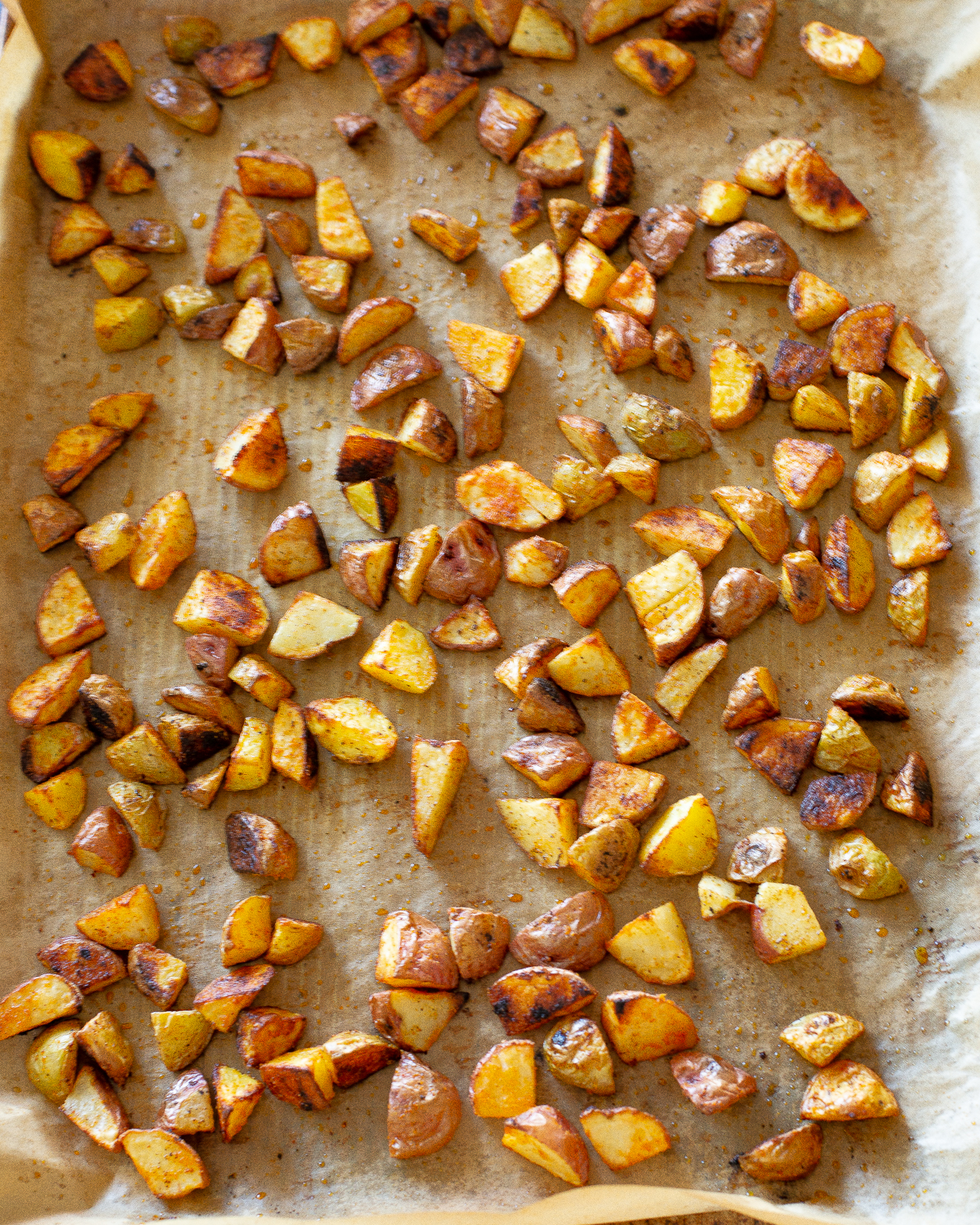
The use of parchment paper on the baking sheet is a technique that significantly enhances the roasting process. Parchment paper creates a non-stick surface, preventing potatoes from adhering to the pan, which can tear the delicate crispy exterior. More importantly, parchment paper helps to absorb excess moisture released by the potatoes during cooking. This moisture absorption is critical for achieving that desirable crispness. By facilitating easy release and aiding in moisture control, parchment paper acts as a secret weapon for consistently crispy roasted potatoes.
4. Harnessing the Power of High Heat: The Foundation of Golden Brown
Roasting, by its very nature, relies on high temperatures to achieve its signature browning and caramelization. For potatoes, a high oven temperature is essential to mimic the effect of frying, creating a golden-brown, crispy exterior while ensuring the interior remains tender and fluffy. A temperature range of 400-425°F (200-220°C) is generally recommended. This intense heat accelerates the Maillard reaction on the potato’s surface and promotes the evaporation of moisture, leading to the desired crispy texture.
Potato Varieties: Choosing the Right Foundation
The choice of potato variety plays a role in the final outcome of roasted potatoes. Different types possess varying starch and moisture content, which influence their texture when roasted.
- Yukon Gold Potatoes: These are a popular choice for roasting due to their balanced starch and moisture content, resulting in a creamy interior and a slightly waxy texture that holds its shape well. Their thin skins do not typically require peeling, adding to their convenience.
- Russet Potatoes: Known for their high starch content, Russets are excellent for achieving a fluffy, almost mealy interior when roasted. Their skins crisp up beautifully, offering a delightful textural contrast.
- Red Potatoes: Red potatoes have a lower starch content and a slightly firmer texture. They hold their shape well and offer a good balance of crispness and tenderness. Their skins are also edible and contribute to the overall flavor profile.
While specific preferences may vary, these varieties are consistently recommended for their suitability to the roasting method, offering a solid foundation for achieving delicious results.
Preparation and Cooking: A Step-by-Step Guide
The process of preparing and roasting potatoes is straightforward, requiring attention to detail at each stage.
- Preheating the Oven: Begin by preheating your oven to the recommended high temperature, typically between 400°F and 425°F (200°C and 220°C).
- Potato Preparation: Wash and scrub the potatoes thoroughly. Depending on the variety and personal preference, you may choose to peel them. Cut the potatoes into uniform chunks, aiming for 3/4 inch to 1 inch in size.
- Seasoning: In a large bowl, toss the potato pieces with olive oil or another high-heat cooking oil. Ensure each piece is lightly coated. Season generously with salt, black pepper, and any desired herbs or spices. Common additions include garlic powder, paprika, rosemary, or thyme.
- Arranging on the Baking Sheet: Line a baking sheet with parchment paper. Spread the seasoned potatoes in a single layer on the prepared baking sheet, ensuring there is space between each piece.
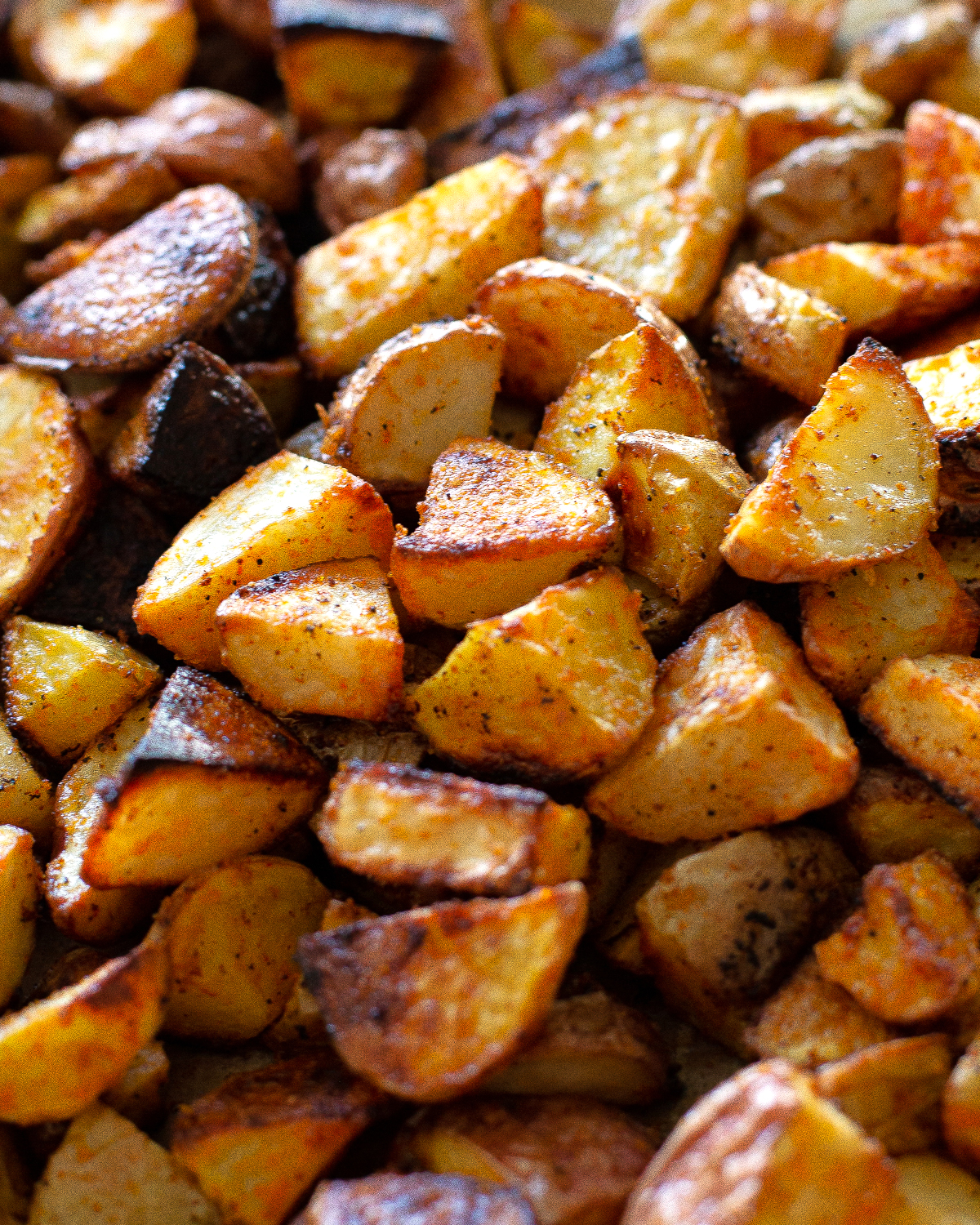
- Roasting: Place the baking sheet in the preheated oven. Roast for approximately 20-30 minutes, or until the potatoes are tender when pierced with a fork and have developed a golden-brown, crispy exterior. The exact cooking time will vary depending on the size of the potato chunks and the oven temperature.
- Flipping (Optional but Recommended): For even browning, you may choose to flip the potatoes halfway through the roasting time. This ensures all sides are exposed to the direct heat of the oven.
- Serving: Once perfectly roasted, remove the potatoes from the oven. Serve immediately as a delectable side dish.
The Art of Make-Ahead and Reheating
The convenience of roasted potatoes extends to their make-ahead potential. Cooked roasted potatoes can be stored in an airtight container in the refrigerator for up to three to four days. To revive their crispness, reheat them in a single layer on a baking sheet in a preheated oven at around 375°F (190°C) for 5-10 minutes, or until they regain their desired texture. This makes them an ideal option for meal prepping or for busy weeknights when a quick, satisfying side is needed.
Broader Implications: Culinary Staples and Family Traditions
The enduring popularity of roasted potatoes speaks to their role as a culinary staple and their ability to foster family traditions. The simple act of preparing and sharing a meal, with dishes like these perfectly roasted potatoes at its center, can create cherished memories. The article’s narrative touches on personal anecdotes of enjoying these potatoes, highlighting how even seemingly simple foods can hold significant sentimental value and become integral parts of family rituals, such as Friday night dinners. This underscores the broader impact of accessible, delicious, and comforting food on family life and cultural practices. The ability to recreate restaurant-quality results at home, through understanding and applying fundamental cooking techniques, empowers home cooks and contributes to the overall enjoyment of everyday meals.
