
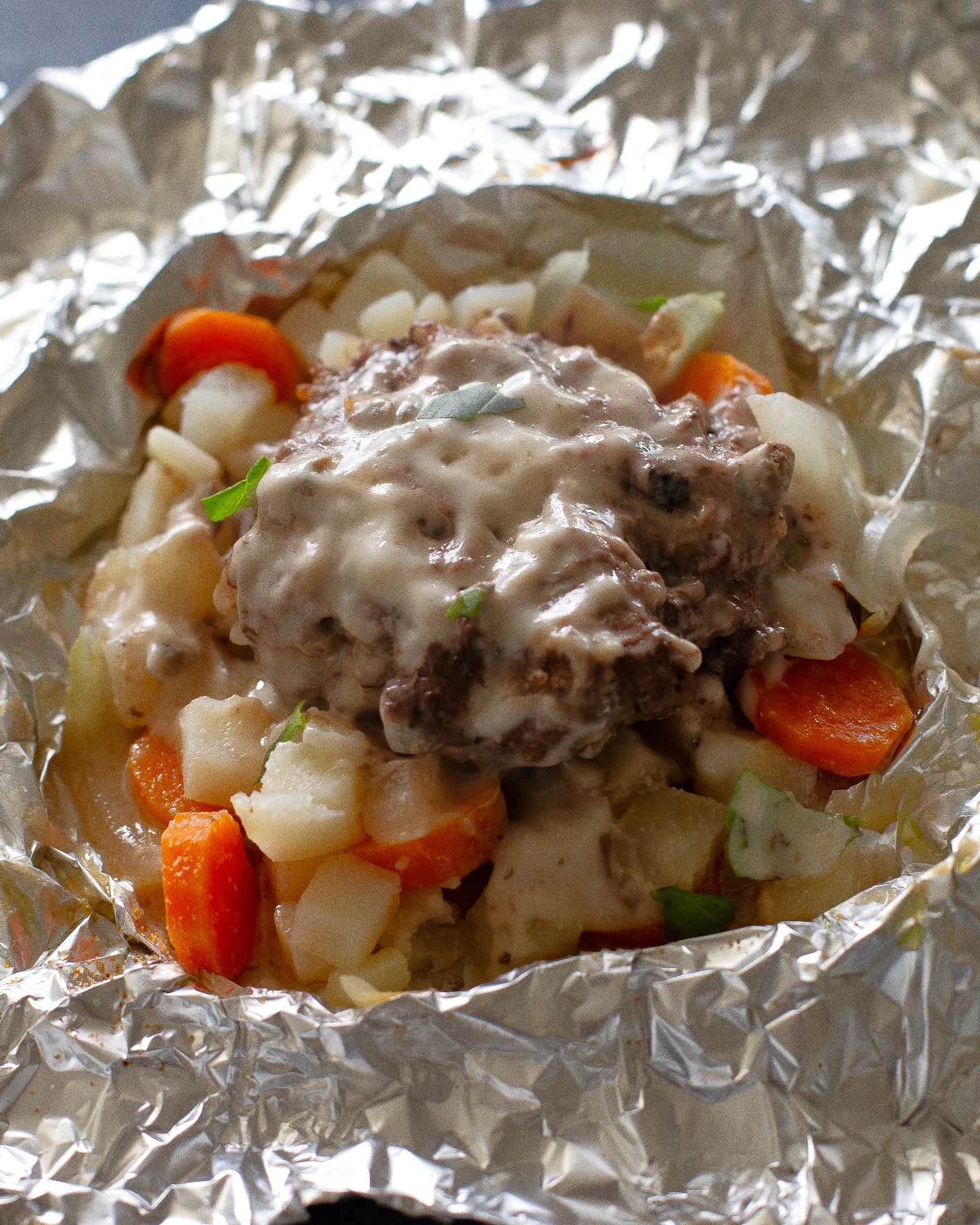
Easy Tin Foil Dinners, often affectionately known as "Hobo" dinners, represent a quintessential and enduring element of outdoor culinary tradition, particularly within the realm of camping. These self-contained, foil-wrapped meals have earned their reputation as a reliable and satisfying option for adventurers seeking a hearty and uncomplicated dining experience amidst nature. The inherent simplicity and robustness of this preparation method have cemented its place as a beloved choice for generations of campers.
The genesis of these foil packet meals, while not precisely documented to a singular inventor or date, likely emerged from the practical needs of early campers and outdoorsmen. The ability to prepare a complete meal using readily available ingredients, minimal cookware, and the heat of a campfire or embers, made them an ideal solution. The term "Hobo dinner" itself evokes a sense of resourceful and itinerant cooking, suggesting a meal born out of necessity and ingenuity, easily prepared with basic provisions. Historically, travelers and laborers often relied on such simple, portable, and affordable meal preparations. The core components—typically a protein, starchy vegetable, and aromatic vegetables—provided a balanced and filling meal that could be cooked directly in the earth or over a fire, a practice seen across various cultures and time periods.
The appeal of tin foil dinners lies in their inherent adaptability and ease of preparation, especially for outdoor excursions. Unlike more complex recipes that require precise temperature control and multiple cooking vessels, these meals are designed for convenience. The heavy-duty aluminum foil acts as both a cooking container and a serving dish, significantly reducing cleanup. This feature is particularly valuable when camping, where access to running water and specialized kitchen tools may be limited. The sealed nature of the foil packet also helps to retain moisture and steam, ensuring that the ingredients cook evenly and remain tender. This method allows for a hands-off cooking process, freeing up campers to engage in other activities.
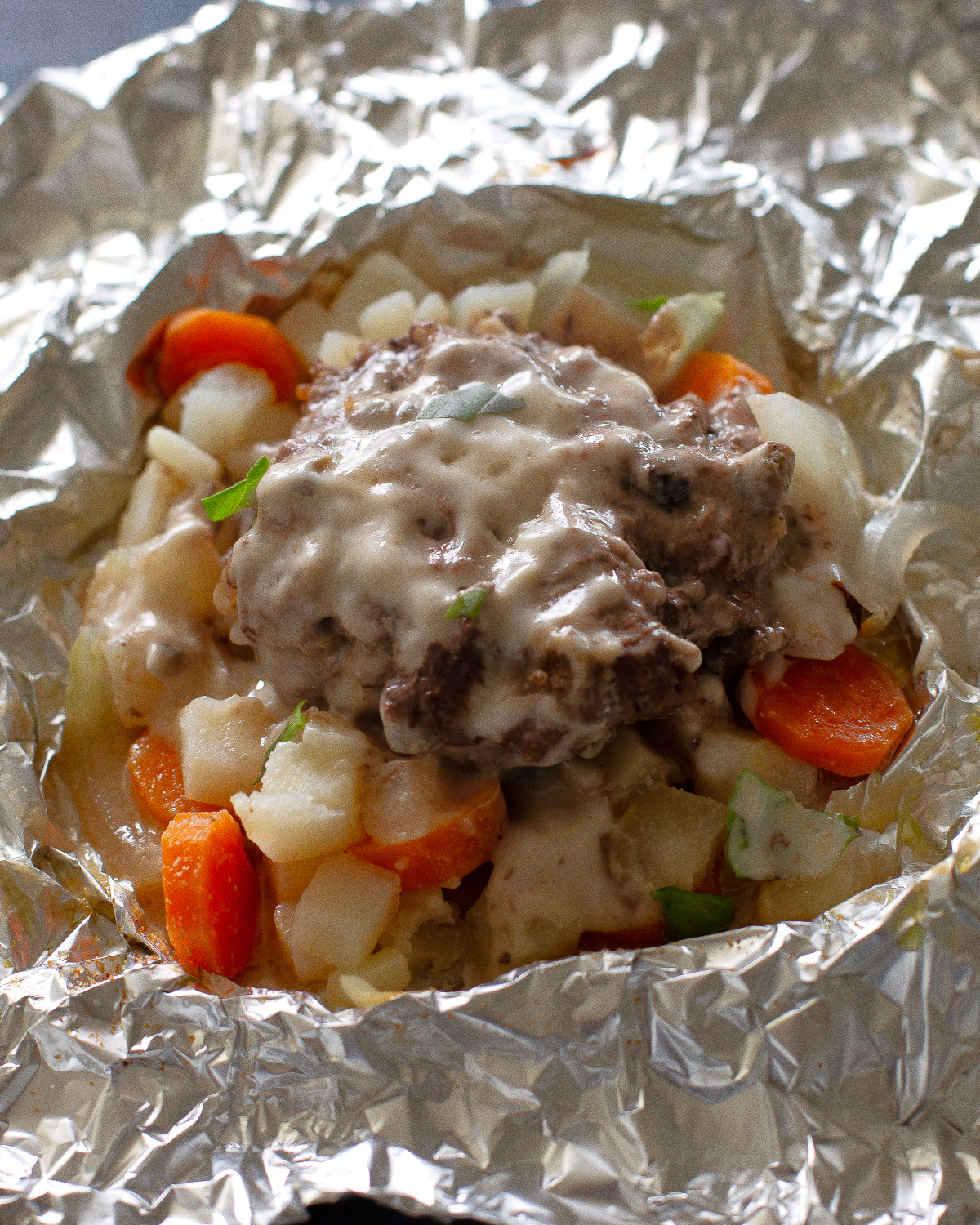
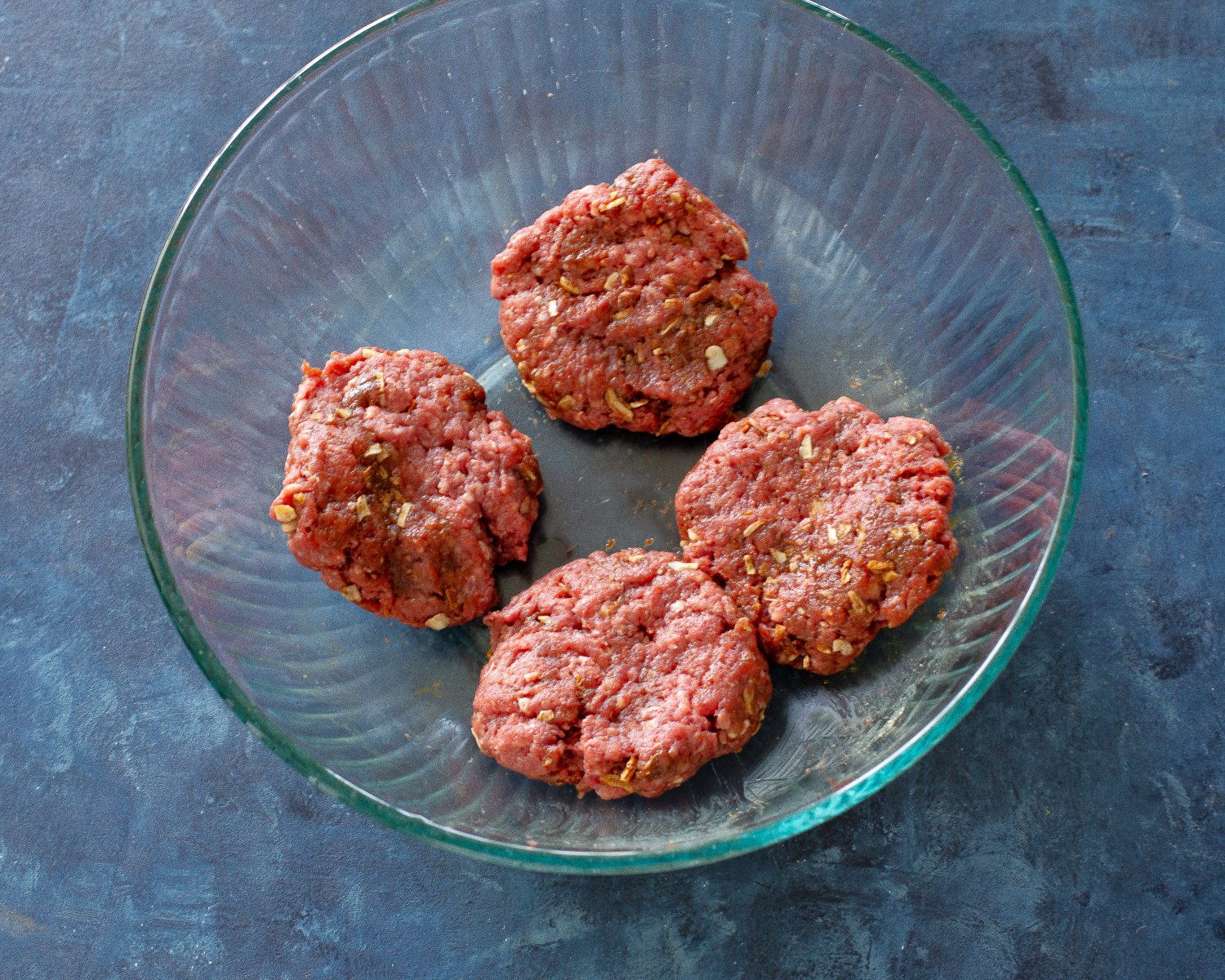
A common iteration of the tin foil dinner, as highlighted in contemporary culinary discussions, often features a combination of ground beef patties, sliced potatoes, onions, and carrots, bound together with a creamy element, such as cream of mushroom soup. This specific combination offers a robust flavor profile and a satisfying texture. The beef provides protein, while the potatoes and carrots contribute carbohydrates and essential vitamins, and the onions add depth of flavor. The cream of mushroom soup acts as a binder and a source of moisture, preventing the ingredients from drying out during the cooking process and imparting a rich, savory sauce.
The preparation of these meals can be done in advance, a strategy that significantly streamlines the camping experience. Many individuals and families opt to assemble the individual foil packets at home, often making a large batch to freeze. This foresight ensures that a ready-to-cook meal is available upon arrival at the campsite, minimizing the effort required after a potentially long journey or the setup of camping gear. Frozen packets can be safely transported in a cooler and will thaw gradually throughout the day, ready for cooking in the evening. This forward-thinking approach transforms a potentially time-consuming meal preparation into a simple and efficient process, allowing for more leisure time to enjoy the natural surroundings.
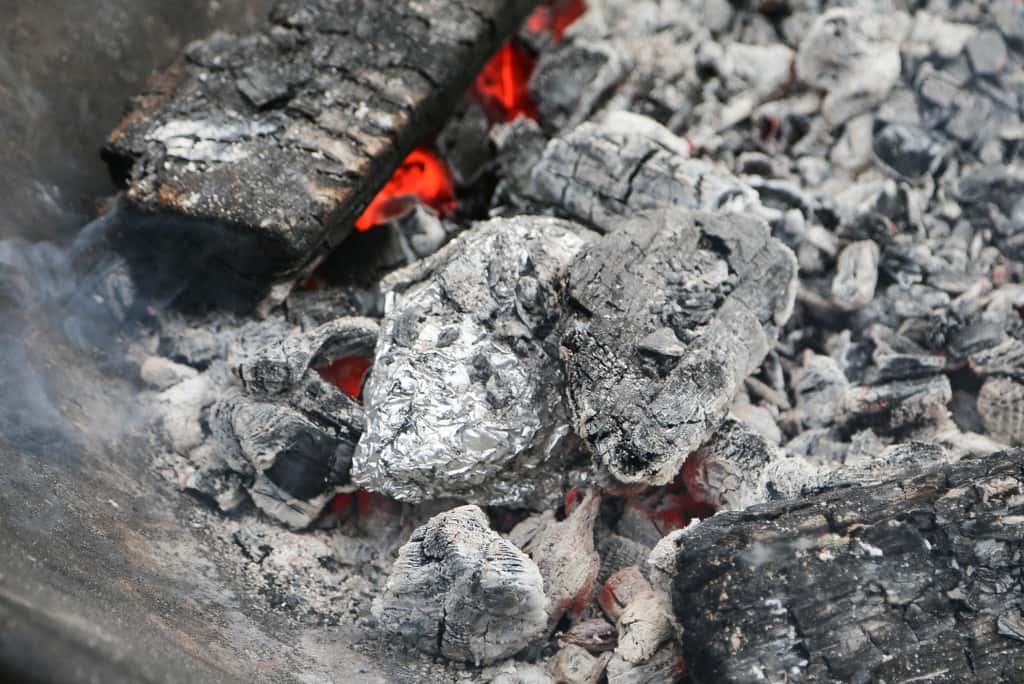
Cooking these tin foil dinners is best achieved by placing them directly on hot coals or embers from a campfire, rather than an open flame. This method provides a more consistent and controllable heat source, crucial for even cooking. The duration of cooking can vary, typically ranging from 45 to 90 minutes, depending on the size and thickness of the ingredients, particularly the beef patties and the density of the vegetables. It is generally advised to err on the side of overcooking slightly to ensure that the meat is thoroughly cooked and the vegetables are tender. The sealed nature of the foil packet also makes it difficult to overcook to the point of burning, provided the heat is managed appropriately. For those without access to a campfire, these meals can also be successfully prepared in a conventional oven, typically at 350 degrees Fahrenheit (175 degrees Celsius) for approximately 45 minutes.
The aesthetic of tin foil dinners is often described as rustic and unpretentious, a characteristic that aligns with the overall ethos of camping. While they may not be visually elaborate, their culinary appeal lies in their hearty and comforting nature. This lack of emphasis on presentation underscores the functional and satisfying aspect of the meal. The experience of unwrapping a steaming hot foil packet at a campsite, with the aroma of cooked beef and vegetables wafting through the air, is an integral part of the camping ritual for many. It evokes a sense of communal dining and shared enjoyment of simple pleasures.
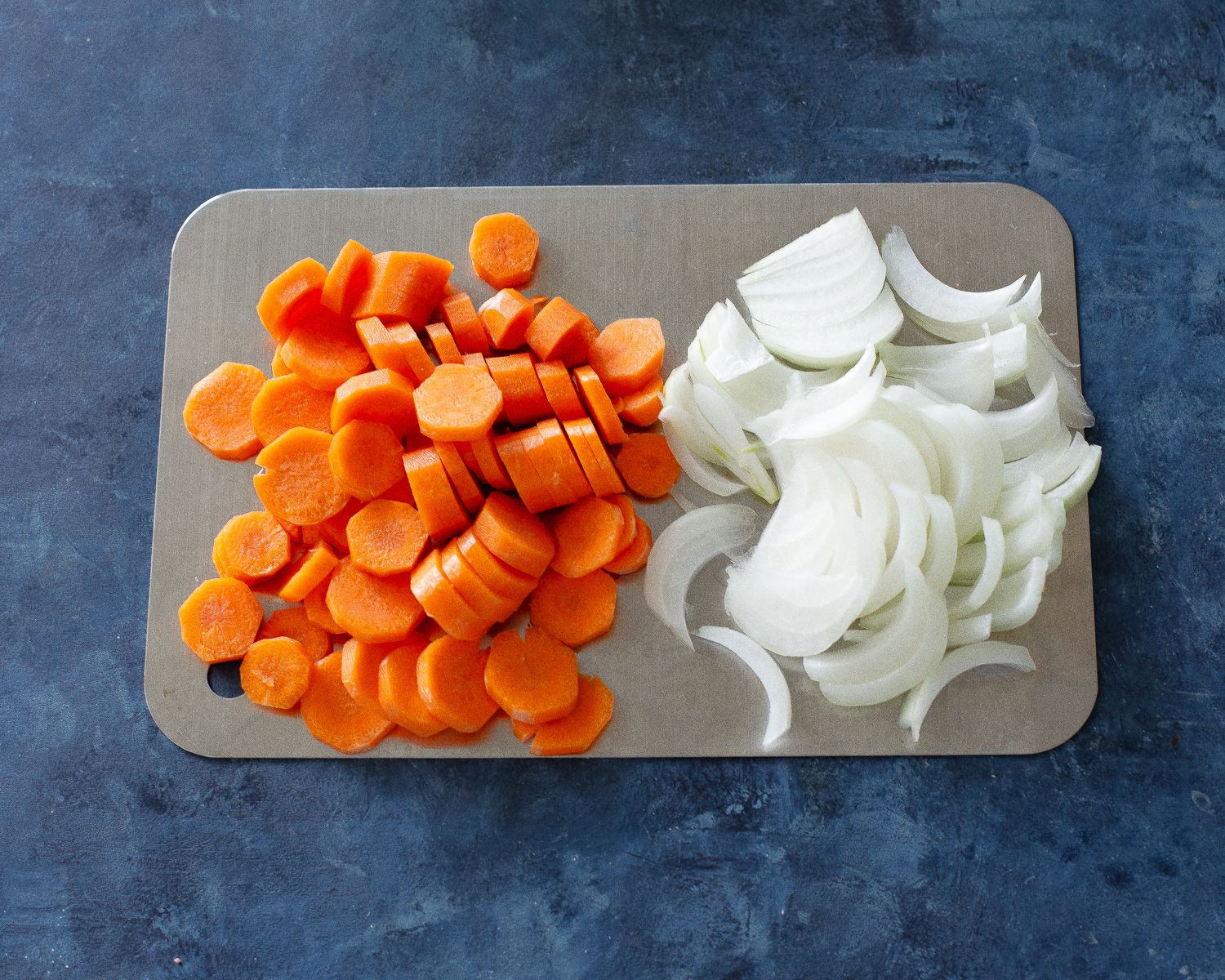
The popularity of these foil packet meals is further supported by their versatility. While the classic combination of beef, potatoes, onions, and carrots is widely favored, the ingredients can be easily adapted to individual preferences and dietary needs. Other common additions include bell peppers, mushrooms, corn, or even small sausages. The type of protein can also be varied, with chicken or fish being viable alternatives, though cooking times would need to be adjusted accordingly. This flexibility makes the tin foil dinner a highly adaptable meal solution for diverse tastes and occasions within an outdoor setting.
The broader context of outdoor recreation and the growing interest in simple, home-style cooking further contribute to the enduring appeal of tin foil dinners. As more individuals seek opportunities to connect with nature and engage in activities like camping, hiking, and backpacking, the demand for practical and enjoyable meal solutions increases. These dinners align perfectly with the desire for uncomplicated, yet satisfying, sustenance that complements the outdoor experience. They represent a tangible link to traditional camping practices, offering a sense of nostalgia and continuity for those who grew up with them or are seeking to recreate those experiences.
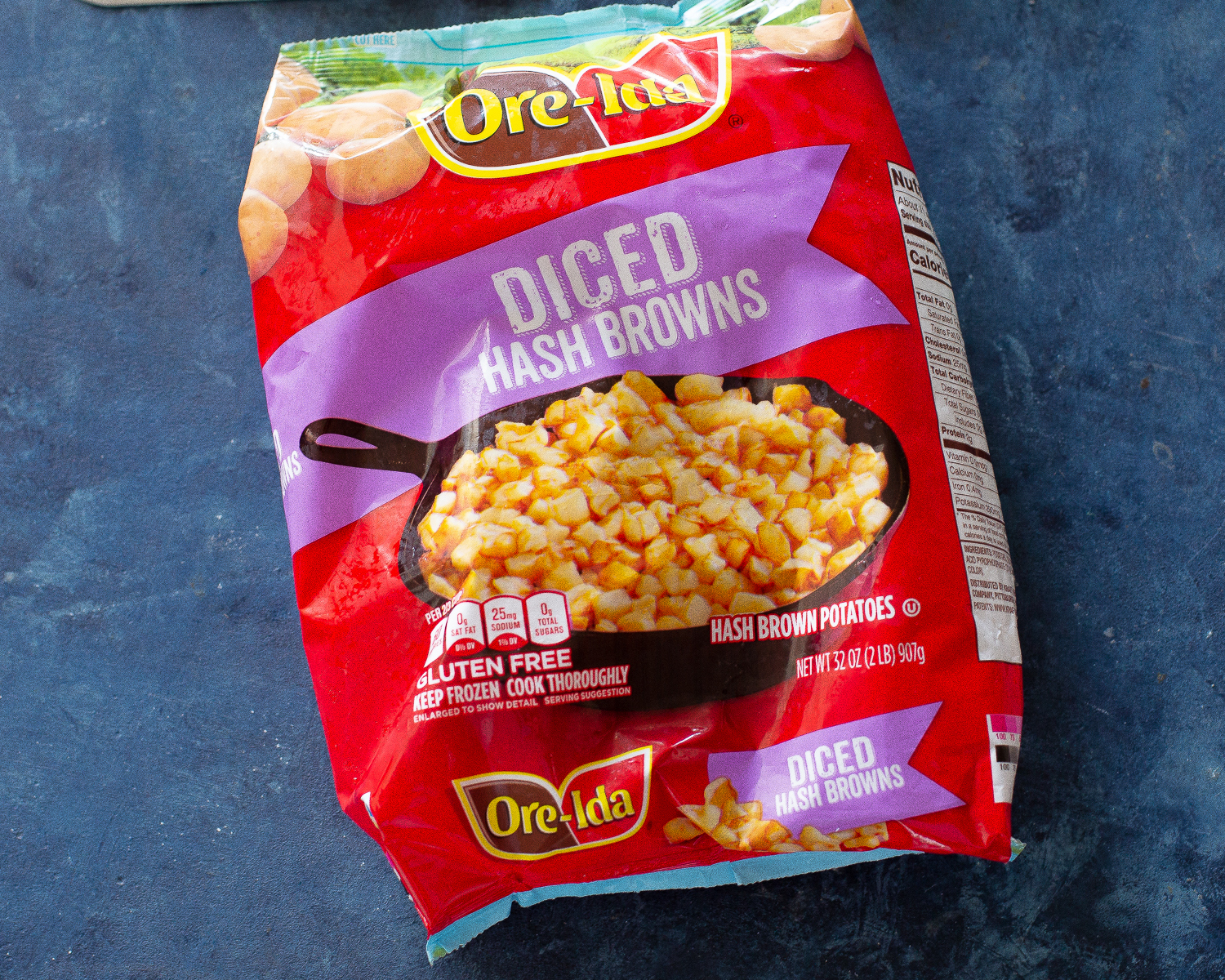
In conclusion, Easy Tin Foil Dinners, or Hobo dinners, are more than just a meal; they are a symbol of efficient, hearty, and satisfying outdoor dining. Their enduring popularity stems from their simplicity, adaptability, and the comforting, nostalgic experience they provide. Whether prepared over a crackling campfire or in the convenience of a home oven, these foil-wrapped parcels continue to be a cherished staple for campers and outdoor enthusiasts seeking a delicious and uncomplicated culinary adventure. The practice of preparing these meals ahead of time and freezing them for transport further enhances their appeal, making them a practical and beloved choice for any outdoor excursion.
