
The Nutritional Composition of Energy Bites
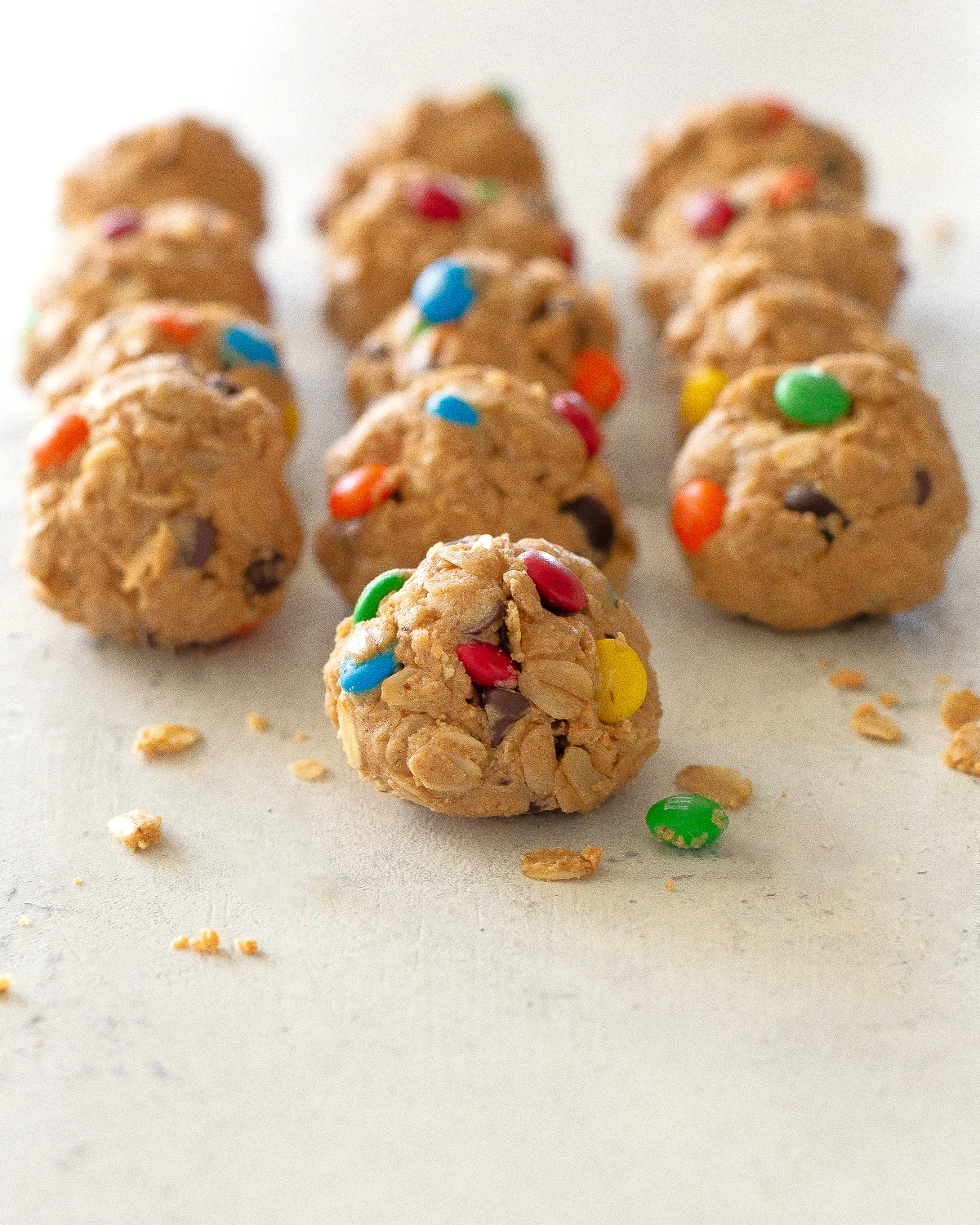
The fundamental architecture of a Monster Protein Ball relies on a combination of macronutrients designed to provide sustained energy release. The primary ingredients—peanut butter, rolled oats, honey, and protein powder—function in synergy to address post-school or post-workout hunger.
Peanut butter serves as the primary lipid source, providing monounsaturated fats and essential plant-based protein. When paired with the complex carbohydrates found in rolled oats, the mixture facilitates a more stable blood glucose response compared to simple refined sugars. The inclusion of protein powder—typically a whey or plant-based isolate—enhances the satiety factor of the snack, making it a functional food rather than a mere indulgence. The addition of mini chocolate chips and M&Ms, while contributing to the "Monster" flavor profile, provides a quick source of glucose, which can be beneficial for cognitive replenishment after long academic sessions.
Historical Context and the Evolution of Home-Prepared Snacks
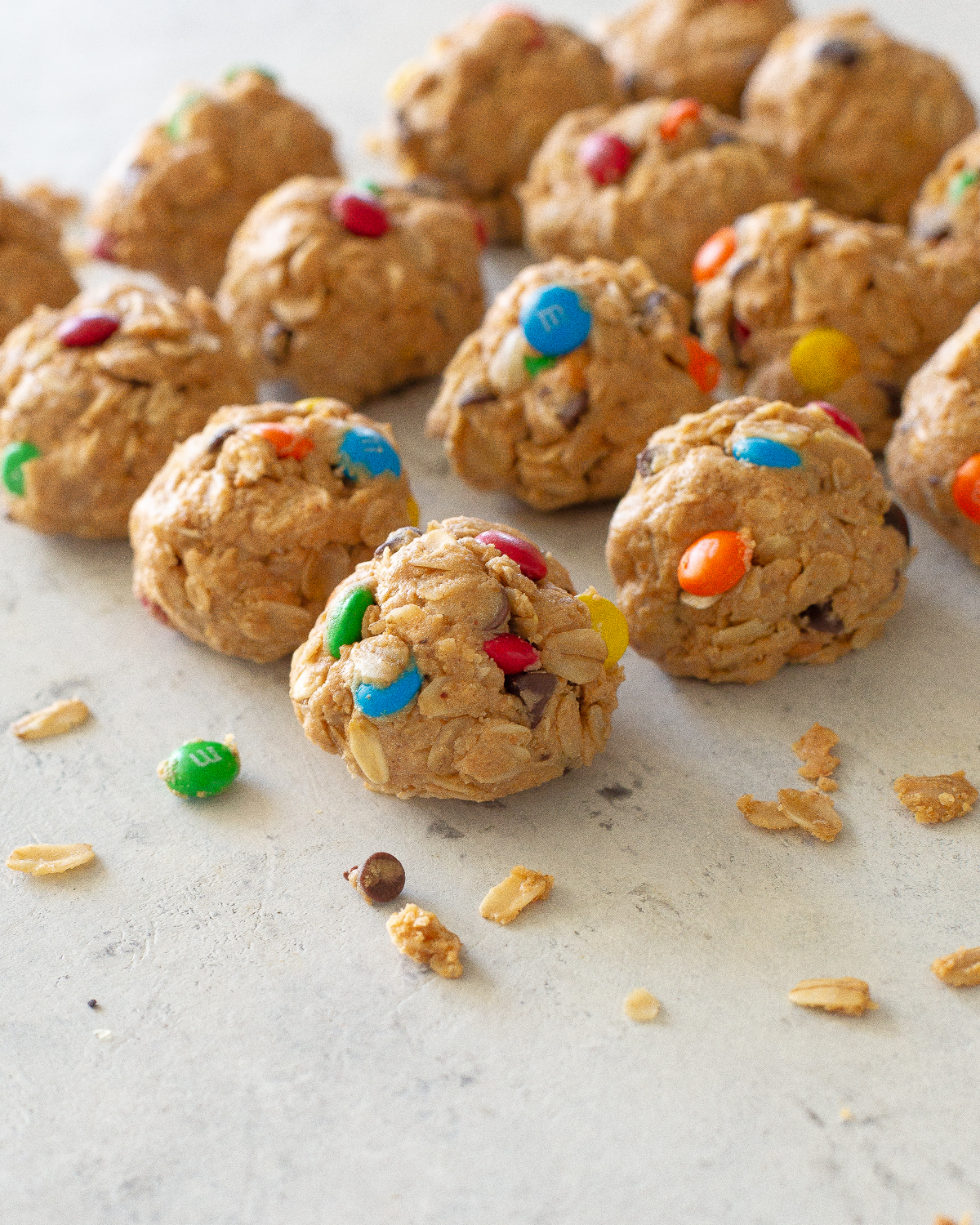
The trend toward "energy bites" or "no-bake power balls" gained significant traction in the early 2010s as a response to the growing consumer demand for "clean label" snacks. Prior to this, the market was dominated by pre-packaged granola bars that often contained high-fructose corn syrup, artificial preservatives, and hydrogenated oils.
The rise of the "do-it-yourself" snack movement was further accelerated by the accessibility of protein supplements, which transitioned from specialized fitness gear to standard kitchen staples. By replacing complex ingredients like Chia seeds—often cited in original energy bite iterations—with more ubiquitous pantry items like oats and honey, the modern "Monster" variation represents a shift toward pragmatism in home cooking. This evolution reflects a broader trend in culinary journalism and food science: the democratization of high-performance nutrition.
Chronology of Preparation and Implementation
Effective meal prep remains a critical factor in the adoption of these snacks. Unlike traditional baked goods that require precise temperature control and extended cooking times, these bites utilize a "mix and chill" methodology. The typical preparation chronology follows a three-stage process:
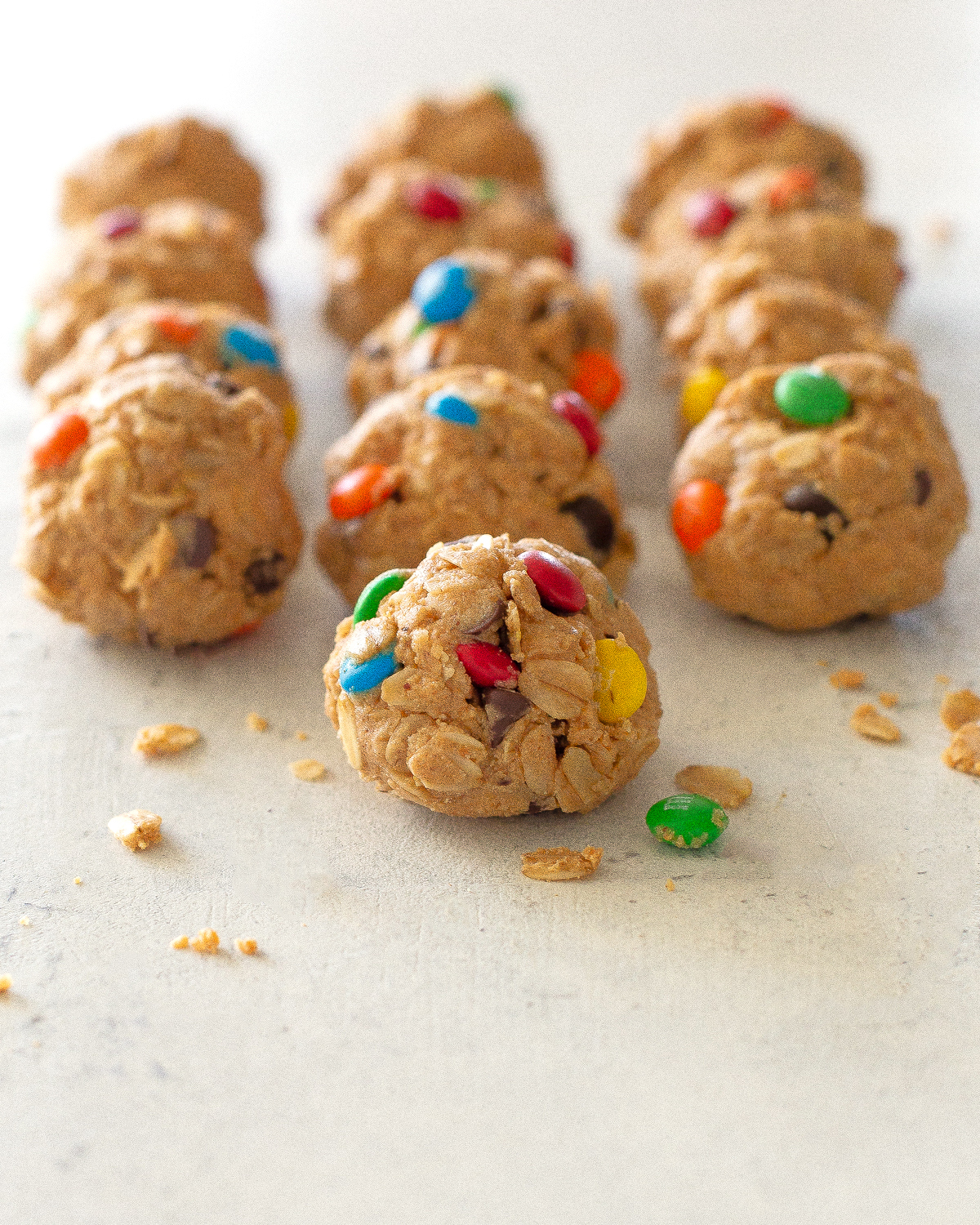
- The Binding Phase: Ingredients are aggregated in a single vessel. The viscosity of the peanut butter and the tackiness of the honey act as the primary binding agents, ensuring structural integrity without the need for thermal processing.
- The Tempering Phase: Once combined, the mixture is typically refrigerated. This allows the oats to absorb moisture from the honey and peanut butter, softening their texture and ensuring the final product maintains a uniform consistency.
- The Storage Phase: Once portioned, the snacks can be maintained in refrigerated conditions for up to two weeks or in frozen storage for up to three months. This long-term storage capability aligns with the logistics of family meal planning, allowing for bulk preparation that lasts throughout a academic term or work cycle.
Comparative Analysis: Natural vs. Commercial Peanut Butter
A critical technical consideration in the production of these protein bites is the type of peanut butter utilized. Natural peanut butter, which contains only peanuts and salt, often has a lower viscosity and higher oil separation than commercial brands like Jif or Skippy.
Data suggests that when using commercial, stabilized peanut butters, the moisture-to-dry-ingredient ratio must be adjusted. Commercial brands often contain added sugar and palm oil, which affects the binding capacity of the oats. Culinary analysts recommend starting with a lower volume of oats—approximately 1 cup instead of 1.5 cups—when utilizing stabilized peanut butter to prevent the final product from becoming overly desiccated. This granular level of adjustment highlights the importance of understanding ingredient behavior in non-baked, binder-dependent recipes.
Broader Nutritional Implications
From a public health perspective, the shift toward protein-fortified snacks is a reaction to the documented decline in dietary protein intake among school-aged children during midday hours. A standard serving of these balls, providing approximately 4 grams of protein and 129 calories, serves as a "bridge" snack between school and dinner.
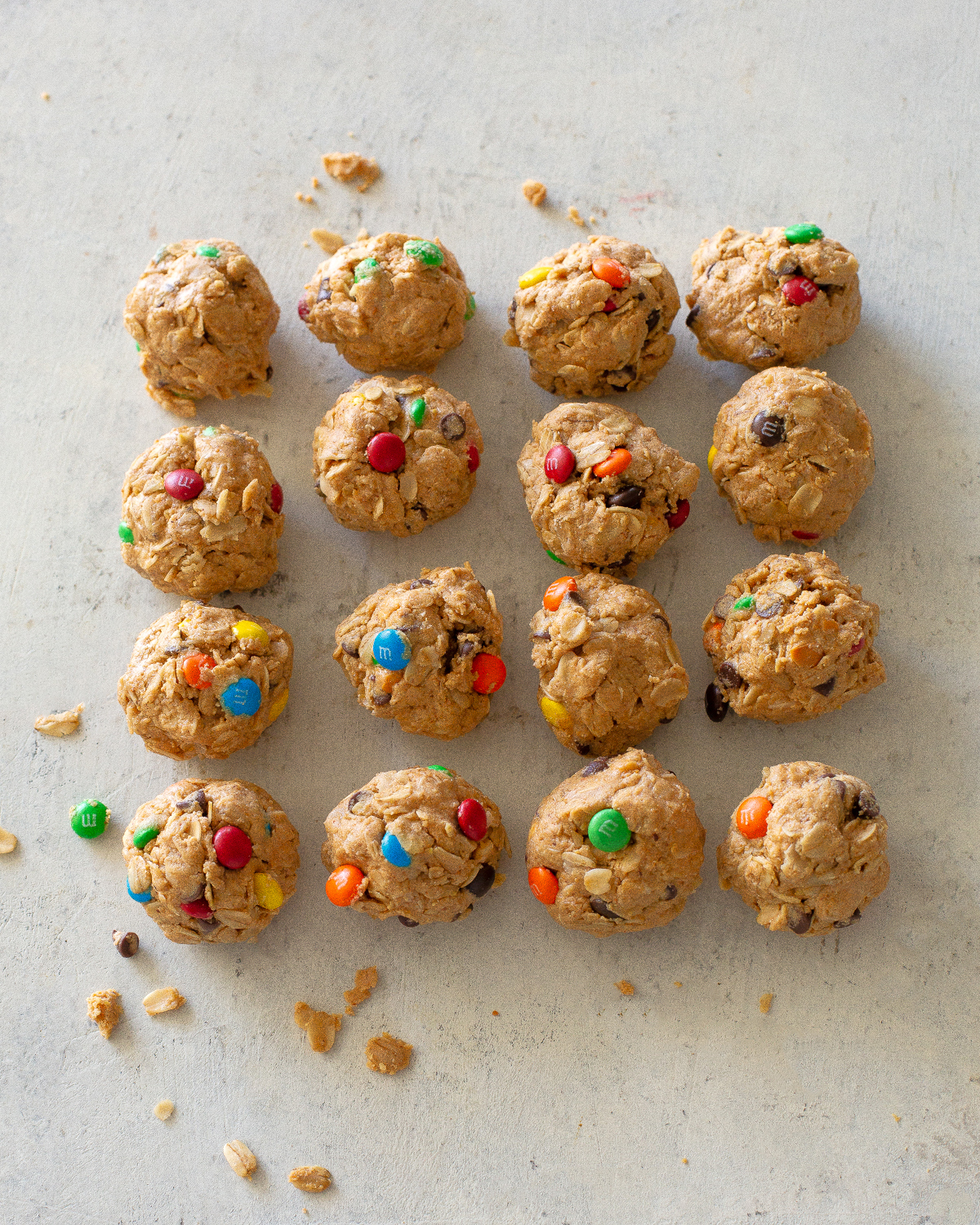
While these bites offer significant benefits, nutritional experts advise monitoring the sugar content. Even with natural ingredients like honey, the cumulative impact of sugars from chocolate additions and sweeteners requires moderation. However, when compared to the average commercially available granola bar, which can contain up to 15-20 grams of added sugar, the homemade protein bite remains a superior alternative for glycemic control and micronutrient delivery.
Official Guidelines and Best Practices
For households interested in implementing these snacks, industry experts emphasize the following "best practices":
- Quality Control: Select protein powders that align with the specific dietary needs of the household, such as low-lactose or plant-based variants.
- Consistency Management: If the mixture appears too dry, adding a small amount of honey or liquid sweetener (such as agave or maple syrup) can correct the consistency. Conversely, if the mixture is too soft, additional dry oats or a brief increase in refrigeration time will stabilize the structure.
- Safety and Storage: Utilizing airtight containers or vacuum-sealed freezer bags is essential to prevent freezer burn and the absorption of ambient odors within the freezer, which can alter the flavor profile of the peanut butter.
Future Outlook on Homemade Snacks
The "Monster" protein ball serves as a microcosm of a larger societal shift toward informed consumption. As supply chains for basic food staples fluctuate, the ability to produce high-density, long-lasting snacks from basic pantry ingredients offers both financial and health-related advantages.
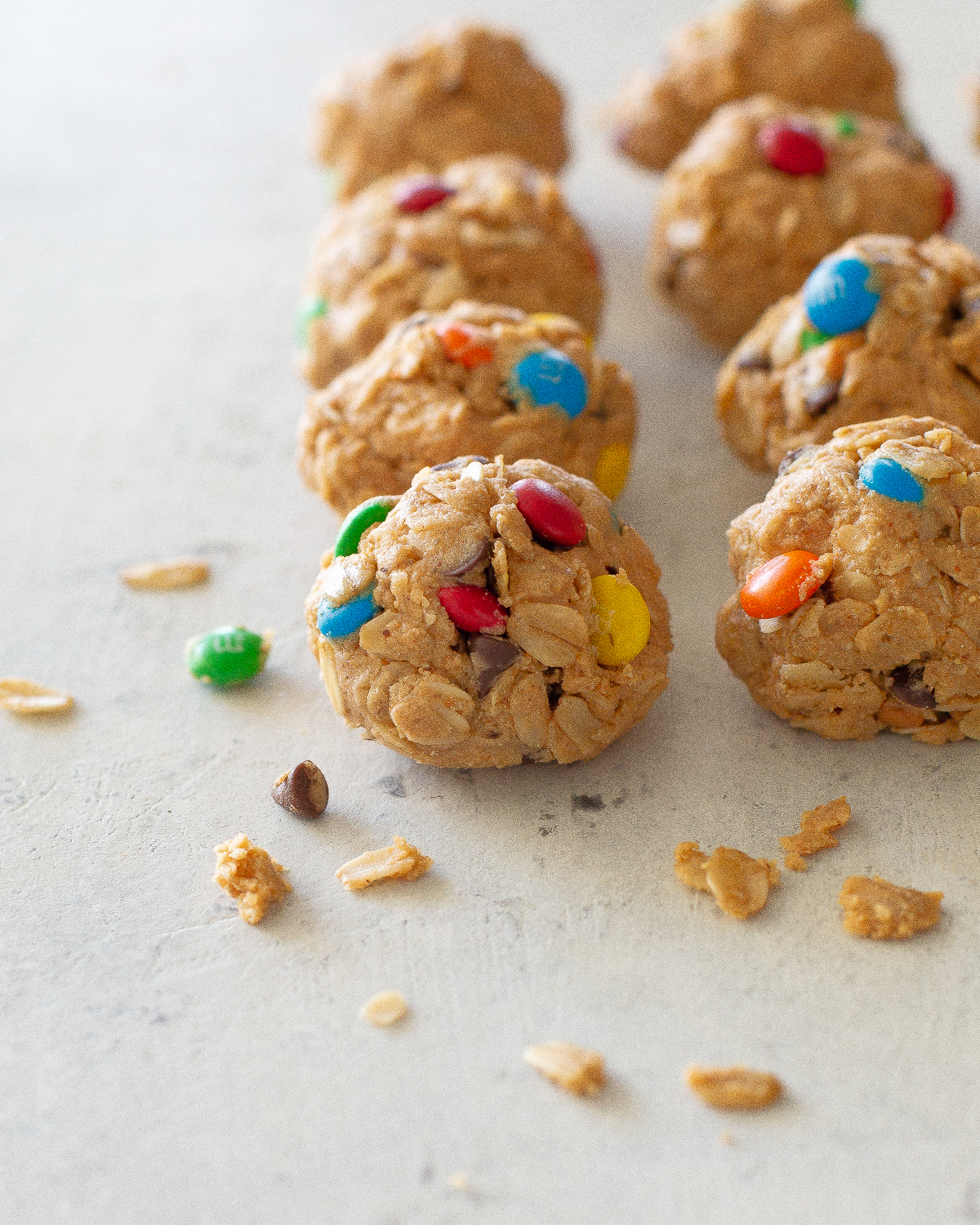
Looking forward, the integration of these snacks into daily routines is expected to remain high. The modular nature of the recipe—allowing for the substitution of peanut butter with almond or sunflower butter for allergen-sensitive environments—ensures that this culinary framework remains relevant to diverse demographics. As families continue to seek methods to minimize food waste and optimize nutritional intake, the reliance on high-efficiency, no-bake solutions is likely to grow, solidifying the role of the energy bite as a permanent fixture in the modern kitchen.
By prioritizing the use of shelf-stable ingredients and focusing on a simple, rapid preparation method, these snacks demonstrate that effective nutritional management does not necessarily require complex culinary skill sets. Instead, it relies on the strategic application of basic food science principles to create a result that is both functional and palatable for a wide range of consumers.
