
The Rise of Hybrid Confections
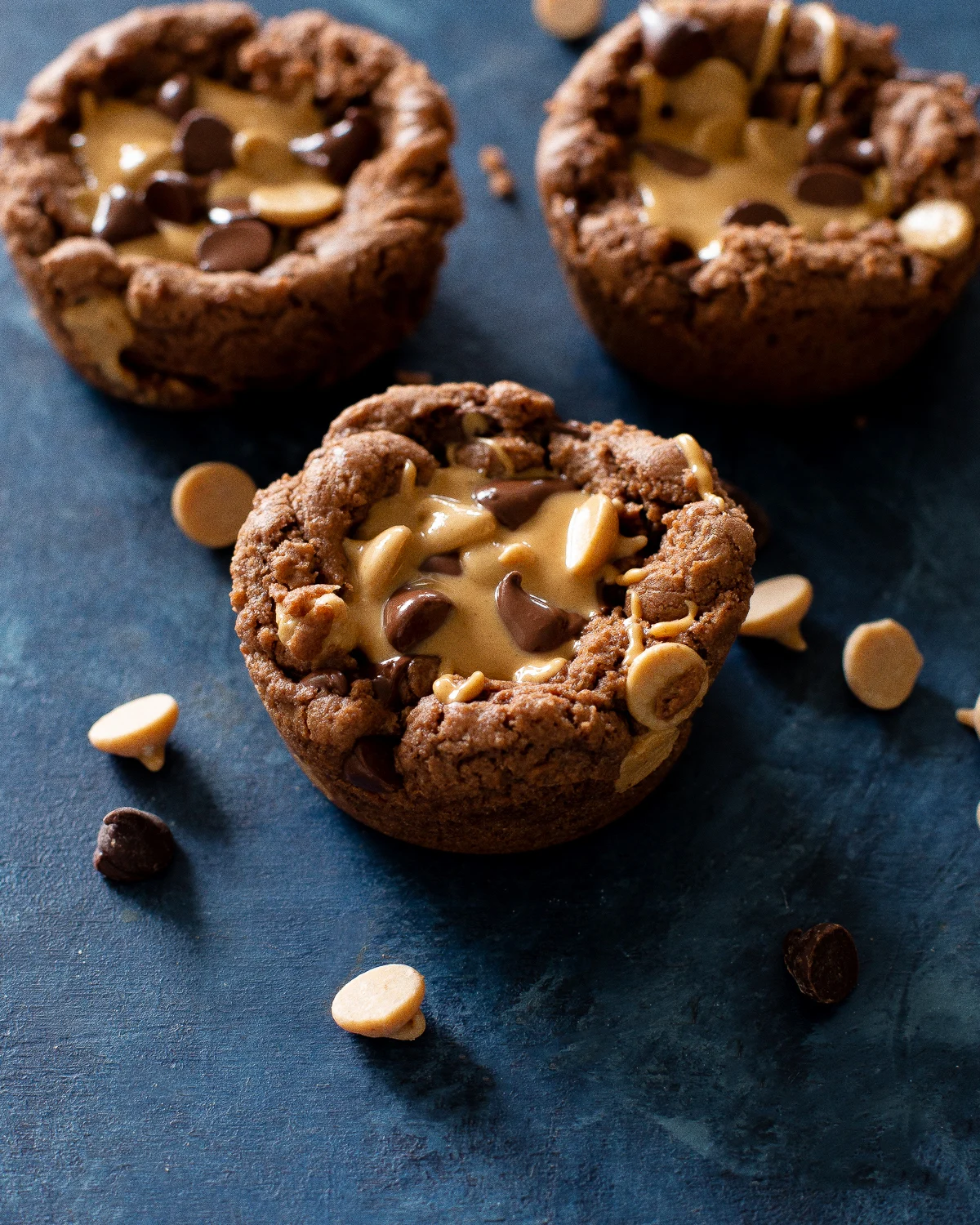
The intersection of chocolate and peanut butter has long been considered one of the most successful flavor pairings in modern confectionery history. According to data from the National Confectioners Association, chocolate remains the most popular flavor category in the United States, with peanut butter frequently cited as the leading secondary flavor profile. The Brownie Peanut Butter Cup combines these elements into a portable format, reflecting a broader consumer shift toward "micro-desserts" that offer high caloric density in a single serving.
Historically, the brownie evolved from 19th-century American kitchens, gaining commercial traction in the early 1900s. The addition of peanut butter chips—a product that became widely accessible in the latter half of the 20th century—allowed bakers to innovate upon the standard brownie recipe. By incorporating these chips directly into the batter and finishing the product with a warm peanut butter drizzle, bakers can achieve a textural contrast that balances the slight bitterness of semi-sweet chocolate with the savory, salt-forward profile of roasted peanuts.

Chronology of Development
The culinary trajectory of the Brownie Peanut Butter Cup can be traced back to the early 2000s, coinciding with the rise of the "food blog" era.
- Early 2000s: The emergence of specialty baking chips (peanut butter, white chocolate, and butterscotch) moved beyond the commercial industrial level and into the home kitchen, democratizing the creation of complex desserts.
- 2009: Significant online documentation, including early recipe archives from influential food writers such as Christy Denney, codified the Brownie Peanut Butter Cup as a distinct recipe category. This period marked the transition from obscure kitchen experiments to widely shared digital tutorials.
- 2015–2020: The rise of social media visual platforms necessitated more aesthetically driven desserts. The peanut butter drizzle technique became a standard visual signature for this dessert, enhancing its shareability and popularity.
- Present Day: The recipe has been standardized into a variety of formats, including muffin-tin bites, which are preferred for their consistent baking times and uniform appearance.
Culinary Composition and Technical Specifications
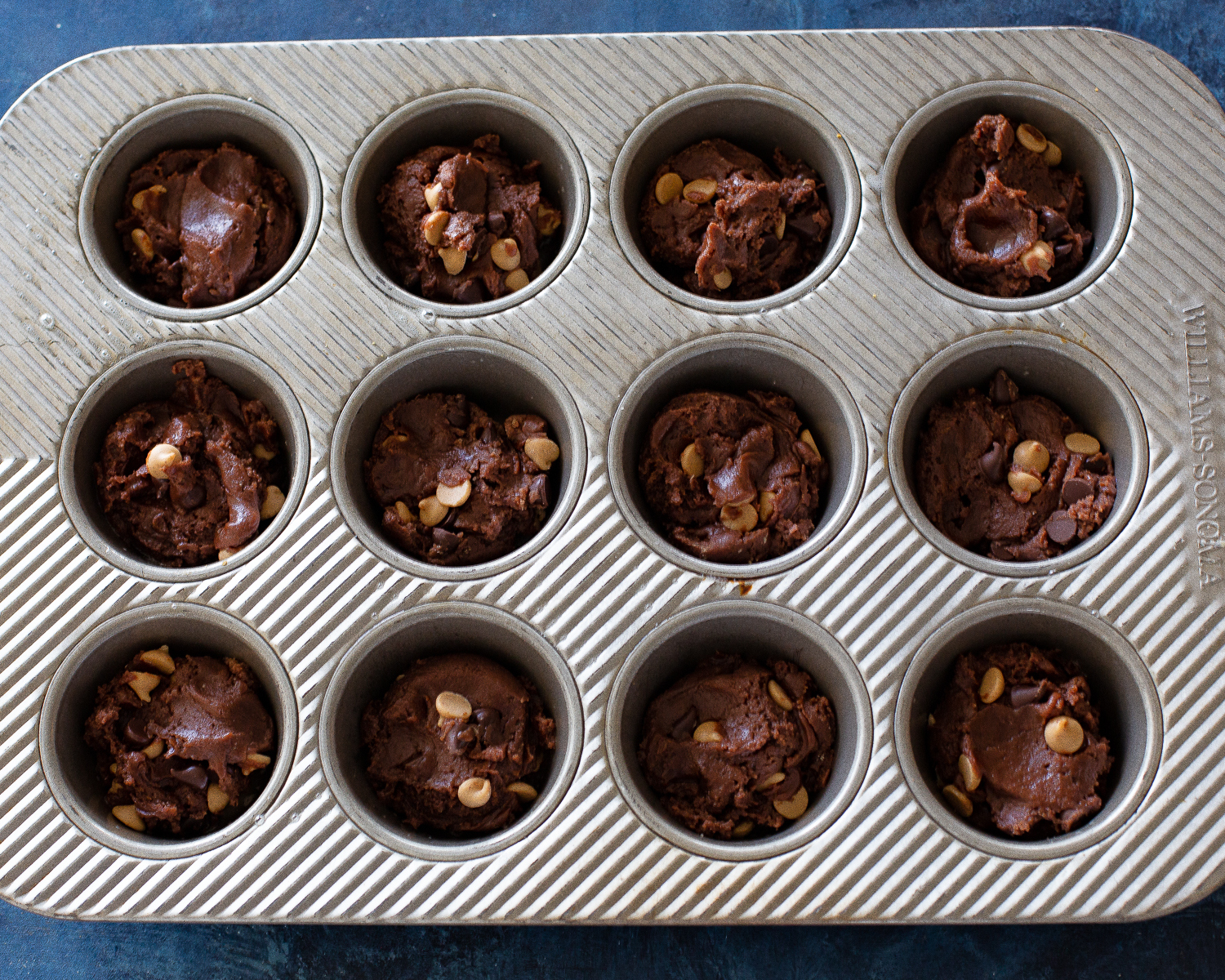
From a technical standpoint, the preparation of Brownie Peanut Butter Cups requires precise temperature control to ensure the integrity of the emulsion between the fat in the peanut butter and the cocoa solids in the brownie batter.
- The Base: The foundation consists of a dense, fudgy brownie batter. Unlike cakey brownies, the fudgy variety relies on a higher fat-to-flour ratio, which prevents the cup from becoming dry during the shorter baking cycle typical of muffin tins.
- Inclusion Integration: The inclusion of semi-sweet chocolate chips and peanut butter chips requires careful folding to prevent the chips from melting prematurely. The semi-sweet chocolate provides the necessary structural stability, while the peanut butter chips provide the characteristic flavor profile.
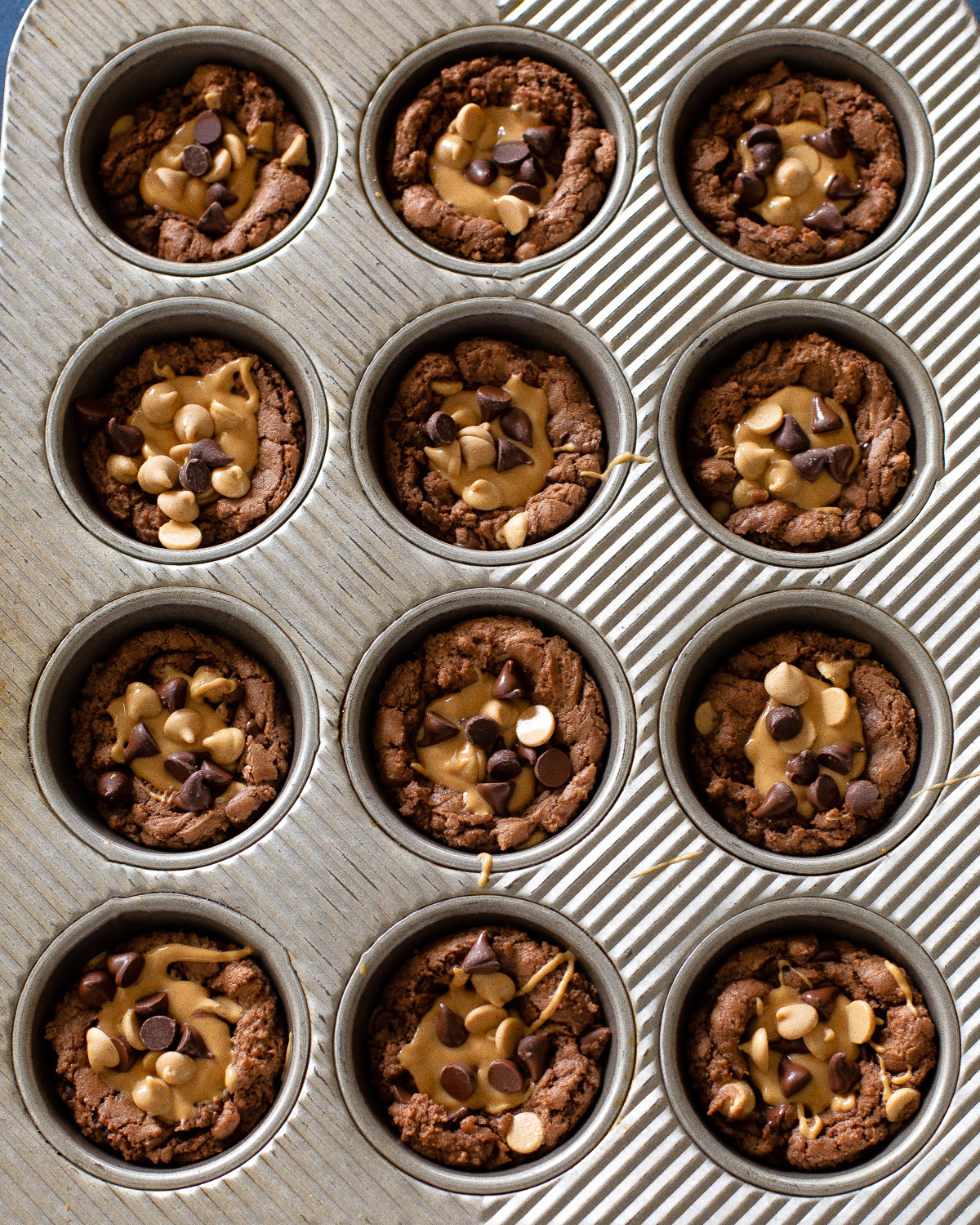
- The Drizzle Application: The final step involves the controlled application of melted peanut butter. This serves not only as a flavor enhancer but as a decorative element. When performed correctly, the drizzle should be applied while the brownie is warm, allowing the oils in the peanut butter to partially absorb into the surface of the brownie.
Supporting Data on Ingredient Trends
Market research indicates that the home baking industry saw an 8% increase in demand for premium baking additives—such as high-quality cocoa and artisanal nut butters—between 2020 and 2023. This trend is driven by a consumer demographic that prioritizes ingredient transparency and "gourmet-at-home" experiences.
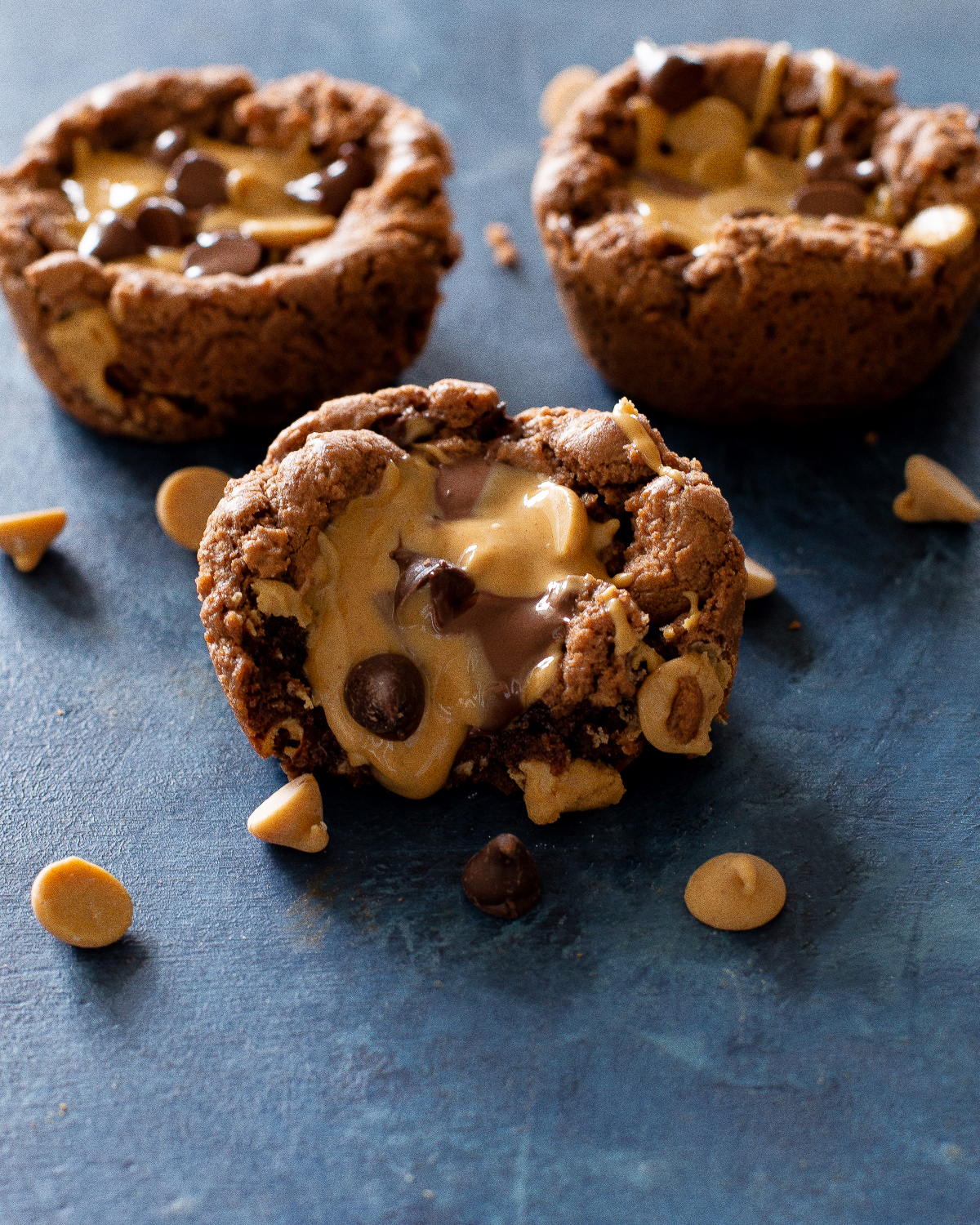
Furthermore, nutritionists note that while such desserts remain high in sugar and saturated fats, the inclusion of peanut butter adds a marginal increase in plant-based protein compared to a standard chocolate brownie. However, the caloric density remains the primary characteristic of this dessert, with a standard single-cup serving typically ranging between 180 and 250 calories, depending on the richness of the batter and the thickness of the peanut butter drizzle.
Industry and Expert Perspectives
Professional pastry chefs often advocate for the use of room-temperature ingredients when constructing these cups. "The key to a successful brownie cup," notes one food consultant, "is ensuring that the peanut butter drizzle maintains a specific viscosity. If the peanut butter is too thin, it runs off the side; if it is too thick, it lacks the professional finish desired in modern plating."
Furthermore, the popularity of these recipes has led to the development of commercial versions of the brownie-peanut butter combination in mass-market snacks. However, homemade iterations continue to hold a significant market share within the culinary blogging space due to the ability to customize the sweetness levels and use high-quality, non-hydrogenated peanut butter.
Broader Impact and Implications
The persistence of the Brownie Peanut Butter Cup in popular culture underscores the longevity of comfort foods. In times of economic uncertainty, consumer data suggests that interest in "accessible luxury"—such as baking premium items at home—tends to rise. The Brownie Peanut Butter Cup serves as an ideal candidate for this phenomenon because it utilizes relatively inexpensive pantry staples to produce a result that mirrors high-end confectionery.
From an SEO and digital content perspective, the proliferation of these recipes has created a robust ecosystem of culinary instruction. The inclusion of instructional media, such as step-by-step photography and video tutorials, has standardized the preparation process, ensuring that novice bakers can replicate professional results.
As the industry moves forward, it is likely that variations of this dessert will continue to emerge, potentially incorporating trends such as gluten-free flours or sugar substitutes, catering to the growing segment of the population with specific dietary requirements. Nevertheless, the core appeal of the Brownie Peanut Butter Cup—the synergy between chocolate and peanut butter—remains a foundational element of American dessert culture that is unlikely to wane in the near future.
Conclusion
The Brownie Peanut Butter Cup serves as more than just a dessert; it is a manifestation of how home-cooking has evolved into a sophisticated, visually-oriented craft. By combining the fundamental techniques of brownie baking with the flavor profile of the classic peanut butter cup, home bakers have created a versatile, enduring, and highly adaptable treat that continues to define the standards of modern home baking. Whether served at social gatherings or prepared for personal enjoyment, the recipe remains a testament to the enduring appeal of traditional ingredients combined in innovative, bite-sized formats.
