
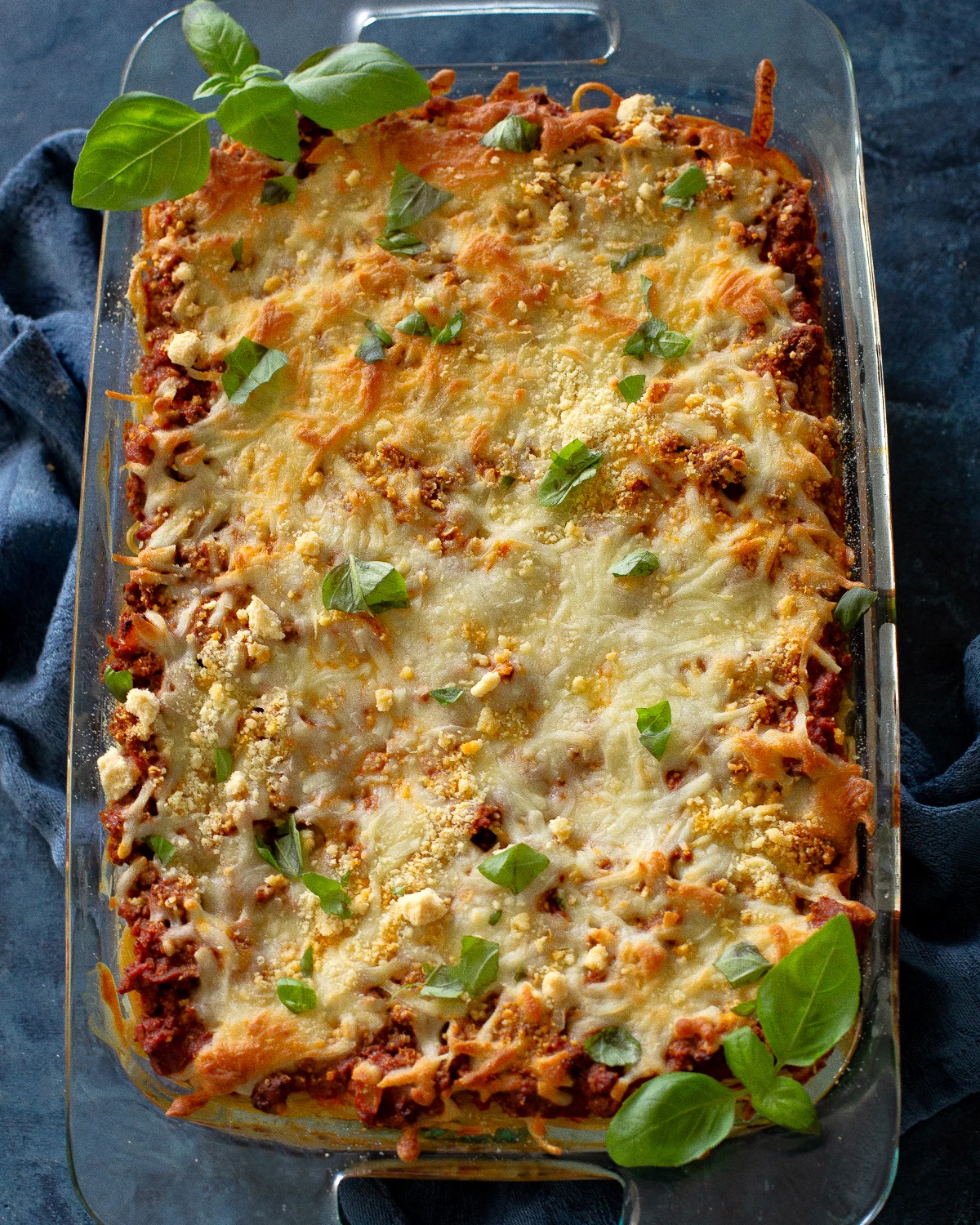
The Evolution of the Million Dollar Spaghetti Phenomenon
The concept of Million Dollar Spaghetti emerged from a demand for comfort food that avoids the labor-intensive layering process required for traditional lasagna. While standard lasagna requires the meticulous handling of delicate pasta sheets, ricotta mixtures, and multiple sauce layers, Million Dollar Spaghetti utilizes standard pasta strands, which significantly reduces preparation time while maintaining the desired aesthetic and flavor profile of a baked Italian-American classic.
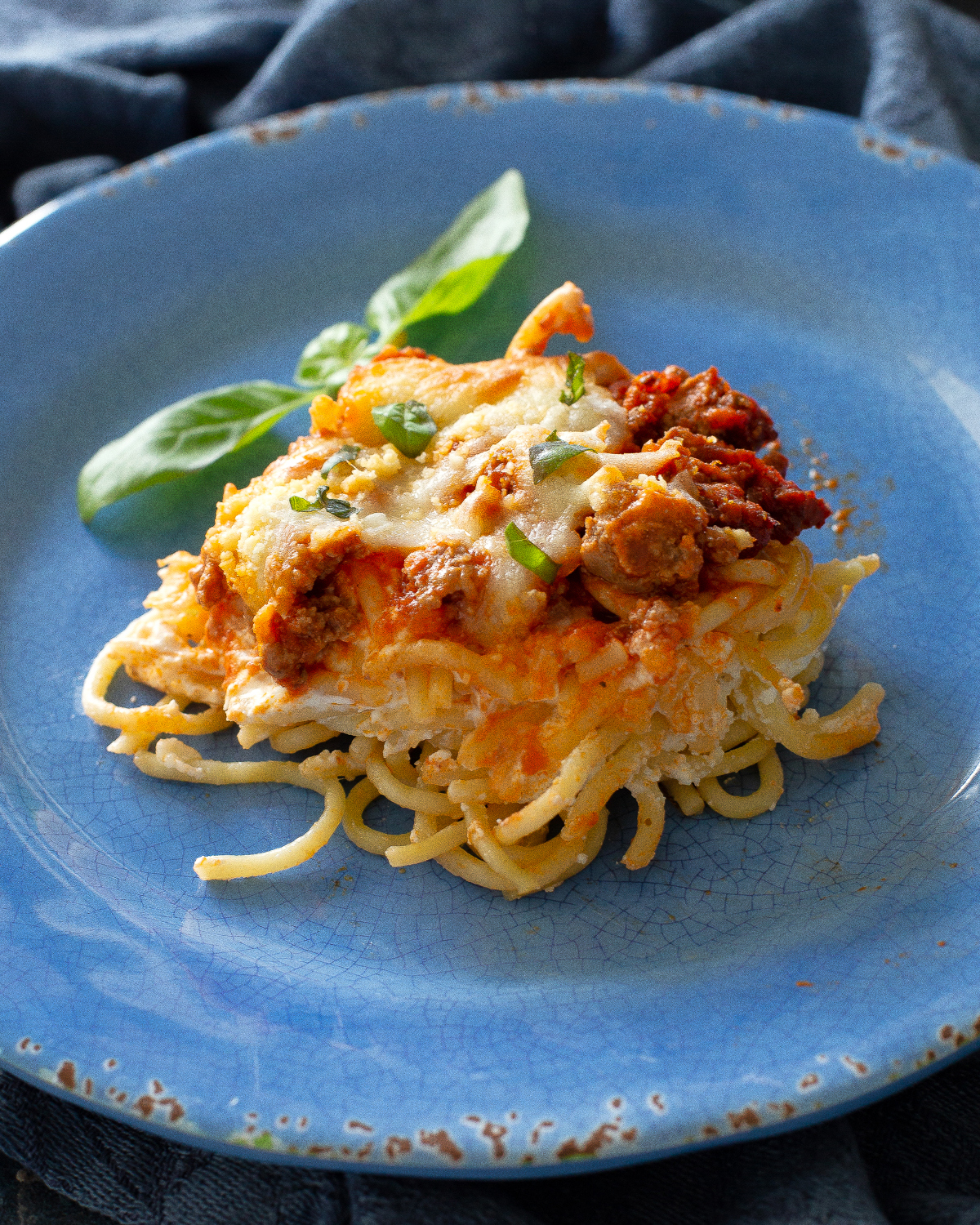
Historically, the dish gained prominence in American domestic kitchens during the early 2000s, coinciding with a broader cultural shift toward batch cooking and meal prepping. By integrating a creamy base—typically composed of cottage cheese, cream cheese, and sour cream—the dish achieves a structural integrity and richness that mimics the textures found in more complex pasta bakes. Despite the inclusion of cottage cheese, which can be a polarizing ingredient, proponents of the recipe note that the final product yields a smooth, integrated texture that masks the identity of the individual components, making it accessible to those who might otherwise avoid the specific ingredients.
Chronology of Preparation and Implementation
For those adopting this method into their weekly routine, the process typically follows a structured timeline designed for maximum efficiency. The initial phase involves the "bulk-prep" strategy, where protein sources—most commonly ground beef—are browned and seasoned in advance. This foundational step is critical for home cooks aiming to reduce mid-week kitchen time to under 30 minutes.
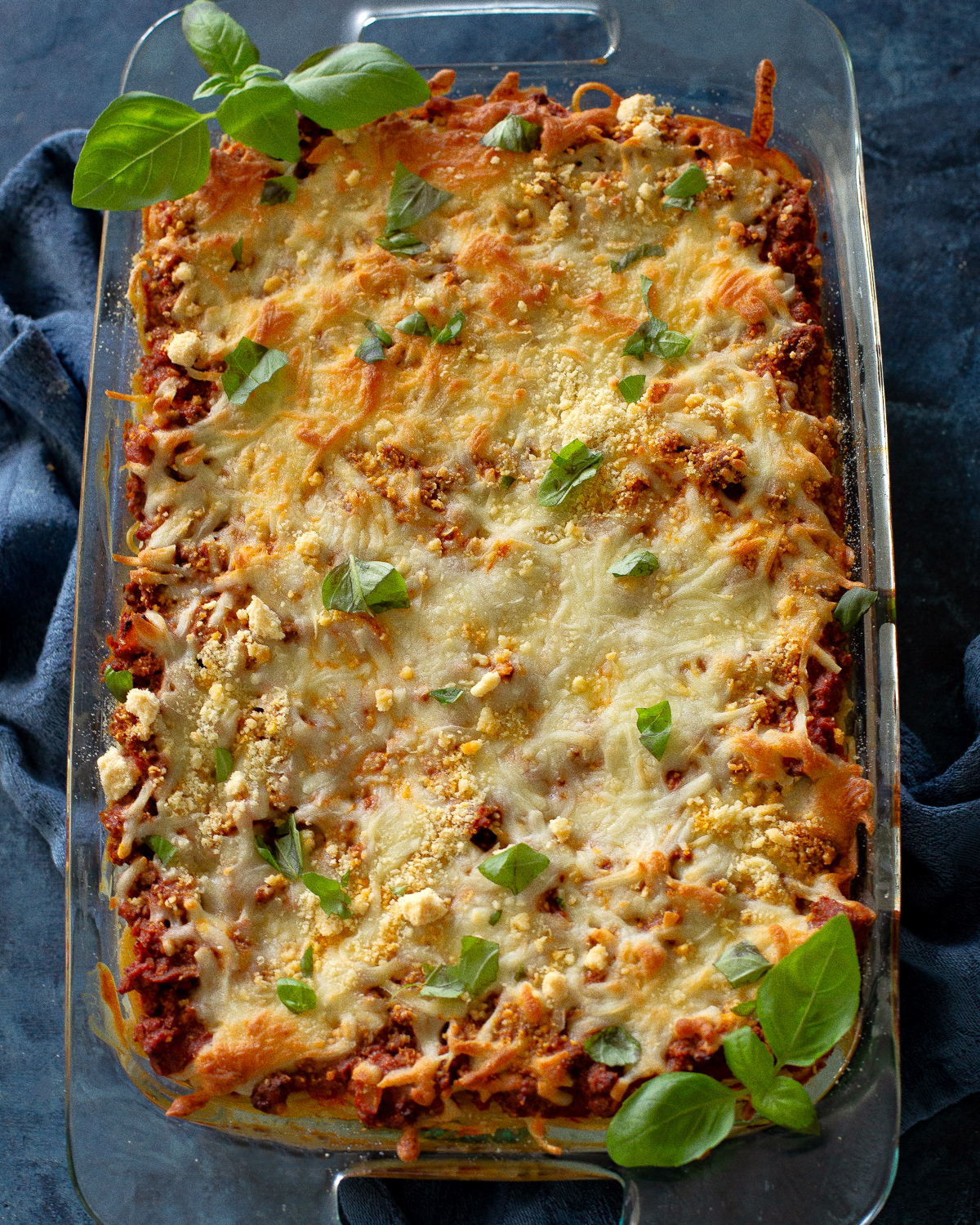
The assembly process generally proceeds in three distinct phases:
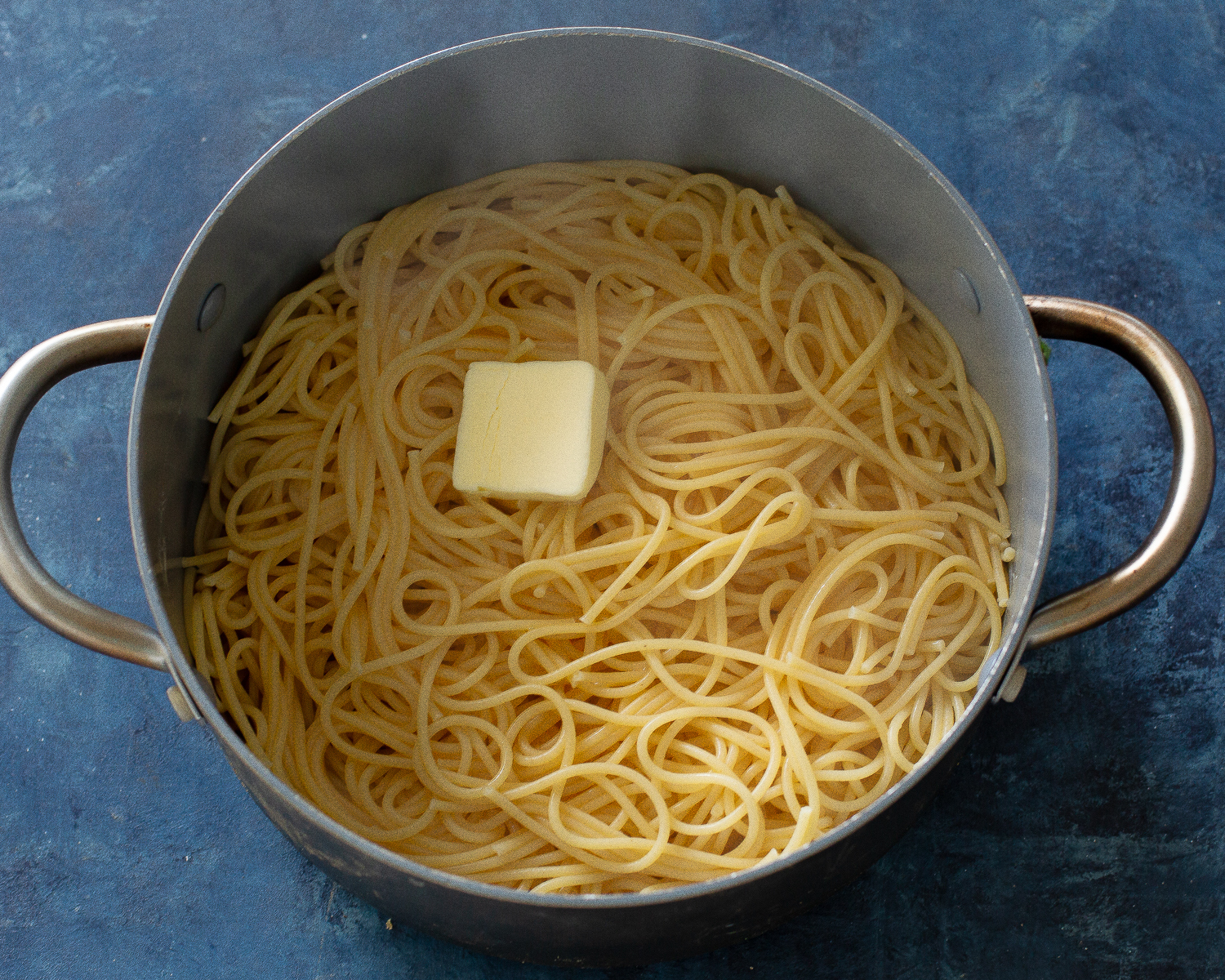
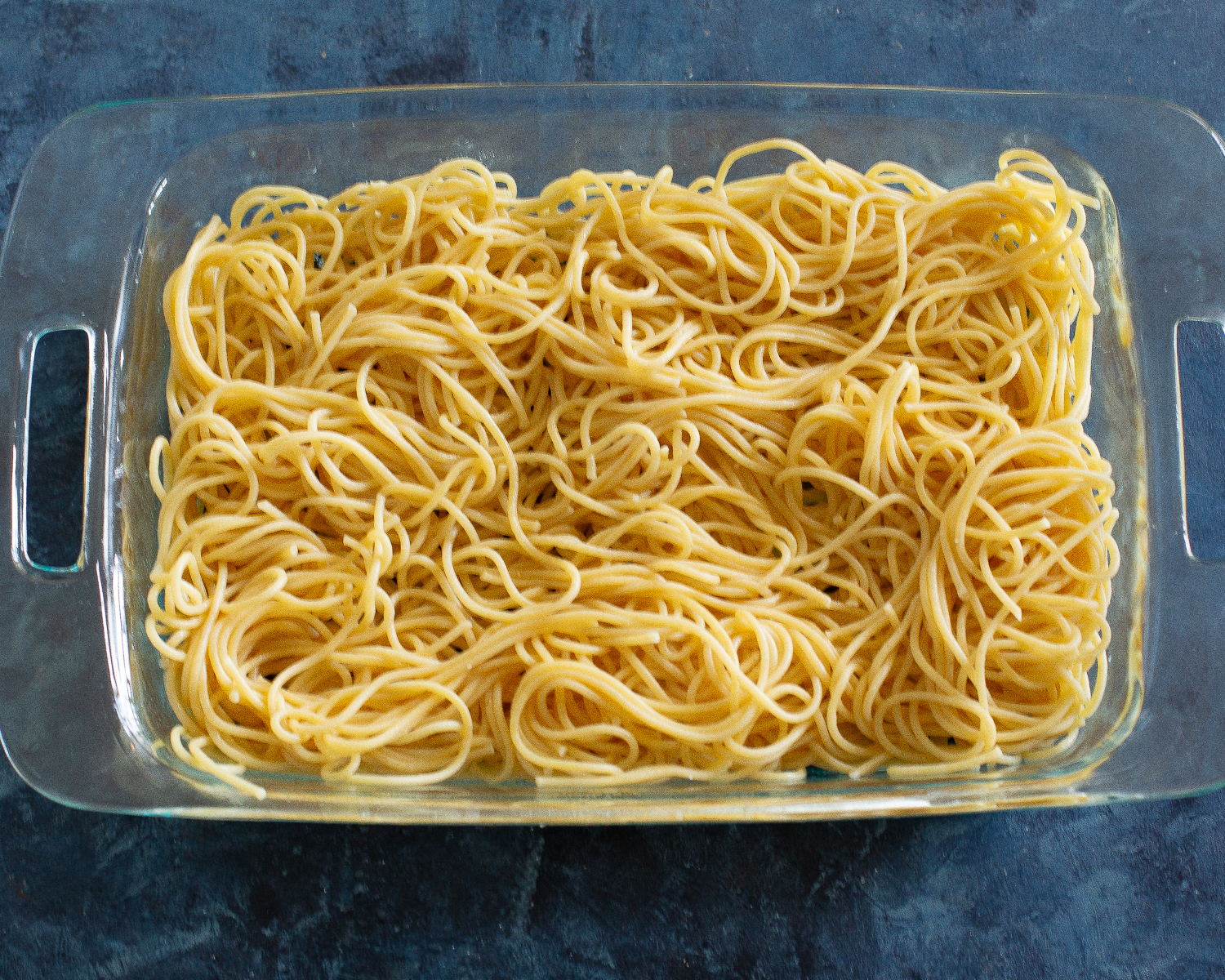
- Pasta Preparation: Boiling the spaghetti to an al dente state, ensuring it remains firm enough to withstand the subsequent baking cycle.
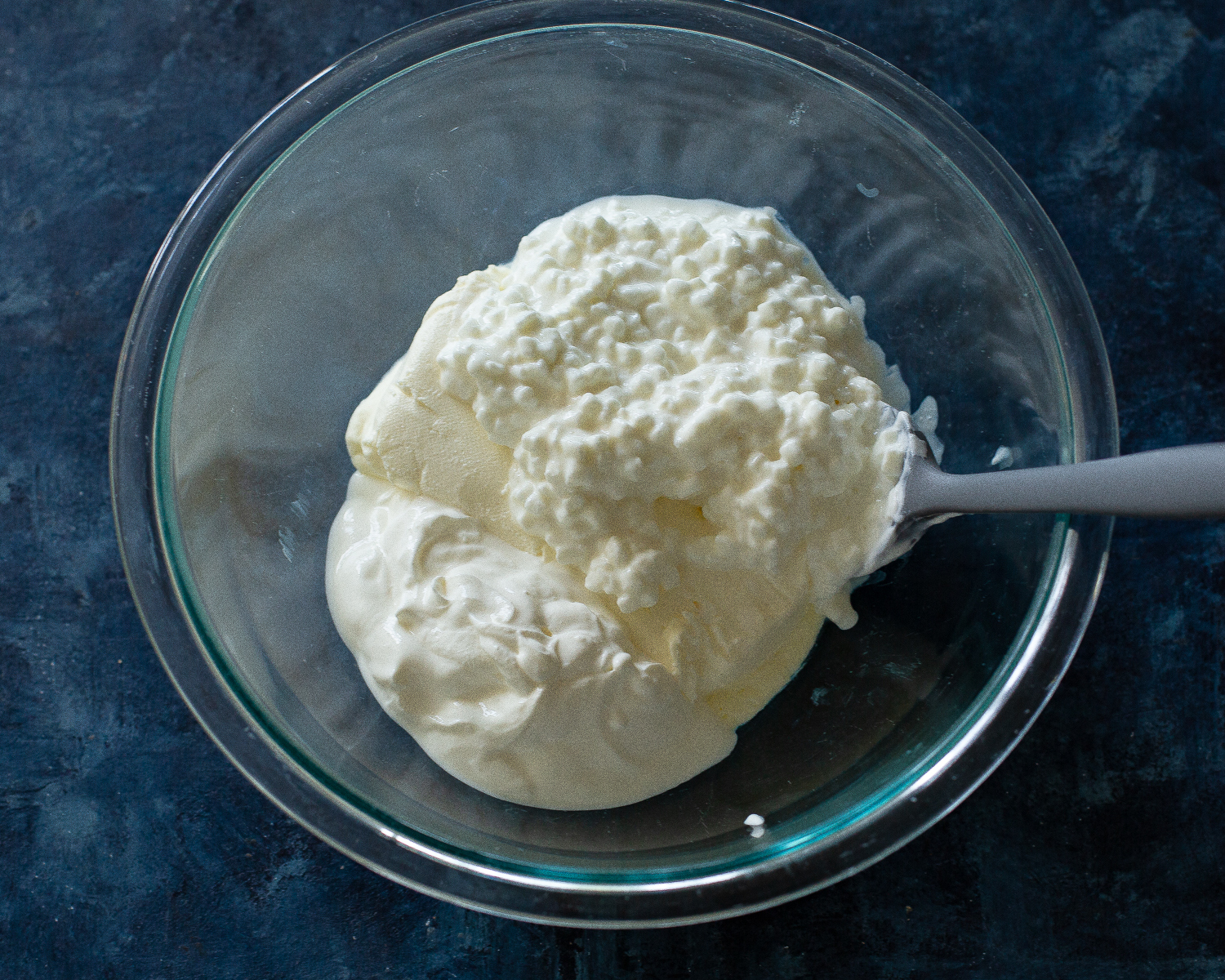
- The Creamy Base: Whisking together the cottage cheese, cream cheese, and sour cream. This mixture serves as the "glue" that binds the pasta and prevents the dish from drying out during the oven cycle.
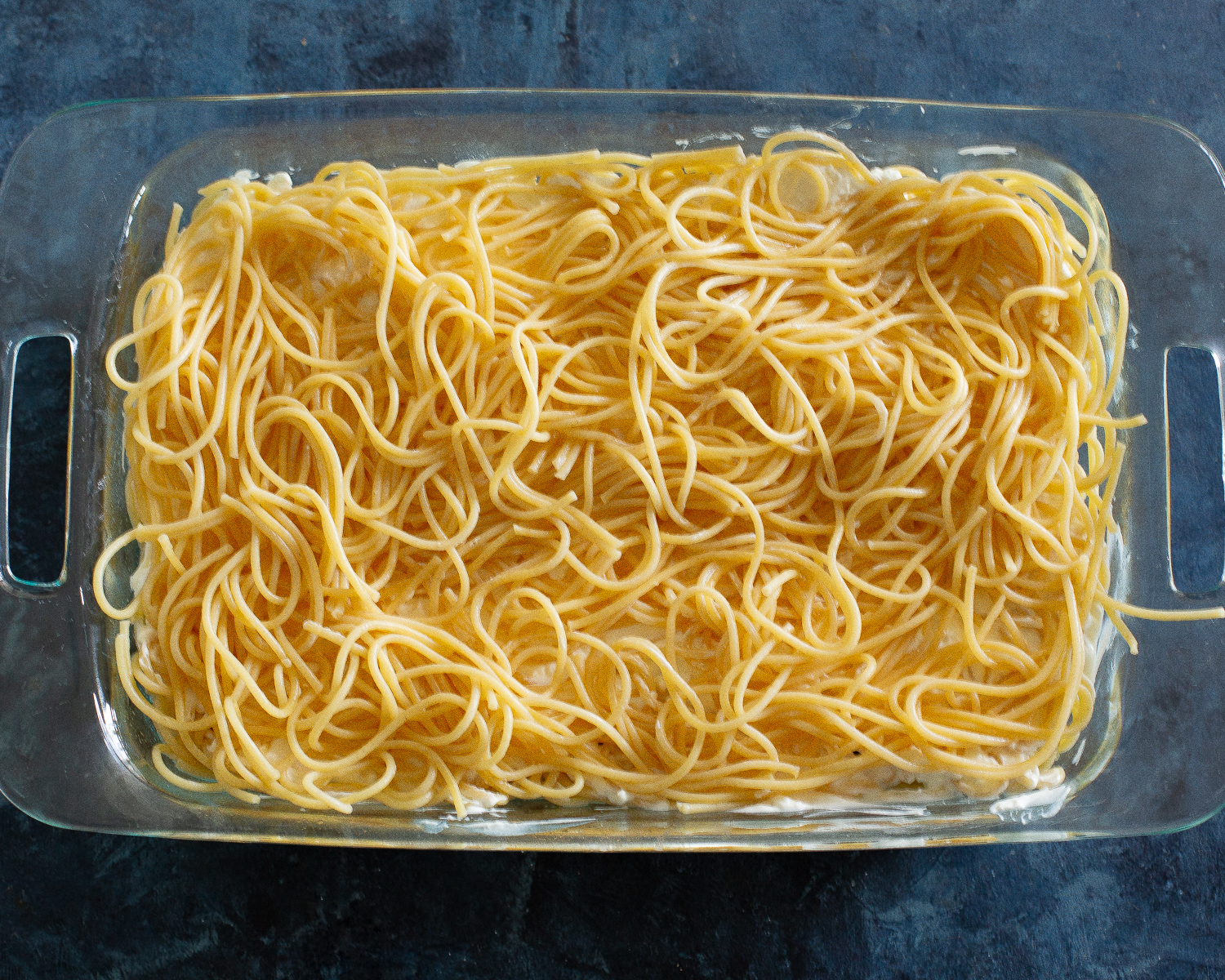
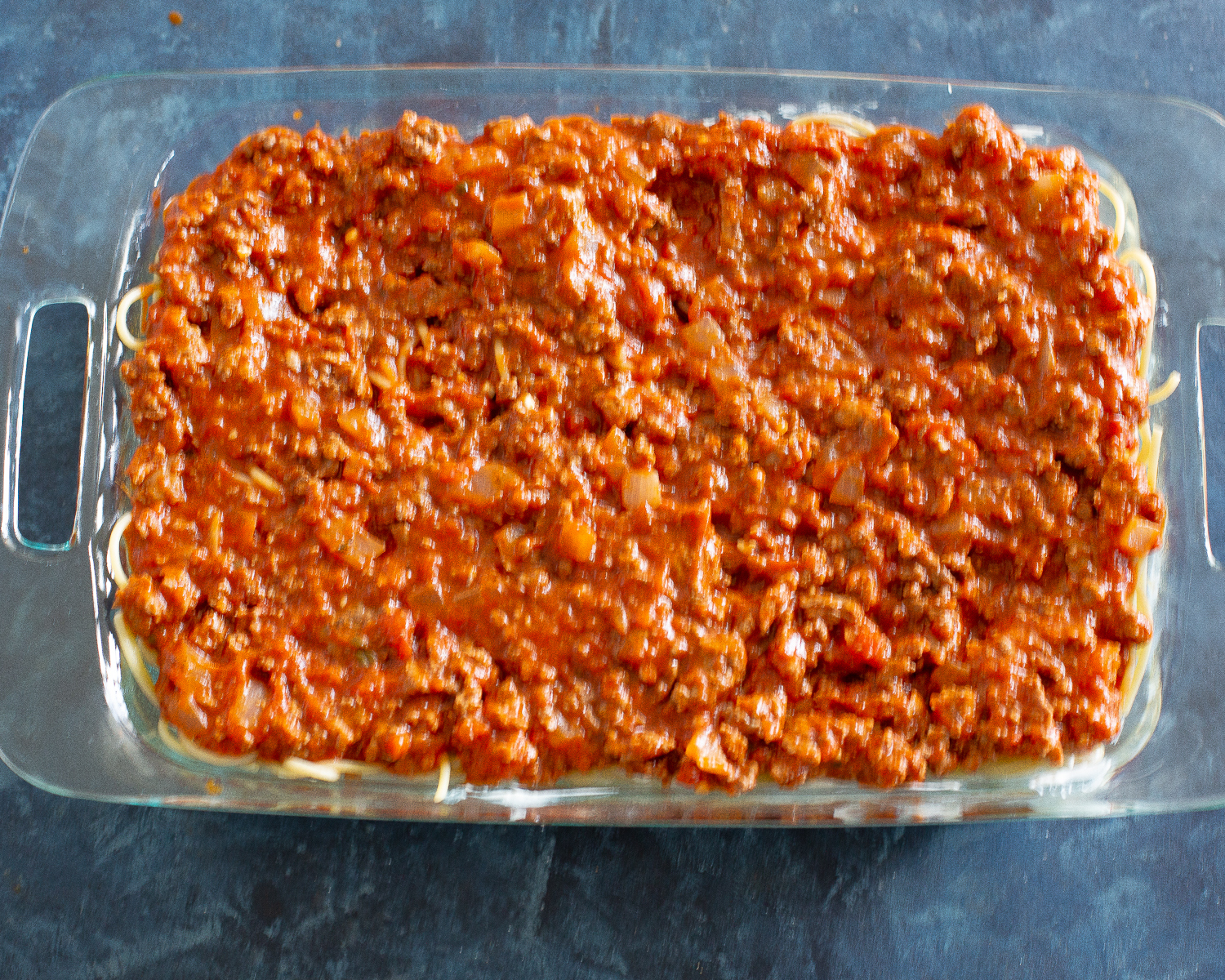
- Layering and Thermal Processing: The assembly of the dish in a casserole vessel, followed by a controlled baking period. Culinary experts recommend a temperature range of 350°F to 375°F to ensure that the cheese topping achieves a golden-brown finish without compromising the moisture of the internal layers.
Supporting Data on Freezer-Friendly Meals
The rise of Million Dollar Spaghetti is supported by broader trends in consumer behavior regarding freezer-friendly dining. According to data from culinary research firms, there has been a 22% increase in the consumption of "make-ahead" meals among suburban households over the last decade. This shift is largely attributed to the economic and logistical benefits of freezing, which allows for the purchase of bulk ingredients during promotional periods, thereby reducing the per-serving cost of home-cooked meals.
Freezer-friendly casseroles are mathematically more efficient for household management. By freezing the dish in an unbaked state, the household ensures that the final cooking process occurs immediately prior to serving, which maintains the fresh quality of the pasta. Research indicates that properly vacuum-sealed or airtight-wrapped pasta casseroles can maintain structural and flavor integrity for up to three months when stored at zero degrees Fahrenheit.
Analysis of Culinary Implications and Texture Profiles
From a food science perspective, Million Dollar Spaghetti represents a successful marriage of fats and starches. The inclusion of cream cheese serves as a stabilizer, preventing the separation of fats that often occurs with standard ricotta-based fillings. This contributes to the "million-dollar" moniker, which implies a luxurious mouthfeel that exceeds the standard expectations of a simple spaghetti dinner.
Furthermore, the dish provides a high degree of versatility. While the base recipe relies on ground beef, variations incorporating Italian sausage, ground turkey, or plant-based protein alternatives have seen increased adoption. This flexibility allows the dish to fit various dietary requirements without necessitating a departure from the core preparation method.
Household Management and Strategic Dining
For busy families, the primary advantage of this dish is its reliability. In a newsroom-style analysis of household productivity, meal planning is often cited as a key indicator of lower stress levels in dual-income households. By treating the kitchen as a production center, rather than a place of daily labor, cooks can utilize the Million Dollar Spaghetti model to ensure that high-quality, protein-dense meals are always available.
The practice of "thaw-and-bake" is particularly effective for this recipe. Experts suggest moving the frozen casserole from the freezer to the refrigerator 24 hours prior to baking. This slow-thaw process ensures an even distribution of heat, preventing the common issue of the outer edges of the casserole becoming overcooked while the center remains frozen.
Professional Recommendations for Success
Culinary professionals often suggest pairing this dish with acidic or crisp side dishes to balance the density of the creamy cheese layer. Garlic bread is the traditional accompaniment, as it echoes the savory profiles of the pasta; however, a simple green salad with a sharp vinaigrette is recommended to provide a necessary textural contrast.
The importance of the baking vessel cannot be overstated. Ceramic or glass baking dishes are preferred over metallic options, as they provide a more consistent thermal transfer, which is essential for the cheese-to-pasta ratio inherent in this specific recipe. For those utilizing aluminum foil for storage, it is recommended to apply a light layer of cooking spray to the underside of the foil to prevent the cheese topping from adhering to the cover during the initial thawing and heating phase.
Broader Impact on Home Cooking Trends
The enduring popularity of Million Dollar Spaghetti serves as a case study in the democratization of gourmet-style comfort food. It highlights a departure from "chef-only" techniques in favor of accessible, high-yield recipes that provide professional-grade results. As food prices fluctuate and the demand for efficient, nutritious home cooking remains high, recipes that prioritize both cost-effectiveness and flavor—such as this one—are likely to remain a cornerstone of domestic meal planning.
The integration of such dishes into the American diet reflects a pragmatic approach to nourishment. By simplifying the labor-intensive aspects of traditional Italian-American cuisine while retaining the sensory satisfaction of the original, Million Dollar Spaghetti continues to offer a viable solution for the modern household. Whether prepared as a weekend project or as a batch-processed freezer meal, the dish serves as an example of how efficiency and quality can coexist in the domestic sphere, ultimately providing a sustainable model for future culinary endeavors.
