
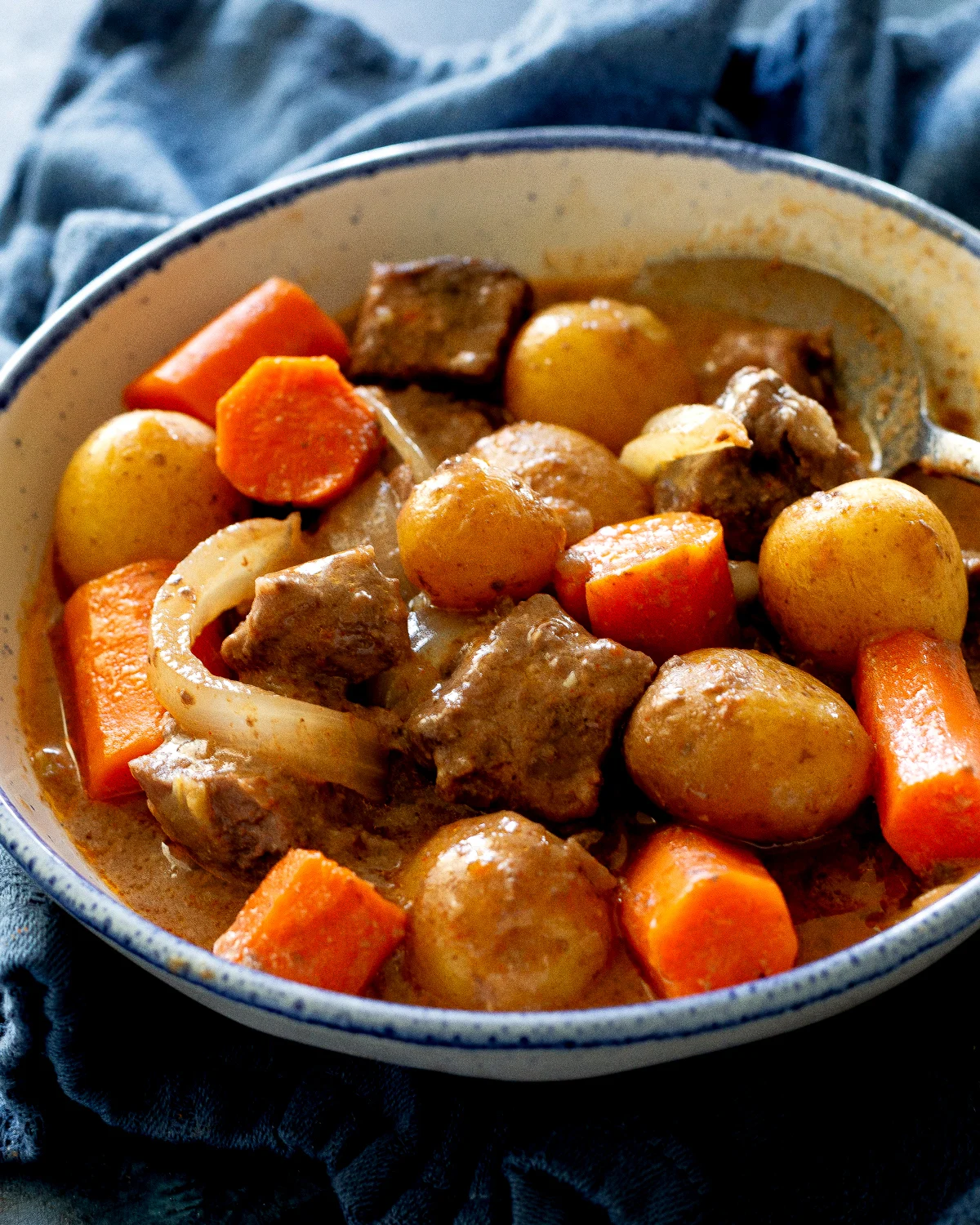
The landscape of home cooking has undergone a significant transformation over the past two decades, characterized by a transition from reliance on pre-packaged, convenience-focused meals to a renewed interest in scratch-based comfort food. A primary example of this shift is the enduring popularity of classic beef stew, a dish that has moved beyond its humble origins to become a staple of modern domestic kitchens. Recent culinary trends indicate that while traditional techniques remain favored, the integration of unconventional ingredients and the adoption of multi-method cooking—such as the transition between slow-cooker technology and traditional oven-roasting—have redefined the dish’s profile.
Historical Context and the Rise of Home-Cooked Comfort
Historically, beef stew has served as a cornerstone of nutritional sustenance across various cultures, utilizing tougher, more affordable cuts of meat that benefit from long-duration, low-temperature cooking. The chemistry behind the process is well-documented: the breakdown of collagen in connective tissues into gelatin is what provides the characteristic tenderness and viscosity associated with high-quality stew.
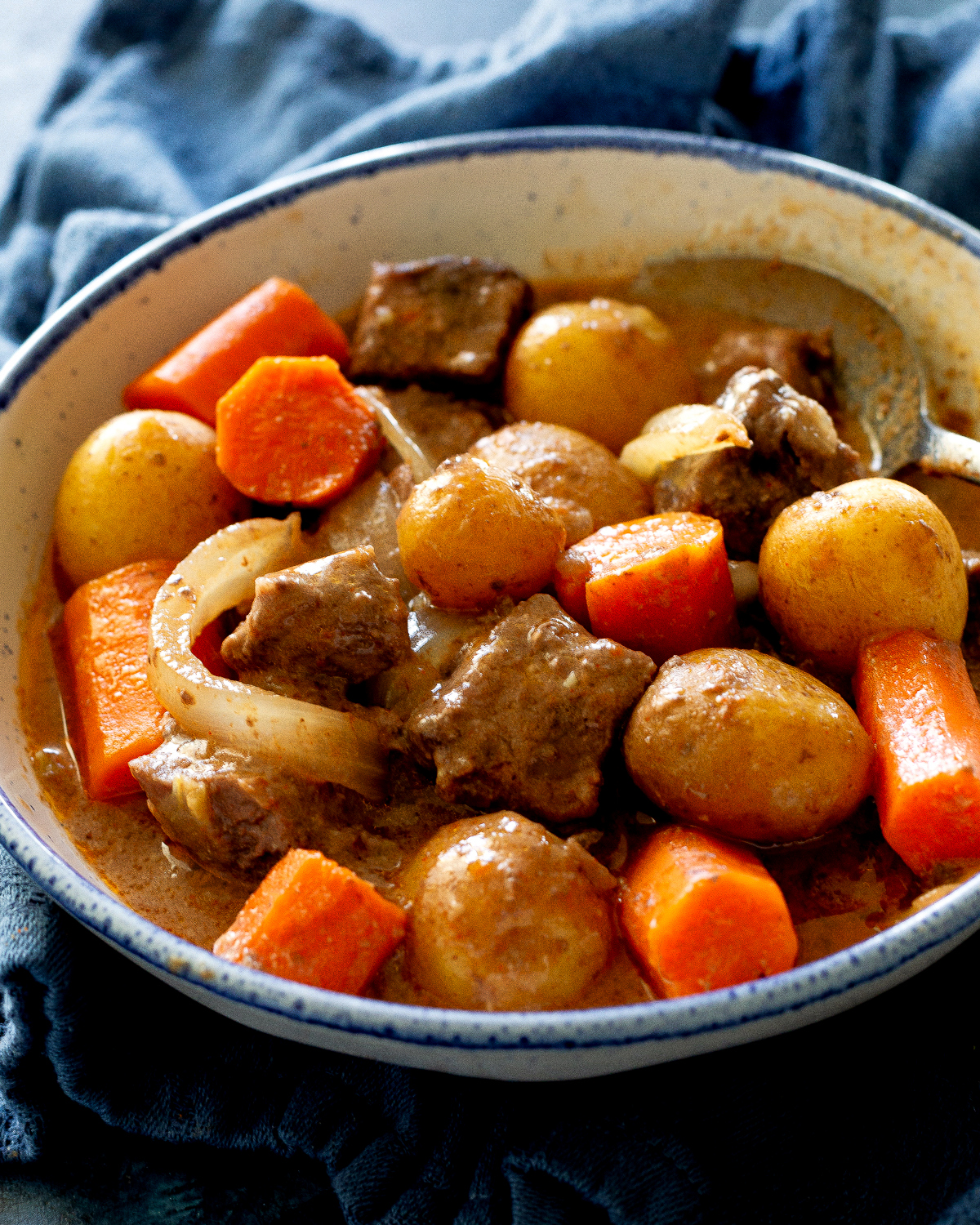
In the early 2000s, the culinary environment was heavily influenced by the proliferation of shelf-stable, pre-packaged meals. Consumer data from the era shows that time-constrained individuals frequently opted for boxed pasta kits and processed ingredients to simplify the dinner hour. However, a cultural pivot began as home cooks sought to replicate these comforting flavor profiles using fresh, whole-food ingredients. The adoption of the "Beef Stew" recipe, which famously incorporates unorthodox elements such as ketchup and cream of celery soup, serves as a case study in this evolutionary process. By leveraging the umami-rich properties of tomato-based condiments and the thickening agents found in cream-based soups, home cooks found they could achieve a depth of flavor that previously required hours of professional-level reduction and stock preparation.
The Technological Shift: From Oven to Slow Cooker
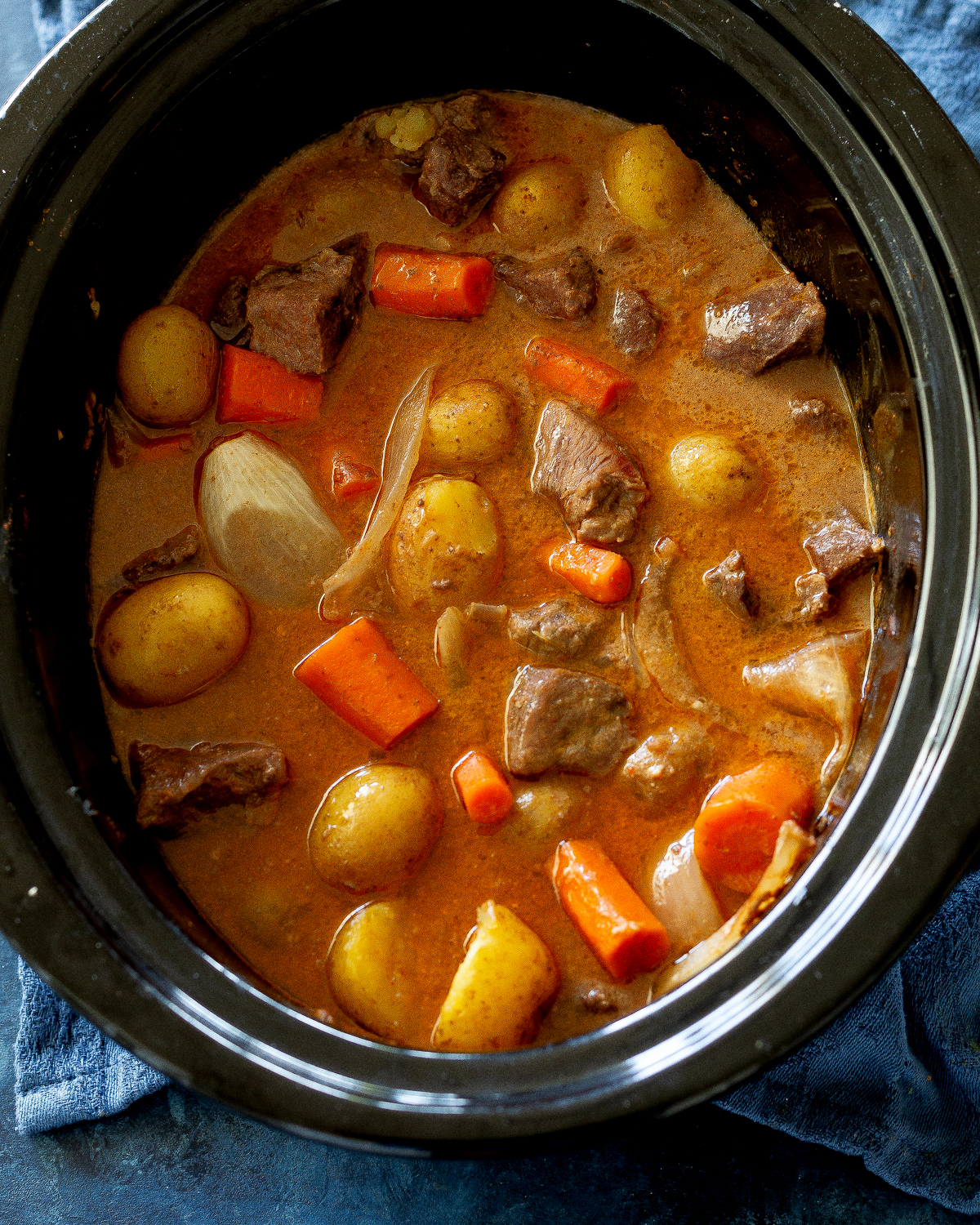
The methodology of stew preparation has evolved in parallel with advancements in kitchen appliance accessibility. The traditional method, involving the slow braising of beef and root vegetables in a heavy Dutch oven, relies on the consistent, radiant heat of an oven set to a low temperature—typically between 275°F and 300°F. This technique ensures that heat is distributed evenly, minimizing the risk of scorching the sugars in the tomato-based elements of the sauce.
Conversely, the emergence of the slow cooker (or crockpot) as a household standard has provided a viable alternative for the modern workforce. Data from kitchen appliance manufacturers suggests that the convenience of "set-and-forget" cooking has significantly increased the frequency with which households prepare labor-intensive dishes. The slow cooker operates on a different thermodynamic principle, utilizing direct contact heat to reach a steady temperature below the boiling point of water. This is particularly effective for the fibers in chuck roast or round steak, which are notoriously resilient to high-heat, fast-cooking methods.
Ingredients and Flavor Chemistry: A Modern Analysis
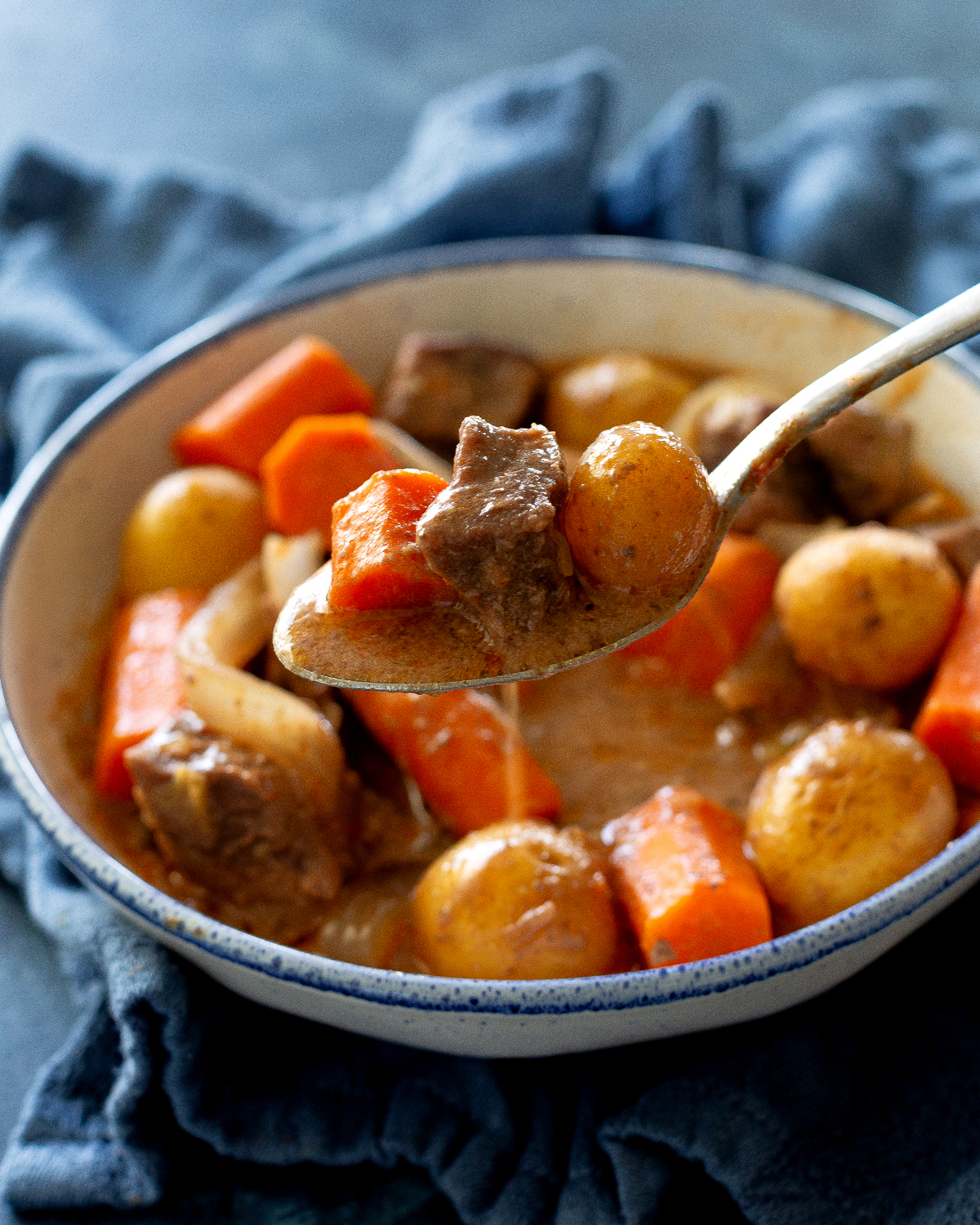
The inclusion of ingredients like ketchup and cream of celery may appear anomalous to classically trained chefs, yet they serve specific functional roles in the dish’s profile. Ketchup, for instance, provides a balance of acidity, sweetness, and salt, which aids in the tenderization of the meat through its vinegar content while acting as a natural emulsifier for the stew’s broth.
Cream of celery soup, a staple of mid-century American cuisine, functions as a shortcut to achieving a velouté-like consistency. In modern nutrition, there has been a move toward substituting these pre-made bases with homemade mirepoix and roux; however, the original "shortcut" method remains a subject of interest for its efficiency and consistent output. The combination of these ingredients creates a savory base that appeals to a wide demographic, effectively balancing the heavy, iron-rich profile of the beef with the brighter notes of the added sauces.
Chronology of Culinary Adoption
The documentation of such recipes often follows a trajectory from private, informal experimentation to widespread public adoption via digital platforms. In the case of this specific stew, the narrative began as an informal effort to improve upon convenience-meal habits.
- Initial Phase: Reliance on pre-packaged meals for time efficiency.
- The Transition: Integration of traditional recipes shared within social circles (roommate-to-roommate knowledge transfer).
- Digital Dissemination: The late 2000s and early 2010s marked the era where personal blogs began to function as digital archives for these recipes, replacing the traditional handwritten recipe card.
- Optimization: Ongoing updates to these recipes—such as testing the viability of the dish in various modern appliances—continue to keep the recipe relevant to current home cooks.
Implications for Modern Home Kitchens
The implications of these culinary practices are twofold. First, they highlight the resilience of traditional dishes in the face of changing lifestyles. The ability to adapt a recipe for both the oven and the slow cooker reflects a broader demand for flexibility in home cooking. As households continue to balance busy schedules with the desire for high-quality nutrition, the capacity for a dish to be "forgiving"—that is, one that does not lose quality if left on the heat for an extra hour—is a primary metric for success.
Second, the success of these "surprising" ingredient combinations underscores a decline in rigid adherence to culinary orthodoxy. Modern home cooks are increasingly prioritizing results and efficiency over traditionalist techniques. This trend has encouraged a more experimental approach to cooking, where the focus is placed on flavor outcomes and texture rather than the purity of the technique.
Official Observations and Culinary Analysis
Food scientists note that the "heartiness" of a stew is largely determined by the ratio of collagen-rich meat to liquid volume. When meat is slow-cooked, the transformation of collagen into gelatin creates a mouthfeel that consumers describe as "comforting." Whether the base of the sauce is thickened by a traditional roux or a condensed soup, the objective remains the same: to provide a rich, cohesive liquid that binds the vegetables and meat into a singular, satisfying dish.
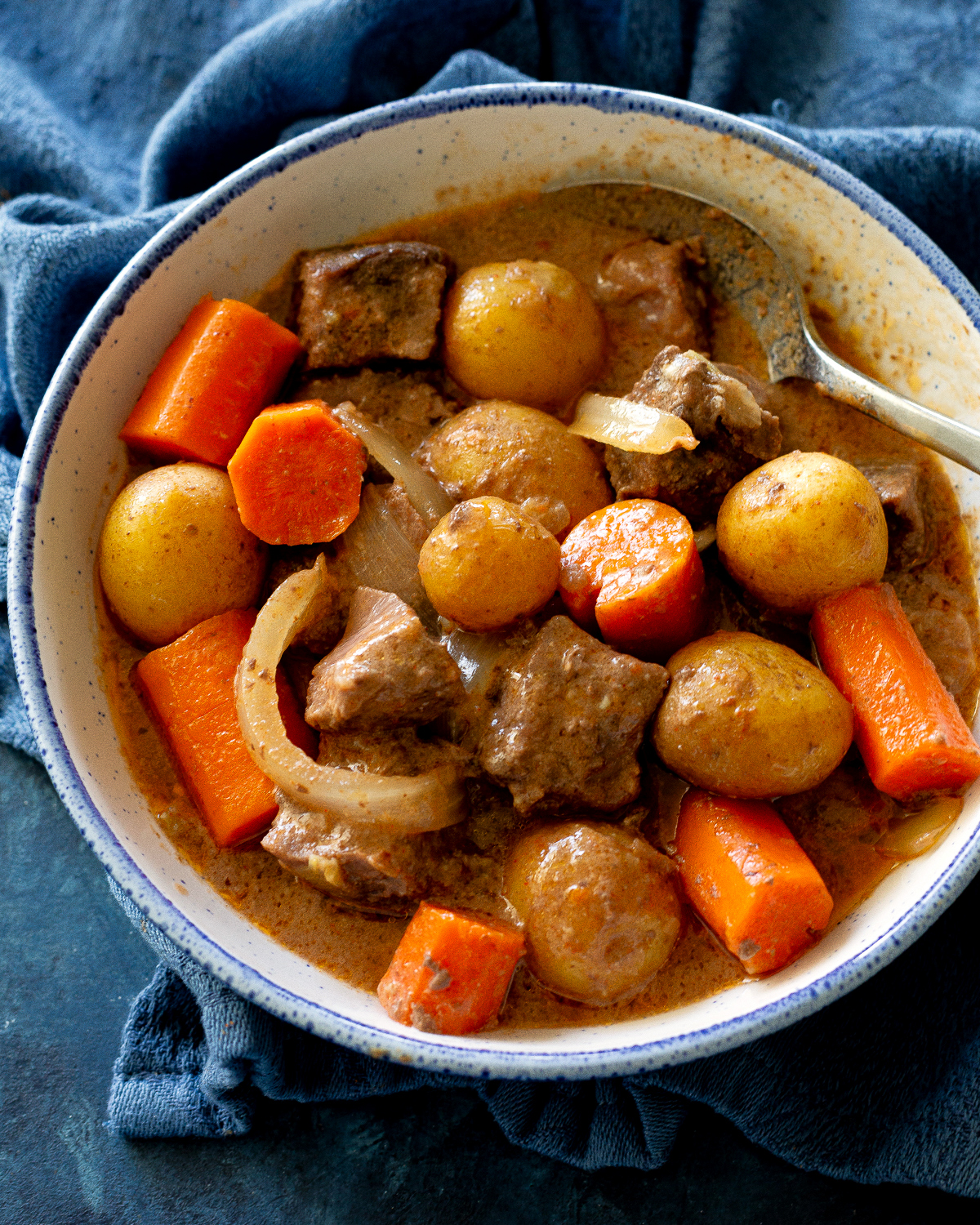
As the industry looks toward future trends, it is likely that the "slow and low" approach will remain the standard for home-prepared beef dishes. However, the ingredients will likely continue to evolve. We are currently seeing a move toward low-sodium alternatives and fresh, herb-forward flavor profiles, even as the foundational structure of the stew remains rooted in the techniques established during the early adoption of these hybrid recipes.
In summary, the preparation of beef stew, whether via the oven or the slow cooker, remains a vital part of the home cooking experience. By embracing a mix of traditional techniques and modern, accessible ingredients, home cooks have ensured that this hearty meal continues to provide a practical and emotional anchor for the family dinner table. The history of this dish is a testament to the fact that even the most modest beginnings—or the most unlikely of ingredients—can yield a result that stands the test of time and culinary scrutiny.
