
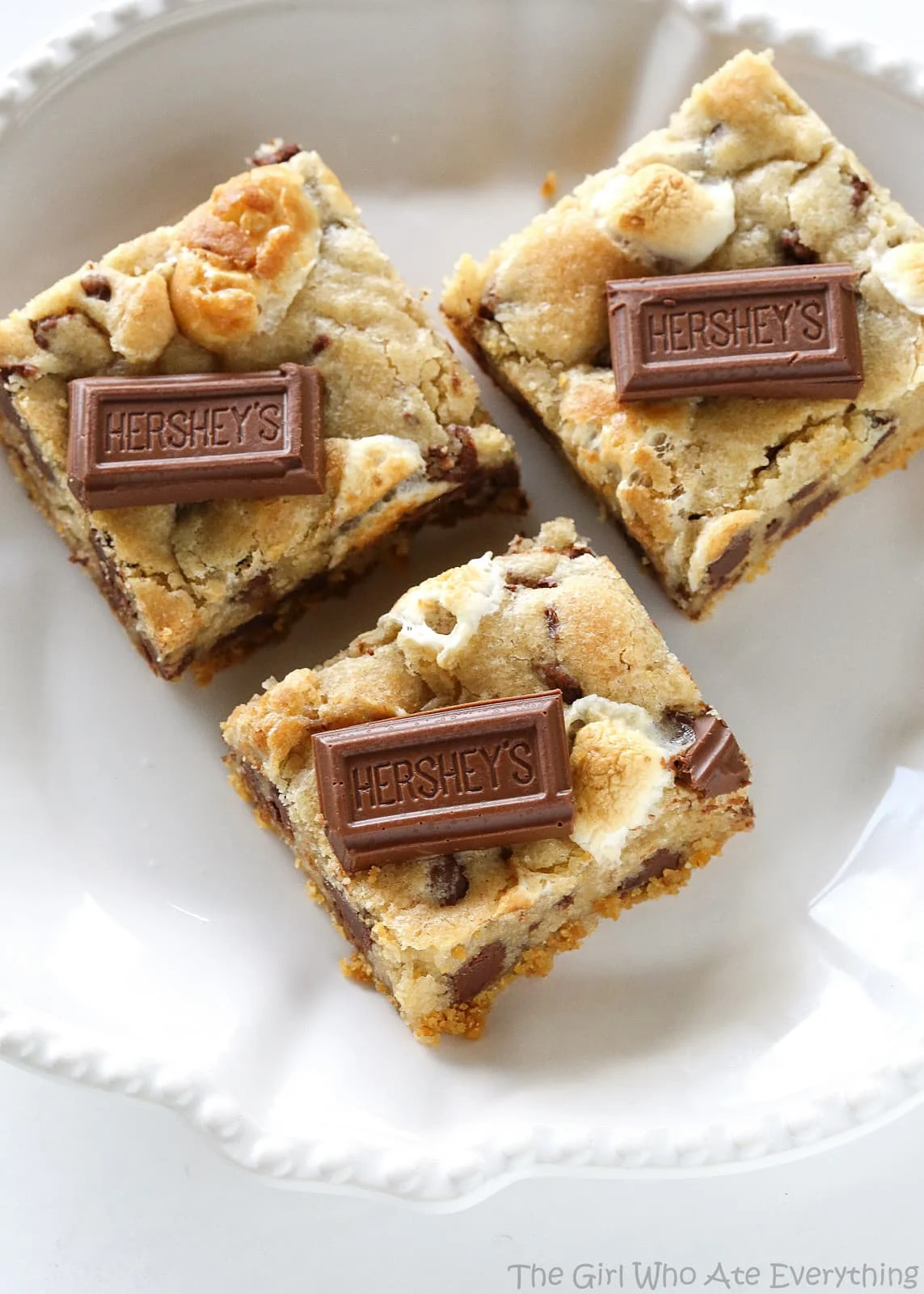
Architectural Composition of the S’mores Cookie Bar
The culinary success of the S’mores Cookie Bar lies in its precise structural engineering. Unlike the traditional s’more, which relies on the direct application of radiant heat to melt chocolate and caramelize marshmallows, the bar format requires a controlled baking environment to ensure structural integrity.
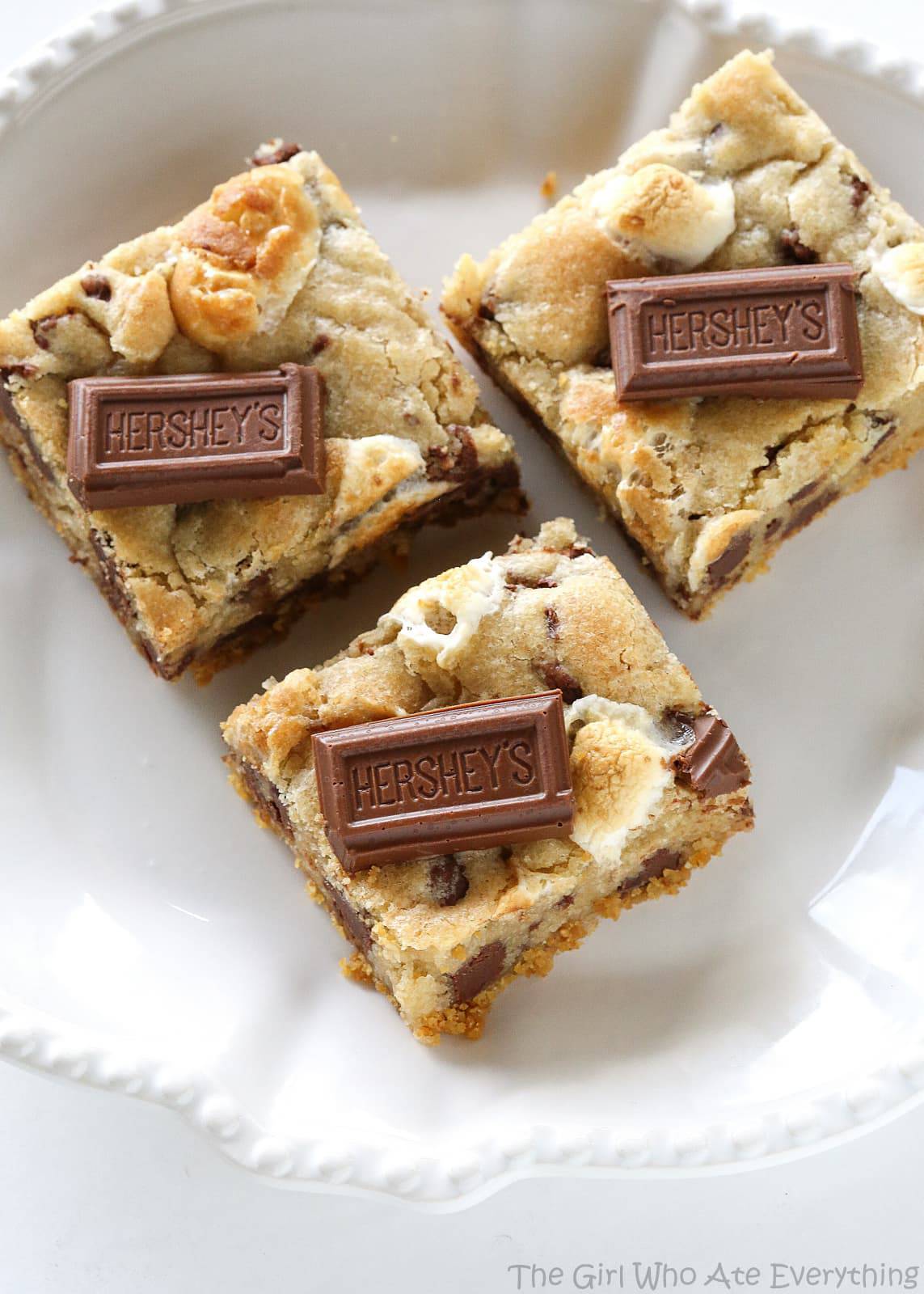
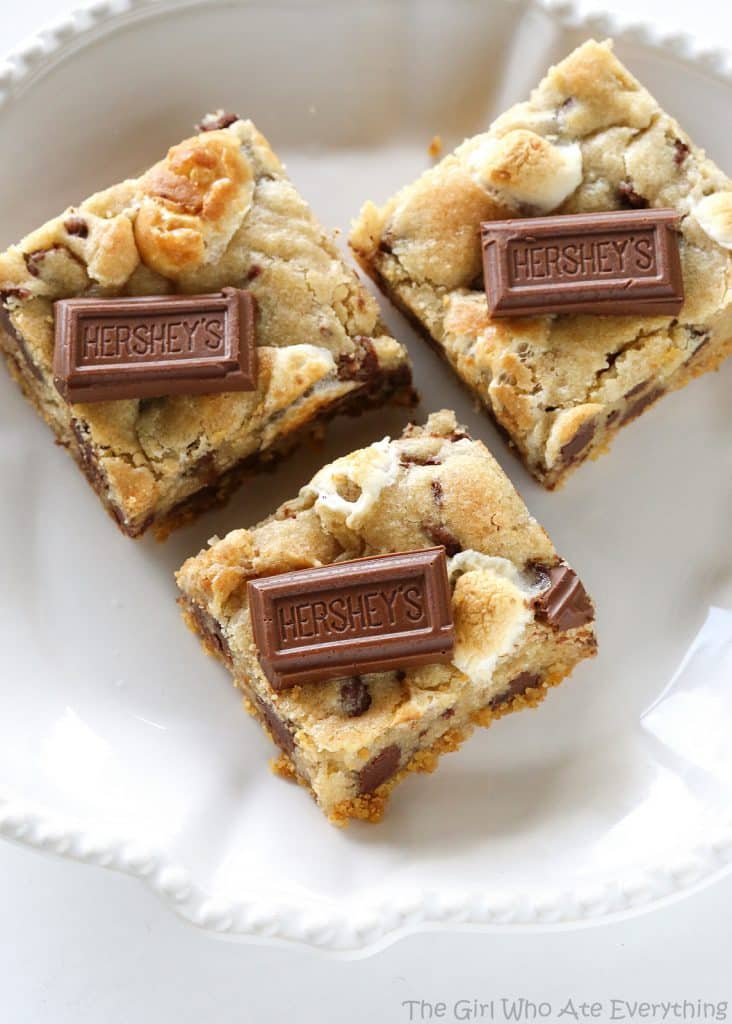
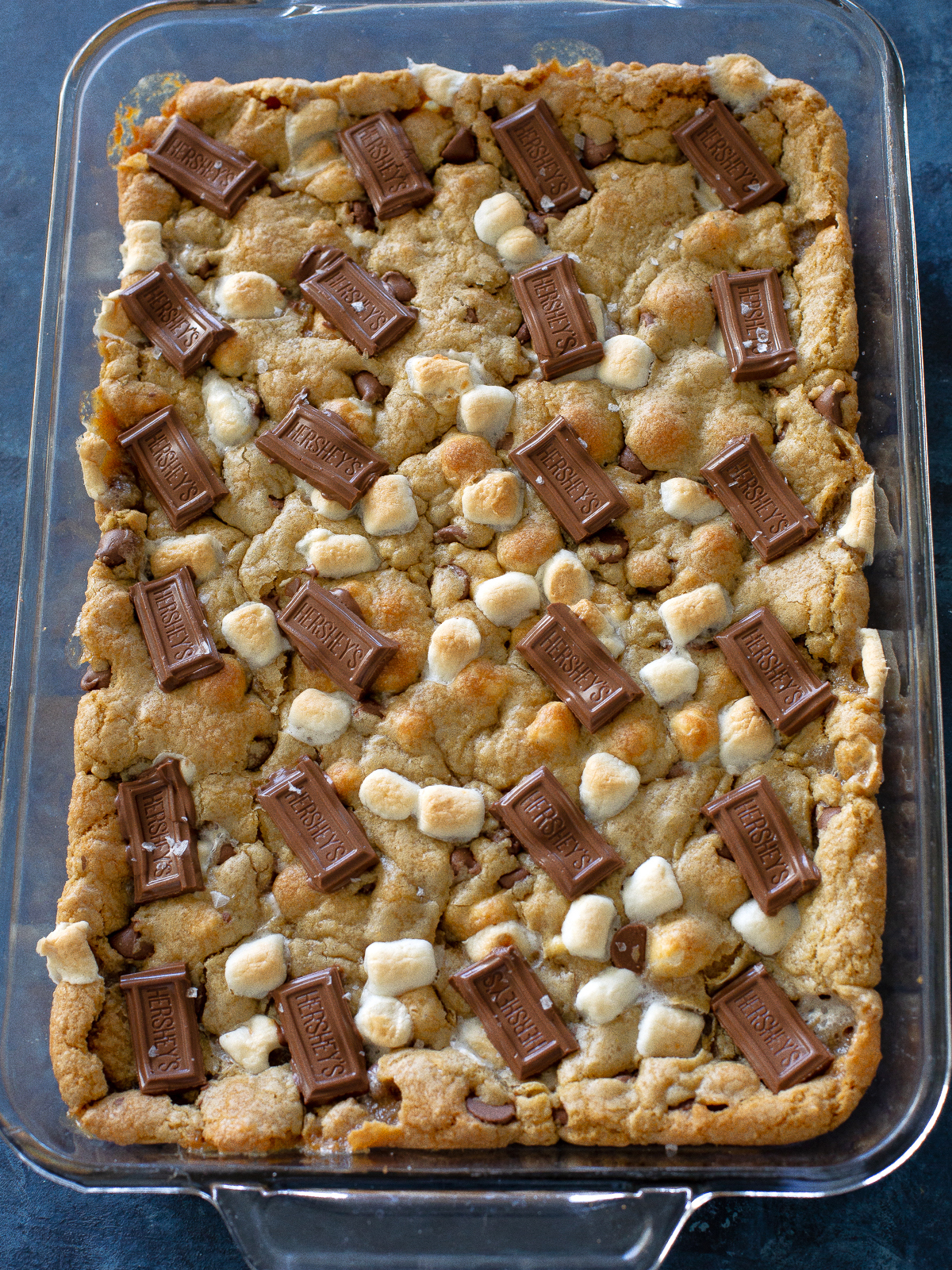
The base of the dessert is a graham cracker crust, which provides a rigid foundation that supports the heavier cookie dough layer. The dough, typically a variation of a standard chocolate chip or sugar cookie recipe, is fortified with marshmallows folded directly into the mixture. This technique, while seemingly straightforward, requires a specific moisture balance to ensure that the marshmallows do not fully dissolve into the dough during the oven cycle, thereby maintaining the chewy texture characteristic of a campfire treat. The final element—the Hershey bar topping—is added either during the final minutes of baking or immediately upon removal from the oven to allow for a tempered, controlled melt that mimics the consistency of a warm, fresh s’more.
A Chronology of Digital Culinary Collaboration
The history of this particular iteration of S’mores Cookie Bars is inextricably linked to the early 2010s blogging boom. In 2013, the recipe gained significant traction within the online food-writing community. The digital trail of the recipe highlights an interconnected web of creators who frequently referenced one another, effectively crowdsourcing improvements and variations.
A pivotal moment in the history of this recipe involves a cross-referential acknowledgment between Christy Denney, the creator of The Girl Who Ate Everything, and the late Joan of the blog Chocolate, Chocolate, and More. The chronology of their influence is as follows:
- 2013: Initial iterations of the S’mores Cookie Bar begin appearing on various food blogs, including those managed by Denney and Joan.
- 2013–2015: The recipe achieves widespread popularity, becoming a featured item in online collections of "summer-inspired" desserts.
- Circa 2016: Following the sudden passing of Joan, the blogging community faced a period of reflection regarding the legacy of shared digital content.
- Post-2016: The discovery by Denney that her original work had served as the foundational inspiration for Joan’s own recipe created a profound emotional connection between the two creators. This realization served to validate the importance of digital documentation and the legacy of community-shared knowledge.
The Impact of Community-Driven Recipe Development
The transition of recipes from personal journals to public, monetized blog posts has had a profound impact on the culinary industry. Industry analysts suggest that food blogging is no longer merely a hobbyist endeavor but a complex media sector. The growth of this sector is underscored by the following data points:
- Audience Reach: Food-focused websites have seen a consistent year-over-year increase in traffic, particularly for "copycat" or "elevated" versions of classic American snacks.
- Monetization Models: Many bloggers, including Denney, utilize affiliate marketing, where links to baking supplies and ingredients generate revenue, illustrating the commercial viability of home-cooking content.
- Community Engagement: Comment sections and trackbacks serve as the primary mechanism for feedback, allowing for real-time adjustments to recipes based on user experience.
The case of the S’mores Cookie Bar highlights the "blessing" of digital continuity. When a creator passes away, their blog often remains online as a permanent record of their work. For the families of these creators, these websites provide a living archive, while for the community at large, they serve as a repository of historical culinary trends.
Analysis of Consumer Trends in Nostalgia Baking
The popularity of s’mores-themed desserts in professional and amateur kitchens is not coincidental. Marketing experts attribute this trend to "nostalgia-driven consumption," where consumers gravitate toward flavors associated with childhood or communal experiences.
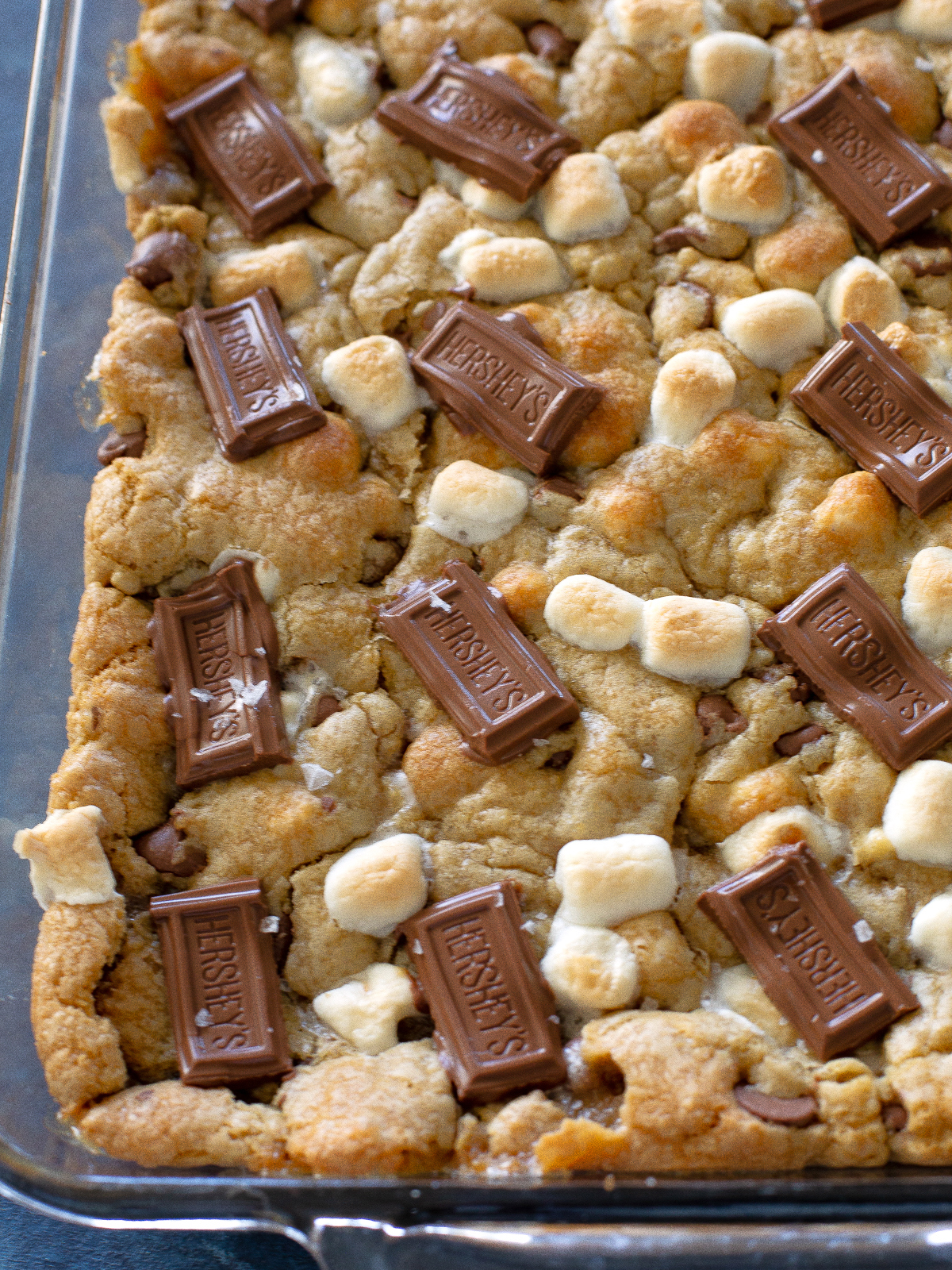
The S’mores Cookie Bar fulfills several consumer desires:
- Convenience: It offers the flavor profile of a campfire s’more without the necessity of an outdoor fire pit.
- Consistency: It provides a reliable, repeatable result that is not subject to the environmental variables—such as wind or uneven flame—of traditional s’more making.
- Portability: The bar format is designed for large-scale social gatherings, making it a preferred choice for events and holidays.
From a sociological perspective, the creation of these bars represents a democratization of baking. By providing granular, step-by-step instructions online, these bloggers lower the barrier to entry for novice bakers, effectively standardizing a recipe that might have previously been guarded as a "family secret."

Broader Implications for Digital Content Creators
The legacy of the S’mores Cookie Bar extends beyond the recipe itself. It stands as a testament to the influence of digital networks on cultural output. The acknowledgment of inspiration between creators, as seen in the interaction between Denney and the late Joan, underscores a shift in how intellectual property and credit are handled in the informal digital economy.
While the culinary arts have historically relied on oral tradition or print cookbooks, the move to digital platforms has created a transparent, if sometimes chaotic, system of attribution. When a blogger credits an inspiration, they are participating in a system of professional courtesy that reinforces the legitimacy of their platform.

Furthermore, the longevity of these recipes demonstrates that digital content can transcend the lives of its creators. The fact that thousands of users continue to access these recipes years after their initial publication suggests that food blogging has achieved a level of permanence akin to traditional literature. The S’mores Cookie Bar, with its layers of graham, marshmallow, and chocolate, is more than just a dessert; it is a artifact of the early internet’s collaborative spirit, documenting a time when the digital frontier was just beginning to shape the way the public eats, cooks, and remembers.
As the industry continues to evolve, the focus will likely remain on these high-engagement, comfort-based recipes. The S’mores Cookie Bar will remain a relevant subject of study for those interested in the intersection of digital media, culinary innovation, and the enduring human desire to share and preserve communal experiences.
