
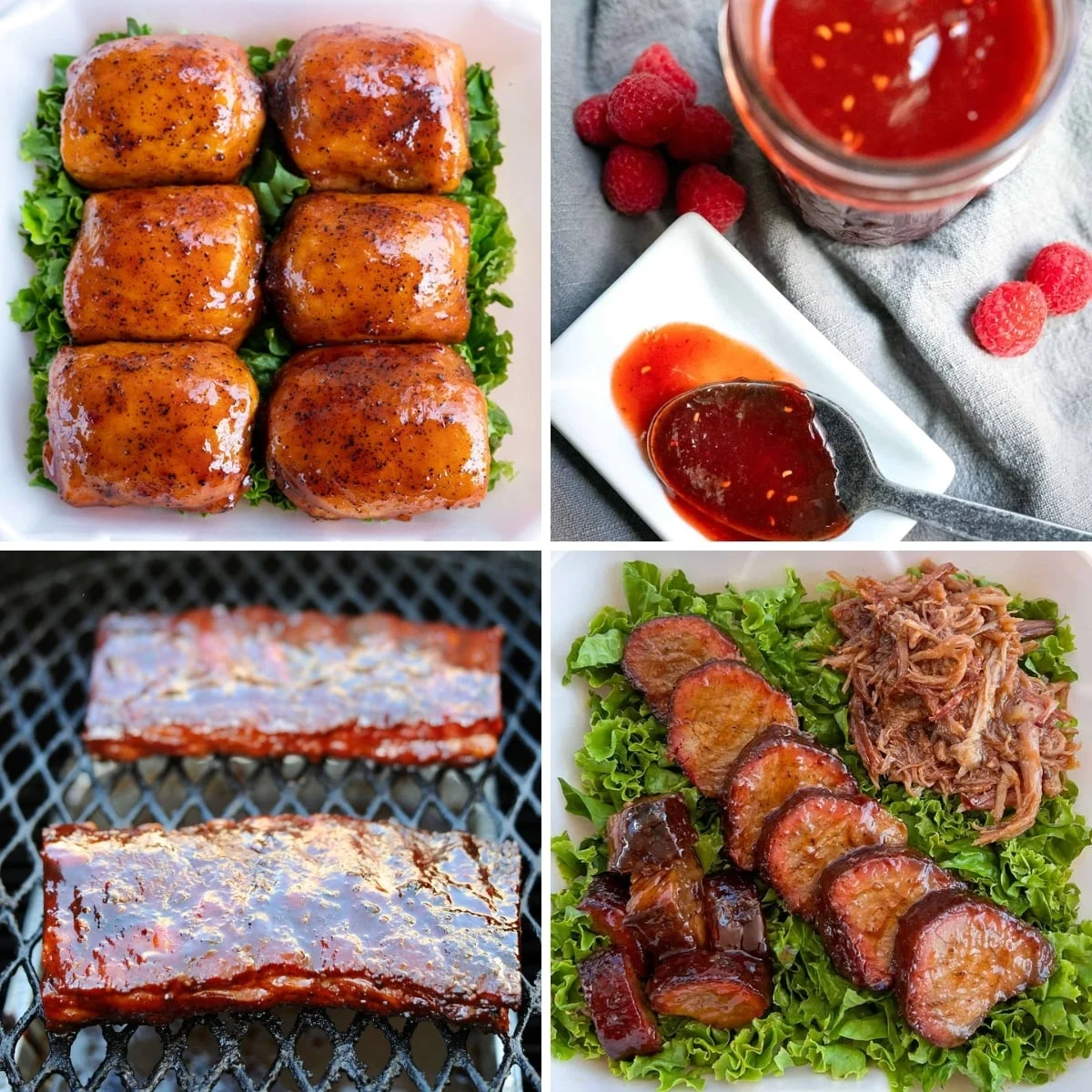
The fifth episode of the current season of Food Network’s Pitmasters has pushed participating chefs to the absolute limits of their craft, stripping away the thematic gimmicks and creative narrative crutches that often define competitive culinary television. In a stark departure from the program’s standard "Big Burn" and "Flash Burn" structure, the latest installment introduced the "Core Four" challenge. This segment required competitors—including prominent barbecue experts Christie of Girls Can Grill and her partner—to execute a rolling, high-pressure service of the four fundamental pillars of American barbecue: chicken, pork ribs, pork shoulder, and beef brisket.
The Evolution of Competition Barbecue
The shift in format serves as a rigorous technical examination of a pitmaster’s core competencies. While previous rounds in the competition allowed for thematic creativity, such as whole-animal preparation or experimental, meat-free plant-based dishes, the Core Four round is widely viewed by industry professionals as the "great equalizer." By forcing contestants to manage four distinct proteins simultaneously, the competition tests time management, heat regulation, and the ability to maintain consistency under extreme environmental conditions.

The judging criteria were simplified to emphasize the three essential metrics of professional barbecue: time, temperature, and texture. Without the ability to rely on complex flavor profiles or avant-garde concepts to distract from technical errors, participants were held to an exacting standard. Any failure to properly render fat or achieve the correct internal temperature resulted in immediate point deductions.
Chronology of the Challenge
The event was marked by a rolling submission schedule, which eliminated the possibility of extended preparation times for any single protein. Each round carried a $1,000 prize for the winning team, with a $3,000 bonus allocated to the team that achieved the highest cumulative score across all four categories.
The chicken round served as the opening salvo. Competitors utilized a "hot and fast" cooking methodology to compensate for the condensed three-hour window. This technique, while effective for maintaining texture, requires constant vigilance to prevent the delicate skin from burning. As the chicken round progressed, environmental conditions shifted drastically; participants faced a sudden, localized hailstorm. This unexpected weather event forced a rapid recalibration of equipment and timing. Industry observers noted that the resilience of teams in such conditions often becomes the deciding factor in professional circuits.

Following the chicken round, the competition shifted to pork ribs. The focus here was on achieving a competition-style bite—a specific degree of tenderness where the meat pulls cleanly from the bone without falling apart. The subsequent pork shoulder round emphasized the "money muscle," a highly coveted, well-marbled section of the pork butt that is frequently the deciding factor in high-stakes professional competitions.
Technical Analysis and Ingredient Strategy
The strategy employed by the contestants during the chicken round involved breaking down whole birds into parts. This decision allowed for superior control over the cooking process, as wings, legs, and thighs possess different fat contents and muscle densities. By opting to serve crispy chicken skin as a garnish rather than relying on the breast meat, the teams prioritized texture, a move that garnered favorable feedback from judges, including Big Moe Cason, who specifically noted the quality of the rendered fat.
In the pork rib round, participants moved away from traditional heavy glazes in favor of bright, acidic profiles, specifically utilizing yuzu—a Japanese citrus fruit. This ingredient choice represents a broader trend in contemporary barbecue where chefs are increasingly incorporating global acids to cut through the richness of slow-cooked, fatty meats. While some judges debated the intensity of the citrus, the technical execution of the ribs was lauded as meeting professional standards.

The pork shoulder round highlighted the importance of seasoning precision. Despite perfect cooking times and favorable texture scores, a deficiency in salt levels resulted in a loss for some competitors. This underscores a critical reality of the professional circuit: a perfectly cooked, tender, and properly smoked protein can still be deemed a failure if the seasoning balance is not precise.
The Significance of Equipment and Professional Standards
The episode also provided a unique window into the professional equipment used by modern pitmasters. The widespread use of specialized heat-resistant gloves during the competition signifies a transition toward more ergonomic and safer cooking practices in high-heat environments. As noted by observers, the ability to maneuver around active fireboxes and hot grates without hindering dexterity is essential for managing the multiple, overlapping cooking times required by the Core Four format.
Broader Implications for the Industry
The Core Four format reflects a growing demand for transparency in culinary competitions. By stripping away external variables, the show forces contestants to demonstrate mastery over the fundamentals of smoke, salt, and heat. The industry impact of such challenges is significant; they serve as a benchmark for what constitutes "competition-ready" barbecue. For aspiring pitmasters, the techniques displayed—such as the hot and fast rib method and the strategic breakdown of poultry—provide a practical roadmap for achieving consistent results in a fraction of the traditional cook time.

Current Standing and Future Outlook
As of the conclusion of the episode, the final rankings remain in flux, as the program ended midway through the brisket round. The final scores, which will account for the performance of the brisket as well as the aggregate performance across the entire Core Four, are expected to be announced in the forthcoming installment.
The tension surrounding the final results highlights the volatility of the competition. The brisket, often considered the most difficult protein to master due to its thick fat cap and long, sensitive cook time, will serve as the final determinant for the $3,000 bonus. The ability to manage the brisket alongside the residual heat from the previous rounds will test the structural integrity of the contestants’ fire management systems.
The competition continues to serve as a platform for demonstrating that even under the most unpredictable circumstances—including severe weather and strict, unforgiving deadlines—the foundation of American barbecue remains rooted in technical precision. For the participating pitmasters, the challenge is not merely to create a palatable meal, but to execute at a level of consistency that satisfies the stringent, often subjective, expectations of a professional judging panel. Viewers can expect the final resolution of the Core Four challenge to set the tone for the remainder of the season, potentially shifting the momentum in favor of those who prioritize fundamental technique over stylistic experimentation.
