
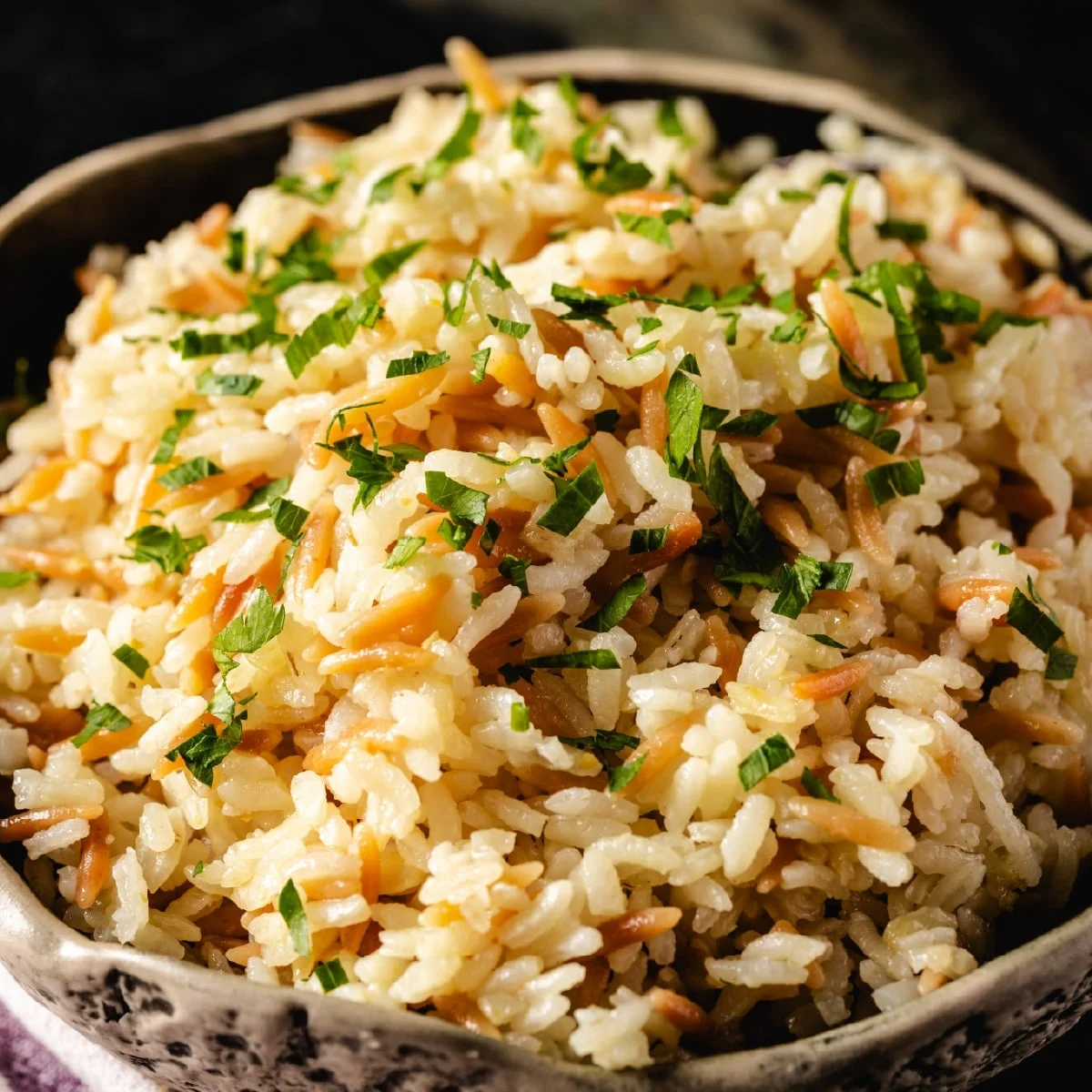
The evolution of outdoor culinary practices has shifted significantly over the past decade, moving beyond simple protein-centric preparations to embrace a more sophisticated, holistic approach to side dishes. Among the most versatile and technically efficient additions to the modern grill master’s repertoire is the Garlic Rice Pilaf. By utilizing the conductive properties of a cast-iron skillet, home cooks and professional chefs alike have found that this five-ingredient preparation provides a consistent, texturally complex foundation for smoked and grilled meats. As backyard cooking continues to mirror restaurant-quality standards, the mastery of starch-based accompaniments—specifically those that leverage the Maillard reaction—has become a hallmark of competent outdoor culinary execution.
Historical Context and Technical Foundations
The origins of pilaf—or pilau—trace back to the Indian subcontinent and the Middle East, where the technique of sautéing grains in fat before simmering them in stock became a primary method for ensuring individual grain separation and flavor infusion. In a modern American context, the transition of this dish to the backyard grill represents a synthesis of traditional methods and contemporary equipment.

The primary innovation in this specific preparation involves the strategic use of orzo—a rice-shaped pasta—alongside medium-grain white rice. When toasted in butter within a cast-iron skillet, the orzo undergoes a controlled browning process. This browning, or toasting, creates a distinct nutty profile that contrasts with the starchier, softer profile of the rice. From a culinary science perspective, this dual-texture approach provides a sensory experience that standard, boiled white rice cannot replicate, making it an ideal companion for the rich, rendered fats characteristic of smoked brisket, pulled pork, or grilled poultry.
Chronology of Preparation and Implementation
Achieving a high-quality result requires a disciplined approach to timing and heat management. The process, typically spanning 30 minutes, follows a rigid sequence of operations:
- Sautéing and Toasting: The process commences with the melting of fat, typically butter or a high-smoke-point oil, in a preheated cast-iron skillet. The orzo is introduced first, requiring constant movement to ensure even browning without burning. This phase is critical; the objective is to achieve a golden-brown hue, which signals the development of depth in the final product.
- Grain Integration: Once the orzo reaches the desired color, the rice is added. This step serves to coat the individual rice grains in the fat, which acts as a barrier during the initial simmer, preventing the starches from clumping together and ensuring the final result is "fluffy" rather than porridge-like.
- Simmering and Steaming: The final step involves the addition of stock—typically chicken or vegetable-based—which provides the necessary hydration and seasoning. The skillet is then covered, allowing the rice and pasta to absorb the liquid at a consistent, low-heat rate. Resting the rice for five to ten minutes after removing it from the heat is an essential step, allowing the residual steam to finalize the texture.
Nutritional Profile and Dietary Implications
While often categorized as a "comfort food" or a high-carbohydrate side, a standard serving of Garlic Rice Pilaf provides a balanced energy source for individuals engaged in active outdoor activities. Based on current nutritional approximations, a single serving contains approximately 286 kcal.

The macronutrient breakdown typically includes 50 grams of carbohydrates, 8 grams of protein, and 5 grams of fat. The inclusion of aromatic elements such as garlic and fresh herbs provides micronutrients, including Vitamin A and C, and minerals such as calcium and iron. For those managing caloric intake, the dish serves as a dense, satisfying carbohydrate source that complements the protein-heavy nature of traditional barbecue menus, allowing for smaller portions of meat to feel more satiating.
Professional Perspectives on Culinary Pairing
Culinary experts and professional pitmasters frequently highlight the "sauce-retention" capabilities of pilaf. Unlike flat, plain rice, the grain structure of a pilaf acts as a vehicle for juices. When paired with smoked meats—particularly those finished with a glaze or a vinegar-based sauce—the pilaf absorbs the runoff, effectively integrating the flavors of the meat into the base of the meal.
"The objective of a side dish in a barbecue setting is to elevate the protein, not distract from it," notes a culinary consultant specializing in outdoor cooking techniques. "A well-executed pilaf provides a neutral yet flavorful stage. By utilizing stock instead of water, the cook ensures that the rice is not just a filler, but an active participant in the flavor profile of the plate."

Broader Market Impact and Home Cooking Trends
The rise in popularity of such recipes is heavily influenced by the accessibility of high-quality cast-iron cookware and the proliferation of digital platforms dedicated to outdoor cooking. Data from kitchenware retailers indicates a consistent upward trend in the sales of seasoned cast-iron skillets, which are increasingly viewed as essential, multi-generational tools rather than niche equipment.
Furthermore, the "meal prep" movement has significantly influenced how home cooks select their recipes. Because this specific pilaf can be stored in airtight containers for three to four days, it serves a dual purpose: as a fresh side for a weekend barbecue and as a foundation for weekday lunches. The resilience of the dish under refrigeration makes it an efficient choice for those looking to optimize their time spent in the kitchen.
Challenges and Best Practices
Despite its simplicity, the dish is subject to common technical errors. The most frequent failure point is the improper ratio of liquid to grain, which can result in undercooked, crunchy centers or overcooked, mushy exteriors. Industry experts recommend a consistent 2:1 liquid-to-grain ratio, adjusted slightly based on the specific type of long-grain rice used.

Additionally, temperature control is paramount. Using a cast-iron skillet provides superior heat retention compared to stainless steel or aluminum, but it also carries the risk of hot spots. It is recommended to use the skillet on a stable, flat surface—whether a stovetop or a dedicated grill burner—to ensure that the liquid evaporates at the same rate across the entire surface area of the pan.
Conclusion
The Garlic Rice Pilaf serves as a testament to the idea that complex flavors do not necessitate complex ingredients. By focusing on the fundamental principles of grain preparation—toasting, coating, and controlled hydration—home cooks can achieve results that rival professional culinary standards. As the backyard barbecue culture continues to mature, the emphasis will likely remain on these foundational side dishes that bridge the gap between simple outdoor grilling and refined dining. Whether utilized for a large-scale event or a casual weekend meal, the dish remains a reliable, cost-effective, and technically sound staple for any kitchen environment. Through the strategic application of five simple ingredients, the home cook is empowered to transform a basic starch into an essential component of the culinary experience.
