
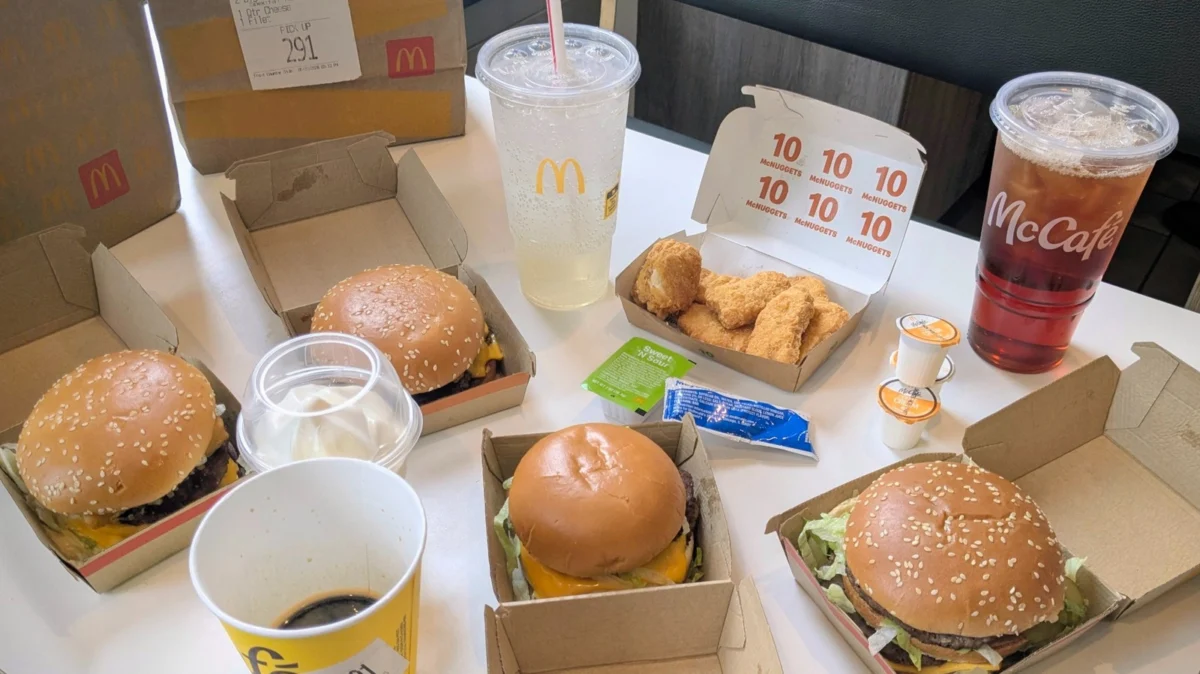
The digital age has ushered in an era of culinary creativity, particularly within the fast-food landscape. Social media platforms like TikTok and Instagram have become fertile ground for "food hacks," allowing consumers to reimagine and customize their favorite chain meals. McDonald’s, an undisputed titan of American fast food, is no exception to this trend. Beyond the standard menu offerings, a universe of bespoke orders awaits those who know what to ask for. This exploration delves into a curated selection of these McDonald’s ordering hacks, rigorously tested to discern which ones truly elevate the dining experience and which are best left to the realm of viral trends.
The evolution of fast-food ordering has been a fascinating societal shift. Once confined to the printed menu, consumers now possess the tools and the desire to personalize their meals, often seeking ways to save money or simply create more exciting flavor combinations. This phenomenon is not entirely new; resourceful diners have always sought ways to tweak their orders. However, the speed and reach of social media have amplified this trend exponentially, turning everyday consumers into amateur culinary engineers. McDonald’s, with its ubiquitous presence and diverse menu, serves as a particularly popular canvas for these innovations. From simple ingredient swaps to elaborate multi-item constructions, the possibilities appear endless. Yet, as with any trend, not all hacks are created equal. Some can lead to delightful culinary discoveries, while others might result in disappointment or even an unwelcome encounter with disgruntled staff. This article aims to sift through the noise, identifying the hacks that genuinely deliver on their promise of an enhanced McDonald’s experience.
The Surf ‘n’ Turf: A Maritime Twist on a Classic
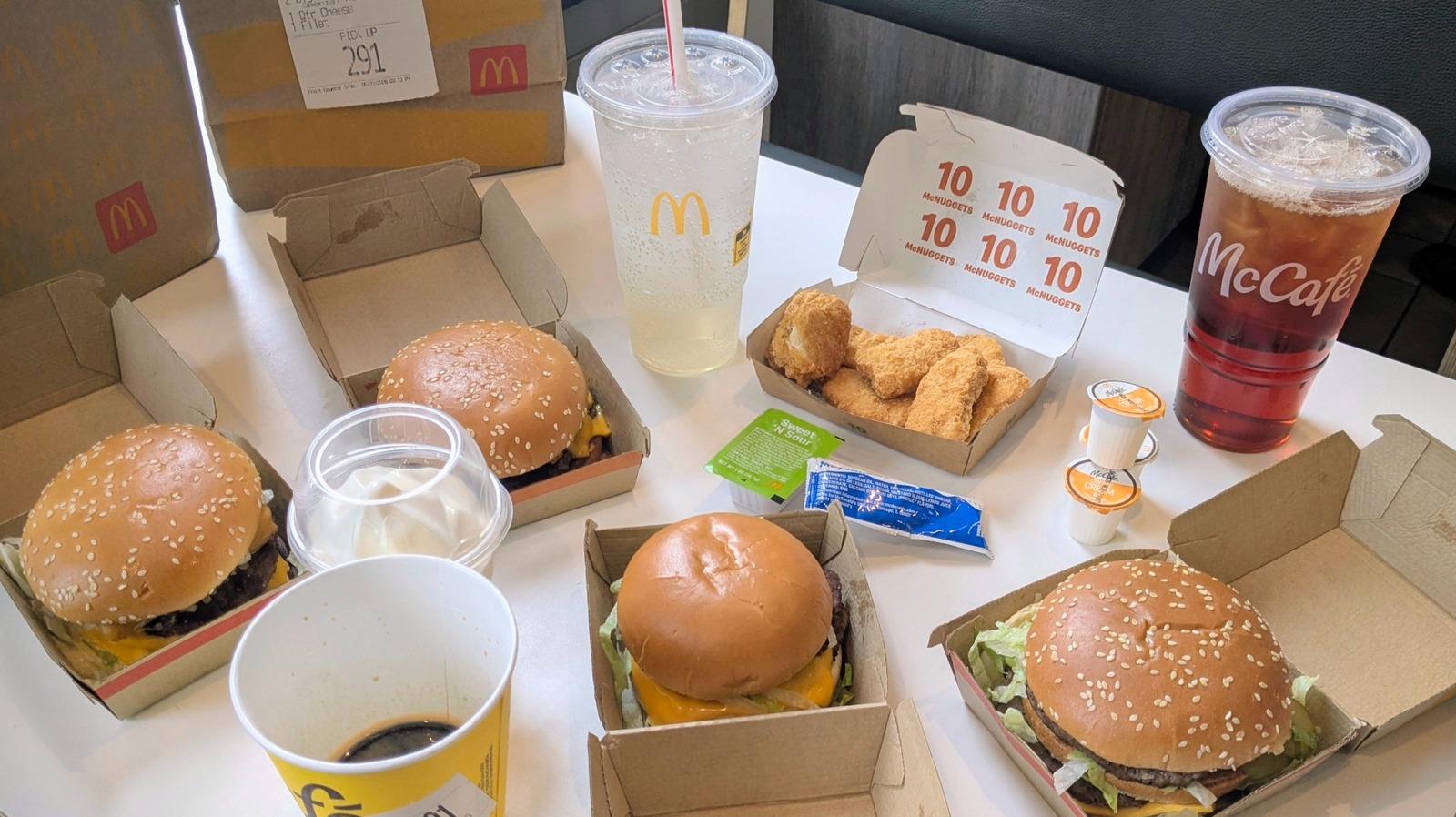
The concept of "surf and turf" typically conjures images of high-end dining, featuring the luxurious pairing of steak and seafood. However, the fast-food interpretation of this classic combination offers a more accessible, albeit unconventional, approach. At McDonald’s, this hack leverages the chain’s often-maligned Filet-O-Fish patty and integrates it into a more substantial burger. The Filet-O-Fish itself has a complex reputation. Critics often point to its single, thin slice of processed cheese, the absence of fresh vegetables, and a fish patty that can be perceived as bland. Despite these critiques, the sandwich holds a niche following and, more importantly, provides a key component for this creative hack.
The "Surf ‘n’ Turf" is constructed by taking the fish patty from a Filet-O-Fish and adding it to a Big Mac or a Quarter Pounder. While some McDonald’s locations might accommodate direct construction by staff, it is more commonly a DIY endeavor for the customer. The addition of the crispy, dense fish patty, despite its neutral flavor profile, contributes a significant textural element and a more satisfying bite to the burger. The key to unlocking its full potential, however, lies in generous saucing. The added moisture and flavor from condiments like tartar sauce, ketchup, or even special sauces can transform the otherwise subdued fish into a complementary component that enhances the overall burger experience. This hack essentially creates a larger, more substantial burger with an unexpected textural dimension, proving that even less popular menu items can find new life through creative combination.
The Ultimate Bun Swap: Elevating the Burger Experience
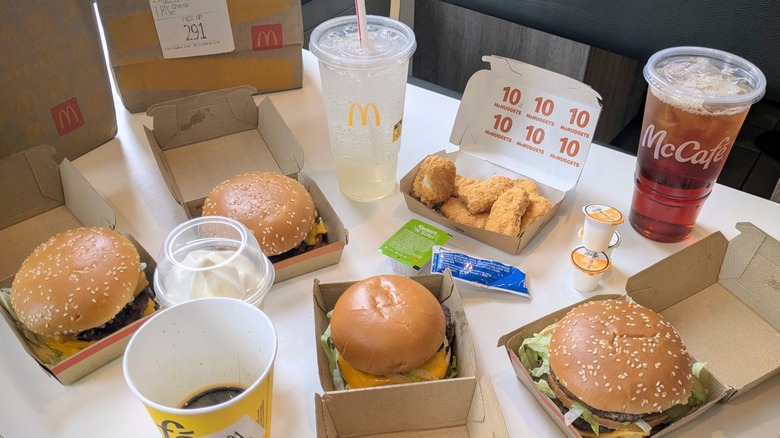
Beyond the ingredients within a burger, the vessel that holds them—the bun—plays a crucial role in the overall texture and perception of taste. McDonald’s typically uses a sesame seed bun for most of its burgers, a familiar and functional choice. However, the Filet-O-Fish boasts a unique bun: a soft, warm, steamed bun. This seemingly minor detail is the cornerstone of another highly effective McDonald’s ordering hack. By requesting that your preferred burger be served on the steamed bun typically reserved for the Filet-O-Fish, you can significantly enhance the burger’s appeal.
The difference is palpable. While sesame seed buns can sometimes feel dry or stale, the steamed bun offers a delightful squishiness and a consistently fresh, melt-in-your-mouth texture. It provides a softer, more yielding counterpoint to the beef patties, creating a sensation reminiscent of the beloved sliders from White Castle, a brand renowned for its distinct bun. This hack is celebrated for its simplicity and profound impact on the burger’s overall quality. It transforms a standard McDonald’s burger from merely "fine" to "fantastic," offering a level of comfort and enjoyment that belies its straightforward execution. The steamed bun’s ability to hold together without becoming soggy, while still providing that characteristic melt, makes it an ideal partner for the rich flavors of a Big Mac or Quarter Pounder.
The Quarter Pounder Crunch: Adding Texture and Depth
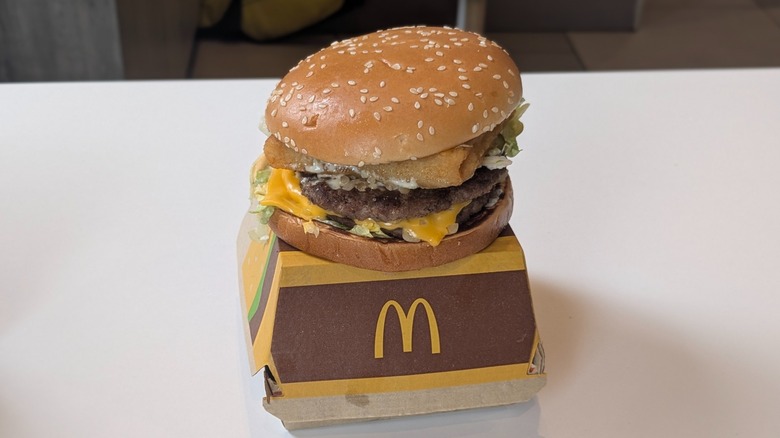
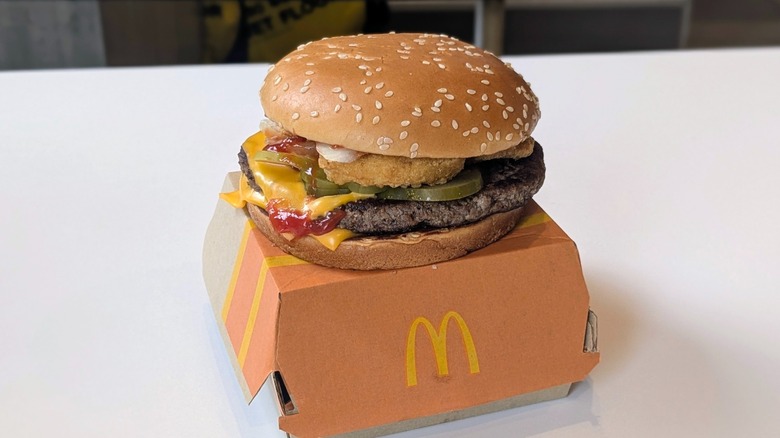
Burgers, by their very nature, benefit from textural contrast. Crispy elements like bacon, fried onions, or even potato chips can elevate a burger from a monotonous bite to a dynamic culinary experience. McDonald’s burgers, particularly the leaner patties, can sometimes lack that satisfying crunch. The "Quarter Pounder Crunch" hack addresses this by incorporating an unexpected, yet effective, crunchy element: Chicken McNuggets.
The premise is simple: add a few Chicken McNuggets to your Quarter Pounder. While some McDonald’s employees might be willing to add nuggets directly to the burger, it’s more likely that customers will need to order a small side of nuggets separately and assemble the hack themselves. The critical component for the success of this hack is the judicious use of sauce. Without adequate sauce, the combination of beef and chicken can result in a dry experience. The hack becomes truly successful when the burger is fully sauced, or when additional sauces are provided on the side. Ketchup and mayonnaise are classic choices, but barbecue sauce also pairs exceptionally well with the blended flavors of beef and chicken. The McNuggets not only provide a crucial textural contrast but also add a subtle, savory flavor that complements the beef, creating a more substantial and texturally interesting burger. This hack transforms the standard Quarter Pounder into a more complex and satisfying meal, offering a delightful interplay of flavors and textures.
The McHorchata: A Sweet Tea Transformation
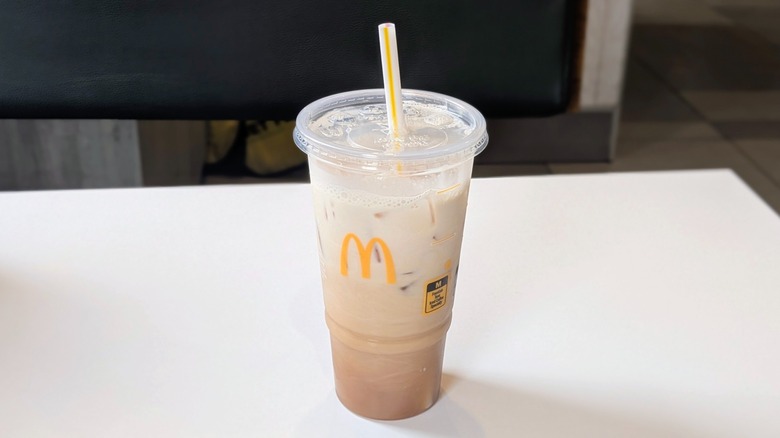
The beverage landscape at McDonald’s offers a surprising array of possibilities for customization, and the "McHorchata" hack exemplifies this. This unconventional drink creation starts with McDonald’s popular sweet tea, a beverage deeply ingrained in the culinary traditions of the American South. The hack involves transforming this Southern-style sweet tea into a creamy, Mexican-inspired horchata.
The magic behind the McHorchata lies in the addition of a few standard coffee creamers and a sprinkle of cinnamon. While the exact scientific principles are complex, the combination remarkably mimics the flavor profile of traditional horchata. A classic horchata recipe typically includes rice, evaporated milk, and cinnamon, creating a subtly sweet, creamy, and spiced beverage. The McDonald’s version achieves a similar effect by using the pre-existing sweetness of the tea as a base, enhanced by the richness of the creamers and the aromatic warmth of cinnamon.
To execute this hack, a medium-sized sweet tea is recommended. Three small creamer cups, when added to the tea, provide the necessary dairy richness. While some McDonald’s locations may offer cinnamon, it’s advisable for customers to bring their own to ensure they can achieve the authentic horchata flavor. The result is a surprisingly delicious and unique beverage that offers a refreshing departure from standard fast-food drink options. This hack underscores the potential for creativity within seemingly simple menu items, turning a familiar drink into an exotic treat.
Cotton Candy Sprite: A Sweet and Tangy Surprise
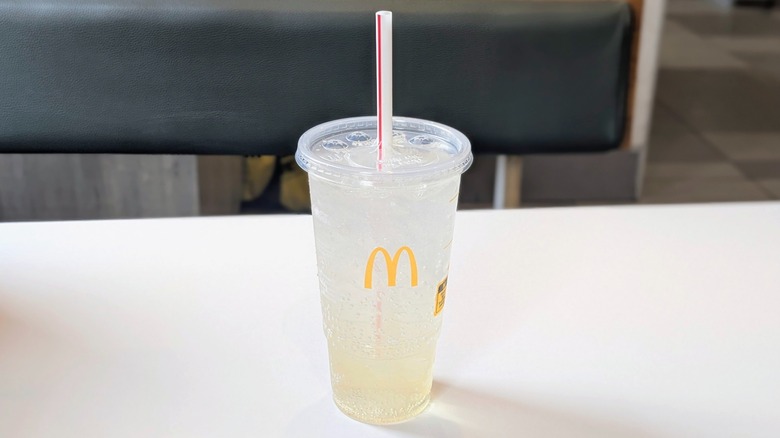
The combination of lemon, lime, and vanilla might not immediately strike one as a harmonious flavor profile. The tartness of lime can often clash with the mellow sweetness of vanilla, resulting in a flavor that can feel jarring. However, when applied to the effervescent and distinctly artificial citrus notes of Sprite, this combination yields an unexpectedly delightful result. The "Cotton Candy Sprite" hack involves adding French vanilla syrup to a Sprite, creating a drink that, while not precisely tasting like cotton candy to all palates, offers a unique and appealing flavor.
The process is straightforward: request a few pumps of French vanilla syrup in a drink cup, then fill it with ice and Sprite. The resulting beverage is a departure from the standard Sprite, offering a complex flavor profile that is neither purely vanilla nor purely lemon-lime. It has been described as a cream soda with a subtle, tart, candy-like finish. The sweetness is present but not overwhelmingly sugary, making it a pleasant accompaniment to a savory meal. The ratio of three pumps of vanilla syrup to a medium-sized cup of Sprite is often cited as ideal for achieving this balanced flavor. This hack is a testament to the power of unexpected ingredient pairings and demonstrates how simple additions can create a novel and enjoyable beverage experience.
The McAffogato: A Fast-Food Dessert Revelation
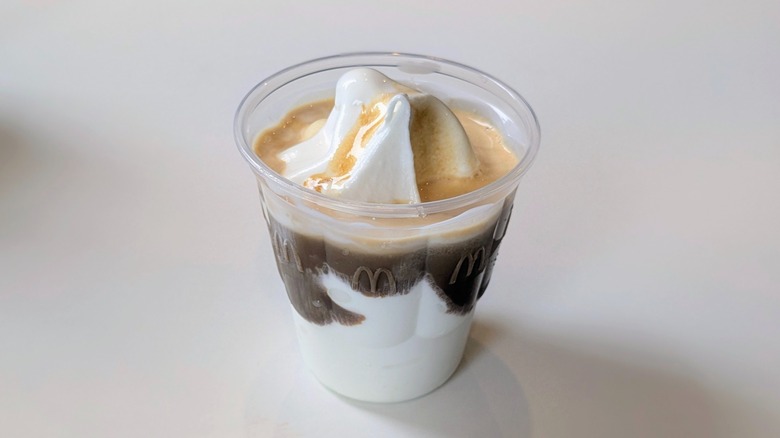
The Italian dessert known as an affogato, which features a scoop of gelato drowned in a shot of hot espresso, is a simple yet sophisticated treat. It offers a delightful contrast of temperatures and textures, with the hot, bitter espresso melting the cold, sweet gelato. While McDonald’s may not serve gelato, it does offer the next best thing: soft-serve vanilla ice cream. The "McAffogato" hack cleverly bridges the gap between fast-food convenience and gourmet dessert inspiration.
The execution of this hack involves ordering a single or double shot of espresso and a vanilla soft-serve, typically served in a plastic cup (essentially a cone-less sundae). The key to a successful McAffogato lies in the ratios and the timing. After taking a few bites of the soft-serve to create space, the espresso is poured directly into the cup. This allows for a gradual melting of the ice cream, preserving the distinct textures of both components for a short period. The espresso from McDonald’s, while not specialty-grade, is surprisingly robust and complements the creamy sweetness of the soft-serve effectively. This hack is lauded for its simplicity and its ability to deliver a high-quality dessert experience with minimal effort. It transforms a common fast-food offering into an elegant and satisfying treat, proving that sophisticated desserts are accessible even in the realm of quick service.
Your New Favorite Nugget Dip: A Condiment Collaboration
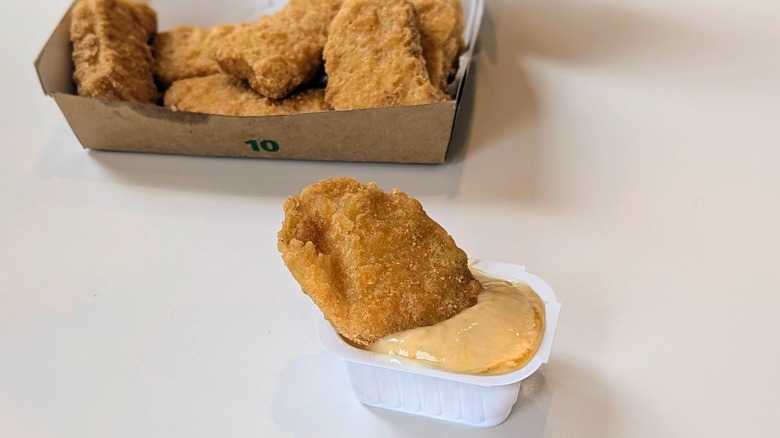
Condiment combinations are a playground for adventurous eaters, and the "Your New Favorite Nugget Dip" hack pushes the boundaries by pairing two seemingly disparate sauces: mayonnaise and sweet and sour sauce. On paper, the rich, fatty nature of mayonnaise combined with the tangy sweetness of sweet and sour sauce might sound unappealing. However, this hack proves that sometimes, the most unexpected pairings yield the most delicious results.
The recommended ratio for this dip is 2 parts sweet and sour sauce to 1 part mayonnaise. This proportion allows the dominant sweet and sour flavor to shine through, but with a softened intensity. The mayonnaise adds a crucial element of richness and a subtle eggy undertone without diluting the overall flavor profile. The result is a dip that is both complex and addictive. Solo, sweet and sour sauce can lead to flavor fatigue, while mayonnaise alone is a lackluster dipping option for McNuggets. Together, however, they create a harmonious blend that is both familiar and novel. This hack highlights how a simple mix of readily available condiments can create a new culinary experience, transforming a standard Chicken McNugget order into something extraordinary.
The Bigger Mac: Enhancing an Icon
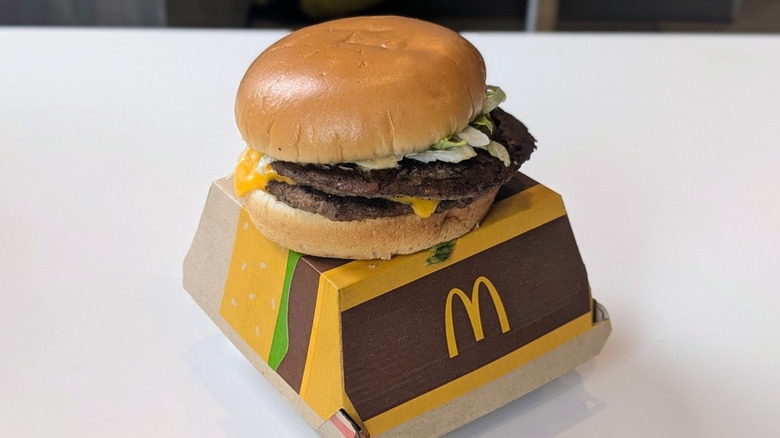
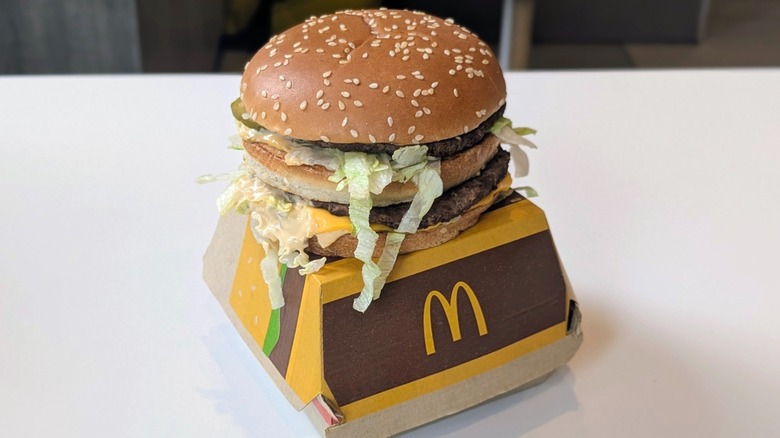
The Big Mac is arguably McDonald’s most iconic burger, instantly recognizable for its layered construction and signature sauce. However, a common critique of the Big Mac is its bread-to-meat ratio, with the patties often perceived as excessively thin. The "Bigger Mac" hack addresses this by strategically substituting the standard Big Mac patties with those from a Quarter Pounder.
The difference in patty size is significant: Big Mac patties weigh one-tenth of a pound, while Quarter Pounder patties weigh a quarter of a pound. Opting for Quarter Pounder patties in a Big Mac effectively doubles the beef content, creating a burger that is considerably more substantial. This modification addresses the long-standing complaint that the Big Mac’s breadiness can overwhelm the flavor of the meat. By increasing the patty size, the beef becomes a more dominant and satisfying component of the sandwich, while still retaining the classic Big Mac construction and its beloved special sauce.
A significant advantage of this hack is that many customers report not being charged extra for this upgrade, although this can vary by location and the discretion of the staff. The "Bigger Mac" hack offers a way to enjoy the familiar taste of a Big Mac with a much-improved meat-to-bread ratio, delivering a more robust and fulfilling burger experience. It’s a simple yet effective modification for those who crave more beef in their iconic McDonald’s order.
Methodology: A Discerning Approach to Viral Trends
The process of identifying and validating these McDonald’s ordering hacks involved a systematic approach. The selections were drawn from popular online articles and viral social media content, focusing on hacks that promised tangible improvements in taste, texture, or overall culinary experience. The criteria for inclusion were strict: the hacks had to be practical for everyday ordering and assembly, and they needed to result in a demonstrably better or more unique final product. Excluded were overly elaborate, excessively large, or purely shock-value creations often promoted by social media personalities focused on extreme food challenges.
Each hack was evaluated based on objective factors such as flavor, texture, and ease of execution. Personal bias was minimized to ensure a fair assessment. The primary consideration was the sensory experience of the final dish or beverage. Additionally, the practicality of ordering was a key consideration, with a preference for hacks that were unlikely to cause significant inconvenience or frustration for McDonald’s employees. Hacks that relied on obscure or unavailable ingredients, or those that were overly complex to explain to staff, were excluded. The goal was to curate a list of hacks that are not only fun to construct and delicious to consume but also respectful of the fast-food operational environment, ensuring a positive experience for both the customer and the staff. The ultimate aim is to empower customers to elevate their routine McDonald’s visits with these well-vetted and rewarding culinary modifications.
