
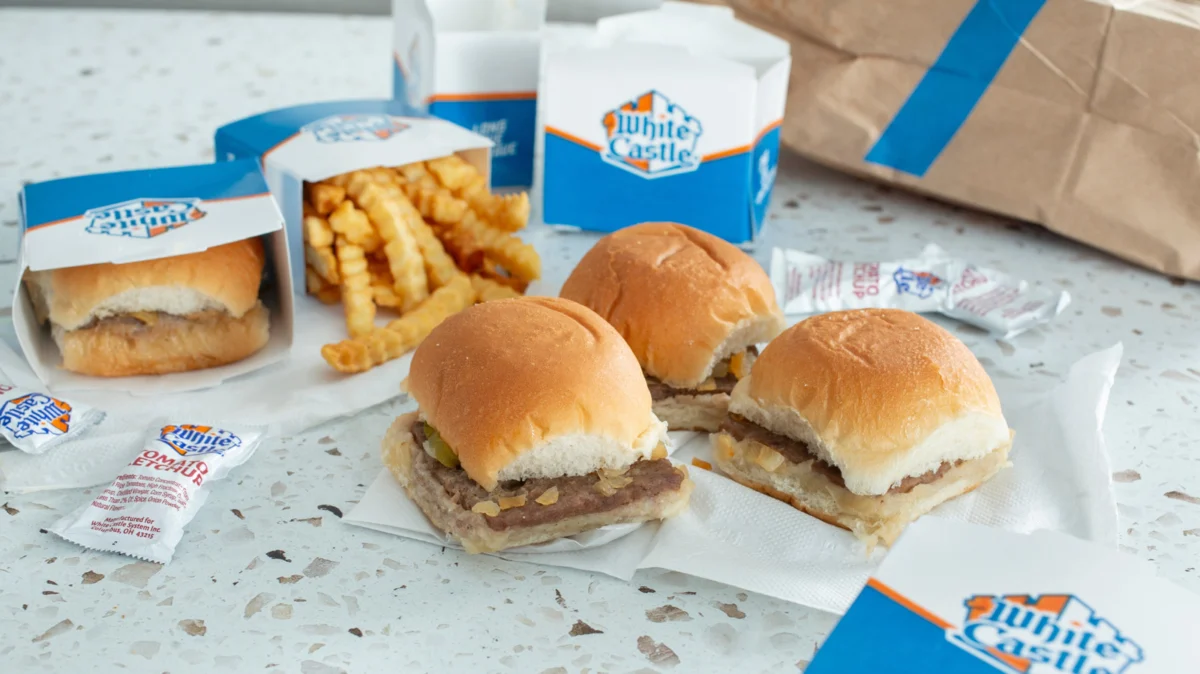
The story of White Castle is the story of the birth of an industry, a testament to how innovation and adaptation can shape a culinary landscape. While today it might be eclipsed in sheer scale by giants like McDonald’s, the humble origins of White Castle in 1921 mark a pivotal moment, laying the groundwork for the global fast-food phenomenon we know today. From its revolutionary approach to food safety and branding to its iconic slider, White Castle’s journey over more than a century reveals a remarkable evolution, a constant interplay between honoring tradition and embracing change.
The Genesis of an Icon: The Birth of the Slider and Fast Food
The year 1921 witnessed the establishment of White Castle in Wichita, Kansas, by Walter Anderson and Billy Ingram. This venture was not a sudden leap but an evolution from Anderson’s earlier burger stand, which had been operating since 1916. It was at this initial stand that Anderson conceived of what would become White Castle’s enduring legacy: the "slider." These were not the thick, dense patties common at the time, but remarkably thin, griddled with onions, a design that significantly sped up cooking times. This innovation was critical in the nascent fast-food environment, where speed and efficiency were paramount.
At the time of their introduction, these diminutive burgers were sold for a mere five cents apiece, a price point that, when adjusted for inflation, is roughly equivalent to about $1 today. Anderson’s encouragement to "buy ’em by the sack" resonated with the working-class populations of Wichita, particularly factory workers, who found the inexpensive, easily consumable sliders to be an ideal meal. This early success underscored the viability of a quick-service, affordable food model.
A Foundation Built on Trust: Branding and Food Safety in an Era of Doubt
The early 20th century was a period marked by public apprehension regarding the safety of food production. Upton Sinclair’s influential 1906 muckraking novel, "The Jungle," had exposed the unsanitary conditions prevalent in meatpacking plants, casting a long shadow of doubt over the integrity of ground meat products. It was against this backdrop of consumer distrust that Billy Ingram and Walter Anderson recognized the need for a powerful brand that could convey both quality and wholesomeness.
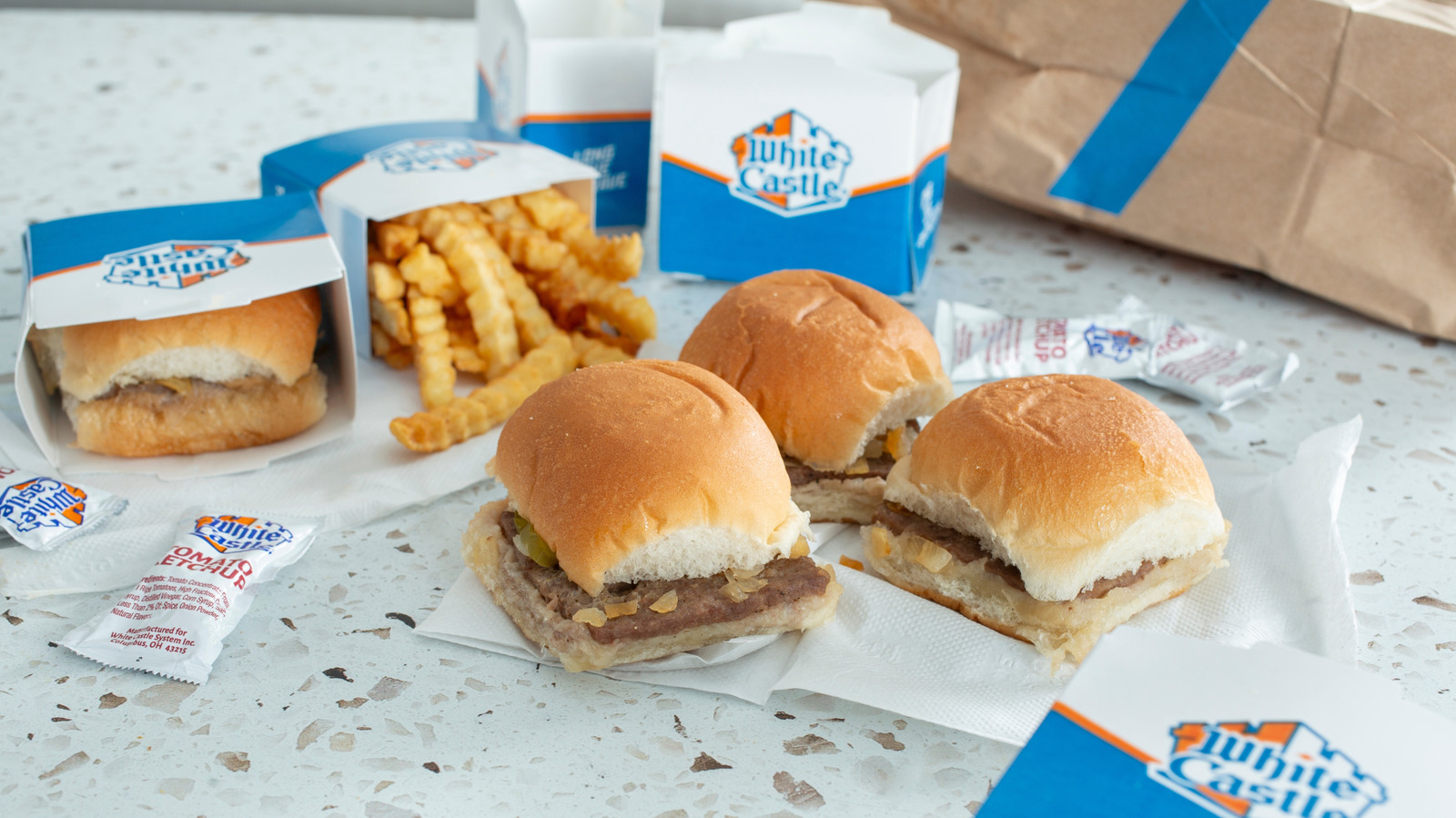
The very name "White Castle" was meticulously chosen to evoke feelings of purity, cleanliness, and strength, akin to a castle built of white, pristine materials. The architectural design of the early White Castle restaurants was also a strategic choice, drawing inspiration from the historic Chicago Water Tower. This aesthetic was intended to project an image of reliability and transparency. A revolutionary feature was the open-concept kitchen, allowing customers to witness firsthand the preparation of their food, from the selection of fresh ground beef to the cooking process. The buildings themselves were constructed from white porcelain steel, a material chosen for its sleek appearance and, crucially, its ease of cleaning. This emphasis on hygiene extended to the employees, who were required to adhere to stringent grooming standards, including immaculate white uniforms, a stark contrast to the often less polished image of food service workers in later decades.
This dedication to visible cleanliness and transparency was a groundbreaking marketing strategy. It directly addressed the public’s anxieties and helped to build a foundation of trust, a crucial element in establishing a lasting food brand. The early White Castle establishments were modest in size, with the original Wichita location featuring only five stools and a counter. This intimate setting, however, facilitated direct interaction and reinforced the sense of community and personal service.
The Evolution of the Dining Experience: From Booths to Takeout
The partnership between Anderson and Ingram proved to be a potent combination, transforming Anderson’s innovative burger concept into a scalable business model. Beyond the product itself, their strategic focus on branding and customer experience set White Castle apart. Less than a decade after its inception, White Castle introduced another industry first: the concept of carry-out service. In 1927, in an era predating the widespread adoption of drive-thrus, White Castle began selling its iconic sliders in distinctive "sacks." This innovation catered to the increasingly mobile lifestyles of Americans, allowing consumers to enjoy their meals on the go. This foresight in anticipating evolving consumer habits foreshadowed the convenience-driven future of the fast-food industry.
A Menu Transformed: From Simplicity to Variety
The menu at White Castle’s inception was remarkably concise, a stark contrast to the extensive offerings of today’s fast-food chains. The original menu featured only four items: the signature slider (without cheese at this point), coffee, Coca-Cola, and an apple pie. Notably absent were french fries, a staple of modern fast-food establishments. It wasn’t until the 1950s that the menu began to expand, with the introduction of cheeseburgers and french fries, marking a significant diversification of their offerings.
Over the decades, White Castle’s menu has continued to evolve, mirroring broader trends in the fast-food industry. Today, customers can choose from a wider array of sliders, including chicken and fish options, alongside sides such as onion rings and mozzarella sticks. While the core slider remains a constant, the expanded menu reflects a strategic effort to appeal to a broader customer base and compete with a more diverse fast-food landscape.
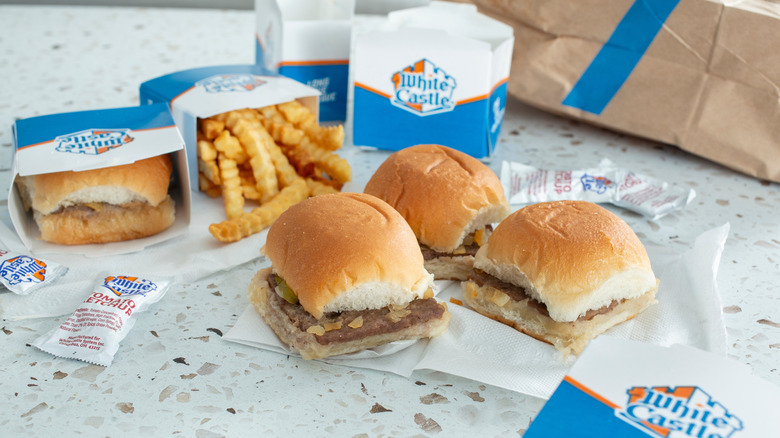
A subtle yet significant detail that emerged from this evolution was the introduction of the signature holes in White Castle sliders in 1954. These small perforations were not merely decorative; they served a functional purpose, facilitating faster and more even cooking, further enhancing the efficiency of the burger preparation process. This seemingly minor addition became an enduring hallmark of the White Castle slider, a recognizable feature that distinguishes it from other fast-food burgers.
The Ripple Effect: Imitators and Enduring Legacy
The success of White Castle did not go unnoticed. Its innovative model and distinctive branding inspired a wave of imitators, with chains like Royal Castle, White Tower, and White Palace emerging in its wake. Among these early competitors, Krystal, founded in 1932, has managed to maintain a regional presence to this day, serving as a testament to the enduring appeal of the slider concept.
By 1961, White Castle had achieved a remarkable milestone, selling its billionth slider. This achievement occurred at a time when McDonald’s, which would later become the world’s largest fast-food chain, was still in its early stages of development. This historical context underscores White Castle’s pioneering role in establishing the foundations of the fast-food industry. Despite the immense changes and the emergence of numerous competitors, White Castle’s commitment to its core product and its pioneering spirit continue to define its place in culinary history. The chain’s evolution from a tiny booth in Wichita to a national institution reflects a profound understanding of consumer needs, a commitment to quality, and an unwavering capacity for innovation.
