
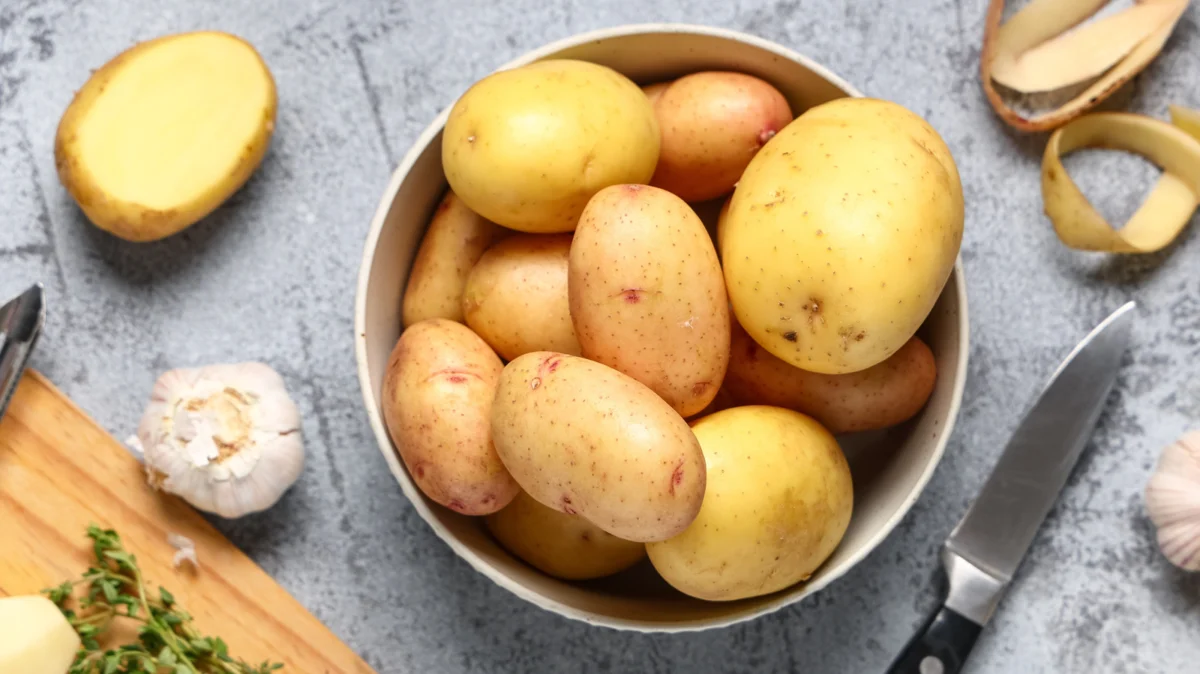
Dirt and debris are an inherent part of cultivating and harvesting potatoes, making thorough cleaning a non-negotiable step in their preparation for culinary use. For generations, home cooks and professional chefs alike have grappled with the best methods to ensure these versatile tubers are free from soil-borne contaminants and safe for consumption. While the traditional approach often involves vigorous scrubbing or complete peeling, a simpler and more efficient technique is emerging, one that not only simplifies the process but also encourages the retention of the potato’s nutritional bounty. This method centers on a pre-soaking technique in cold water, followed by a gentle scrub and rinse, proving that a cleaner potato doesn’t necessarily require aggressive scrubbing that can strip away its valuable skin.
The fundamental importance of washing fresh produce, including potatoes, cannot be overstated. Beyond the visible dirt, produce can harbor agricultural residues such as pesticides, as well as naturally occurring soil bacteria. These contaminants can potentially penetrate the potato’s flesh, posing a health risk if not adequately removed. The United States Department of Agriculture (USDA) consistently advises consumers to wash all fresh fruits and vegetables under running water before eating, cutting, or cooking, regardless of whether the skin is consumed. This recommendation is rooted in preventing the transfer of harmful microorganisms from the exterior to the interior of the food. Crucially, for potatoes, this cleaning process can be achieved effectively with plain cold water, negating the need for soaps or specialized produce washes, which are generally not recommended and can leave behind unwanted residues. The efficacy of cold water lies in its ability to loosen and detach soil particles, significantly reducing the effort required during the subsequent scrubbing phase.
Furthermore, the culinary and nutritional wisdom increasingly advocates for leaving potato skins intact. The skin is not merely a protective layer; it is a concentrated source of essential nutrients. According to the USDA’s National Nutrient Database, potato skins are particularly rich in dietary fiber, potassium, vitamin C, and various B vitamins. Fiber plays a critical role in digestive health, aids in blood sugar regulation, and contributes to satiety. Potassium is vital for maintaining healthy blood pressure and fluid balance. Vitamin C is a potent antioxidant crucial for immune function and collagen production, while B vitamins are instrumental in energy metabolism. When potatoes are peeled, a significant portion of these beneficial compounds is discarded. The act of roasting or baking potatoes with their skins on transforms them into a delightfully crisp and flavorful element of the dish, offering a textural contrast and helping to lock in the potato’s natural moisture, resulting in a more tender and succulent interior. Embracing the skin-on approach, therefore, is a strategy that enhances both the nutritional profile and the gustatory appeal of potato-based meals.
The Soaking Method: A Gentle Approach to Potato Purity
The recommended method for achieving impeccably clean potatoes without compromising their skin involves a straightforward, multi-step process that leverages the power of water and minimal physical intervention. This technique is not only effective but also remarkably efficient, particularly when preparing larger quantities of potatoes.
Step 1: The Initial Soak
The process begins by filling a clean basin, a large bowl, or even a thoroughly scrubbed kitchen sink with cold water. The potatoes are then fully submerged in this water. The duration of this initial soak is typically recommended to be between 15 to 30 minutes. This period allows water to penetrate the soil clinging to the potato’s surface, softening it and initiating the detachment process. As the soil loosens, it will begin to settle at the bottom of the container, providing a visual indicator of the water’s effectiveness.
Step 2: Gentle Scrubbing and Rinsing
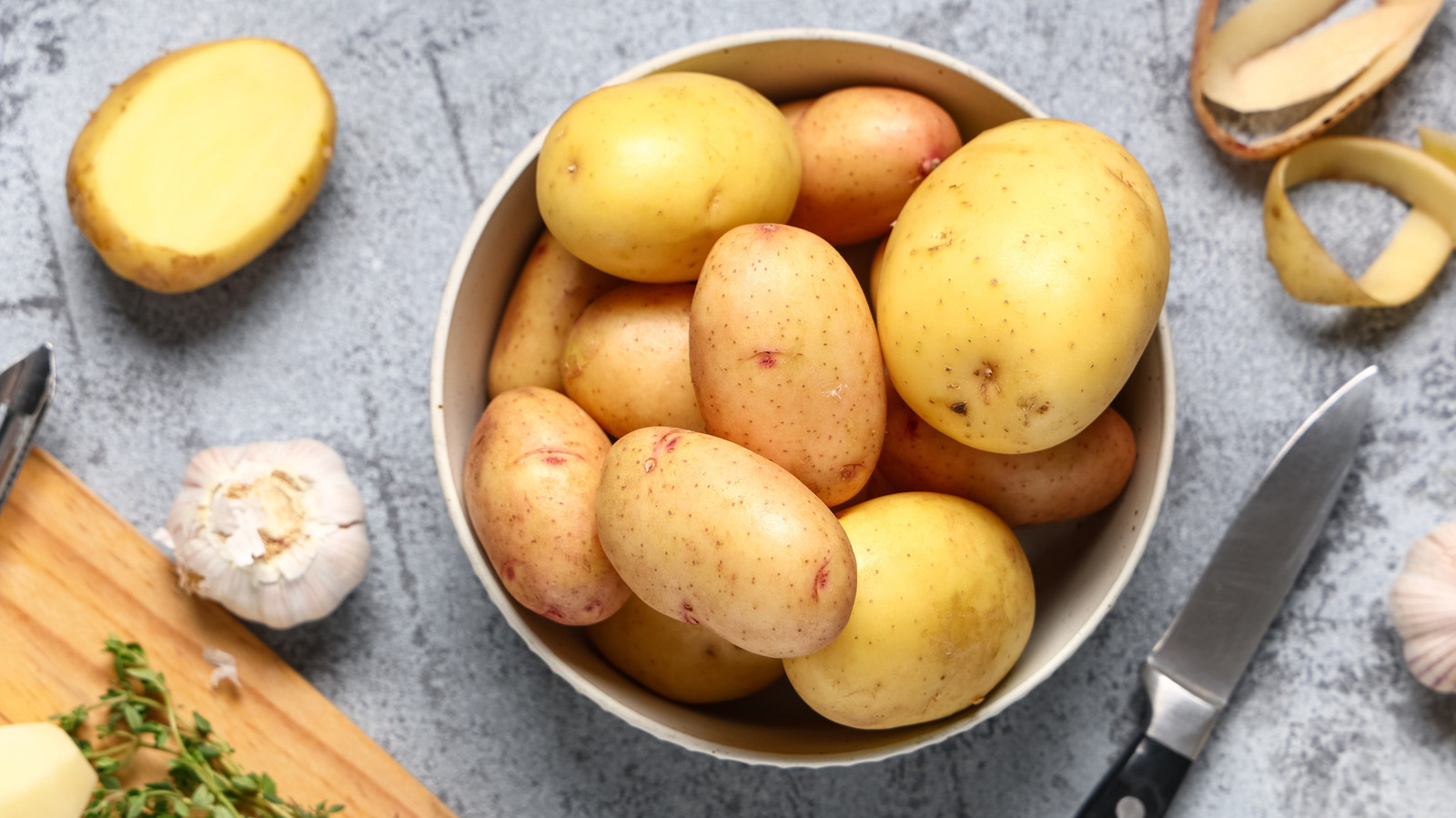
Following the soak, the water is drained, and the potatoes are then subjected to a gentle scrubbing. For this purpose, a clean vegetable brush is ideal. Alternatively, soft kitchen towels or even exfoliating gloves can be employed. The key is to apply moderate pressure, working the brush or cloth over the surface of each potato to dislodge any remaining soil particles. This is done concurrently with a thorough rinse under cool running water. During this stage, it is also advisable to inspect the potatoes for any sprouts, eyes, or blemishes. These areas can sometimes harbor stubborn dirt or develop into undesirable textures, and it is recommended to trim these off with a paring knife. This meticulous attention to detail ensures that all impurities, even those trapped in minor crevices, are removed.
Step 3: Drying and Storage Considerations
Once the potatoes have been thoroughly cleaned and rinsed, the final, crucial step is proper drying. This is paramount for both food safety and culinary outcomes. Damp potatoes can become a breeding ground for bacteria and mold, especially if stored in environments that retain moisture. Therefore, it is imperative to wash potatoes only immediately before they are intended for cooking. After washing, gently pat each potato dry with paper towels. It is also beneficial to allow them to air dry for a short period in a well-ventilated area while other meal preparations are underway. This step is critical for achieving the desirable crispy texture in cooked potatoes. Excess moisture on the surface can lead to steaming rather than crisping, resulting in a soggy exterior, a common pitfall in potato cookery.
The Nutritional Imperative: Why Skin-On is the Superior Choice
The prevailing culinary trend towards minimizing food waste and maximizing nutritional intake has placed a spotlight on potato skins. Historically, skins were often discarded due to concerns about cleanliness or texture. However, contemporary nutritional science and evolving cooking techniques have demonstrated the significant benefits of retaining them.
Nutritional Powerhouse: As previously mentioned, potato skins are a reservoir of essential nutrients. A medium-sized potato with skin, weighing approximately 173 grams, can provide around 4 grams of dietary fiber, which is about 15% of the recommended daily intake. It also offers a substantial amount of potassium, often exceeding that found in a banana, and a good dose of Vitamin C. These nutrients are vital for a myriad of bodily functions, from maintaining cardiovascular health to supporting the immune system.
Textural Enhancement: Beyond nutrition, the skin plays a significant role in the final texture of cooked potatoes. When roasted or baked, the skin develops a satisfying crispness that adds a delightful textural dimension to dishes. This crisp exterior not only enhances the eating experience but also acts as a barrier, helping to retain moisture within the potato, leading to a more tender and flavorful interior. For dishes like roasted potatoes, potato wedges, or even baked potatoes, the skin is an integral component of their appeal.
Economic and Environmental Considerations: The practice of peeling potatoes leads to a considerable amount of food waste. By embracing the skin-on method, consumers can reduce this waste, making their food consumption more sustainable and economically efficient. This aligns with broader global efforts to combat food insecurity and minimize the environmental impact of food production.
Background and Context: Evolving Culinary Practices
The simple act of cleaning a potato has undergone a subtle but significant evolution. For many years, the default assumption was that potatoes needed to be peeled to be clean and palatable. This stemmed from a time when agricultural practices were less refined, and soil contamination was often more severe. Moreover, the textures of some older potato varieties might have been less appealing with their skins on.
However, advancements in farming techniques, including improved soil management and harvesting methods, have led to cleaner produce reaching the market. Concurrently, a growing body of research highlighting the nutritional value of food skins has shifted culinary perspectives. Chefs and food writers have increasingly championed the "waste not, want not" philosophy, encouraging home cooks to rethink traditional preparation methods. The rise of the "farm-to-table" movement has also fostered a greater appreciation for the natural state of ingredients, including their skins.
This shift is not sudden but rather a gradual accumulation of knowledge and changing attitudes. The initial reactions to retaining potato skins might have been met with skepticism by some, rooted in long-held habits. However, as more individuals experiment with and experience the benefits – both nutritional and culinary – the practice has gained wider acceptance. The information disseminated through culinary publications, food blogs, and cooking shows has played a crucial role in educating consumers and demonstrating the ease and effectiveness of techniques like the soaking method.
Implications for the Modern Kitchen
The adoption of this simple soaking and gentle scrubbing method for cleaning potatoes has several far-reaching implications for home cooks and the broader culinary landscape:
- Time Efficiency: By reducing the need for aggressive scrubbing or complete peeling, this method significantly cuts down on preparation time, a valuable commodity in busy modern households.
- Enhanced Nutrition: Encouraging the consumption of potato skins directly contributes to a more nutrient-dense diet, addressing growing public health concerns related to fiber and vitamin deficiencies.
- Improved Culinary Results: The ability to achieve perfectly crisp skins leads to more appealing and delicious potato dishes, elevating everyday meals.
- Reduced Food Waste: A commitment to eating potato skins aligns with global efforts to minimize food waste, promoting a more sustainable approach to food consumption.
- Cost Savings: Less peeling means less discarded product, effectively increasing the yield from each purchase of potatoes and offering better value for money.
The transformation in how we approach a seemingly mundane task like cleaning potatoes reflects a broader trend towards more mindful, healthy, and sustainable eating habits. It underscores the idea that even small changes in culinary practices can yield significant benefits for personal well-being and the environment. As consumers become more informed and discerning, techniques that offer a combination of simplicity, efficacy, and nutritional advantage are likely to become the new standard in kitchens worldwide.
