
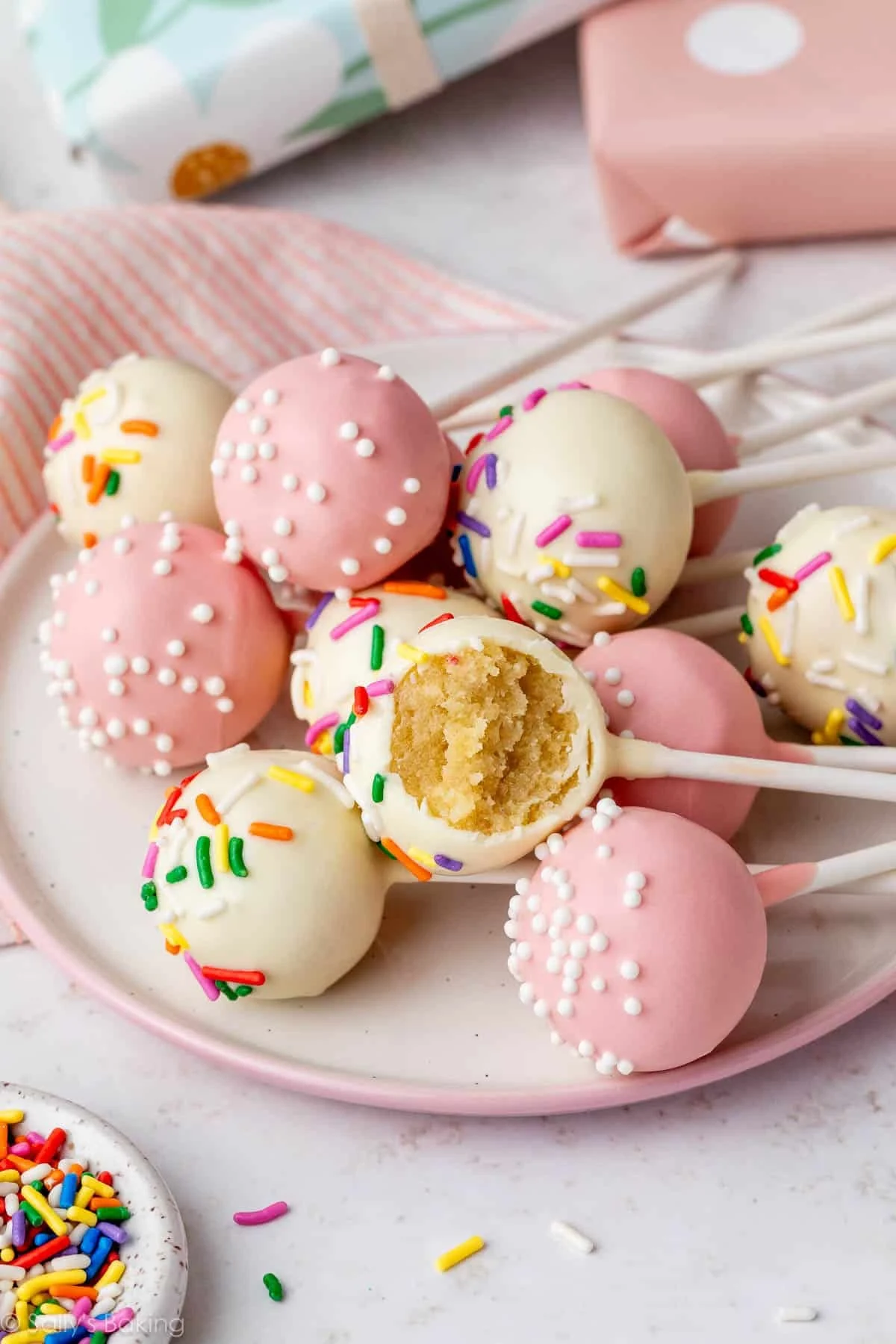
The Enduring Allure of the Homemade Cake Pop
Cake pops have cemented their status as a universally adored dessert, captivating both children and adults with their convenient, bite-sized format and festive appearance. Their appeal is undeniable, often serving as a focal point in pastry displays, most notably popularized by global coffee chains. The miniature, spherical treats, artfully perched on a stick and adorned with vibrant sprinkles, offer an irresistible combination of visual charm and sweet indulgence. This widespread commercial success has, in turn, fueled a burgeoning interest among home bakers to replicate and even elevate these confections, moving beyond pre-packaged mixes and canned frostings to embrace a fully scratch-made approach.
The transition from store-bought convenience to homemade quality reflects a broader trend in culinary preferences. Consumers are increasingly seeking transparency in ingredients, a richer flavor profile, and the personal satisfaction derived from crafting treats from the ground up. This homemade philosophy not only promises a more wholesome product but also allows for greater customization and an enhanced sensory experience that distinguishes it from mass-produced alternatives.
From Bakery Counter to Home Kitchen: A Culinary Evolution
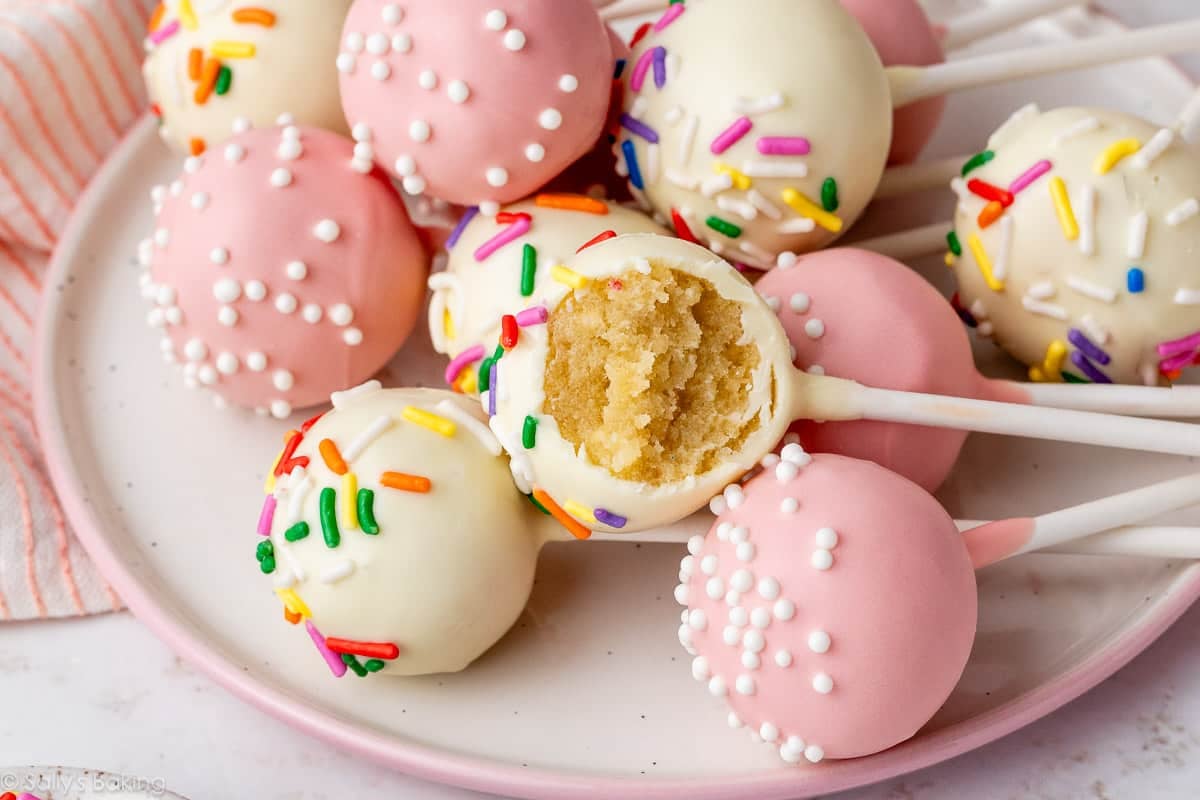
The journey of the cake pop from a niche blog phenomenon to a global dessert staple is a testament to its innovative design and widespread appeal. Often credited to blogger Bakerella in the late 2000s, cake pops quickly captured the imagination of dessert enthusiasts, offering a playful and portable alternative to traditional cake slices. Their inherent charm and versatility made them perfect for parties, celebrations, and everyday indulgences.
The Starbucks Phenomenon and the DIY Movement
The commercialization of cake pops, particularly their prominent placement in Starbucks cafes, introduced them to a vast international audience. Children, in particular, are frequently drawn to these brightly colored, sprinkle-laden spheres, making them a consistent favorite. This commercial visibility, while popularizing the treat, also sparked a parallel demand for homemade versions, driven by a desire for improved taste and control over ingredients. The disparity in flavor and texture between a mass-produced item and a lovingly crafted homemade one became a significant motivator for many aspiring bakers.
The Recipe’s Journey: From Cookbook to Online Sensation
The specific recipe for homemade vanilla cake pops discussed here exemplifies this trend towards artisanal baking. Initially developed and published in 2015 as part of the cookbook Sally’s Candy Addiction, the recipe quickly garnered attention for its commitment to a "from-scratch" philosophy. Its subsequent publication online, accompanied by new photographs and a video tutorial, addressed a growing demand from readers seeking guidance on crafting these intricate treats without relying on shortcuts. This evolution from a printed recipe to a dynamic online resource highlights the changing landscape of culinary education and the increasing reliance on digital platforms for detailed, visual instructions. The author’s proactive approach in sharing and refining this recipe reflects an understanding of contemporary baking enthusiasts’ needs, who often seek both inspiration and comprehensive, step-by-step guidance.
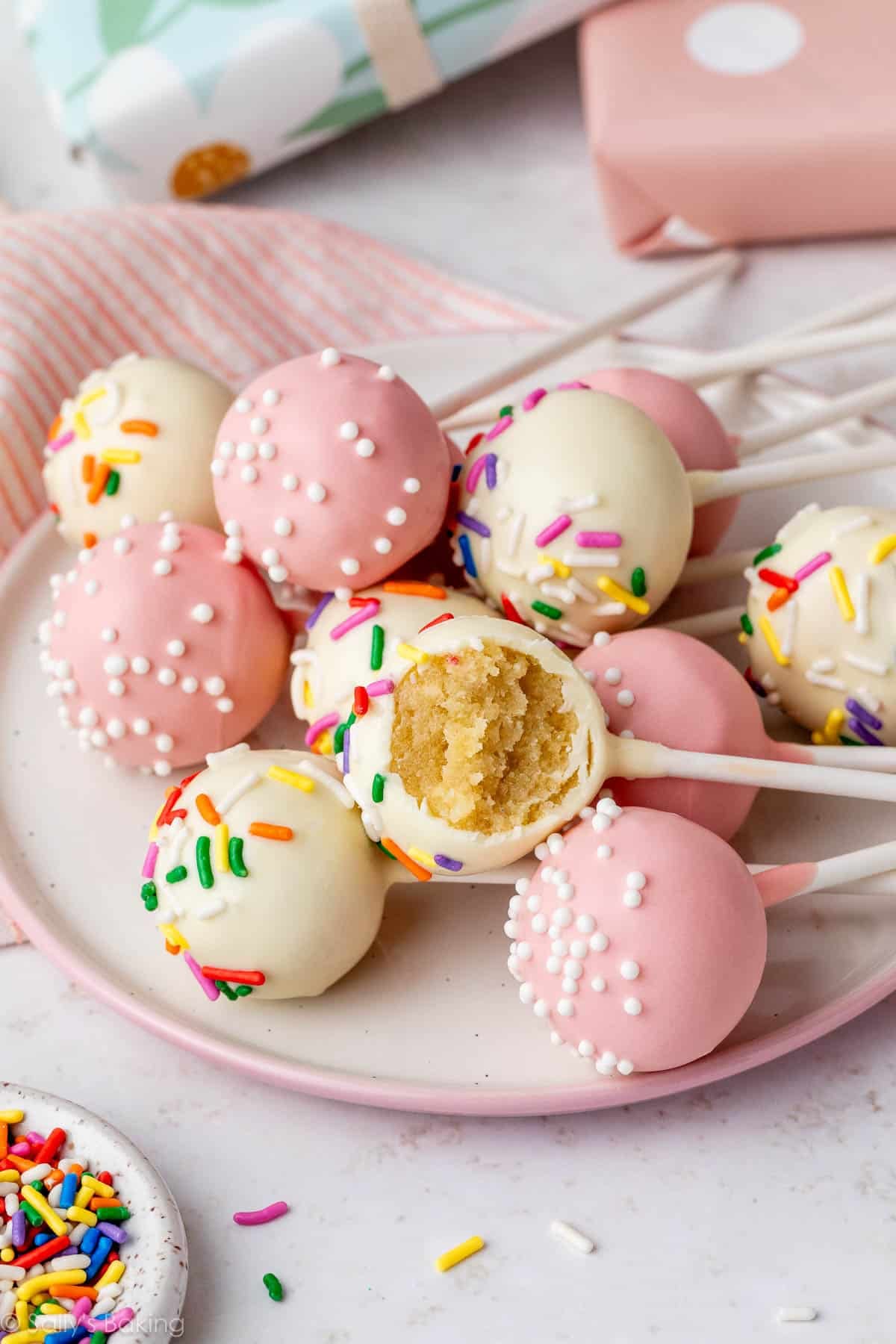
The efficacy and appeal of this scratch-made method are underscored by numerous positive testimonials from home bakers. For instance, one reader, Debby, successfully prepared 160 vanilla and chocolate cake pops for a graduation party, noting, "They looked amazing and tasted awesome, too! Many asked where we had purchased them." This feedback not only attests to the professional-grade results achievable with the recipe but also highlights the practical advantage of being able to prepare and freeze them ahead of time, a crucial consideration for large-scale events. Another reader, Luisa, commented on her first attempt, stating, "My first time making cake pops and they were perfect! My kids and their friends loved them. This recipe is going to be a staple in our house for special occasions." Such endorsements validate the recipe’s accessibility and consistent results, making it a reliable choice for special occasions and everyday treats alike.
The Art of Scratch-Made Perfection: Why Quality Matters
The fundamental secret to truly exceptional homemade cake pops lies in the meticulous attention to the foundational components: the cake and the frosting. Unlike versions relying on box mixes and canned frostings, a scratch-made approach allows for unparalleled control over flavor depth, ingredient quality, and textural integrity. This commitment to fresh, high-quality ingredients elevates the cake pop from a simple sweet treat to a gourmet confection.
Crafting the Ideal Vanilla Cake Base
The vanilla cake used in this recipe is not merely a filler; it is a carefully scaled-down adaptation of a classic vanilla layer cake, designed to provide the perfect crumb and flavor. The choice of specific pan sizes—a 9-inch springform, an 11×7-inch pan, or a 10-inch springform—is critical. These dimensions ensure the cake rises appropriately, yielding a moist, tender crumb that is neither too dense nor too airy. The quality of the vanilla extract, eggs, butter, and flour directly contributes to the cake’s rich, authentic vanilla flavor, which forms the core of the cake pop experience. Allowing the cake to cool completely before crumbling is a crucial step, preventing excessive moisture and ensuring a cohesive mixture with the buttercream. This preparation can be strategically managed by baking the cake the night before, streamlining the overall process.

The Buttercream Difference: Flavor and Texture
The vanilla buttercream, also made from scratch, is another cornerstone of this recipe’s success. Its taste is distinctly superior to any canned alternative, imparting a rich, creamy sweetness that complements the vanilla cake without overpowering it. Crucially, the recipe is precisely formulated to produce just enough buttercream to moisten the cake crumbs adequately. This precise cake-to-frosting ratio is paramount. An insufficient amount would result in dry, crumbly cake pops, while an excess would lead to a greasy texture and difficulty in shaping. The perfect balance ensures a smooth, truffle-like consistency that is both delectable and structurally sound, making the cake balls easy to form and handle.
Mastering the Method: Key Techniques for Flawless Cake Pops
Crafting perfect cake pops involves a series of deliberate steps, each contributing to the final product’s appearance and taste. While the concept of mixing crumbled cake with frosting might seem unconventional, it is precisely this unique combination that yields the desired texture and allows for creative shaping.
Achieving the Perfect Cake-to-Frosting Ratio
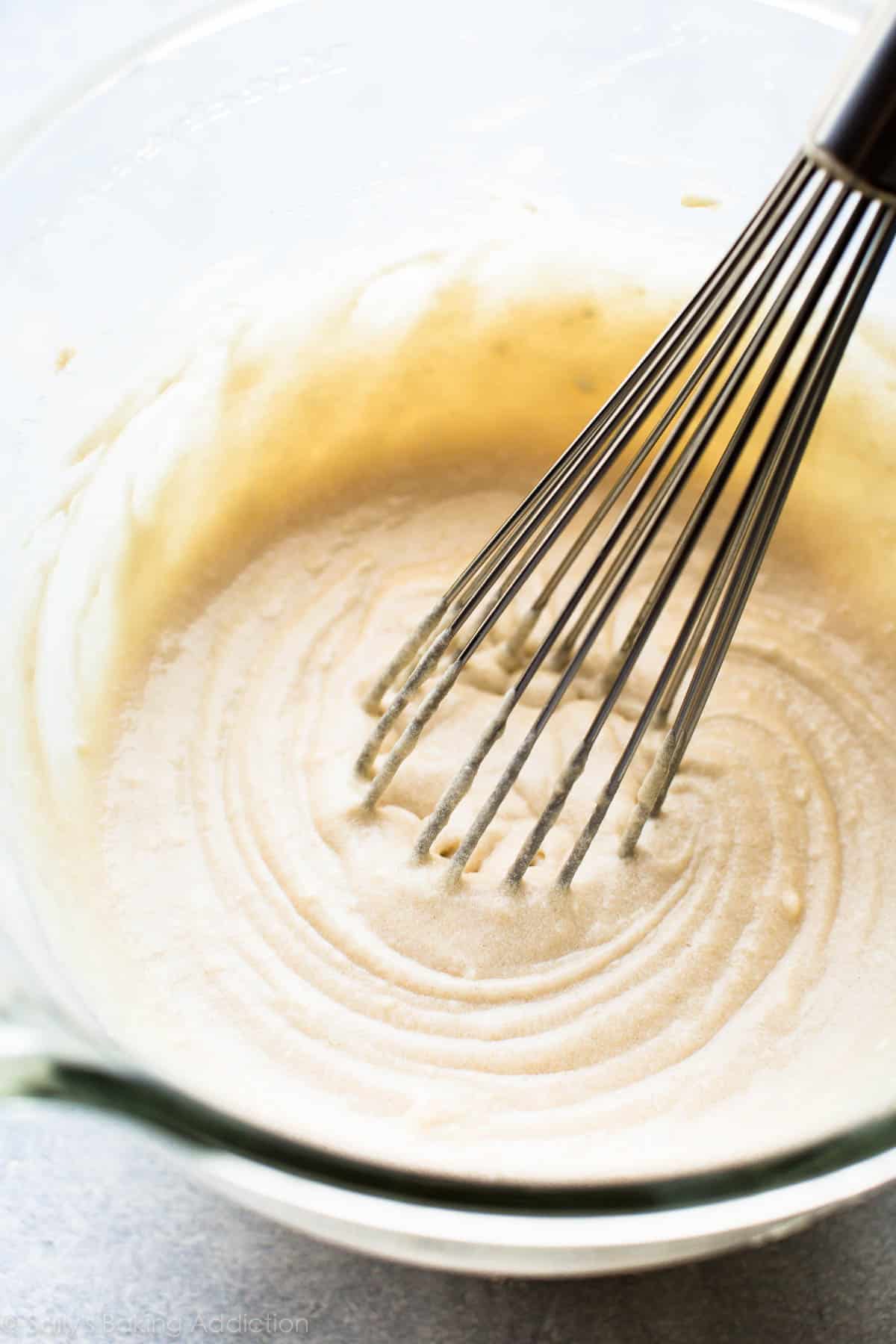
Once the homemade vanilla cake has cooled and the vanilla buttercream is prepared, the process begins with crumbling the cake. This is then combined with the buttercream, and the mixture is thoroughly integrated. The objective is to achieve a uniform, pliable dough-like consistency that holds together when pressed but is not overly wet or sticky. This ideal texture is what allows for smooth rolling and prevents the cake pops from becoming greasy or falling apart during the dipping process. A hand mixer or stand mixer can facilitate this process, ensuring an even distribution of frosting throughout the cake crumbs.
Shaping and Chilling: The Foundation of Form
The subsequent step involves rolling the cake-and-frosting mixture into uniform balls. To achieve perfectly round and smooth cake pops, a strategic chilling process is essential. Initially, the mixture, being at room temperature and quite moist, may result in slightly misshapen balls. By rolling them into rough spheres and then chilling them in the refrigerator for a minimum of two hours, the mixture firms up significantly. This cooling period is critical as it allows the fats in the buttercream to solidify, making the balls much easier to handle and refine. After chilling, a quick re-roll helps smooth out any imperfections, yielding the desired perfectly round shape. This cold temperature also plays a vital role in preventing the cake pops from disintegrating when dipped into warm coating.
The Dipping Process: Coating and Adhesion
The choice of coating significantly impacts both the taste and aesthetics of the cake pops. While colored candy melts offer convenience and a wide array of vibrant hues, melted white chocolate is often preferred for its superior flavor profile. However, white chocolate can be more expensive and requires careful tempering or melting to avoid seizing. Regardless of the choice, the temperature of the coating is crucial. If it is too hot, it can cause the cold cake pops to crack due to thermal shock. Allowing the melted coating to cool slightly for about five minutes before dipping can mitigate this risk.

To ensure the cake ball remains securely attached to the lollipop stick, a simple yet effective technique is employed: dip one end of the stick approximately half an inch into the melted coating before inserting it into the center of the cake ball. This creates a secure bond, acting as a "glue" that prevents the cake pop from slipping off the stick during handling and consumption. Once the stick is in place, the cake ball is fully immersed in the coating, ensuring an even, complete layer. Excess coating is gently tapped off, allowing for a smooth finish.
Drying and Decorating: The Finishing Touches
After dipping, proper drying is essential to preserve the cake pop’s pristine, spherical shape. Laying them flat would result in a flattened side, compromising their visual appeal. The most effective method is to stand them upright, either in a large block of styrofoam or, as a cost-effective alternative, in a sturdy cardboard box with small holes poked into it. This allows the coating to set evenly around the entire surface.
Sprinkles, a quintessential element of cake pop decoration, should be applied immediately after dipping, while the chocolate coating is still wet. This ensures they adhere firmly. The recipe suggests using rainbow sprinkles on white chocolate and white nonpareils on light pink-tinted white chocolate, mirroring popular commercial styles. The coating typically dries and sets within an hour, signaling that the cake pops are ready for consumption or storage.
Beyond Vanilla: Customization and Versatility

The homemade cake pop recipe serves as a versatile foundation for culinary creativity. While vanilla is a timeless classic, the possibilities for customization extend far beyond the basic recipe.
Exploring Flavor Profiles
The core technique of combining crumbled cake with buttercream can be adapted to a multitude of flavors. The author specifically references a recipe for chocolate cake pops, demonstrating how simply changing the cake base can yield an entirely different dessert experience. Further variations could include lemon cake with lemon buttercream, red velvet cake with cream cheese frosting, or even spiced cakes with autumnal frostings. The choice of coating can also be diversified, incorporating dark chocolate, milk chocolate, or even flavored candy melts to complement the internal cake flavor.
Aesthetic Customization
Beyond flavor, cake pops offer an expansive canvas for artistic expression. Tinting the white chocolate coating with gel food coloring allows for a vibrant spectrum of colors, making them suitable for any theme or occasion. Gel food coloring is preferred over liquid dyes as it does not alter the consistency of the chocolate. The variety of sprinkles available—from classic rainbow to sophisticated metallic, seasonal shapes, or custom blends—enables endless decorative possibilities. This level of customization makes homemade cake pops particularly appealing for personalized gifts, themed parties, or special events, where they can be matched to decor or celebrated colors.

Strategic Planning: Make-Ahead Advantages and Storage
One of the significant practical advantages of homemade cake pops is their suitability for make-ahead preparation, especially for large gatherings or when time is limited. Once fully dried and set, cake pops freeze exceptionally well. They can be stored in a large zip-top freezer bag or an airtight freezer-safe container for up to six weeks. This pre-preparation capability allows hosts to spread out their baking tasks, reducing stress closer to an event. When needed, they can be thawed overnight in the refrigerator, maintaining their texture and flavor. This convenience further enhances the appeal of homemade cake pops for busy individuals and families.
Industry Insights and Consumer Trends
The rising demand for scratch-made cake pops is indicative of several broader trends within the culinary landscape. The emphasis on high-quality ingredients, precise techniques, and customized presentations aligns with a growing consumer preference for artisanal and gourmet experiences, even within the home baking sphere.
The Rise of Artisanal Home Baking

The home baking market has seen a notable shift towards ingredients that are perceived as natural, wholesome, and free from artificial additives. This recipe, by eschewing box mixes and canned frostings, directly taps into this desire for cleaner labels and more authentic flavors. The psychological satisfaction of creating something beautiful and delicious from basic ingredients also plays a significant role, transforming baking from a chore into a fulfilling hobby. This trend is supported by an increase in specialized baking supply stores and online communities dedicated to sharing advanced techniques and ingredient sourcing.
Empowering Home Bakers with Expert Guidance
The provision of detailed instructions, video tutorials, and troubleshooting tips, as seen with this recipe, empowers home bakers to tackle what might initially appear to be complex projects. Addressing common concerns such as preventing cracks in the coating (by cooling the chocolate slightly) or ensuring the cake ball adheres to the stick demystifies the process and boosts baker confidence. This accessibility to expert knowledge via digital platforms is a key driver in the expansion of advanced home baking. The ability to freeze cake pops also addresses a practical need for efficient meal and party planning, aligning with modern lifestyle demands.
Conclusion: The Sweet Rewards of From-Scratch Baking
The journey of creating homemade cake pops from scratch is a rewarding endeavor that extends beyond the mere production of a dessert. It embodies a culinary philosophy that values quality ingredients, meticulous technique, and personal creativity. By mastering the art of the homemade vanilla cake and buttercream, bakers can craft a product that not only surpasses its commercial counterparts in flavor and texture but also offers the immense satisfaction of a truly artisanal creation.

The appeal of these bite-sized delights, enhanced by thoughtful preparation and customization, makes them perfect for any occasion, from casual family treats to elaborate celebrations. The comprehensive guidance available, coupled with practical tips for preparation and storage, ensures that even novice bakers can achieve professional-quality results. As consumer preferences continue to lean towards authentic, high-quality, and customizable food experiences, the homemade cake pop stands as a delicious testament to the enduring charm and expanding capabilities of the home kitchen.
