

The culinary practice of transforming fresh, seasonal fruit into deep-fried confectionery has been a staple of Western baking traditions for centuries, with the apple fritter standing as a quintessential example of this craft. Unlike standard leavened doughnuts, which rely on a uniform dough structure, the apple fritter represents a complex interplay of textures: a crisp, caramelized exterior, a soft, yeast-raised interior, and a high concentration of fruit. Achieving this balance requires precise environmental control, particularly regarding oil temperature and dough hydration, marking it as a technical challenge for both home bakers and commercial pastry chefs.
Historical Context and Culinary Evolution
Fritters, broadly defined as any food covered in batter and deep-fried, date back to medieval European cooking. While early iterations were often savory or simple flour-and-egg mixtures, the incorporation of spiced apples became popularized during the 18th and 19th centuries as sugar and cinnamon became more accessible trade commodities. In the United States, the apple fritter became an iconic fixture of the mid-20th-century bakery scene, often serving as a bridge between the rustic apple cake and the refined, industrialized doughnut.
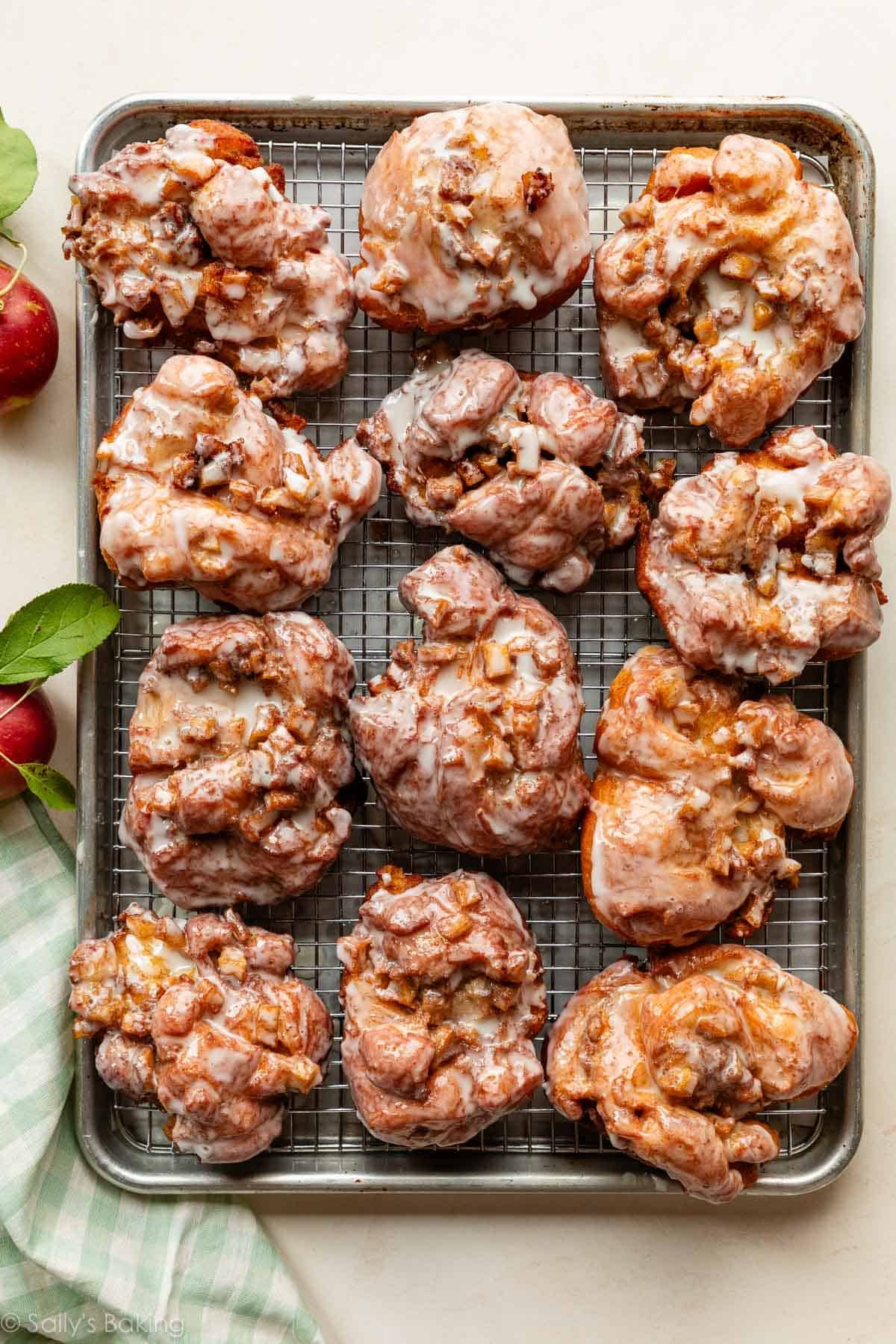
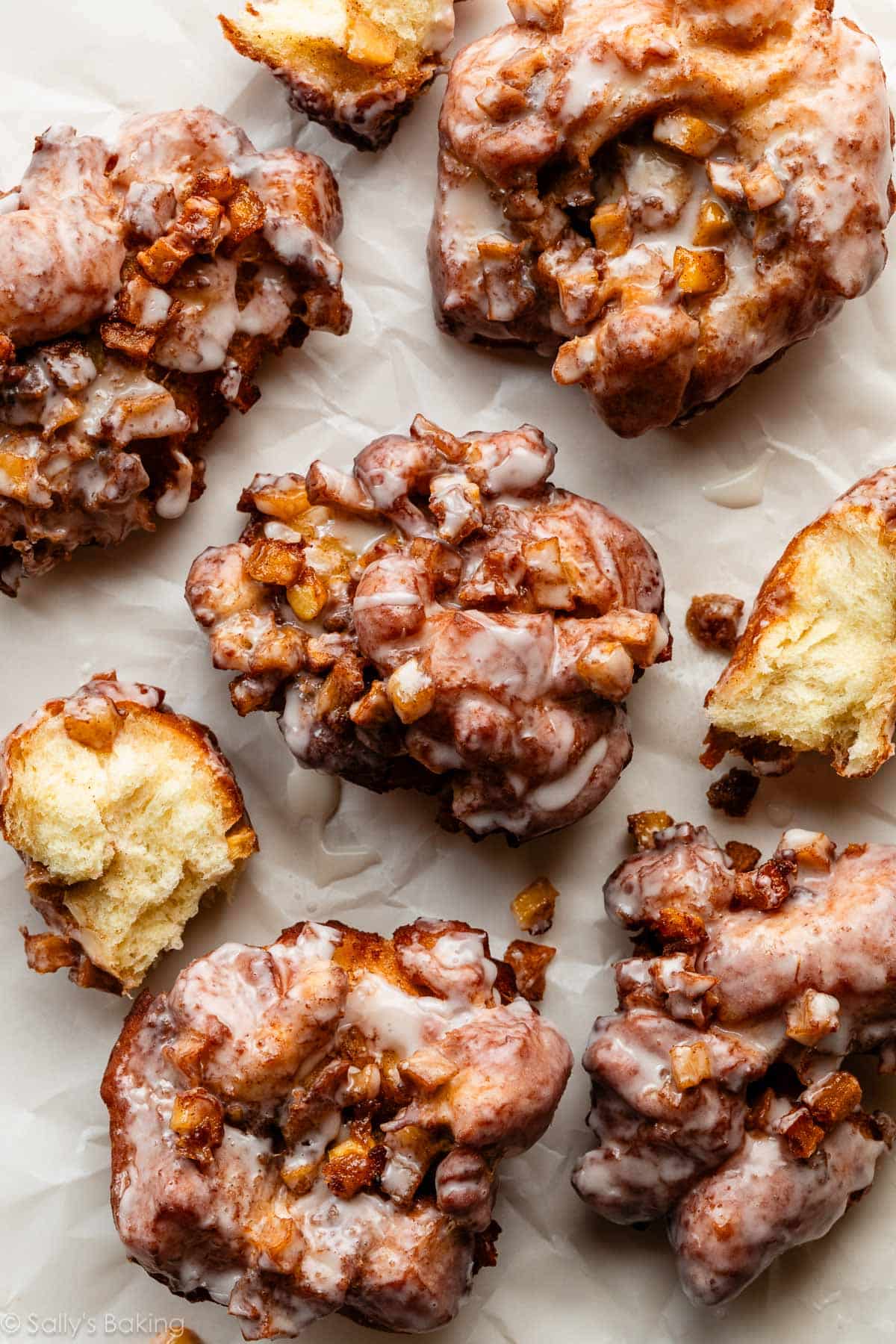
The modern apple fritter is categorized by its "irregular" aesthetic, a byproduct of folding cooked or macerated fruit into a rich yeast dough. The structural integrity of the final product relies on the Maillard reaction—the chemical reaction between amino acids and reducing sugars that gives browned food its distinctive flavor—occurring simultaneously with the steam-cooking of the fruit inside the dough.
Technical Requirements for Preparation
The production of high-quality apple fritters is governed by strict thermodynamic principles. According to culinary standards, the optimal frying temperature for yeast-based doughs falls between 350°F and 375°F (175°C–190°C).
- Temperature Regulation: If the oil temperature drops below 350°F, the dough absorbs excessive lipids, resulting in a greasy, unpalatable texture. Conversely, exceeding 375°F causes the exterior to burn before the central mass of the dough and fruit can reach the necessary internal temperature for structural set.
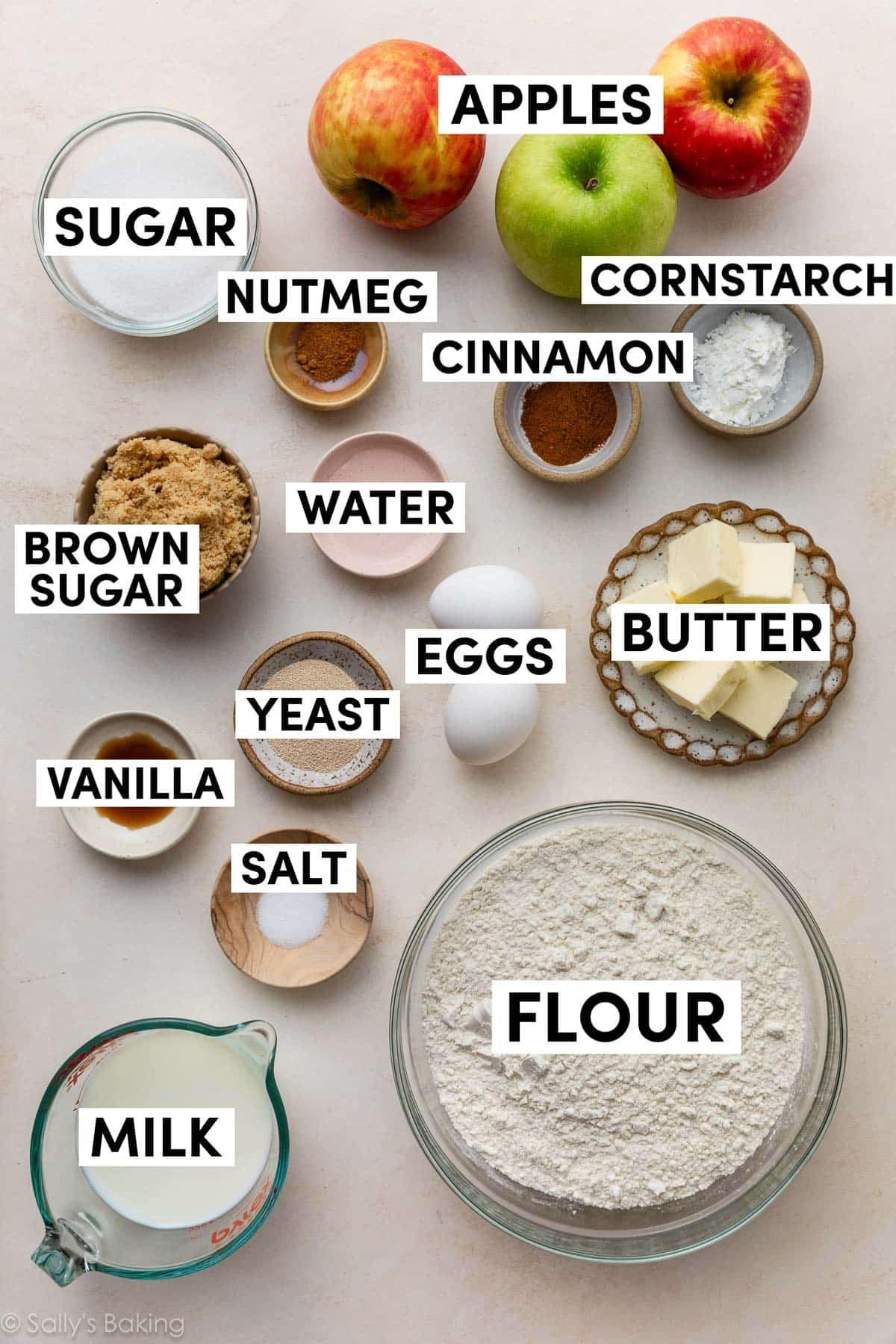
- Dough Formulation: The base requires a high-protein flour to provide the gluten network necessary to hold the weight of the apple chunks. The incorporation of a cornstarch slurry during the fruit preparation phase is critical; it creates a thickened, gel-like consistency that prevents the moisture from the apples from leaking into the dough and destabilizing the fritter during the frying process.
- Instrumentation: Professional kitchens utilize deep-fryers with automated temperature recovery systems. For the home environment, a heavy-bottomed Dutch oven combined with a high-accuracy digital thermometer is considered the standard requirement to mimic these results.
Chronology of the Process
The preparation of apple fritters follows a multi-stage timeline necessitated by the biology of yeast and the physics of fruit reduction:
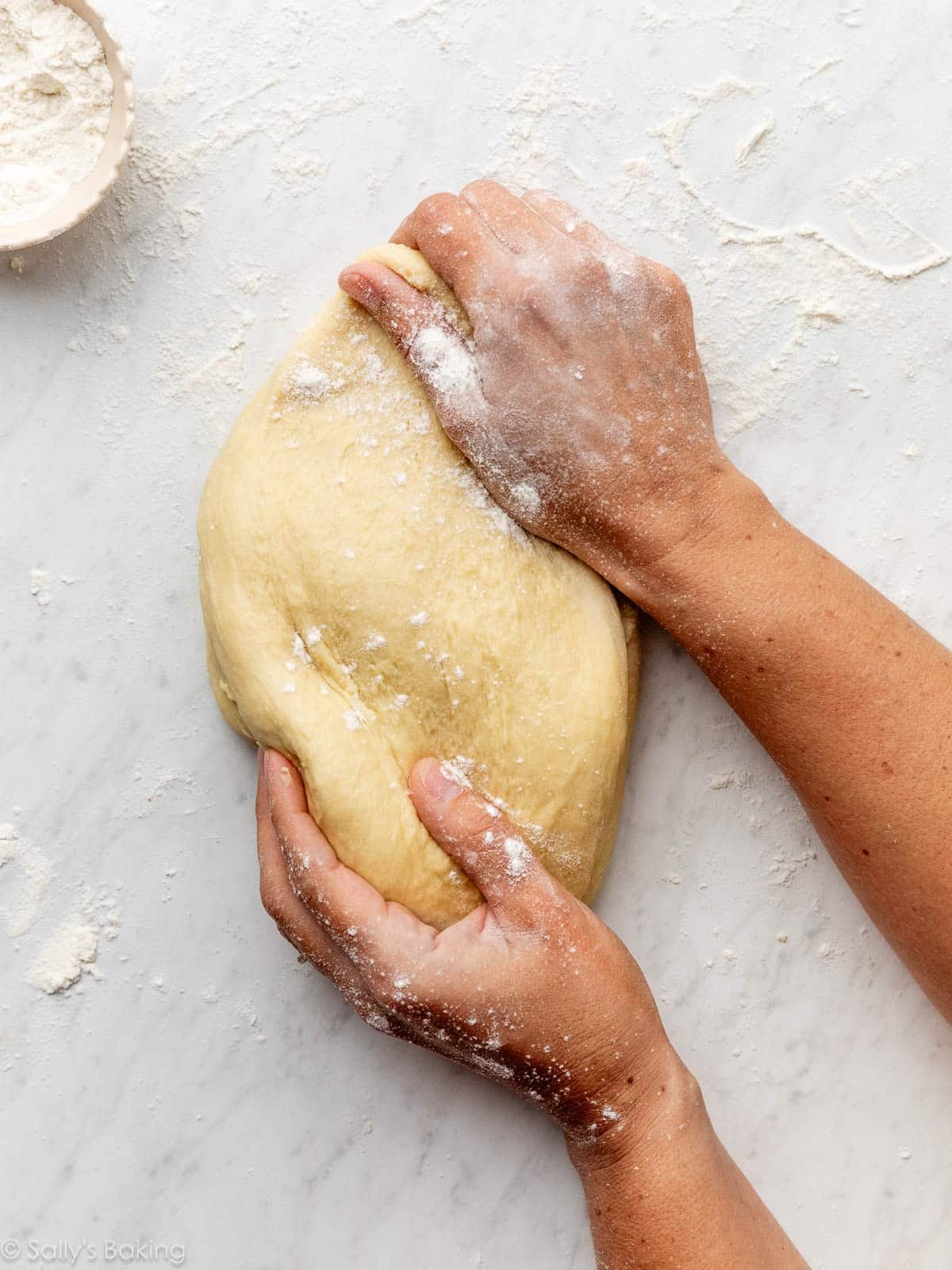
- Phase One: Dough Development (2–3 hours): The process begins with the activation of yeast. Kneading is essential to develop the gluten matrix, which will eventually support the weight of the apple inclusions. This phase concludes with a primary fermentation, where the dough doubles in size.
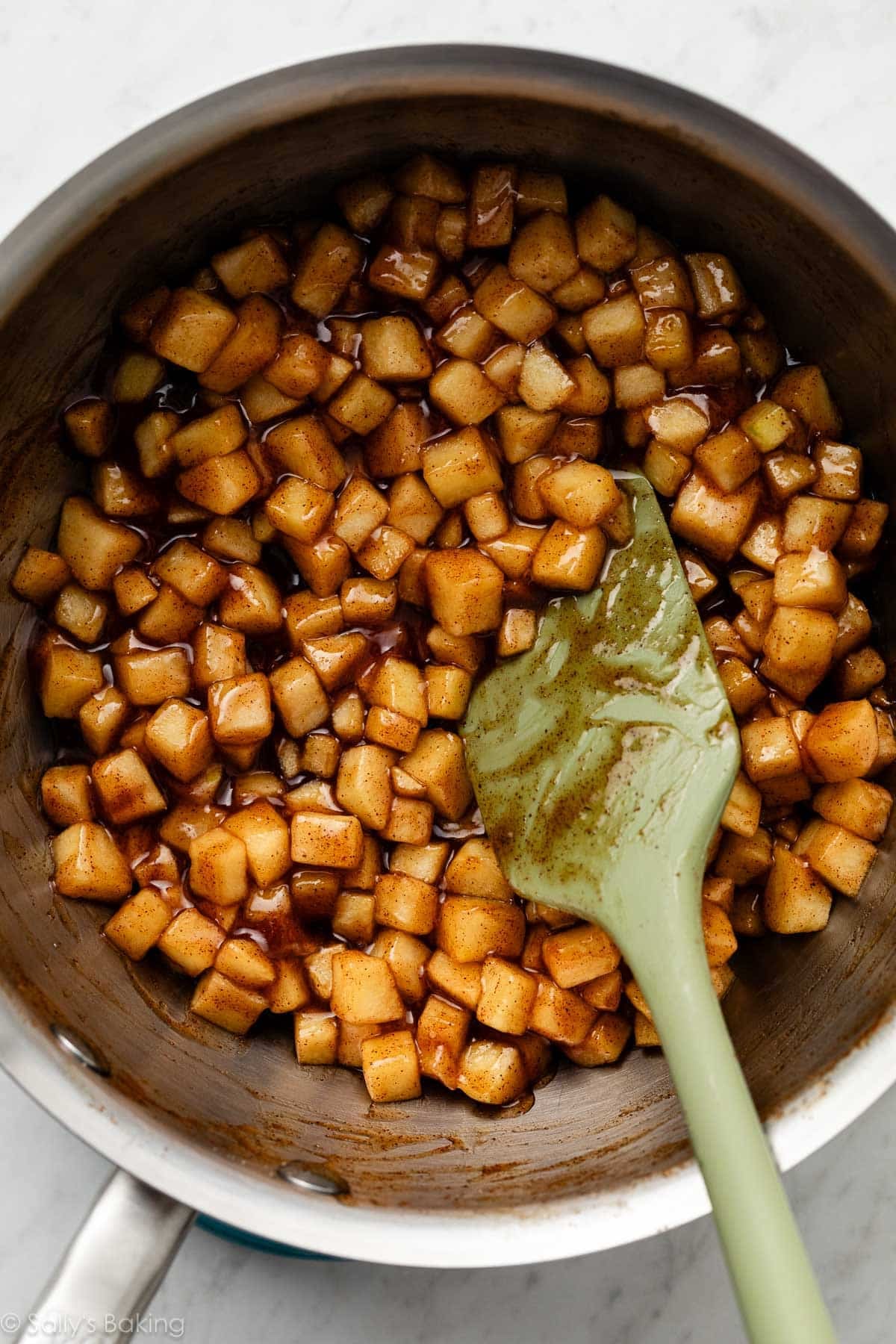
- Phase Two: Fruit Maceration and Reduction (30 minutes): Apples—specifically varieties with high structural integrity like Granny Smith, Honeycrisp, or Pink Lady—are diced. They are then cooked with spices and a binding agent to reduce moisture. This step is vital to ensure the fritters do not become soggy.
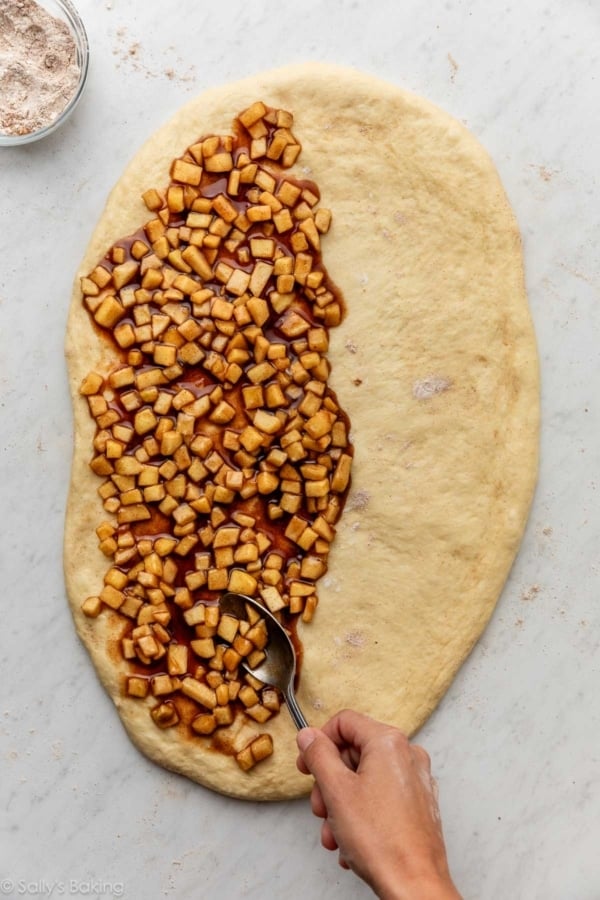
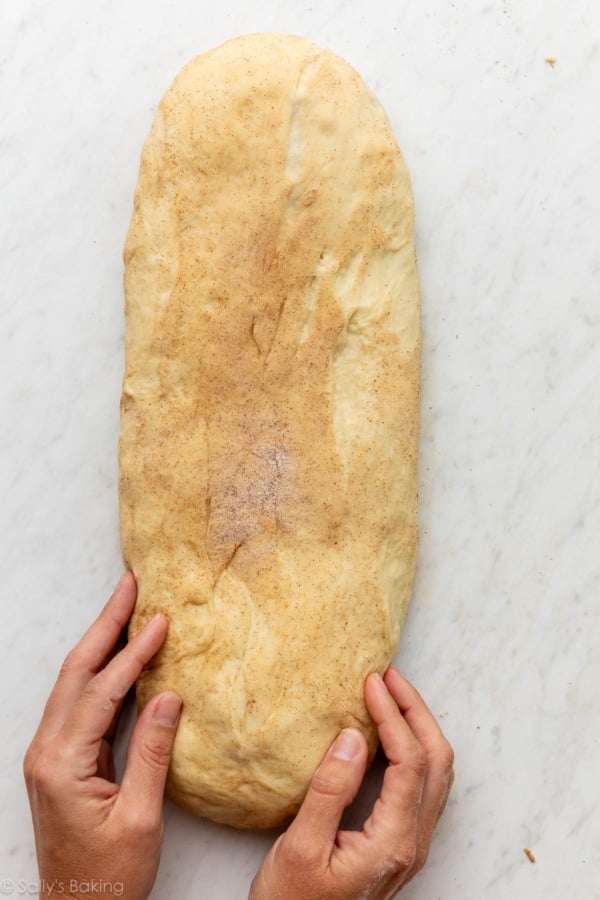
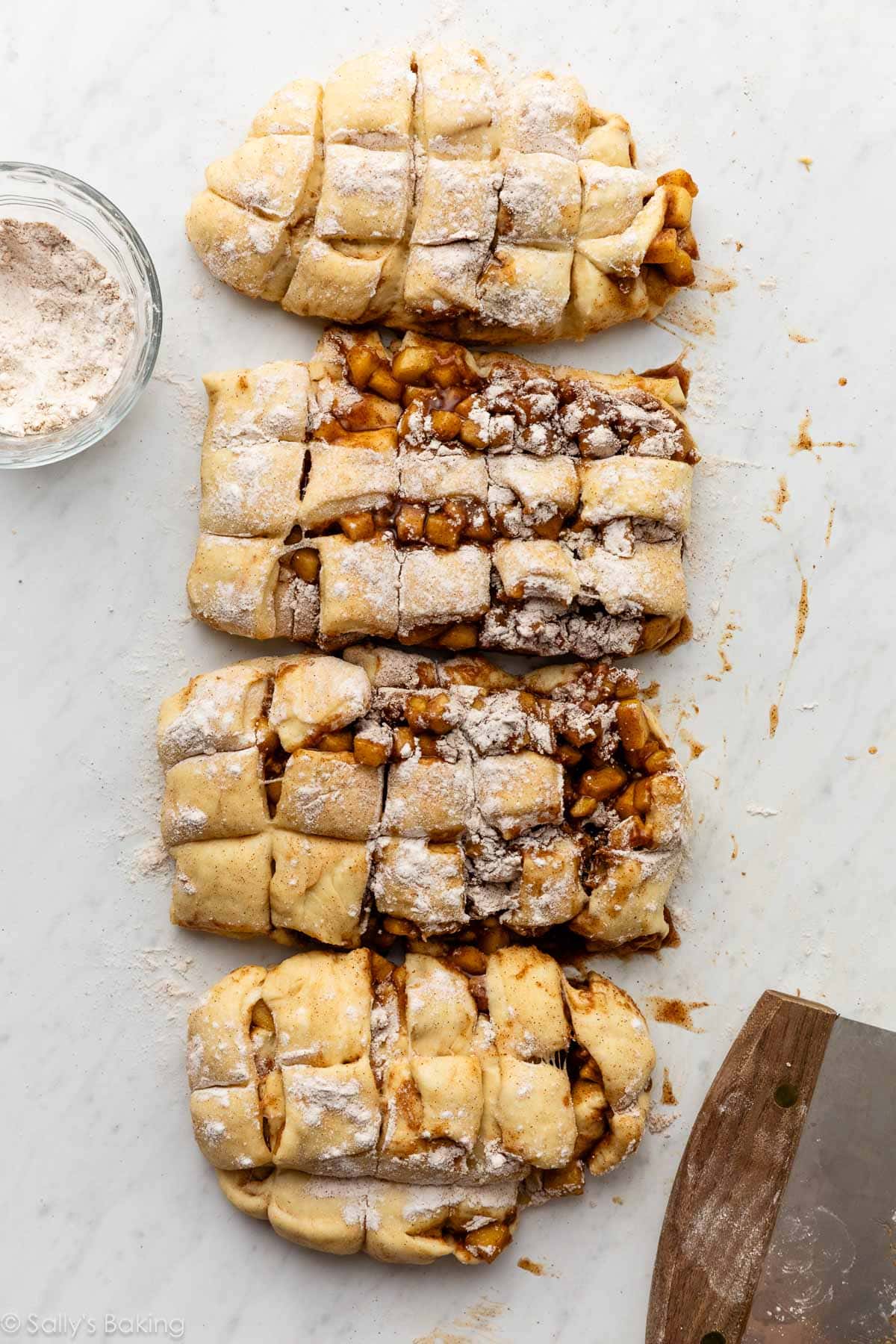
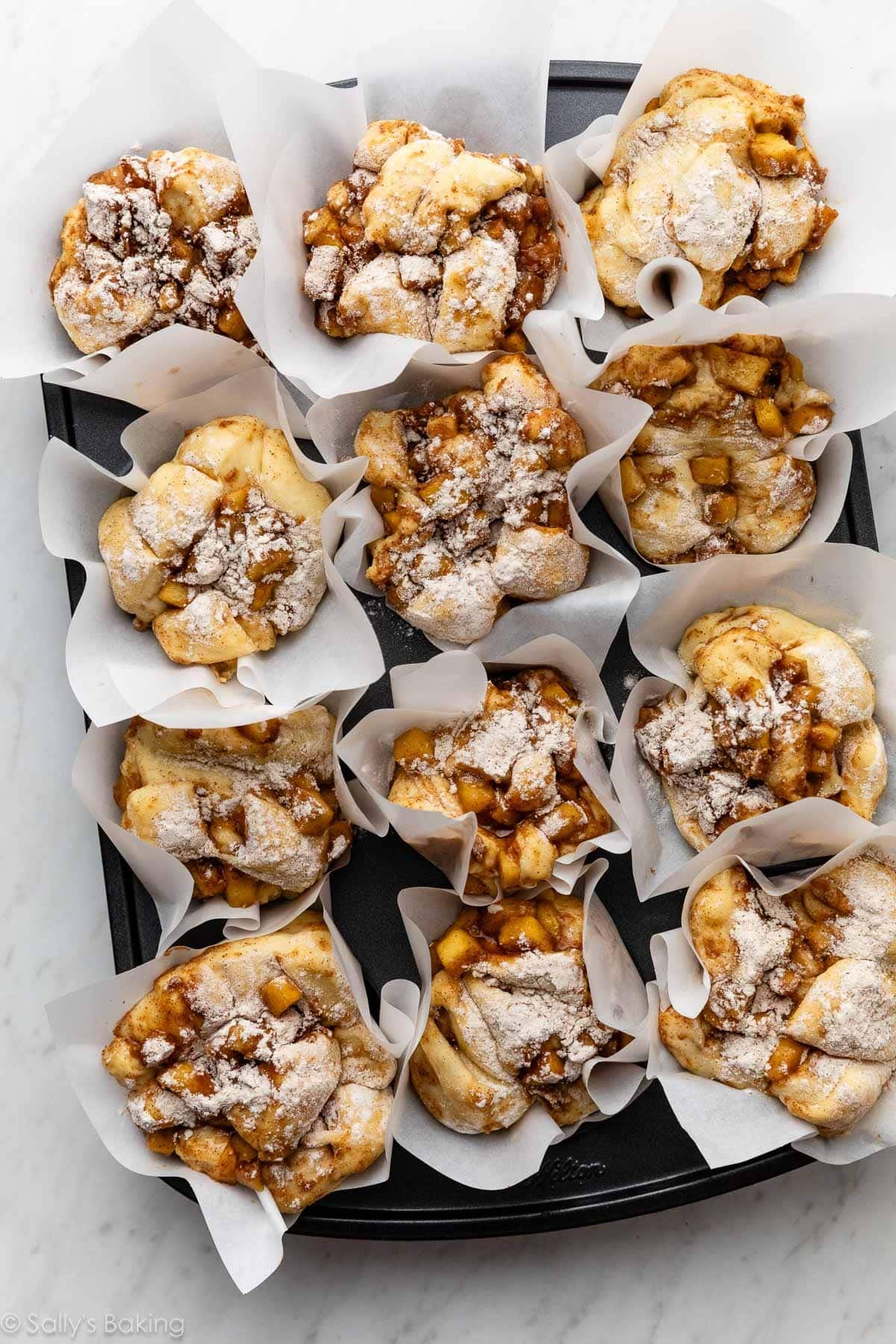
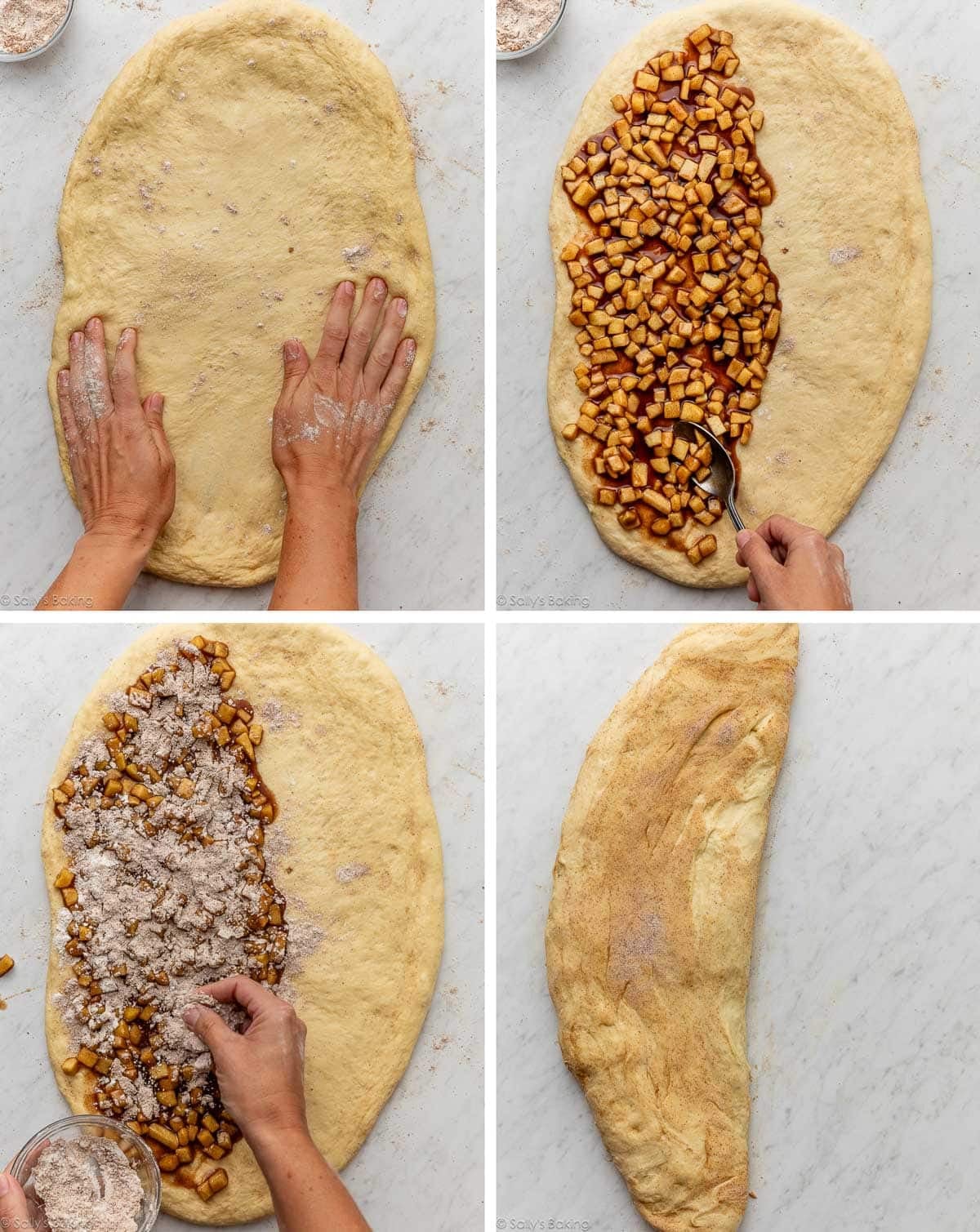
- Phase Three: Shaping and Final Proof (45–60 minutes): The dough is rolled, topped with the cooled fruit mixture, and folded. The "crosshatch" cutting technique is applied to increase the surface area, which facilitates even heat distribution during frying. Placing portions on individual parchment squares is a recognized method for maintaining the shape of the delicate, fruit-heavy dough before it hits the hot oil.
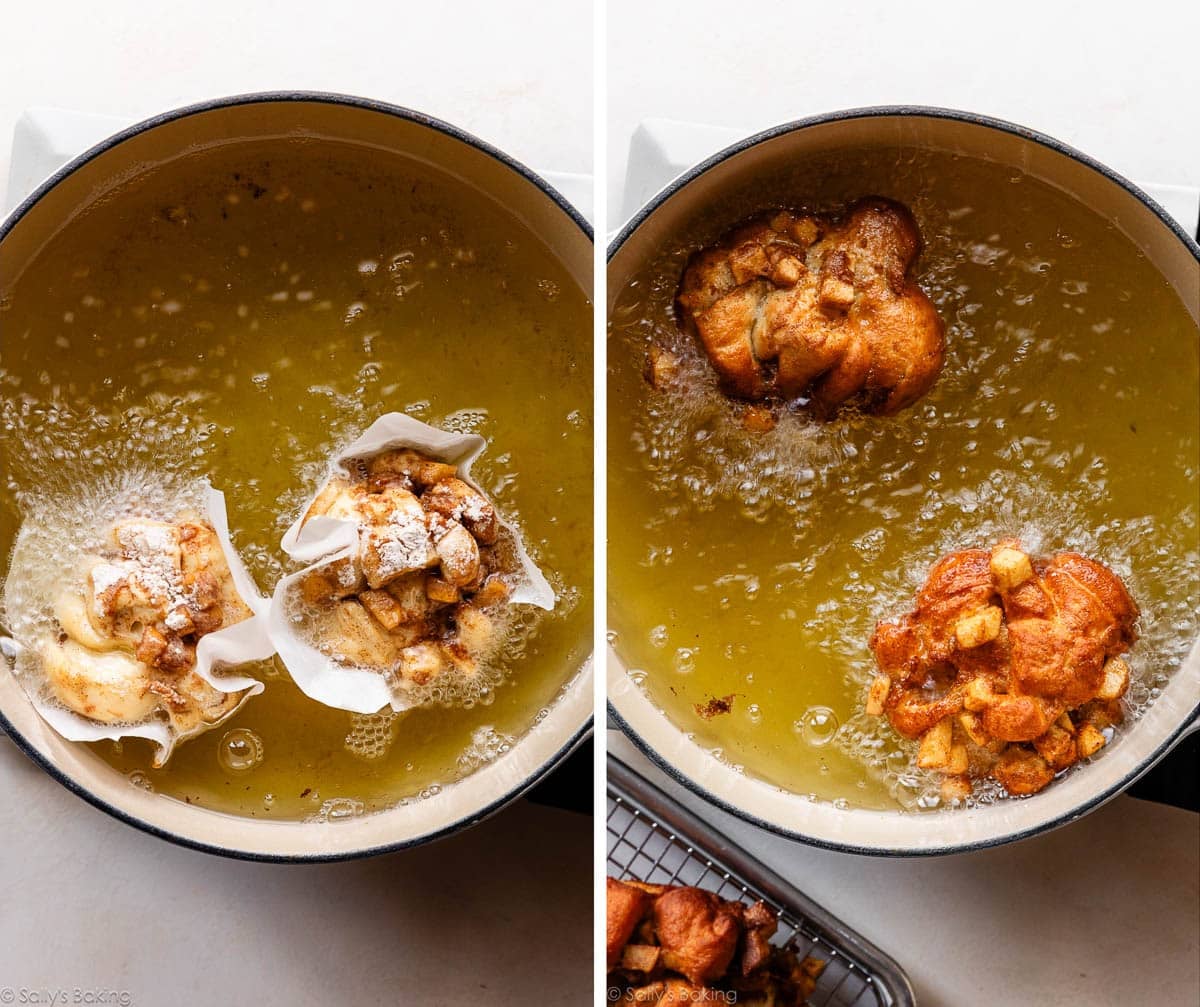
- Phase Four: Thermal Processing (15–20 minutes): Frying occurs in small batches to prevent the oil temperature from crashing. The removal of the parchment paper mid-fry allows the fritter to caramelize uniformly.
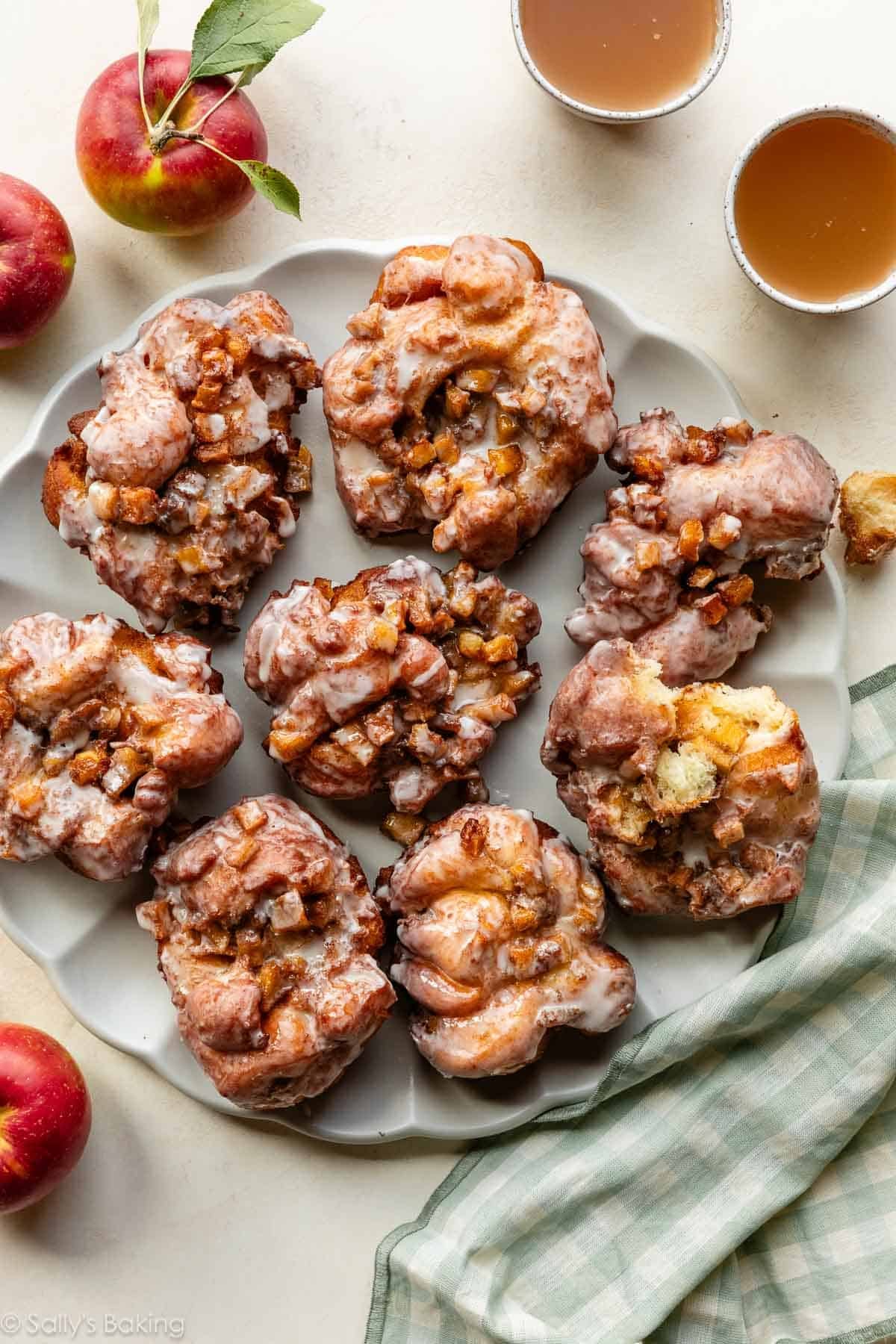
- Phase Five: Glazing (10 minutes): The final application of a simple vanilla-sugar glaze must occur while the fritters are warm, allowing the glaze to melt into the crevices of the crust, creating the signature glossy finish.
Industry Data and Nutritional Implications
The popularity of the apple fritter remains consistent in the bakery sector, often ranking among the top three highest-selling items in traditional donut shops. From a nutritional standpoint, the apple fritter is a caloric-dense food. A standard 4-ounce apple fritter contains approximately 350 to 450 calories, driven primarily by the carbohydrate content of the dough, the sugar in the glaze, and the lipid absorption from the frying medium.
Public health analysts note that while these items are considered "occasional treats," the shift toward home-baking, accelerated by the availability of online instructional resources, has allowed consumers to control the quality of fats used in the frying process. Choosing neutral, high-smoke-point oils like canola or grapeseed is widely recommended over animal-based fats to ensure a cleaner flavor profile and better heart-health outcomes.
Professional Guidance and Safety Protocols
Experts in culinary education emphasize the importance of safety when working with high-temperature oils. The primary risk factor in the production of fritters is the displacement of hot oil, which can occur if the dough is dropped too aggressively or if the pot is overfilled.
"The most common failure point for home bakers is the lack of a consistent temperature," notes a representative from a leading culinary training institution. "Without a calibrated thermometer, the difference between a golden, crisp fritter and a saturated, raw-centered one is merely a matter of a few degrees. Precision is not just a preference; it is the fundamental requirement of the craft."
Furthermore, waste management is a critical aspect of this process. Used frying oil, if discarded improperly, poses significant environmental risks, including the obstruction of municipal sewer lines due to fat solidification. The industry standard is to allow the oil to cool, filter out particulates, and either repurpose it for future batches or dispose of it in a sealed container according to local waste management regulations.
Future Outlook and Culinary Trends
The apple fritter has seen a recent resurgence in "artisanal" bakeries, where chefs are experimenting with heirloom apple varieties, cider-infused glazes, and the addition of savory elements like sea salt or toasted walnuts. This evolution reflects a broader trend in the food industry toward elevating "comfort food" through higher-quality ingredients and localized, seasonal sourcing.
While air-fryer technology has gained traction as a health-conscious alternative for many fried foods, it has not yet successfully replicated the specific textural requirements of the traditional apple fritter. The absence of deep-immersion frying prevents the rapid, high-heat "sealing" of the dough, often resulting in a product that more closely resembles a baked muffin than a true fritter. As such, the traditional frying method remains the gold standard for achieving the characteristic contrast between the crisp, caramelized exterior and the tender, fruit-filled center.
In conclusion, the creation of an apple fritter is as much a study in material science as it is a culinary endeavor. By understanding the chemical properties of the dough, the structural behavior of the fruit, and the thermodynamic requirements of the oil, bakers can consistently reproduce this historic, labor-intensive pastry.
