
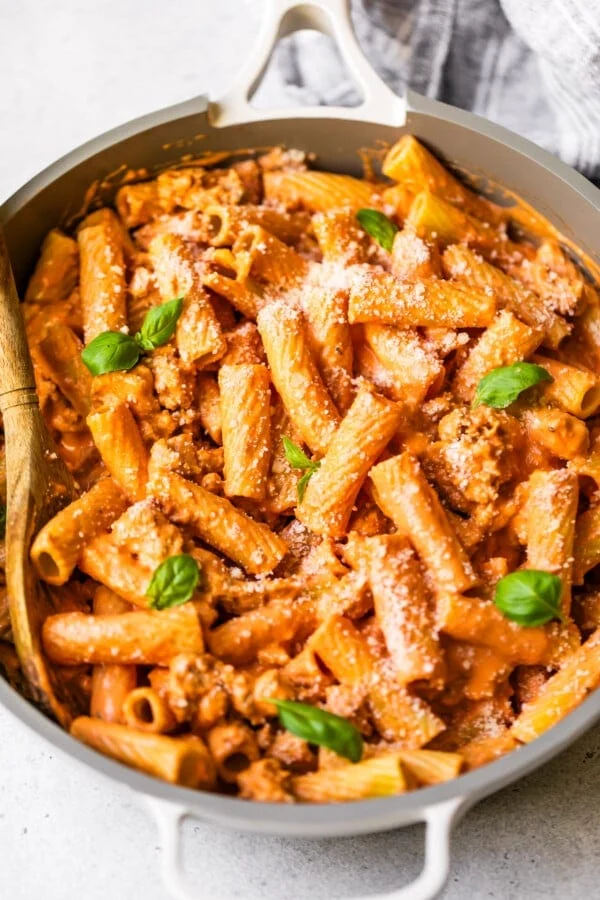
A new recipe for High-Protein Cottage Cheese Pasta is rapidly gaining traction in culinary circles, lauded for its uncanny resemblance to a creamy vodka sauce while offering a significantly healthier nutritional profile. Developed by prominent food blogger Skinnytaste, this dish leverages blended cottage cheese to achieve a rich, velvety texture, effectively eliminating the need for heavy cream and alcohol traditionally found in its classic counterpart. The innovation addresses a growing consumer demand for comfort food staples reimagined with health-conscious ingredients, presenting a compelling case for cottage cheese as a versatile and beneficial component in modern cuisine.
The Resurgence of Cottage Cheese: From Niche to Culinary Star
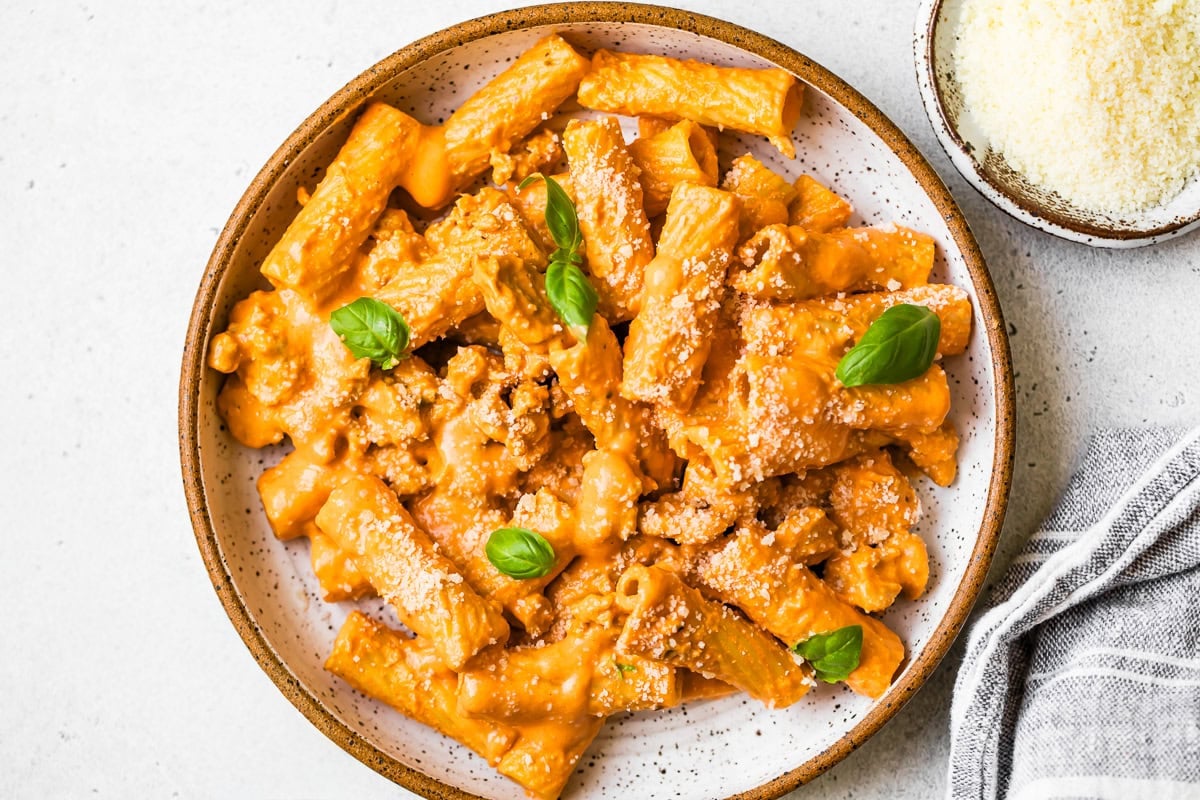
For decades, cottage cheese occupied a somewhat polarizing position in the culinary landscape, often relegated to diet plates or perceived as a textural anomaly. Its distinct curds and mild, tangy flavor, while appreciated by some, deterred many others. However, in recent years, a significant shift in perception has been underway, largely fueled by its high protein content and newfound versatility through blending. The High-Protein Cottage Cheese Pasta exemplifies this resurgence, showcasing how a simple processing step can transform a once-overlooked ingredient into a sophisticated, creamy base for a variety of dishes. This transformation has been observed across various food media platforms, with countless recipes demonstrating cottage cheese’s ability to mimic ricotta, cream cheese, and now, heavy cream in sauces. This trend aligns with broader dietary movements emphasizing increased protein intake for satiety, muscle maintenance, and overall wellness.
Nutritional Ingenuity: A Healthier Spin on Classic Indulgence
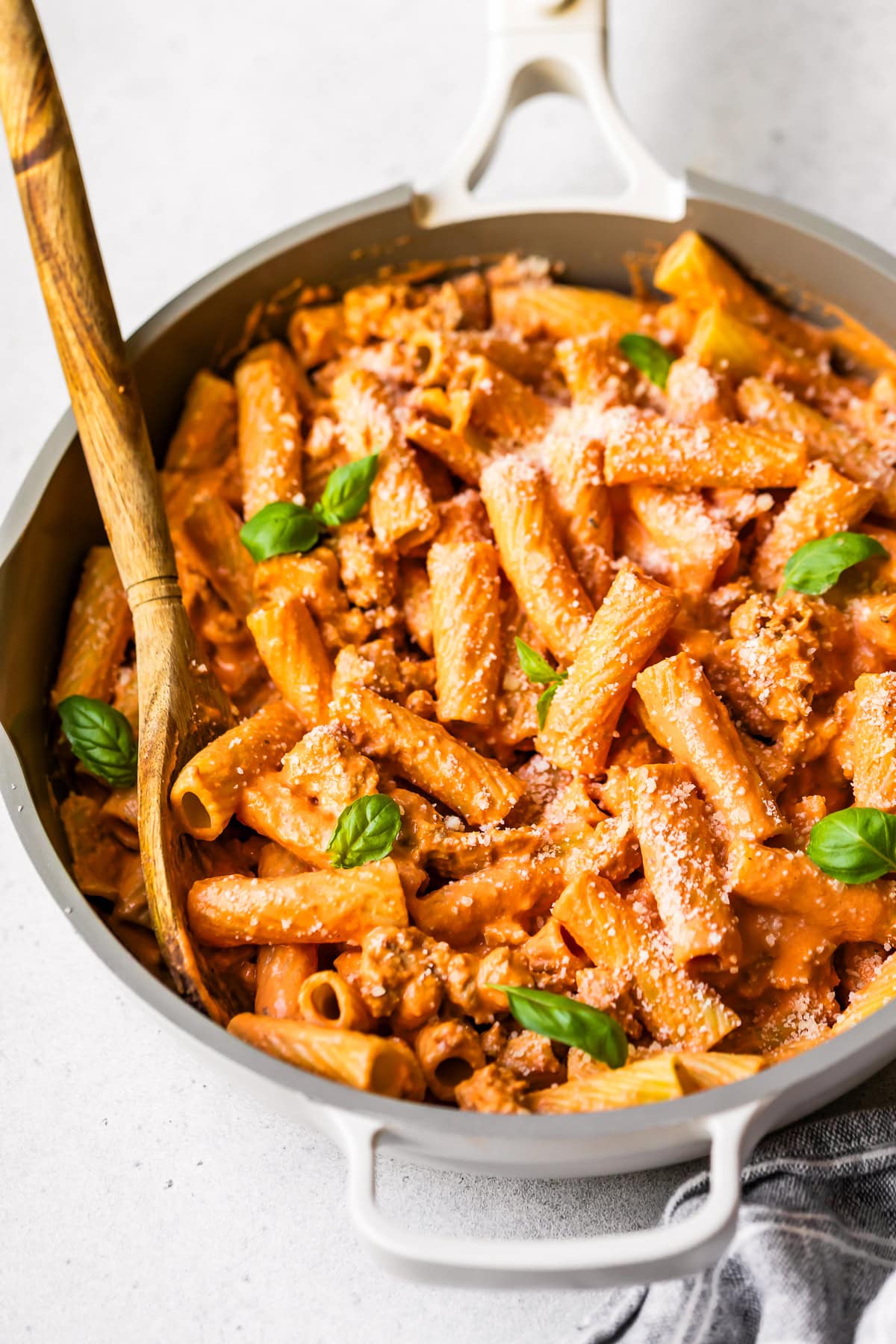
The primary appeal of this cottage cheese pasta lies in its ability to deliver the indulgent experience of a creamy pasta dish, such as Penne alla Vodka, with substantially improved nutritional metrics. Traditional vodka sauce, while delicious, is notoriously calorie-dense and high in saturated fat due to the generous use of heavy cream. In contrast, cottage cheese, particularly its low-fat varieties, offers a robust source of protein with significantly less fat and fewer calories. For instance, a typical serving of this High-Protein Cottage Cheese Pasta boasts approximately 34.5 grams of protein and 13 grams of fat, with 4 grams of saturated fat, per 2-cup serving. This stands in stark contrast to many cream-based pasta sauces that can easily exceed these fat and calorie counts while offering less protein. The recipe’s design caters to individuals actively seeking to manage their caloric intake, increase protein consumption, or simply enjoy a lighter version of their favorite comfort foods without compromising on flavor or texture. This aligns with data from the National Health and Nutrition Examination Survey (NHANES), which indicates a continuous consumer interest in high-protein foods, a trend that has steadily grown over the last decade as more individuals prioritize satiety and muscle health.

Overcoming Skepticism: The Taste Test Validation
One of the most significant hurdles for any innovative ingredient swap is consumer skepticism, particularly concerning texture and flavor alteration. The creator of the High-Protein Cottage Cheese Pasta recipe, Gina Homolka of Skinnytaste, openly acknowledges this challenge, noting her own initial doubts and her husband’s unawareness until after he had consumed the dish. This anecdotal evidence, often echoed by early adopters of the recipe, serves as powerful validation. The blending process is key: it completely pulverizes the characteristic curds of cottage cheese, resulting in an exceptionally smooth, uniform sauce that closely replicates the mouthfeel of heavy cream. Furthermore, cottage cheese possesses a relatively mild flavor profile on its own, which allows it to seamlessly absorb and enhance the robust flavors of the accompanying ingredients—caramelized onions, garlic, tomato paste, red pepper flakes, and Parmesan cheese. This combination creates a complex, savory, and slightly spicy sauce that truly mimics the depth of a well-made vodka sauce, successfully deceiving even discerning palates. This "blind taste test" success story underscores the recipe’s potential to convert even the most ardent cottage cheese skeptics.

Behind the Innovation: Skinnytaste’s Approach to Mindful Eating
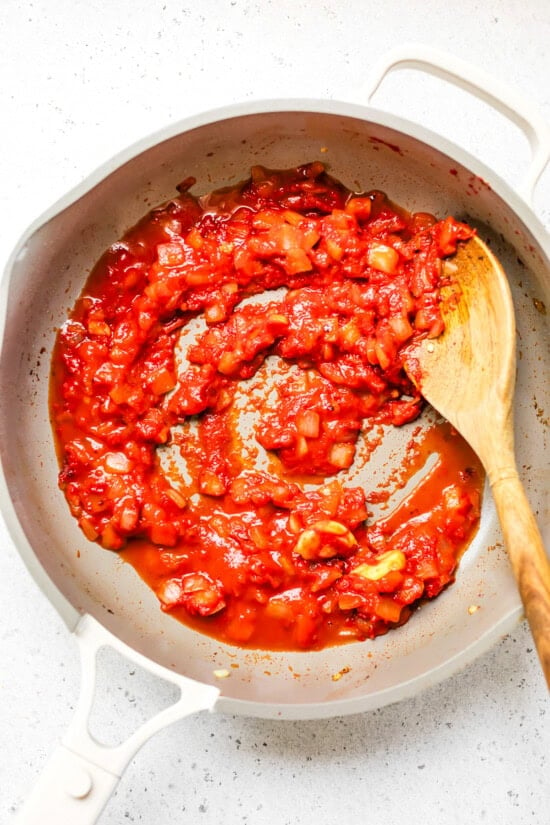
The development of the High-Protein Cottage Cheese Pasta is consistent with the overarching philosophy of Skinnytaste, a platform renowned for transforming classic, often indulgent, recipes into lighter, healthier versions without sacrificing flavor. Gina Homolka’s approach centers on making nutritious eating accessible and enjoyable for home cooks. This recipe is a prime example of her methodology, which involves meticulous experimentation with ingredients and cooking techniques to achieve desired results. The inclusion of caramelized onions and tomato paste adds layers of umami and sweetness, crucial for building a rich flavor base that can stand up to a creamy sauce. The red pepper flakes introduce a subtle warmth, while fresh basil and Parmesan cheese provide aromatic and salty finishing notes. This thoughtful layering of flavors ensures that the absence of heavy cream or alcohol is not perceived as a deficit but rather an intelligent substitution that enhances the overall dining experience. The recipe’s success further solidifies Skinnytaste’s position as a leading voice in the healthy cooking space, demonstrating how culinary creativity can bridge the gap between dietary goals and gastronomic pleasure.
The Culinary Science of Blending: Achieving Velvety Perfection
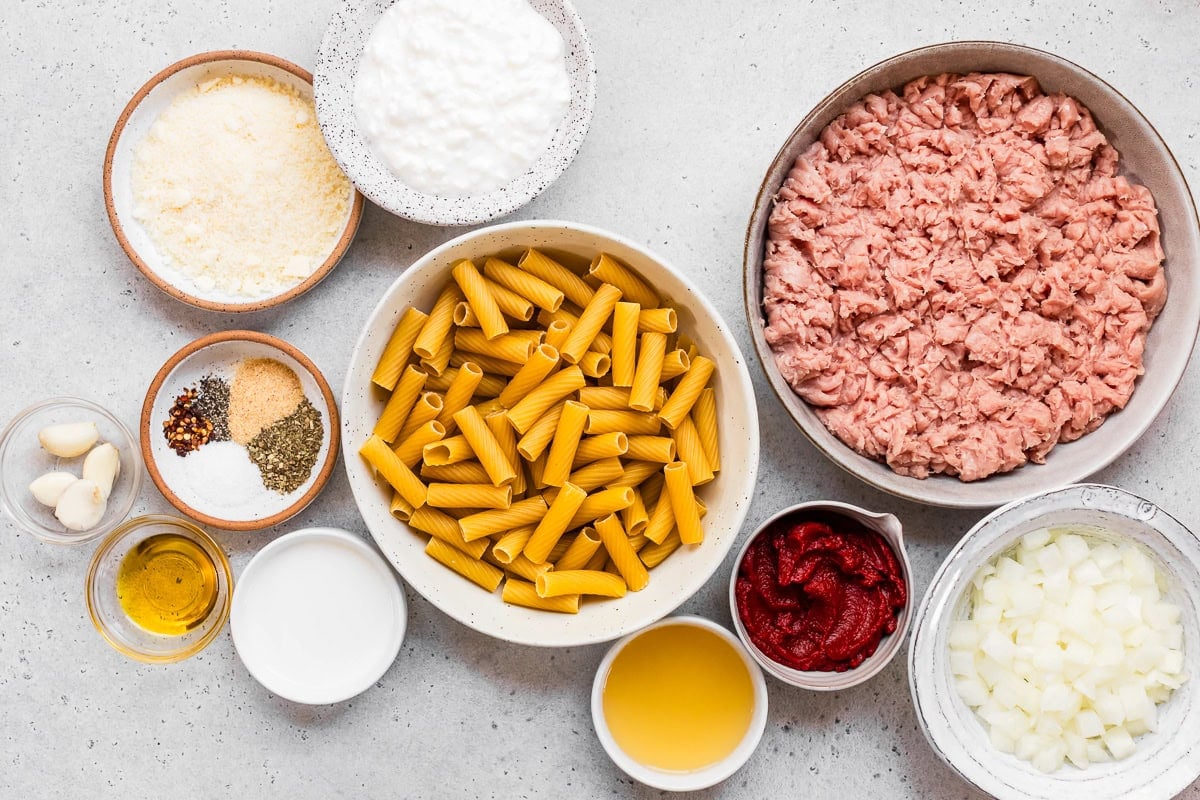
The transformation of cottage cheese into a smooth, creamy sauce is a testament to the power of modern kitchen appliances, particularly high-speed blenders. When cottage cheese, along with the sautéed aromatics (onions, garlic, tomato paste), vegetable broth, and other seasonings, is processed in a blender, the curds break down entirely. This mechanical action emulsifies the dairy proteins and fats, creating a homogenous, viscous liquid that mimics the texture of cream. The addition of a small amount of starchy pasta water later in the cooking process further aids in creating a silky, clingy sauce that adheres beautifully to the pasta. This technique is not new in the realm of health-conscious cooking, with cashews and silken tofu often blended to create dairy-free creamy textures. However, the use of cottage cheese offers a distinct advantage due to its inherent protein content, providing a significant nutritional boost without the need for additional protein sources. This simple yet effective blending method is a cornerstone of the recipe’s success, making it accessible even for novice cooks.
Versatility and Adaptability: Expanding the Cottage Cheese Repertoire
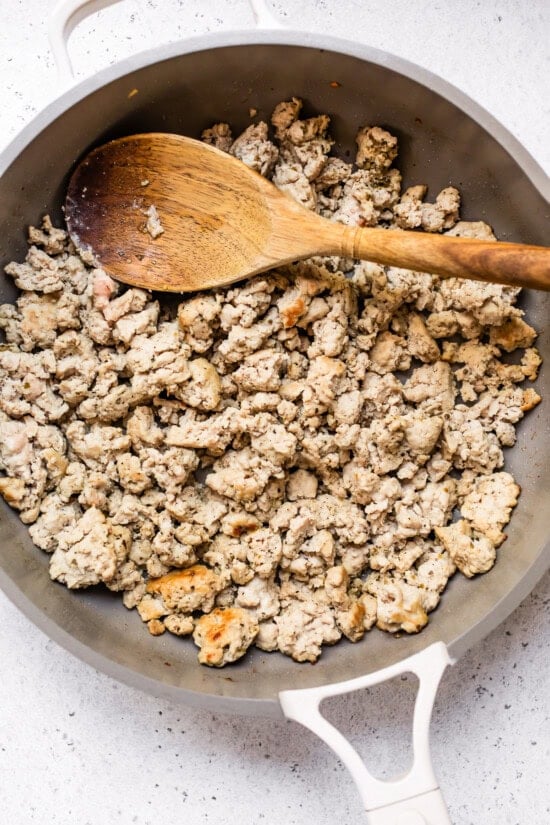
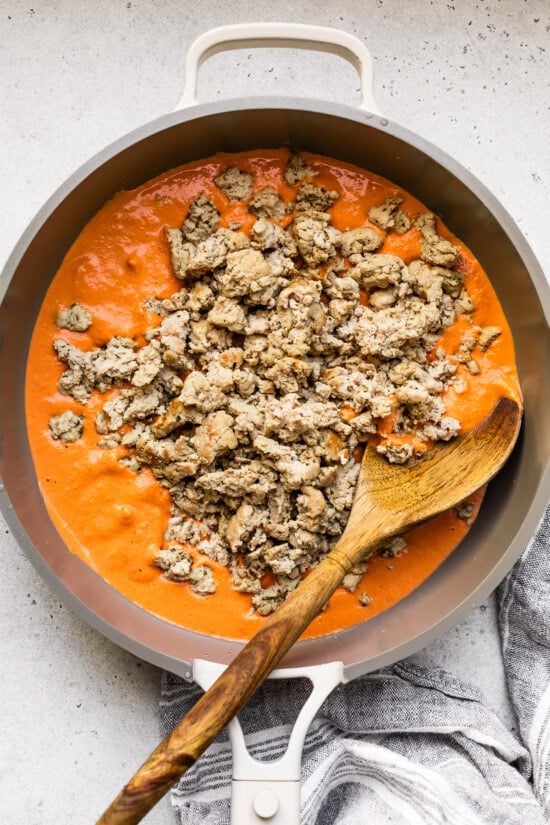
Beyond its core function as a healthier vodka sauce alternative, the High-Protein Cottage Cheese Pasta base offers remarkable versatility. The original recipe emphasizes a robust, tomato-based flavor profile, but the cottage cheese component itself can be adapted to numerous culinary variations. For those seeking to further enhance the protein content, lean ground turkey or chicken can be browned and incorporated into the sauce, as suggested by the recipe developer. Vegetarians can easily omit meat and load the pasta with an array of vegetables such as sautéed mushrooms, spinach, roasted bell peppers, or zucchini, thereby increasing fiber and micronutrient intake. Different herbs can be swapped in for basil, like fresh oregano or parsley, to alter the aromatic profile. Furthermore, the base sauce can be used with various pasta shapes, from penne to rigatoni to spaghetti, each offering a slightly different textural experience. This adaptability makes the recipe a practical choice for meal planning and catering to diverse dietary preferences within a household, reinforcing its appeal as a staple rather than a one-off dish.
Broader Implications for the Food Industry and Consumer Trends
The widespread adoption and positive reception of recipes like the High-Protein Cottage Cheese Pasta signal significant shifts in consumer behavior and market opportunities within the food industry. For dairy producers, the renewed interest in cottage cheese presents a valuable opportunity to reposition and market a product that had seen declining sales in previous decades. It encourages innovation in packaging, flavor profiles, and ready-to-blend formats. The success of such recipes also underscores the continued dominance of health and wellness trends, particularly the demand for high-protein, lower-fat alternatives that do not compromise on taste. Food manufacturers may increasingly explore cottage cheese as an ingredient in pre-made sauces, frozen meals, or snack items. Moreover, the trend highlights the power of food bloggers and social media in shaping culinary trends, demonstrating how a single innovative recipe can spark widespread interest and drive ingredient sales. The accessibility of information and recipe sharing platforms empowers consumers to experiment with healthier cooking at home, fostering a culture of informed and creative culinary exploration.

Practicality for Modern Lifestyles: Storage and Meal Prep Benefits
In today’s fast-paced world, convenience and efficiency are paramount for home cooks. The High-Protein Cottage Cheese Pasta addresses these needs effectively. The sauce can be prepared in advance and stored, making it an excellent option for meal prepping. According to the recipe’s FAQ, the cottage cheese pasta sauce can be frozen for up to three months, offering significant flexibility. When ready to serve, it can be thawed in the refrigerator and reheated on the stove or in the microwave, with a splash of water to adjust consistency if needed. This makes it ideal for busy weekdays, allowing individuals to quickly assemble a nutritious and delicious meal. The ability to freeze the sauce separately from the pasta also ensures optimal texture when reheated, as cooked pasta can sometimes become mushy after freezing. These practical considerations contribute significantly to the recipe’s appeal, aligning with contemporary consumer desires for healthful, flavorful, and convenient meal solutions.
Expert Endorsements and Future Outlook
While specific official statements on this particular recipe are not yet widely available from external bodies, the nutritional profile of the High-Protein Cottage Cheese Pasta aligns perfectly with recommendations from nutrition and dietetics professionals. Dietitians frequently advocate for increasing lean protein intake and reducing saturated fats, especially in comfort foods, to support heart health and weight management. The recipe offers an accessible and palatable way to achieve these dietary goals. Food trend analysts predict that the "healthy swap" phenomenon, particularly involving dairy products like cottage cheese and Greek yogurt, will continue to grow. Consumers are becoming increasingly savvy about ingredient functionalities and nutritional benefits, moving beyond simple calorie counting to a more holistic understanding of food. The High-Protein Cottage Cheese Pasta is therefore not just a fleeting culinary trend but a reflection of a deeper, enduring shift in how people approach healthy eating – a shift towards delicious, satisfying, and nutritionally optimized meals. As such, it is poised to remain a popular choice among those seeking wholesome yet indulgent dining experiences.
