
A Historical Perspective on Enclosed Cooking

The concept of cooking food in a sealed package is not new; ancient civilizations utilized leaves, clay, or animal skins to create similar steam-cooking environments, preserving moisture and infusing flavors. The modern iteration of foil packet cooking, often colloquially known as "hobo dinners," gained significant traction in the mid-20th century. This term emerged from the practice of transient workers and campers who would wrap simple combinations of meat and vegetables in foil and cook them directly over campfires or embers. The advent of affordable and readily available aluminum foil in the post-World War II era further popularized this method, transitioning it from a necessity for survivalists and vagabonds to a beloved staple of family camping trips and backyard barbecues. Early recipes were typically straightforward, featuring ground beef, potatoes, carrots, and onions, seasoned simply with salt and pepper. This foundational approach underscored the method’s core appeal: ease of preparation, portability, and effortless cleanup, which were revolutionary for outdoor cooking.

The Science of Flavor and Moisture Retention

At the heart of foil packet cooking’s success lies its unique thermodynamic properties. When food is tightly sealed within an aluminum foil pouch, it creates a miniature, self-contained steam oven. As heat is applied, the moisture naturally present in the ingredients, along with any added liquids like broths, wines, or sauces, vaporizes and circulates within the packet. This steam bath cooks the food gently and evenly, preventing drying out, which is a common challenge with direct heat cooking methods. The sealed environment also ensures that aromatic compounds and seasonings remain trapped, intensifying the flavor profile of the dish. This process not only preserves the natural juices of meats and vegetables but also allows flavors to meld together harmoniously, often resulting in a more succulent and flavorful outcome than traditional pan-frying or roasting. Culinary scientists often point to the Maillard reaction (browning) occurring on the food’s surface before the steaming process as key to developing complex flavors, while the subsequent steaming ensures tenderness. The high thermal conductivity of aluminum foil ensures efficient heat transfer, reducing cooking times compared to some other slow-cooking methods.

Expanding Culinary Horizons: Beyond the Campfire
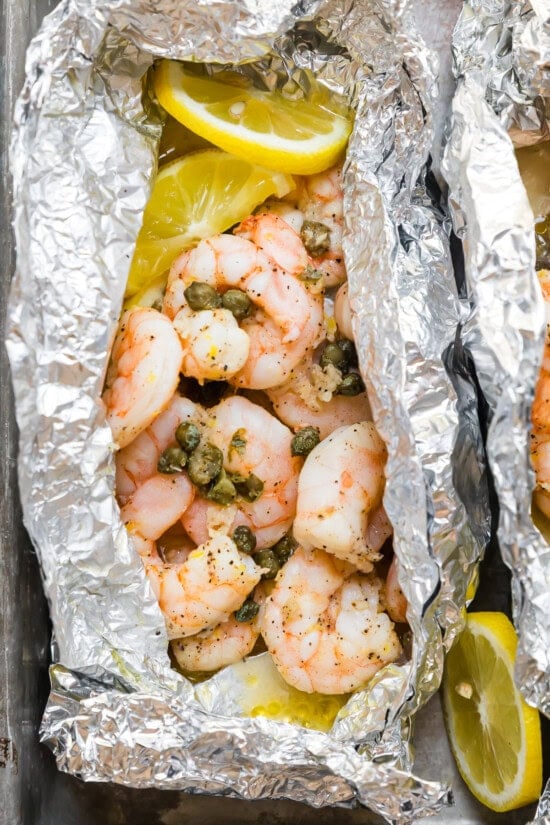
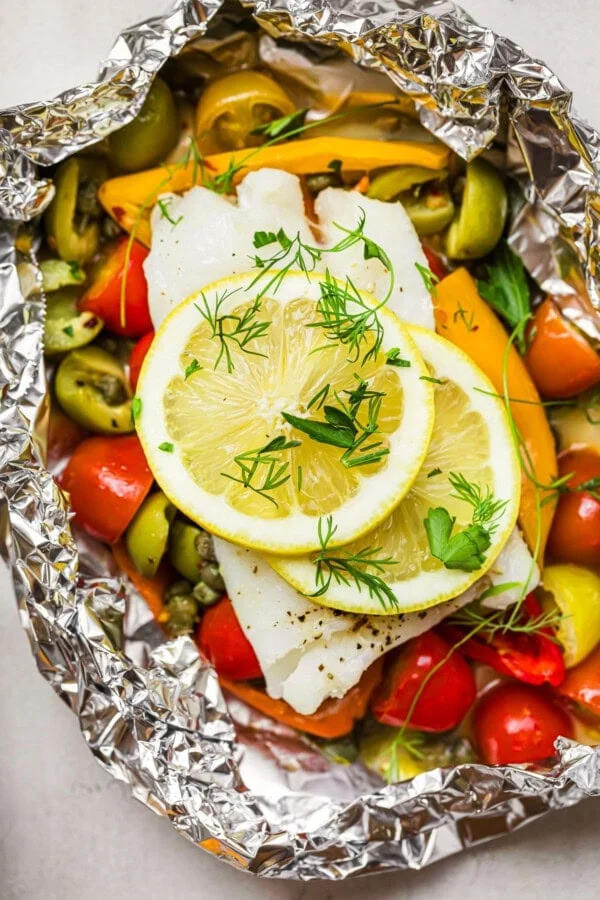
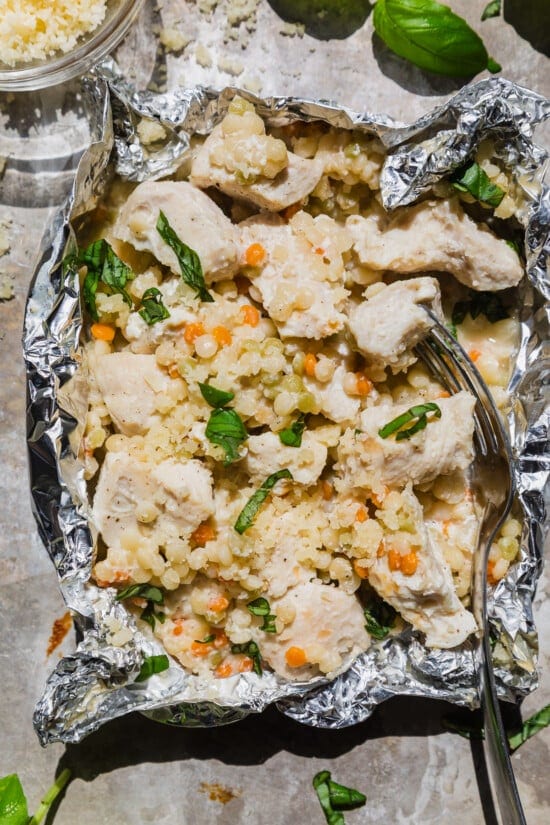
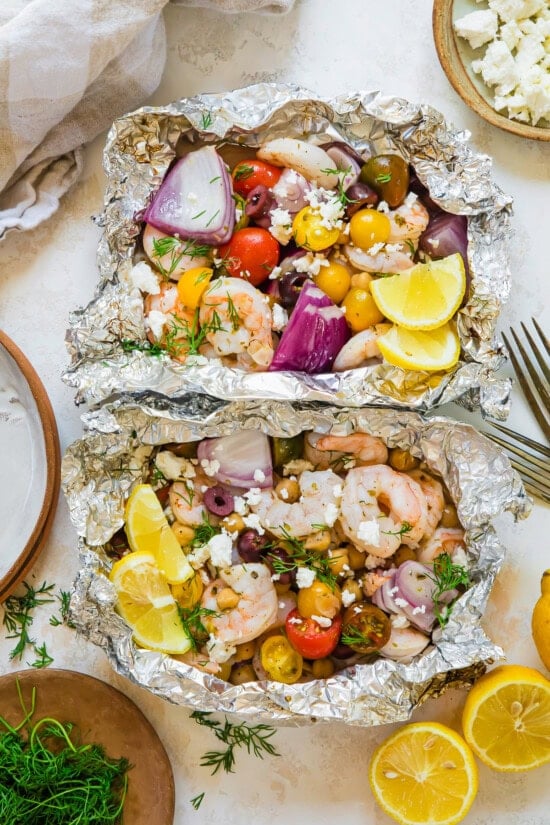
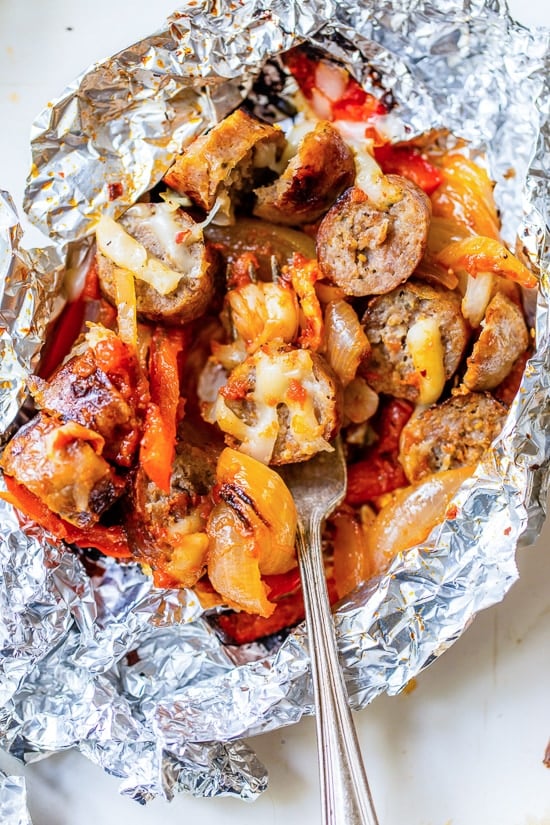
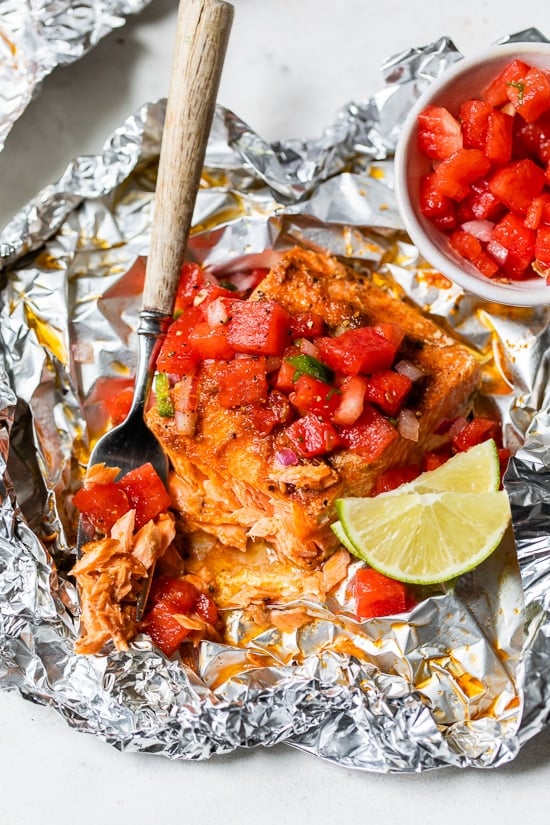
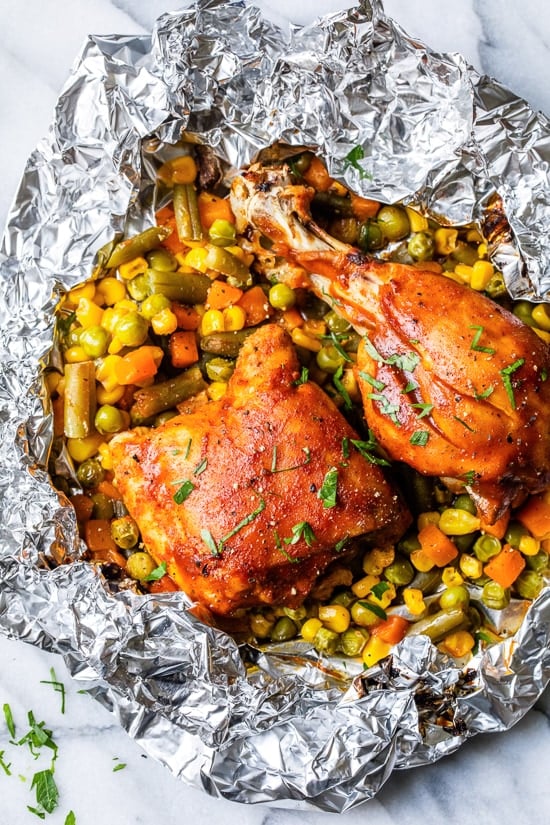
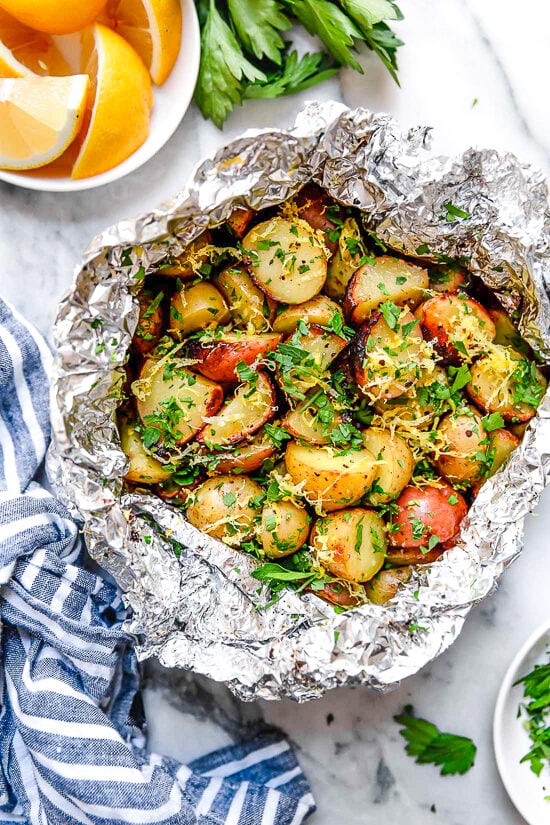
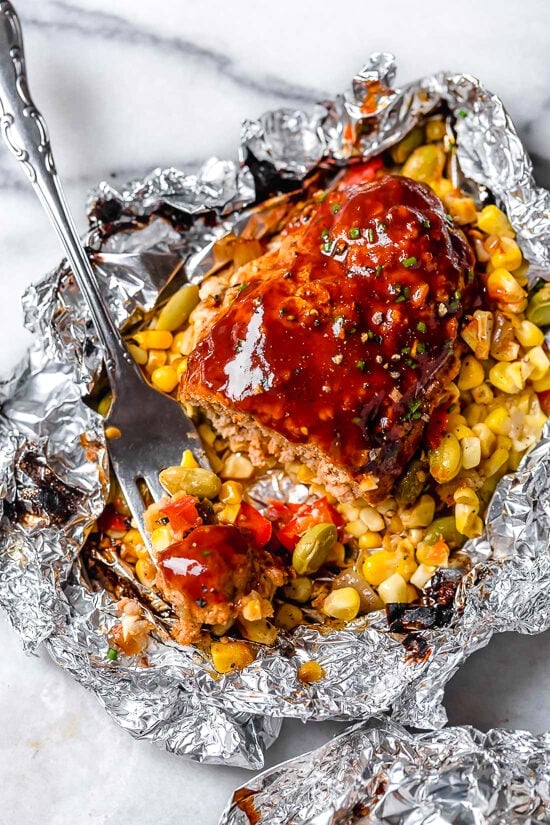
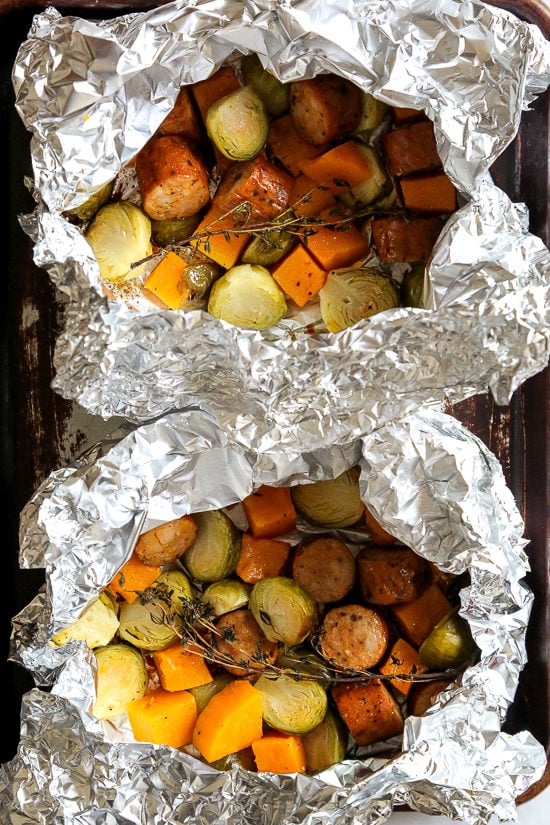
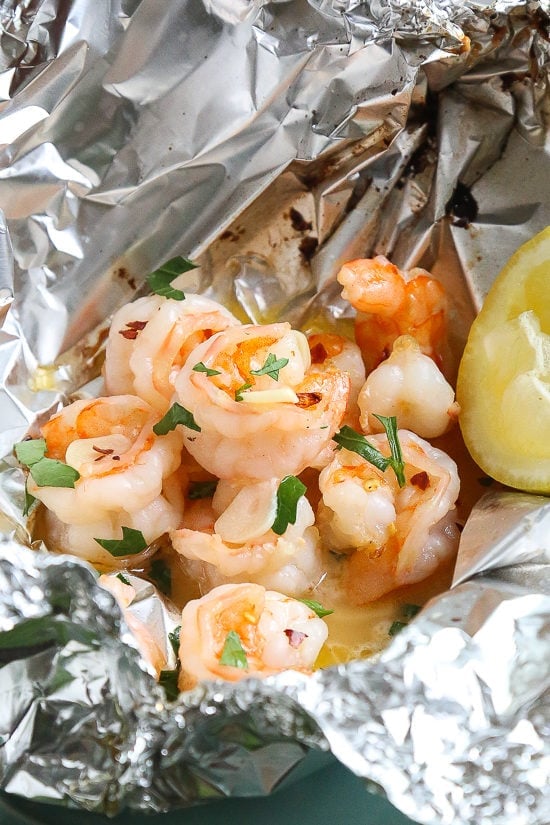
While its roots are firmly planted in outdoor cooking, foil packet cuisine has evolved dramatically. Today’s recipes extend far beyond basic meat and potatoes, embracing a global pantry of ingredients and sophisticated flavor profiles. Contemporary foil packet dishes can range from comforting classics like BBQ chicken and individual meatloaf portions to more refined options such as Mediterranean fish with olives and feta, Greek shrimp with chickpeas and tomatoes, or spice-rubbed fish accompanied by vibrant watermelon salsa. This versatility demonstrates that the method is not limited by culinary genre but rather enhances a wide array of ingredients. The ease of adapting recipes for different dietary needs—vegetarian, gluten-free, low-carb—further underscores its modern relevance.
Key Advantages for the Modern Cook
The enduring popularity of foil packet cooking stems from several compelling advantages that align with contemporary lifestyle demands:
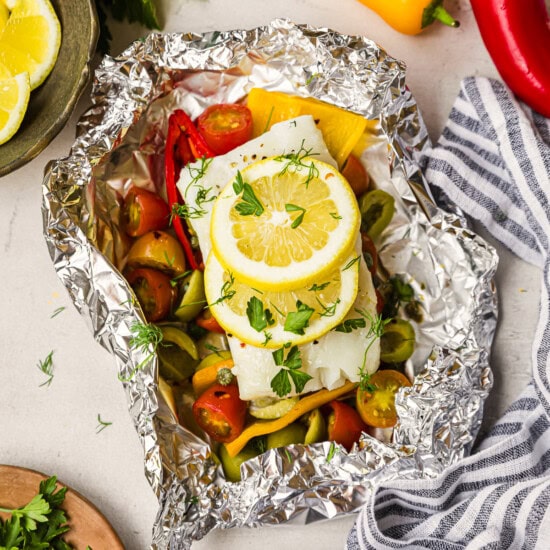
- Effortless Cleanup: Perhaps the most frequently cited benefit, the foil packet itself acts as a disposable cooking vessel, eliminating the need for extensive scrubbing of pots and pans. This is particularly appealing for busy individuals and families, as well as for outdoor activities where dishwashing facilities are limited.
- Flavor Infusion and Moisture Retention: As discussed, the sealed environment maximizes flavor development and keeps ingredients moist and tender, preventing dryness.
- Portability and Convenience: For camping, picnics, or potlucks, foil packets can be assembled ahead of time, transported easily, and cooked on-site. This "meal-in-one" approach simplifies logistics considerably.
- Versatile Cooking Methods: While ideal for grilling and campfires, foil packets perform equally well in conventional ovens. This adaptability ensures that the method remains viable regardless of weather conditions or access to outdoor cooking equipment. Some recipes are even being adapted for air fryers.
- Healthy Cooking: The steaming action within the packet often requires less added fat than other cooking methods, contributing to healthier meal preparation. It also helps retain water-soluble vitamins and minerals that might otherwise be lost through boiling or excessive heat exposure.
- Portion Control: Individual packets make portion control straightforward, aiding those managing their dietary intake.
- Customization: Each diner can customize their packet with preferred ingredients and seasonings, catering to individual tastes and dietary restrictions without complicating the overall meal preparation.
Integrating Supporting Data and Expert Perspectives
Data from the outdoor recreation industry indicates a steady rise in camping and glamping activities. The Kampgrounds of America (KOA) North American Camping Report consistently shows that millions of households participate in camping annually, with a significant portion seeking convenient and enjoyable meal solutions. Foil packet recipes directly address this demand, offering a practical and delicious way to feed groups in diverse outdoor settings.
Nutritionists often endorse foil packet meals for their inherent health benefits. Dr. Elena Petrova, a registered dietitian, observes, "The ability to combine lean proteins, a generous array of vegetables, and complex carbohydrates within a single packet, cooked primarily by steam, makes this method excellent for nutrient retention. It naturally encourages balanced meals and reduces the need for heavy oils or fats, aligning perfectly with guidelines for healthy eating."
Moreover, the increasing consumer focus on meal prepping and efficient home cooking has further elevated foil packet techniques. A recent survey by the National Restaurant Association highlighted a growing consumer preference for "healthful and sustainable meal options" and "convenient food solutions." Foil packet cooking checks both these boxes, providing a straightforward path to preparing wholesome meals with minimal fuss.
Broader Impact and Implications
The resurgence of interest in foil packet cuisine reflects several broader societal and culinary trends. Firstly, it aligns with a growing desire for simplicity and efficiency in the kitchen, a response to increasingly busy lifestyles. Consumers are seeking ways to prepare nutritious meals without sacrificing excessive time or generating substantial cleanup. Secondly, it taps into the burgeoning "experience economy," where cooking is not just about sustenance but also about the enjoyment of the process, particularly in social and outdoor contexts. The communal aspect of preparing and sharing foil packet meals, whether around a campfire or at a backyard barbecue, reinforces this trend.
The environmental implications of aluminum foil usage are also part of the contemporary discourse. While aluminum is infinitely recyclable, proper disposal is crucial. Manufacturers and environmental advocates continue to promote recycling initiatives for aluminum products, and consumers are encouraged to rinse foil packets before recycling to minimize contamination. This consideration highlights a growing awareness of sustainability even in everyday cooking practices.
Finally, the adaptability of foil packet cooking extends to economic considerations. By allowing cooks to utilize seasonal produce and less expensive cuts of meat, combined with reduced energy consumption (especially when grilling outdoors), it can be a highly cost-effective method for meal preparation. This economic efficiency, coupled with its health and convenience benefits, cements its position as a valuable culinary tool.

Conclusion
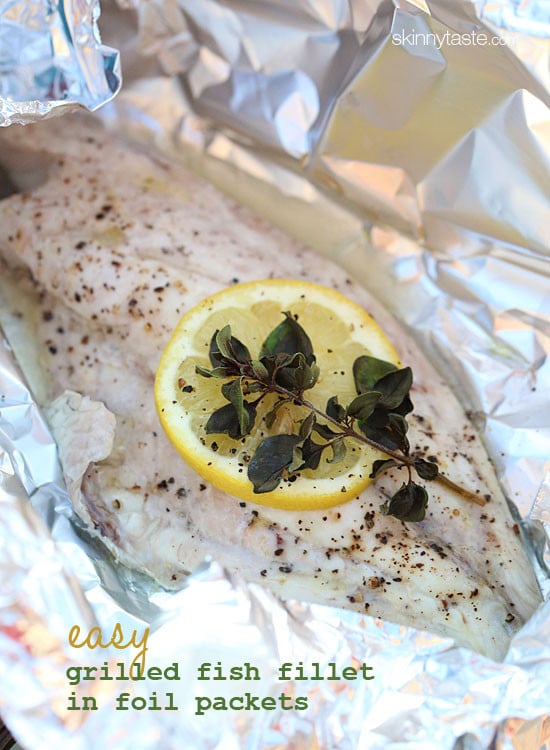
Foil packet cooking, once a humble technique associated primarily with rudimentary outdoor meals, has undergone a significant transformation. It stands today as a testament to culinary ingenuity, offering a versatile, nutritious, and incredibly convenient method for preparing a diverse range of dishes. From sophisticated seafood creations to hearty comfort foods, the sealed environment of the foil packet consistently delivers moist, flavorful results with the added bonus of minimal cleanup. As modern lifestyles continue to demand efficiency without compromising on quality or health, foil packet cuisine is poised to maintain its enduring appeal, serving as a reliable and enjoyable cooking solution for both the adventurous outdoor enthusiast and the time-conscious home chef.
