
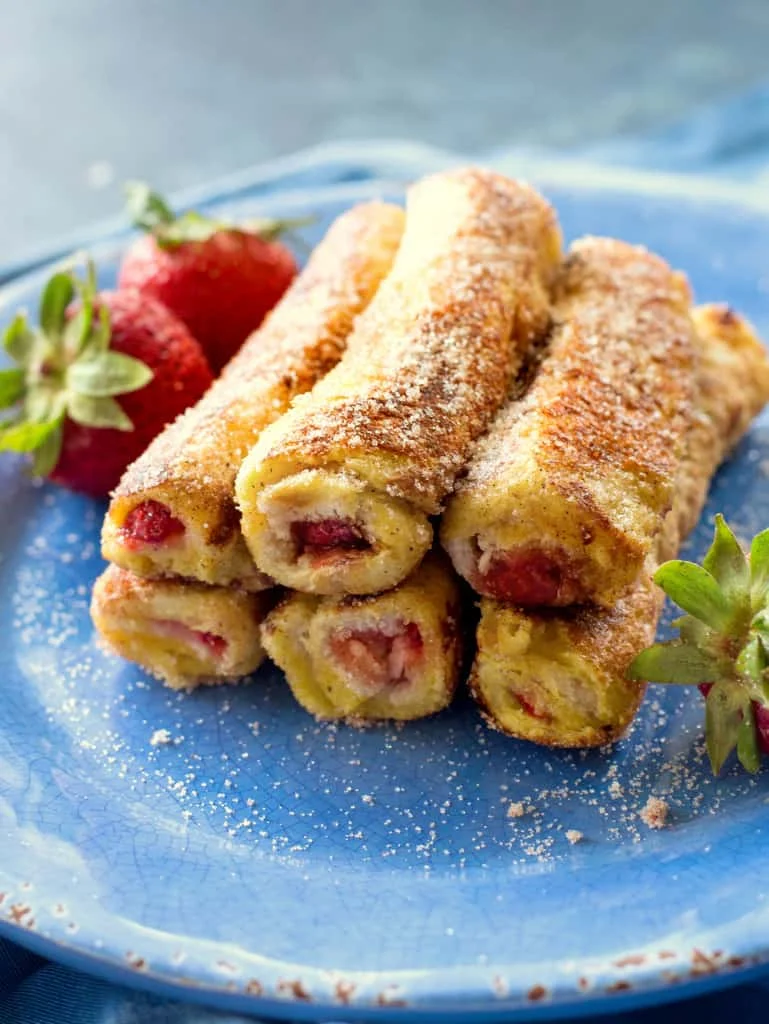
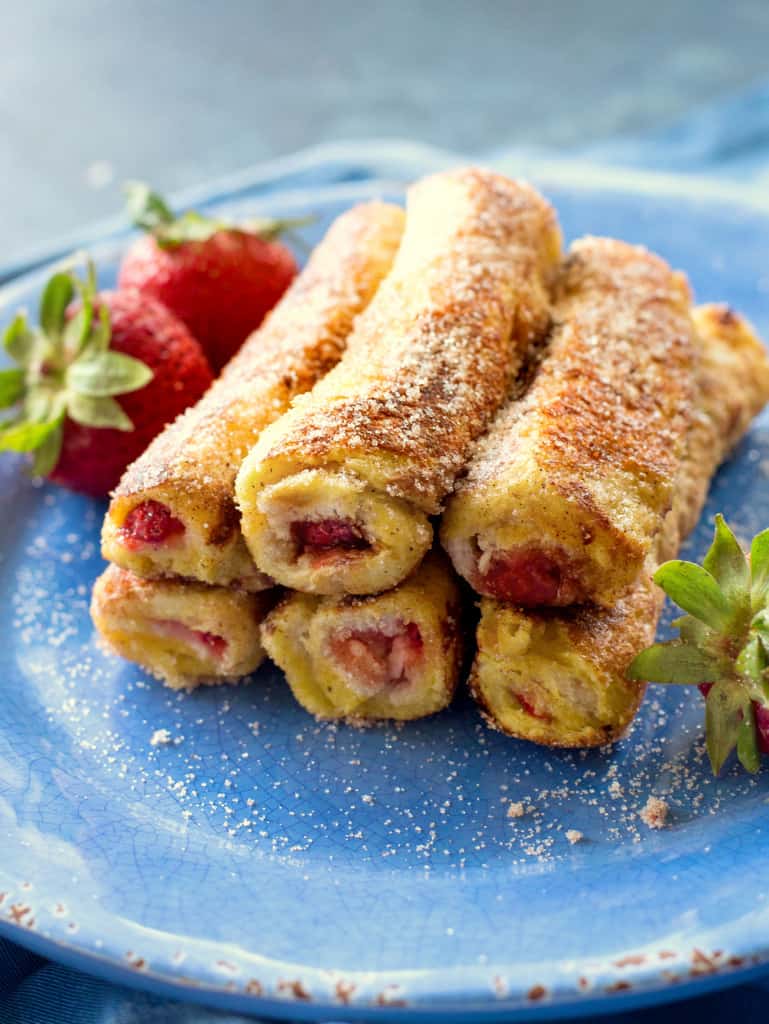
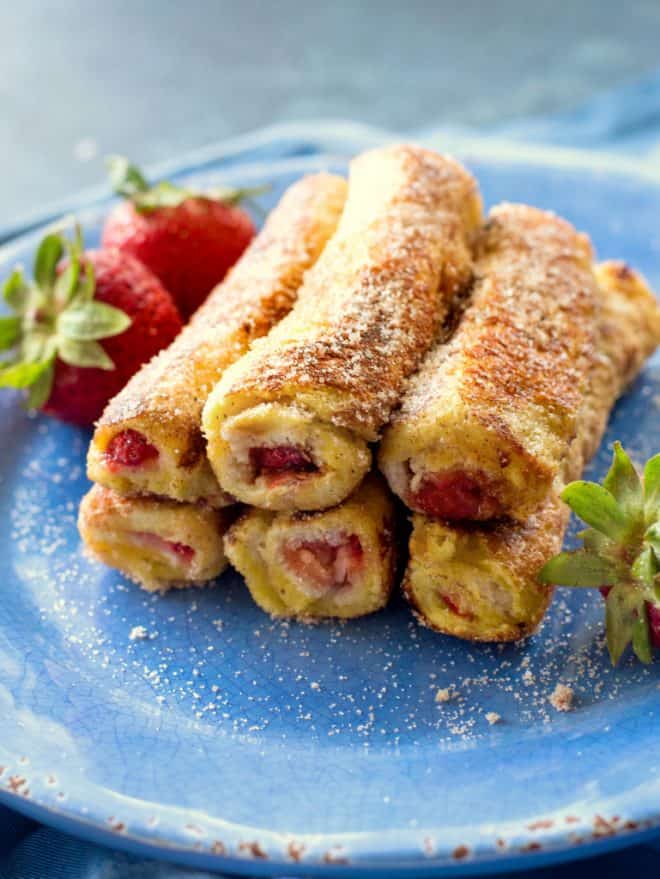
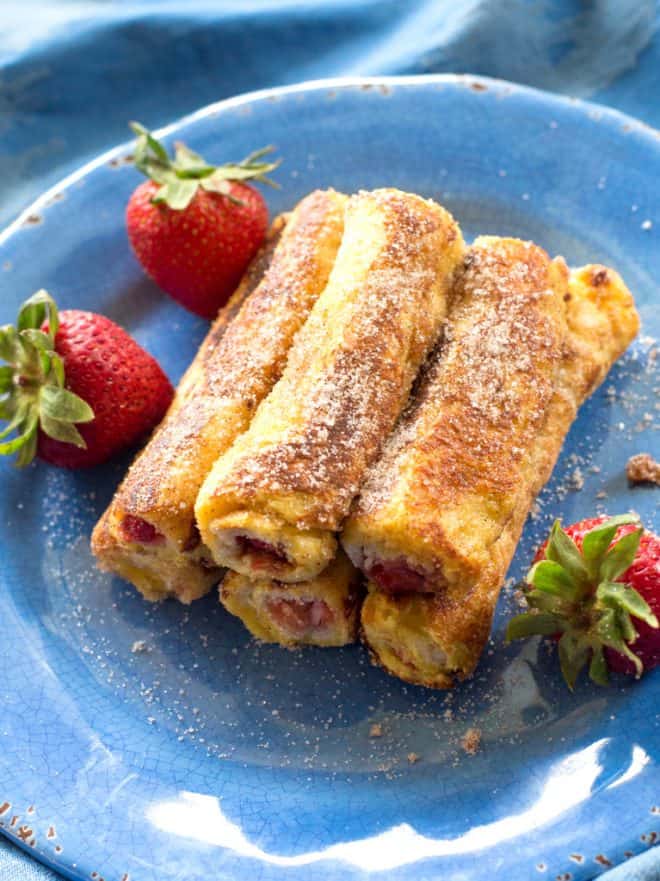
French Toast Roll-Ups, a creative reinterpretation of the beloved breakfast staple, are emerging as a popular choice for home cooks seeking an impressive yet approachable dish. This innovative preparation involves encasing a variety of fillings, such as cream cheese and fresh fruit, within slices of bread that are then rolled, dipped in a classic French toast batter, and cooked to golden perfection. The resulting bites are coated in a sweet cinnamon-sugar mixture, offering a delightful textural contrast and a burst of flavor in every bite.
The appeal of French Toast Roll-Ups lies in their versatility and visual charm. Unlike traditional French toast, which is served as flat slices, the rolled format allows for the incorporation of diverse fillings, transforming a simple breakfast into a more gourmet experience. This adaptability makes them suitable for a wide range of palates and occasions, from casual family breakfasts to more elaborate weekend brunches and even special celebrations like Mother’s Day, as suggested by culinary bloggers who have popularized the recipe.
The Genesis of a Breakfast Favorite
While the exact origin of the French Toast Roll-Up is difficult to pinpoint, its emergence can be traced to the growing trend of creative breakfast and brunch recipes shared across food blogs and social media platforms. The concept taps into a desire for familiar comfort food presented in novel ways. The core idea — taking a well-loved dish and deconstructing or reconstructing it into a more playful and engaging format — resonates with home cooks looking to elevate their culinary repertoire without requiring advanced techniques.
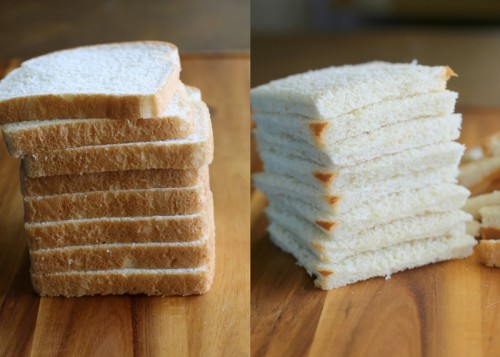
The simplicity of the ingredients—bread, eggs, milk, cinnamon, sugar, and customizable fillings—contributes to its widespread appeal. Soft white bread, often a staple in many households, forms the base. By removing the crusts and flattening the bread with a rolling pin, a pliable canvas is created for the fillings. This preparatory step is crucial for achieving the signature rolled shape and ensuring even cooking.
Crafting the Perfect Roll-Up: A Culinary Breakdown
The process of making French Toast Roll-Ups is a straightforward yet engaging culinary endeavor. It begins with selecting the right type of bread. Softer, more yielding breads like white sandwich bread are ideal as they flatten easily without tearing. The crusts are typically removed to ensure a smooth, uniform roll.
Step-by-Step Culinary Innovation:
-
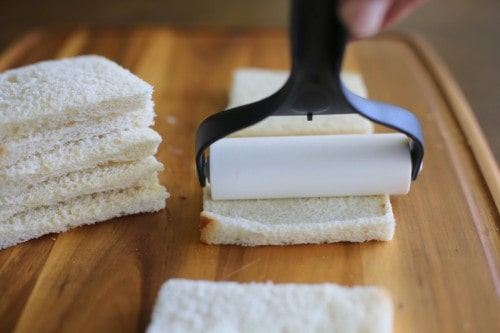
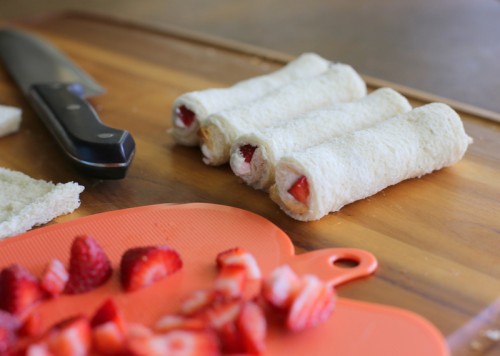
Preparation of the Bread: Slices of soft white bread are the foundation. The crusts are carefully trimmed, and then each slice is flattened using a rolling pin. This action not only makes the bread more pliable but also creates a thinner, more manageable surface area for rolling.
-
Introducing the Fillings: The heart of the French Toast Roll-Up lies in its filling. This is where creativity can truly shine. Classic combinations often include:
- Cream Cheese and Fruit: Softened cream cheese provides a rich, tangy base, often paired with diced fresh strawberries, blueberries, or raspberries for a sweet and slightly tart contrast. The cream cheese helps to bind the fruit and adds a luxurious texture.
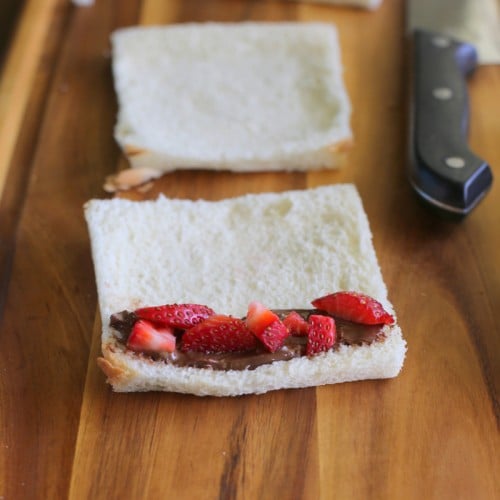
- Nutella and Fruit: For a chocolatey indulgence, a spread of Nutella (or another chocolate-hazelnut spread) combined with fresh fruit, such as sliced strawberries or bananas, offers a decadent flavor profile.
- Jam or Preserves: A dollop of favorite jam or preserves can also serve as a simple yet effective filling, offering a concentrated burst of fruit flavor.
- Cinnamon Sugar Mix: For a simpler, purely sweet option, a sprinkle of cinnamon and sugar can be used as the primary filling.
The filling is strategically placed towards one edge of the flattened bread slice, leaving a small border to prevent leakage during the rolling process.
-
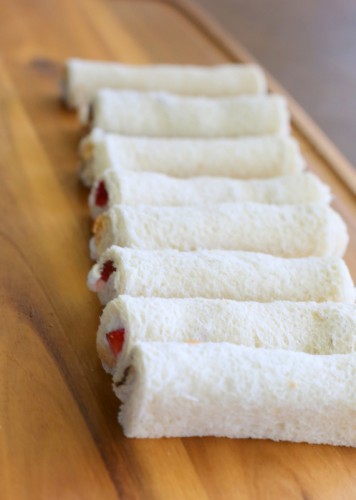
The Roll: The bread is then carefully rolled, starting from the edge with the filling, to create a compact cylinder. The slight moisture from the filling often helps to seal the roll.
-
The Batter Dip: Once rolled, the individual "rolls" are dipped into a standard French toast batter. This typically consists of whisked eggs, milk, a touch of sugar, and often a hint of vanilla extract and cinnamon. The batter coats the rolls, providing the base for the characteristic golden-brown exterior.
-
The Sizzle: The coated rolls are then pan-fried in a skillet, much like traditional French toast, over medium heat. Butter or a combination of butter and oil is often used to prevent sticking and promote even browning. The rolls are cooked until they achieve a beautiful golden-brown hue on all sides, ensuring the bread is cooked through and the filling is warm.
-
The Sweet Finish: Immediately after removing the cooked rolls from the skillet, while they are still warm and slightly sticky, they are rolled in a mixture of granulated sugar and ground cinnamon. This creates a delightfully crunchy, sweet, and aromatic exterior that perfectly complements the soft interior and the chosen filling.
Culinary Endorsements and Variations
Food bloggers and recipe developers have embraced the French Toast Roll-Up, highlighting its ease of preparation and its impressive presentation. Many emphasize the "crowd-pleasing" nature of the dish, suggesting it’s an ideal option for entertaining. The recipe’s inherent flexibility allows for endless customization, catering to dietary preferences or seasonal availability of fruits.
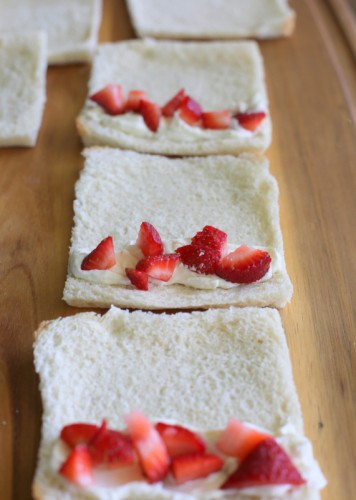
Beyond the classic cream cheese and fruit combinations, adventurous cooks might explore fillings such as:
- Savory Options: While less common, savory fillings like a thin slice of ham and cheese, or even a small amount of scrambled egg, could potentially be incorporated for a more breakfast-meets-lunch fusion.
- Chocolate Variations: Mini chocolate chips or a swirl of chocolate ganache could be added to the cream cheese or Nutella fillings for an extra layer of indulgence.
- Spiced Fillings: A touch of nutmeg or cardamom could be added to the cream cheese or cinnamon-sugar mixture for a more complex flavor profile, especially during the autumn months.
The Broader Impact on Breakfast Culture
The rise of French Toast Roll-Ups reflects a larger trend in home cooking: the desire for familiar flavors presented in innovative and exciting ways. This trend is fueled by the accessibility of online recipe platforms and social media, where visually appealing and conceptually novel dishes can gain rapid traction.
The French Toast Roll-Up, in particular, democratizes gourmet-style breakfast. It offers the perceived elegance of restaurant-quality brunch without requiring specialized ingredients or advanced culinary skills. This makes it an attractive option for individuals looking to impress guests or simply add a touch of specialness to their everyday routines.
Furthermore, the recipe’s simplicity in terms of ingredients and preparation makes it an accessible activity for families to undertake together. Children can often participate in tasks like flattening the bread, spreading fillings, or rolling the components, fostering a sense of culinary engagement and shared experience.
Nutritional Considerations and Market Trends
From a nutritional standpoint, French Toast Roll-Ups, like most breakfast pastries, can be a treat rather than a daily staple. The primary ingredients—bread, sugar, eggs, and dairy—contribute carbohydrates, protein, and fat. The nutritional profile can be significantly influenced by the choice of fillings. Opting for fresh fruits over sugary jams, or using reduced-fat cream cheese, can offer a slightly healthier iteration.
The market for breakfast and brunch foods continues to evolve, with consumers showing increasing interest in both convenient and indulgent options. Recipes like French Toast Roll-Ups cater to the latter, offering a homemade alternative to store-bought pastries. Their popularity on food blogs and recipe-sharing sites indicates a sustained consumer interest in creative, accessible, and visually appealing breakfast dishes. The ability to adapt the recipe to individual tastes and dietary needs further solidifies its place as a versatile and enduring breakfast option.
Conclusion
French Toast Roll-Ups represent more than just a recipe; they embody a culinary philosophy of playful innovation and accessible indulgence. By transforming a classic breakfast into a delightful, bite-sized treat, they offer a satisfying blend of comfort and novelty. Their ease of preparation, combined with endless filling possibilities, ensures their continued popularity among home cooks seeking to elevate their breakfast repertoire and delight their families and guests with a touch of homemade magic. As the culinary landscape continues to embrace creativity and customization, the French Toast Roll-Up stands as a testament to the enduring appeal of well-loved flavors reimagined for a modern palate.
