
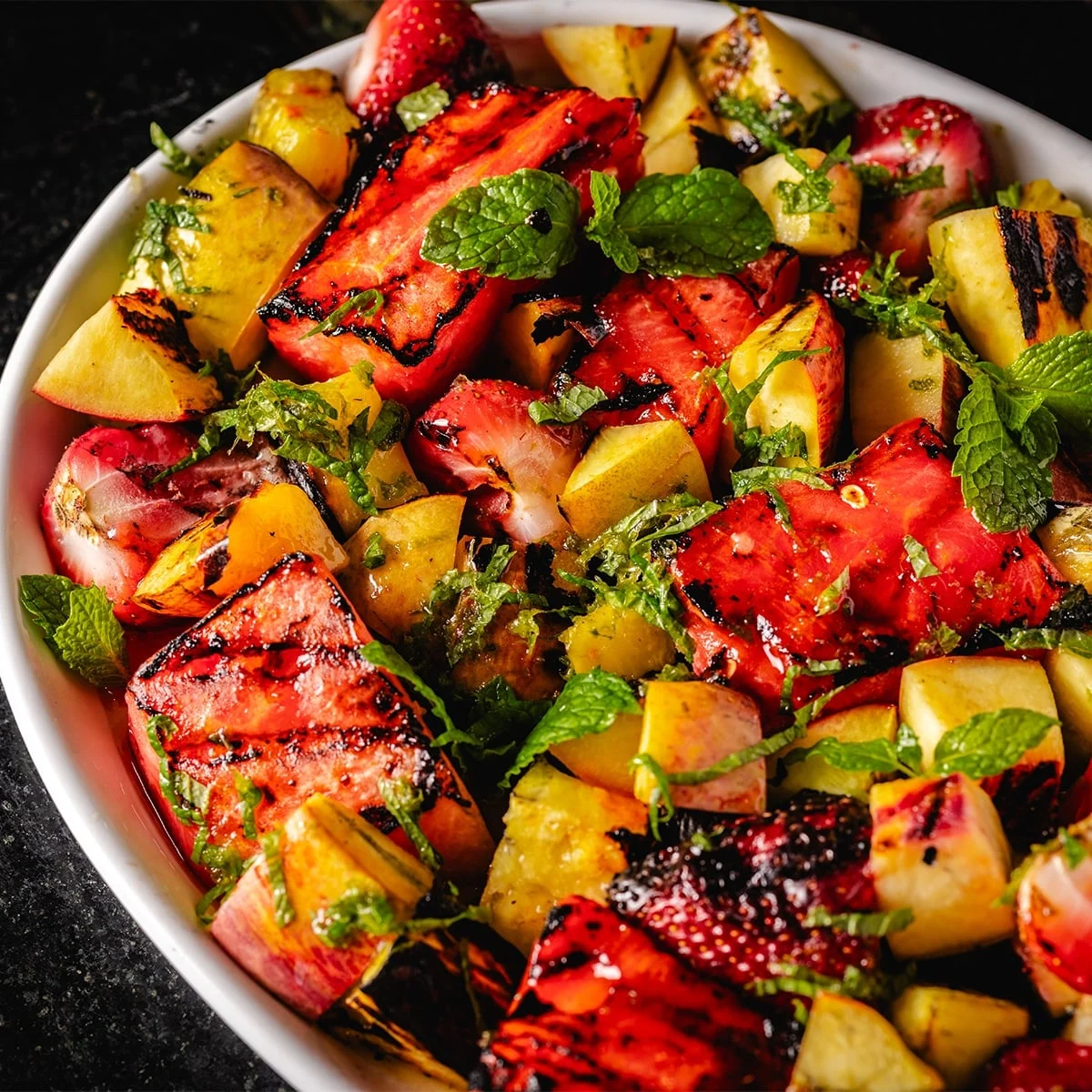
The integration of high-heat cooking techniques into fruit preparation has emerged as a significant culinary trend, shifting the perception of fruit-based dishes from simple side items to sophisticated components of modern outdoor dining. This transformation, exemplified by the emergence of the grilled fruit salad, utilizes the chemical process of caramelization—specifically the Maillard reaction—to alter the flavor profiles of seasonal produce. By subjecting fruits such as pineapples, peaches, strawberries, and watermelons to direct flame, chefs are able to concentrate natural sugars and introduce a savory depth that balances traditional sweetness, creating a complex dish capable of complementing savory proteins typically served at barbecue events.
Culinary Chemistry and the Impact of Thermal Processing
The scientific rationale behind grilling fruit lies in the transformation of natural fructose and glucose. When fruit is exposed to direct heat, the water content evaporates, resulting in a reduction of the juice and a more intense concentration of flavor. Simultaneously, the heat triggers caramelization, where the sugars break down and reform into complex compounds that provide a nutty, toasted flavor. This process is particularly effective for high-sugar fruits like pineapple and peaches.

From a nutritional perspective, this method retains the majority of the fruit’s micronutrients, such as Vitamin C and potassium, while providing a texture contrast that is absent in raw fruit preparations. Data from culinary nutrition studies suggest that while some heat-sensitive vitamins may experience minor degradation, the increased palatability of grilled produce often leads to higher consumption rates of fiber-rich fruits, contributing to a more balanced overall dietary intake during summer gatherings.
Chronology of the Grilled Fruit Trend
While the practice of roasting or grilling fruit has deep historical roots in tropical cultures—where fire-roasting plantains or pineapples has been a staple for centuries—the adaptation into a "summer salad" format gained widespread popularity in the North American culinary scene during the early 2020s. This shift coincided with a broader movement toward "elevated grilling," where backyard enthusiasts began looking for ways to expand their menus beyond traditional meats.
By 2024, the professional culinary sector saw a marked increase in the inclusion of grilled fruits on menus in high-end gastropubs and boutique catering services. The transition from private kitchen experimentation to public recognition was largely driven by the demand for healthier, plant-forward alternatives to heavy, starch-based sides like potato or macaroni salads. The development of standardized techniques—such as utilizing a three-ingredient dressing of honey, lime, and mint—provided a replicable framework for home cooks to achieve restaurant-quality results, effectively standardizing the dish within the repertoire of modern outdoor cooking.

Operational Methodology and Best Practices
Professional culinary standards for executing a grilled fruit salad require precision in both preparation and heat management. The process begins with the selection of firm, seasonal produce to ensure structural integrity on the grill grates. Soft or overripe fruits lack the necessary cellular density to withstand the heat and are likely to lose their form, resulting in a suboptimal texture.
- Selection and Preparation: Fruits must be sliced into uniform, substantial chunks. Small pieces are prone to slipping through grill grates or cooking too rapidly, which leads to mushiness.
- Heat Application: A clean, well-oiled grate is essential to prevent sticking. High, direct heat is preferred for a short duration, typically one to three minutes per side, to achieve distinct sear marks without fully breaking down the fruit’s internal structure.
- The Emulsion Strategy: The acidity of the lime juice acts as a necessary counterpoint to the intensified sugars of the grilled fruit. The inclusion of fresh mint provides a cooling, herbaceous finish that mitigates the potential for the dish to be categorized as a dessert.
Industry Perspectives on Seasonal Dining
Experts in the culinary industry, including figures such as Susie Bulloch of the Hey Grill Hey platform, emphasize that the success of such dishes lies in the balance between the "char" of the grill and the freshness of the dressing. According to industry observations, the adoption of this dish has transformed the traditional barbecue spread. Instead of relying solely on heavy, mayonnaise-based side dishes, hosts are increasingly utilizing grilled fruit as a palate cleanser, effectively using the acidity of the lime-mint dressing to cut through the richness of smoked brisket, pork, or sausages.
The broader implication of this trend is a move toward more integrated outdoor cooking experiences. The ability to prepare an entire meal—from main protein to a side salad—on a single heat source enhances the efficiency of the cooking process and minimizes the need for indoor preparation.

Broader Economic and Nutritional Implications
The rise of the grilled fruit salad also reflects a broader shift in consumer purchasing behavior. As the popularity of this dish grows, there is an observable uptick in the seasonal consumption of varied produce items. Retail data from grocery chains indicate that during the peak summer months, demand for versatile, grill-ready fruits has increased. This provides a positive economic ripple effect for agricultural suppliers, as consumers move beyond standard fruit purchases to include more diverse, high-quality items suitable for high-heat cooking.
Furthermore, from a public health standpoint, the movement toward grilling fruit serves as a palatable entry point for increasing the consumption of antioxidants. While the addition of honey to the dressing introduces additional sugar, the overall nutritional profile of a fruit-forward dish remains significantly superior to processed, high-sodium side dishes.
Future Outlook and Culinary Evolution
As the discipline of outdoor cooking continues to evolve, it is likely that the application of grilling to a wider variety of fruits will expand. Chefs are already experimenting with the addition of savory elements—such as balsamic glazes, chili powders, or crumbled feta cheese—to further refine the balance of these salads.

The longevity of this trend appears secure, as it addresses a core desire in the modern consumer: the need for meals that are both convenient to prepare in an outdoor setting and sophisticated enough to satisfy modern flavor profiles. By moving away from stagnant, traditional side dishes and embracing the chemical advantages of the grill, home cooks are successfully bridging the gap between casual backyard cooking and professional-grade culinary presentation. This evolution not only honors the history of flame-cooked food but also highlights the versatility of simple, fresh ingredients when approached with a commitment to technical precision.
