
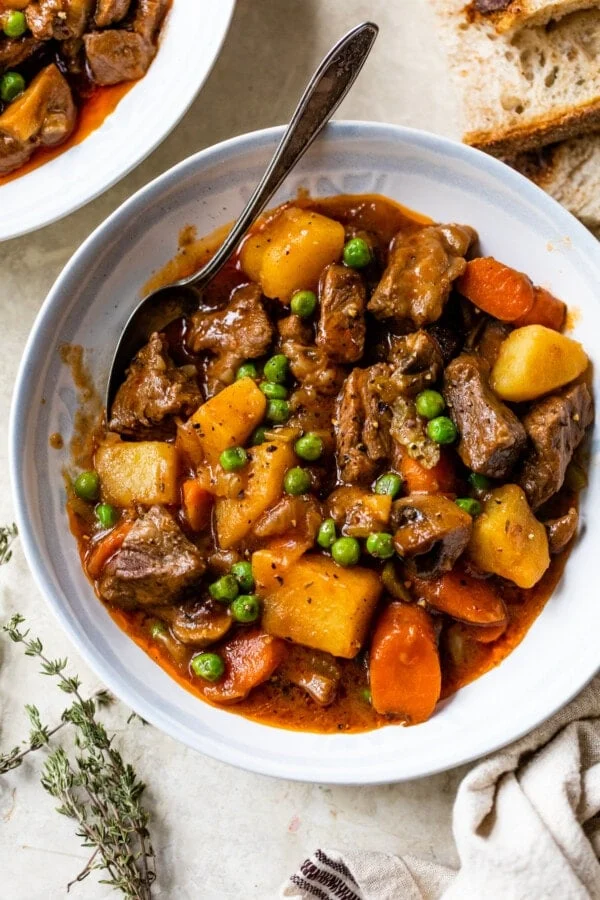
The preparation of traditional beef stew serves as a cornerstone of culinary history, evolving from ancient agrarian subsistence cooking into a refined staple of contemporary home dining. Characterized by the slow-simmering of protein with root vegetables in a flavorful liquid base, the dish remains a reliable choice for nutritionists and home cooks alike, particularly during the colder months when caloric density and comfort are prioritized. Recent culinary data indicates that classic beef stew maintains a high popularity index, largely due to its balance of macronutrients and its ability to utilize tougher, more affordable cuts of meat that benefit from long-duration, low-temperature heat.
Historical Context and Culinary Evolution
The origins of beef stew are deeply rooted in the concept of the "one-pot meal." Throughout history, in cultures across Europe and the Americas, stews were developed as a practical solution to maximize the utility of available ingredients. Tougher cuts of beef, such as the chuck roast, contain significant amounts of connective tissue—specifically collagen. When subjected to moist-heat cooking at temperatures below the boiling point for several hours, this collagen undergoes hydrolysis, converting into gelatin. This process is the scientific mechanism behind the signature "fork-tender" texture that defines a high-quality beef stew.
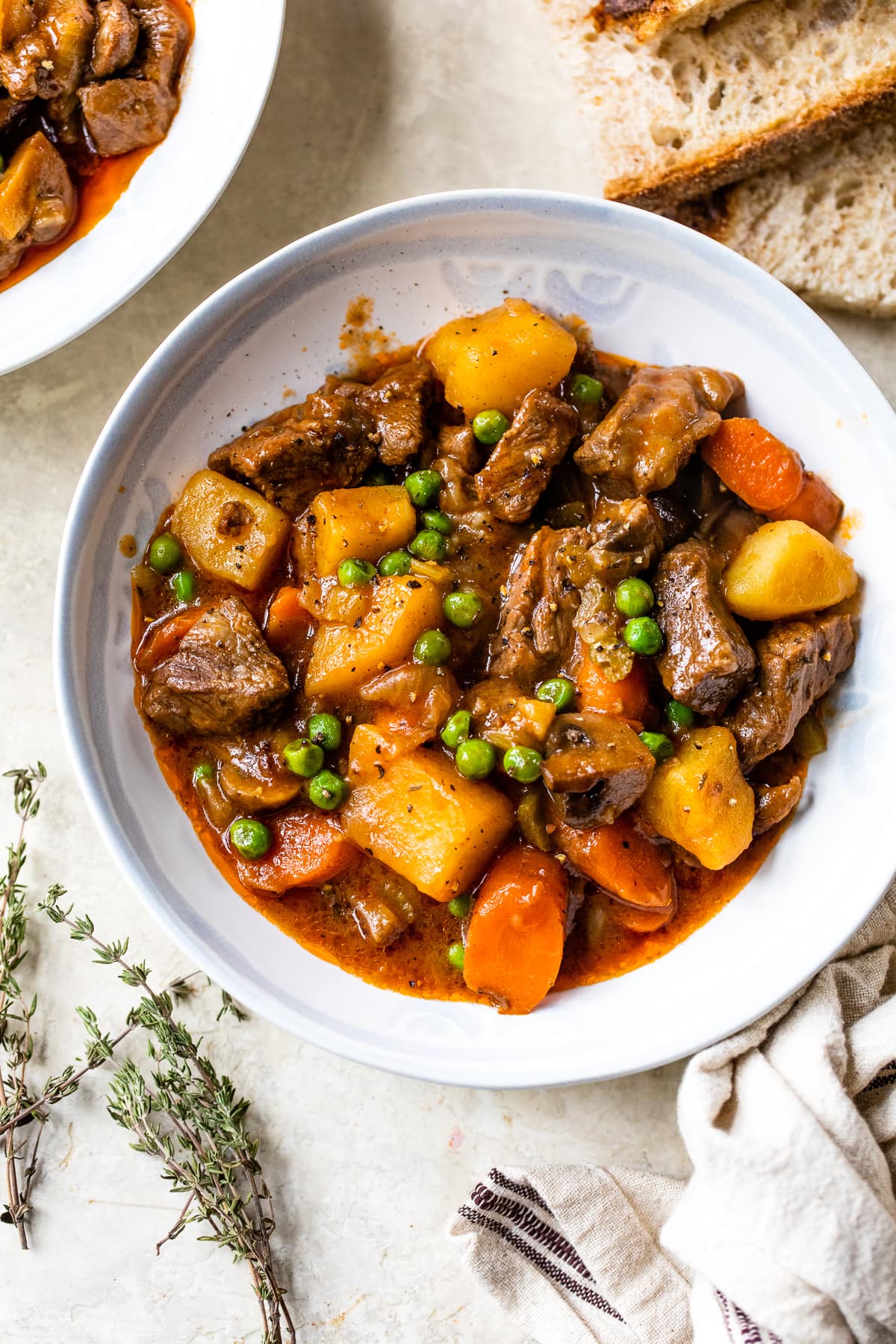
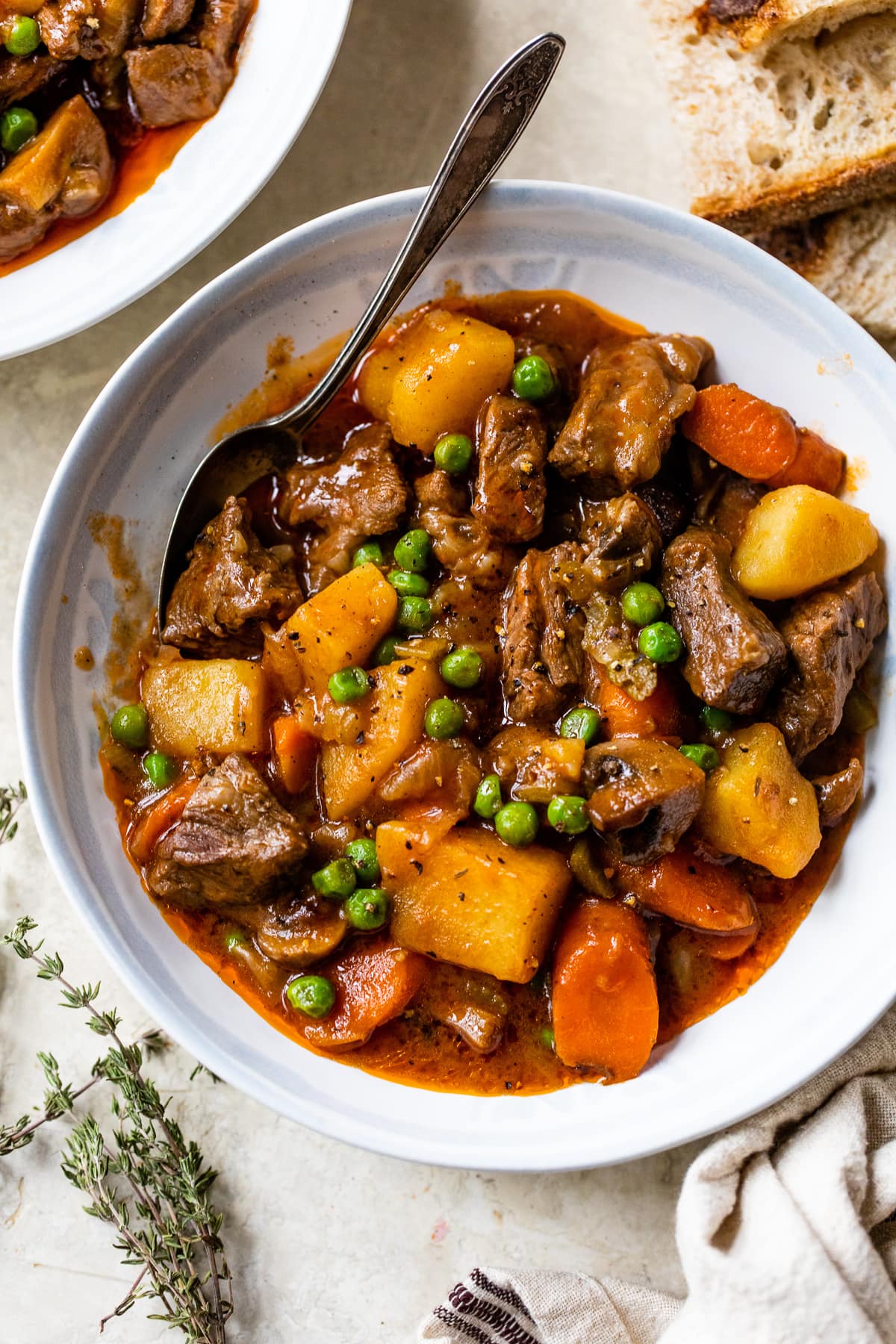
Modern iterations, such as the recipe popularized by culinary experts like Gina Homolka of Skinnytaste, have adapted these traditional techniques to align with contemporary health standards. By emphasizing lean protein sources and incorporating a diverse array of fiber-rich vegetables like Yukon gold potatoes, carrots, celery, and mushrooms, the dish has transitioned from a heavy, high-fat meal to a nutritionally dense entree.
Nutritional Profile and Dietary Implications
An analysis of a standard serving of this classic beef stew—approximately 1.5 cups—reveals a robust nutritional profile. With an average caloric content of 439 kcal, the dish provides a significant portion of daily protein requirements, measuring roughly 40.5 grams per serving. The inclusion of root vegetables contributes approximately 20.5 grams of carbohydrates and 4 grams of dietary fiber, assisting in sustained energy release.
For those managing sodium intake, the dish serves as a controlled alternative to processed, store-bought canned stews, which are frequently high in sodium and preservatives. By using fresh aromatics and natural beef stocks, the sodium content can be kept within a range of 480 mg per serving, a notable improvement over commercial equivalents that often exceed the recommended daily intake for sodium in a single portion.

Technical Methodology for Preparation
Achieving the optimal consistency in a beef stew requires adherence to specific thermodynamic principles. The process begins with the Maillard reaction—a chemical reaction between amino acids and reducing sugars that gives browned food its distinctive flavor. By searing the beef chunks in a heavy-bottomed vessel before adding liquid, the cook ensures a depth of flavor that cannot be replicated through boiling alone.
- Searing: High-heat browning of the meat develops the crust necessary for a complex gravy.
- Deglazing: Adding liquid to the pot after searing lifts the caramelized bits, known as fond, which serves as the foundation for the sauce.
- Simmering: The integration of carrots, onions, and celery provides an aromatic base, while the addition of starch (often flour) thickens the liquid into a gravy.
- Reduction: Long, slow cooking ensures the vegetables reach an optimal level of softness without losing structural integrity, while the beef reaches the point of denaturation required for tenderization.
Managing Variables and Common Culinary Pitfalls
A common point of failure in home cooking is the presence of "tough" meat even after extended cooking times. Culinary professionals emphasize that this is rarely an issue of the recipe itself, but rather a matter of the cut of meat and the duration of the heat application. Collagen breakdown is time-dependent; if the meat remains fibrous, the internal temperature has likely not remained in the necessary range for a sufficient duration to facilitate total gelatinization.

Furthermore, the choice of equipment—whether a traditional Dutch oven, a standard stockpot, or an electric slow cooker—alters the evaporation rate. Slow cookers, which are sealed, retain moisture, meaning the ratio of liquid to solid ingredients must be adjusted accordingly to prevent the stew from becoming overly diluted.
Broader Economic and Household Impact
The resurgence of interest in scratch-made beef stew is partially driven by economic factors. As households seek to maximize their grocery budgets, beef stew offers a high return on investment. The ability to use tougher, cheaper cuts of meat—which are often more flavorful than premium steaks—combined with shelf-stable vegetables like potatoes and onions, makes it an ideal meal for families looking to reduce food waste.

Moreover, the "leftover" quality of beef stew is a significant factor in its appeal. Because the flavors of the aromatics and the beef continue to marry and intensify during the cooling and reheating process, the dish is frequently cited by culinary researchers as being superior on the second or third day. This characteristic makes it a primary candidate for meal-prepping, a habit that has gained substantial traction in professional and domestic environments alike.
Future Perspectives in Comfort Cooking
Looking ahead, the culinary landscape suggests a continued trend toward "functional comfort food." This involves taking traditional recipes and modifying them to suit specific dietary needs, such as gluten-free thickeners for the gravy or the integration of superfoods like kale or pumpkin for added micronutrients. The adaptability of the beef stew template allows for such innovations without compromising the fundamental sensory experience of the dish.

As interest in high-protein diets continues to rise, the traditional beef stew stands as a resilient, time-tested solution. It bridges the gap between historical culinary heritage and the modern requirement for high-protein, nutritionally transparent meals. Whether served alongside sourdough bread to balance the textures or enjoyed as a standalone, low-carbohydrate-friendly option, the dish remains a vital component of the domestic repertoire.
In conclusion, the classic beef stew is more than a seasonal preference; it is a scientifically sound, economically efficient, and nutritionally balanced meal. By understanding the chemical processes behind the searing and slow-simmering techniques, home cooks can ensure consistent results that reflect both the comfort of tradition and the precision of modern culinary practice. As the popularity of such meals continues to grow, it is evident that the demand for reliable, nutrient-dense, and time-honored recipes will remain a staple in the modern kitchen for years to come.
