
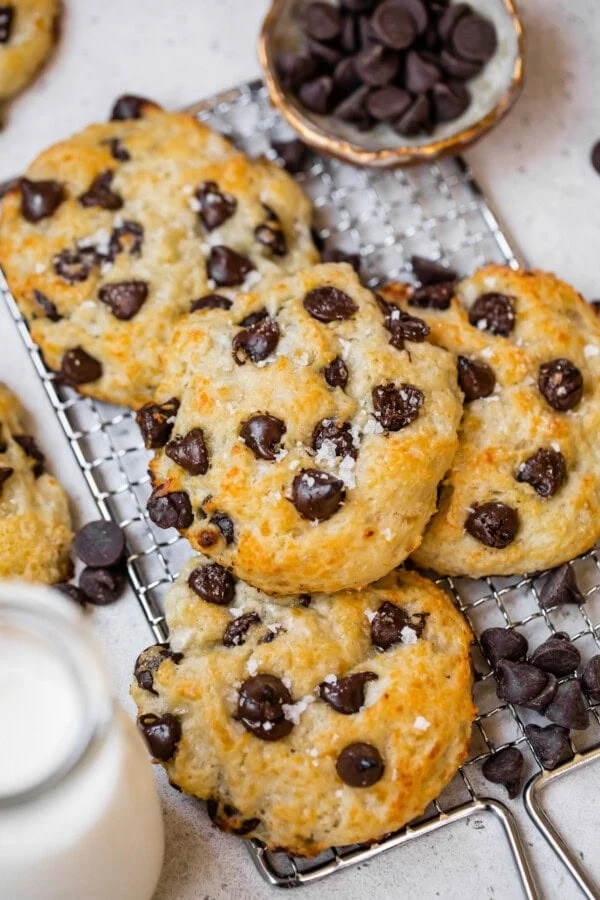
The culinary landscape has seen a significant shift toward ingredient innovation, with social media platforms and home-cooking enthusiasts driving the integration of non-traditional components into classic desserts. Among the most recent developments is the emergence of cottage cheese as a primary binding and moisture-retaining agent in baked goods. This trend, which highlights a broader consumer interest in increasing protein intake while maintaining the palatability of comfort foods, has culminated in the creation of a unique iteration of the classic chocolate chip cookie.
The Genesis of a Culinary Trend
The integration of cottage cheese into sweet, baked recipes began as a viral sensation before gaining traction in professional kitchens and home-baking blogs. Originally utilized as a base for high-protein dips or savory dishes, the product’s high whey protein content and moisture profile proved effective for texture modification in flour-based doughs.
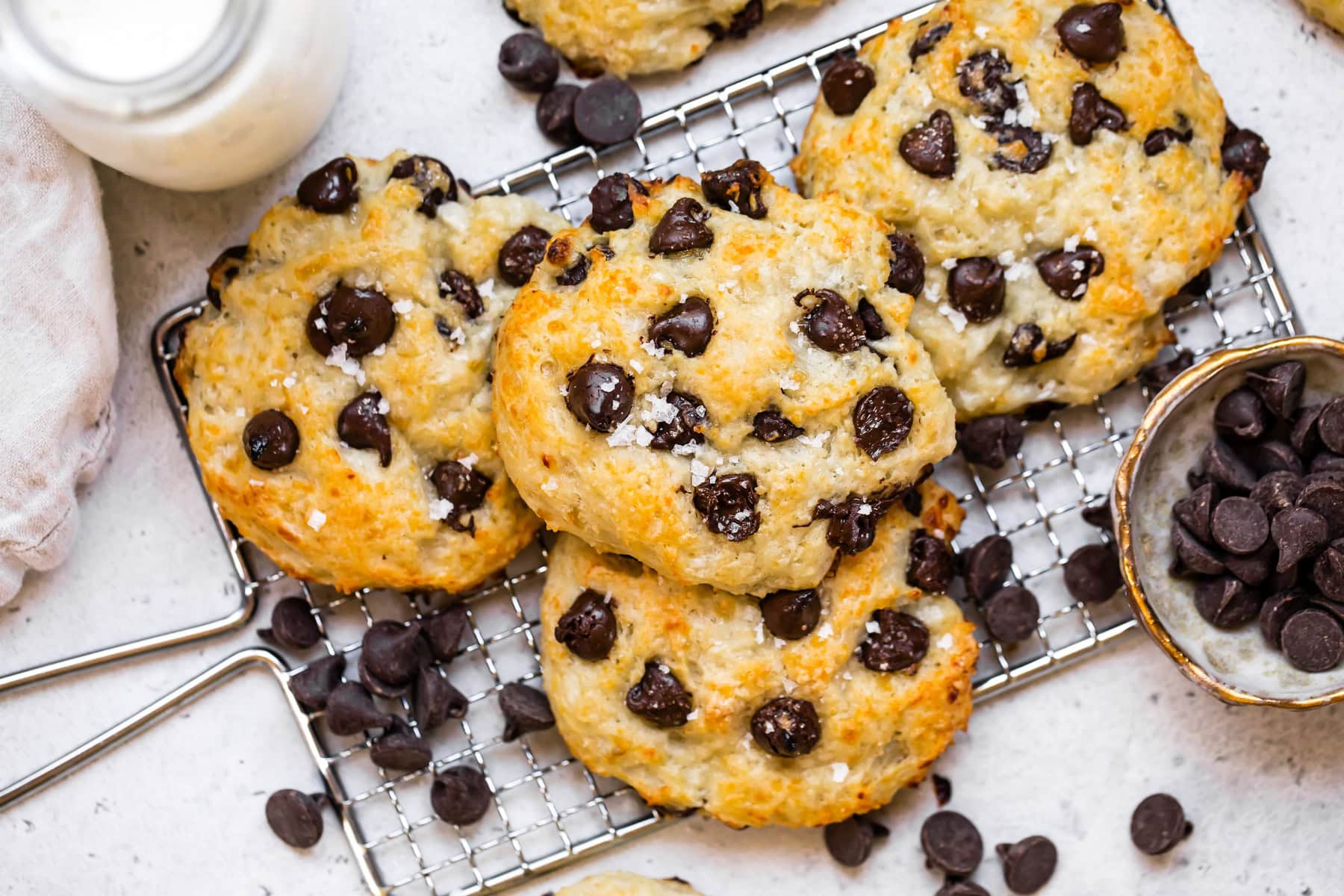
The specific development of these cookies arose from an iterative baking process. Initially intended as a recipe for traditional scones, the dough’s chemical reaction to the high moisture content of cottage cheese resulted in a softer, more pliable structure than anticipated. Subsequent testing revealed that by reducing the traditional butter-to-flour ratio and substituting it with blended or incorporated cottage cheese, the final product achieved a soft, chewy texture that mimicked higher-fat versions of the dessert while significantly altering the nutritional profile.
Nutritional Composition and Ingredient Analysis
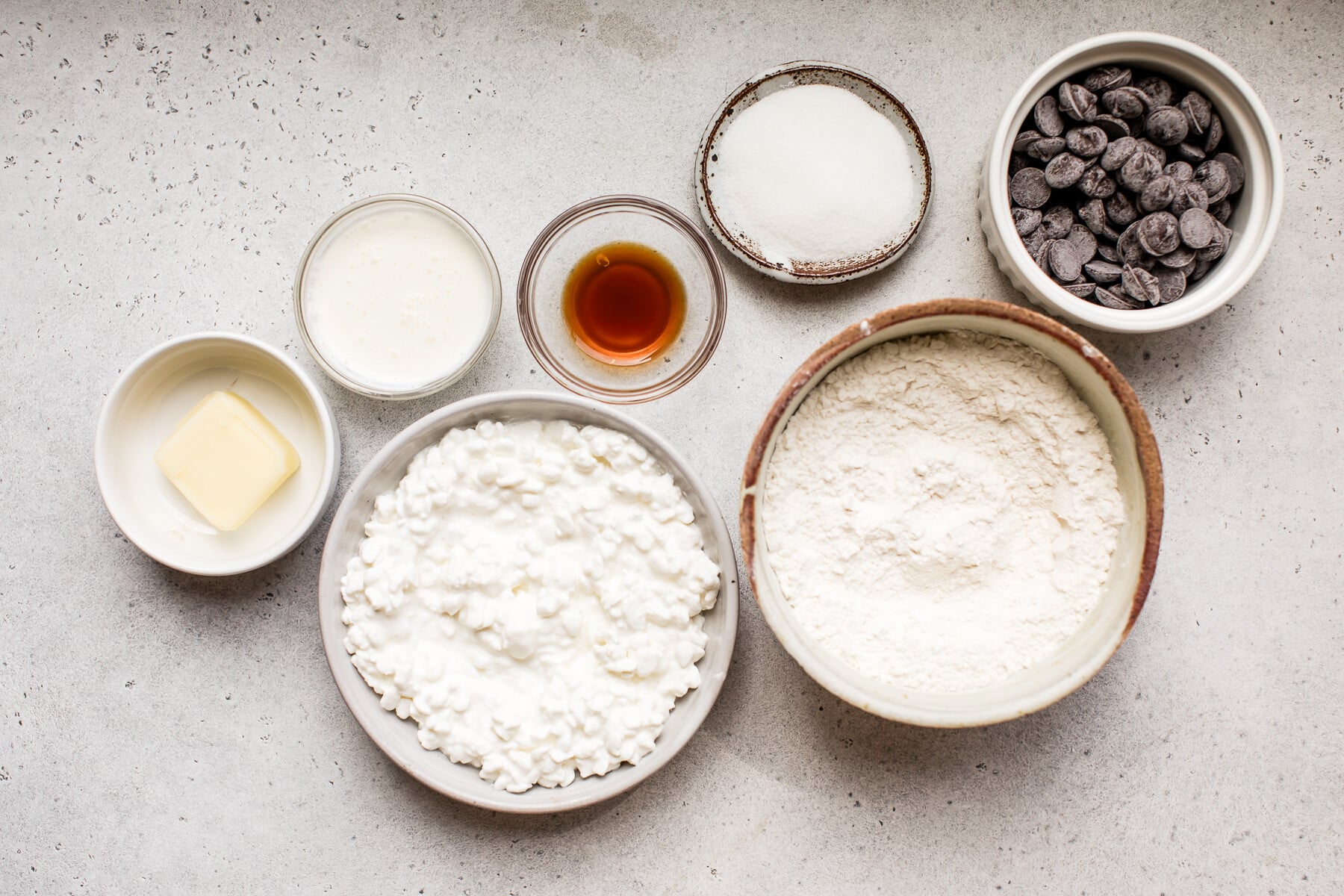
The shift toward healthier alternatives in home baking is supported by data regarding the macronutrient density of common pantry staples. A standard chocolate chip cookie relies heavily on butter and refined sugars to achieve its signature texture. By replacing a portion of the fat with cottage cheese—a curd-based dairy product rich in casein protein—the recipe significantly lowers the caloric density while increasing the protein-per-serving count.
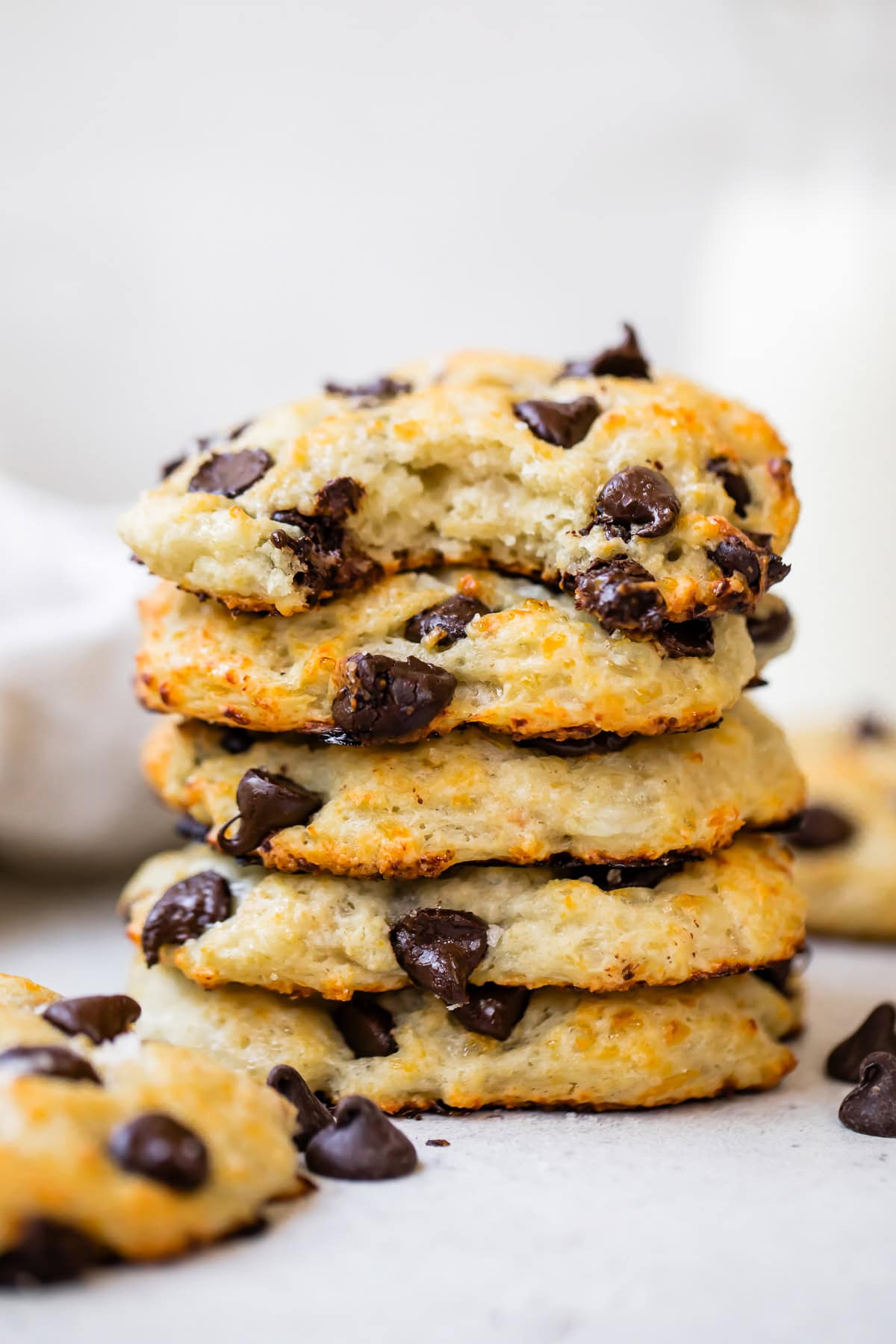
According to nutritional analysis of the resulting cookies, a single serving contains approximately 135 calories, 5 grams of protein, and 5 grams of fat. This represents a substantial departure from the traditional butter-heavy recipes, which often exceed 200 calories per cookie with negligible protein content. The inclusion of cottage cheese provides a consistent moisture source that allows the starch molecules in the flour to hydrate fully, creating a "chewy" mouthfeel without the need for excessive saturated fats.

Chronology of the Development
The timeline of this recipe’s refinement spans several months of testing. The initial phase focused on consistency—addressing the potential for the curds in cottage cheese to create uneven textures. Through the use of high-speed blending or rigorous incorporation methods, bakers discovered that the curd structure could be effectively broken down.
- Phase One: Initial trials using cottage cheese as a direct substitute for heavy cream in pastry dough.
- Phase Two: Modification of the fat-to-binder ratio, identifying the exact threshold where butter could be minimized without compromising the structural integrity of the cookie.
- Phase Three: Optimization of the baking temperature to ensure the moisture from the dairy does not cause the cookies to become soggy.
- Phase Four: Establishing the ideal serving state—a crucial discovery in this specific recipe was the impact of temperature on texture. Unlike traditional cookies that maintain a shelf-stable consistency, the cottage cheese variant requires serving immediately after cooling to preserve its specific chewy characteristics.
Technical Baking Requirements
Unlike traditional recipes that may allow for multiple days of shelf life, the cottage cheese cookie is classified as a "fresh-bake" product. The chemical properties of the moisture-retaining proteins in the cottage cheese necessitate that the cookies be consumed shortly after they emerge from the oven.

For individuals or households practicing portion control, the standard industry recommendation is to freeze the dough in pre-portioned balls. This method—common in commercial bakeries—allows for the "bake-on-demand" approach. The dough can be stored in a freezer-safe environment for up to three months, and because the water content is stabilized by the proteins in the cottage cheese, the product can be transferred directly from the freezer to the oven, provided the baking time is adjusted to account for the internal temperature differential.
Market Implications and Consumer Behavior
The emergence of this recipe reflects a broader market trend: the "stealth health" movement. Consumers are increasingly seeking ways to improve the nutritional quality of their diets without sacrificing the psychological satisfaction associated with desserts. By utilizing everyday staples like cottage cheese, which is widely available and relatively inexpensive, home cooks can achieve a "better-for-you" result that does not require specialized or high-cost health supplements.
Industry analysts suggest that this trend has potential longevity. As protein-focused diets continue to maintain popularity, the integration of dairy-based proteins into baked goods is likely to see further experimentation with other ingredients, such as Greek yogurt or ricotta, which share similar physical properties.
Expert Guidance on Texture Optimization
Achieving the correct texture is a matter of precise technique. Experts emphasize that the "over-mixing" of dough—a common mistake in traditional baking—must be avoided here even more strictly. Because the cottage cheese adds significant moisture, excessive agitation of the dough can lead to gluten development that results in a tough, bread-like texture rather than the desired "soft-baked" cookie profile.
Additionally, the use of a fork to flatten the dough balls prior to baking is more than a stylistic choice. Given that these cookies do not contain the same volume of melting fat as traditional recipes, they do not spread naturally on the baking sheet. Manual flattening ensures uniform heat distribution, which is critical for ensuring the center is cooked through while the edges remain soft.
Broader Context of Functional Baking
The success of the cottage cheese chocolate chip cookie is emblematic of a shift in the culinary arts toward functional, ingredient-forward cooking. By evaluating the chemical role of each ingredient—fat for texture, sugar for crystallization, and dairy for moisture—home cooks are increasingly acting as amateur food scientists.
This approach has empowered a demographic of bakers who previously avoided complex desserts due to the high fat and sugar content associated with them. By demystifying the role of cottage cheese, the recipe serves as an accessible entry point for those looking to experiment with ingredient substitution. As more recipes of this nature enter the mainstream, the barrier between "healthy eating" and "indulgent baking" continues to dissolve, potentially leading to a new standard of home-baked goods that offer both flavor and functional nutritional benefits.
In summary, the cottage cheese chocolate chip cookie represents more than a novel kitchen experiment. It is a tangible example of how, through minor adjustments in ingredient science, traditional culinary staples can be adapted to meet the changing health priorities of a modern audience. While it requires a change in consumption habits—specifically, the shift toward eating cookies warm—the nutritional and textural payoffs have solidified its place in the repertoire of the contemporary home baker.
