
The Evolution of Hunter-Style Cooking
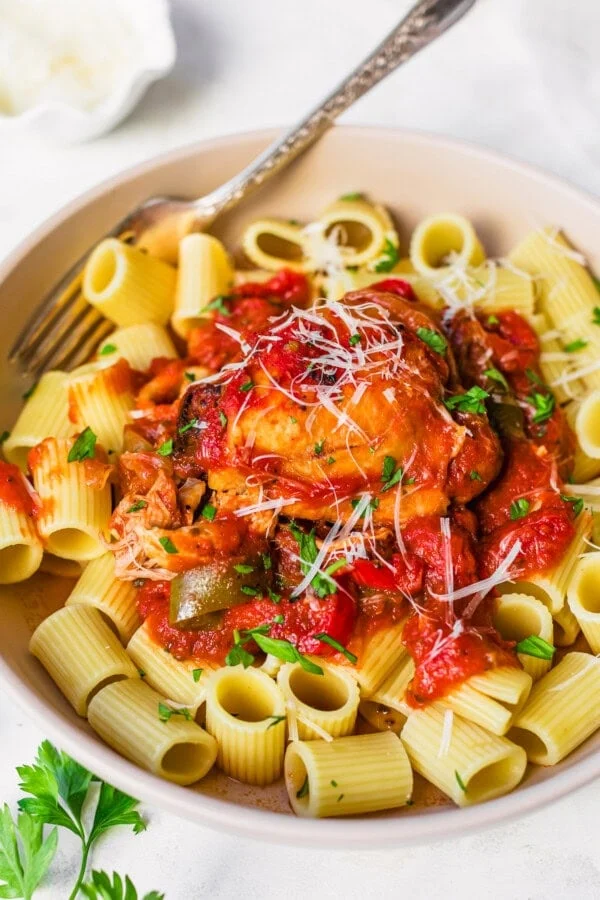
The term "cacciatore" refers to the traditional preparation of poultry or rabbit by hunters who would gather wild herbs, onions, and tomatoes to create a sauce while in the field. Historically, this dish was characterized by its simplicity and reliance on local, seasonal ingredients. In professional culinary settings, the dish is categorized as a braise, a cooking method that uses low, moist heat to break down connective tissues in meat, resulting in a tender texture.
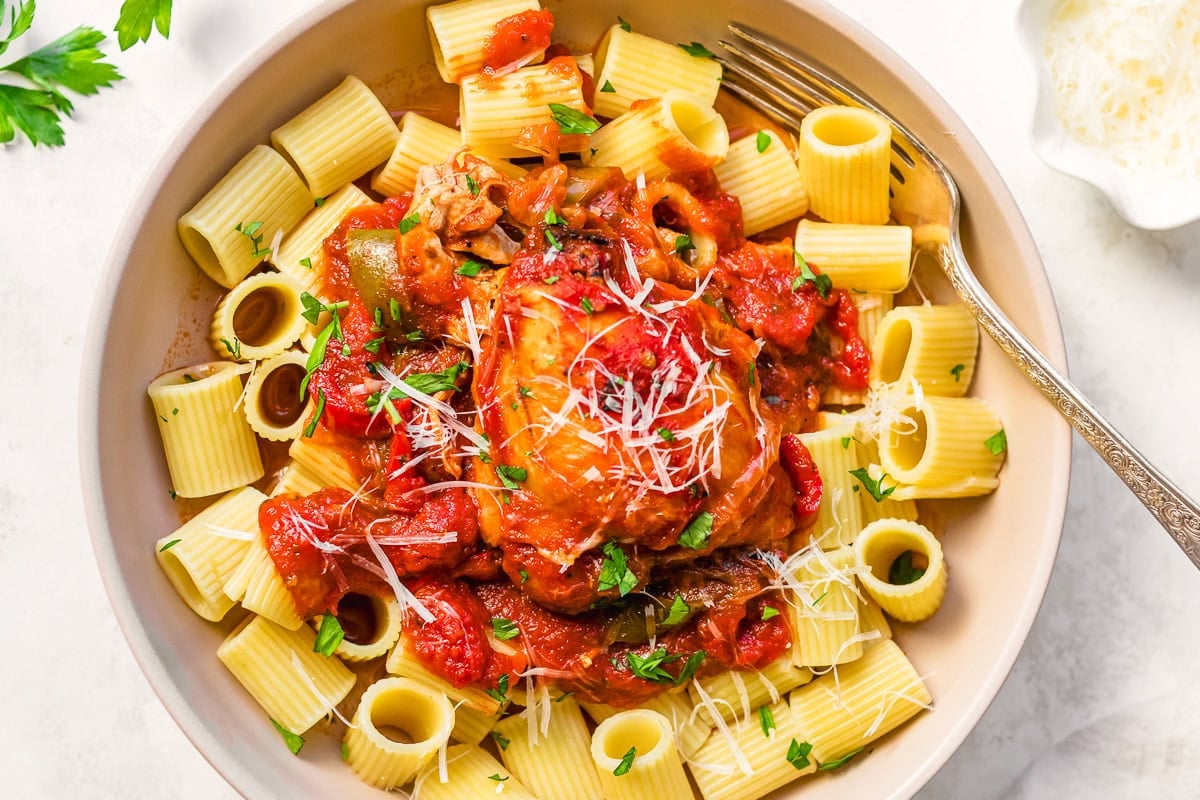
The transition of Chicken Cacciatore into the slow cooker marks a significant shift in home preparation methods over the last two decades. While traditional stovetop recipes often require constant monitoring to prevent burning and to manage the reduction of liquid, the slow cooker maintains a consistent internal temperature, typically between 170°F and 280°F, allowing the ingredients to meld without the risk of over-reduction.
Chronology and Preparation Methods
The preparation of this dish can be approached through two primary methodologies, both of which serve different culinary objectives. The "dump-and-go" method is optimized for efficiency, catering to the needs of working households. In this process, raw chicken and fresh vegetables are combined in the slow cooker vessel, topped with a tomato-based sauce, and cooked for several hours. This method preserves the structural integrity of the vegetables and requires less than 15 minutes of active preparation.
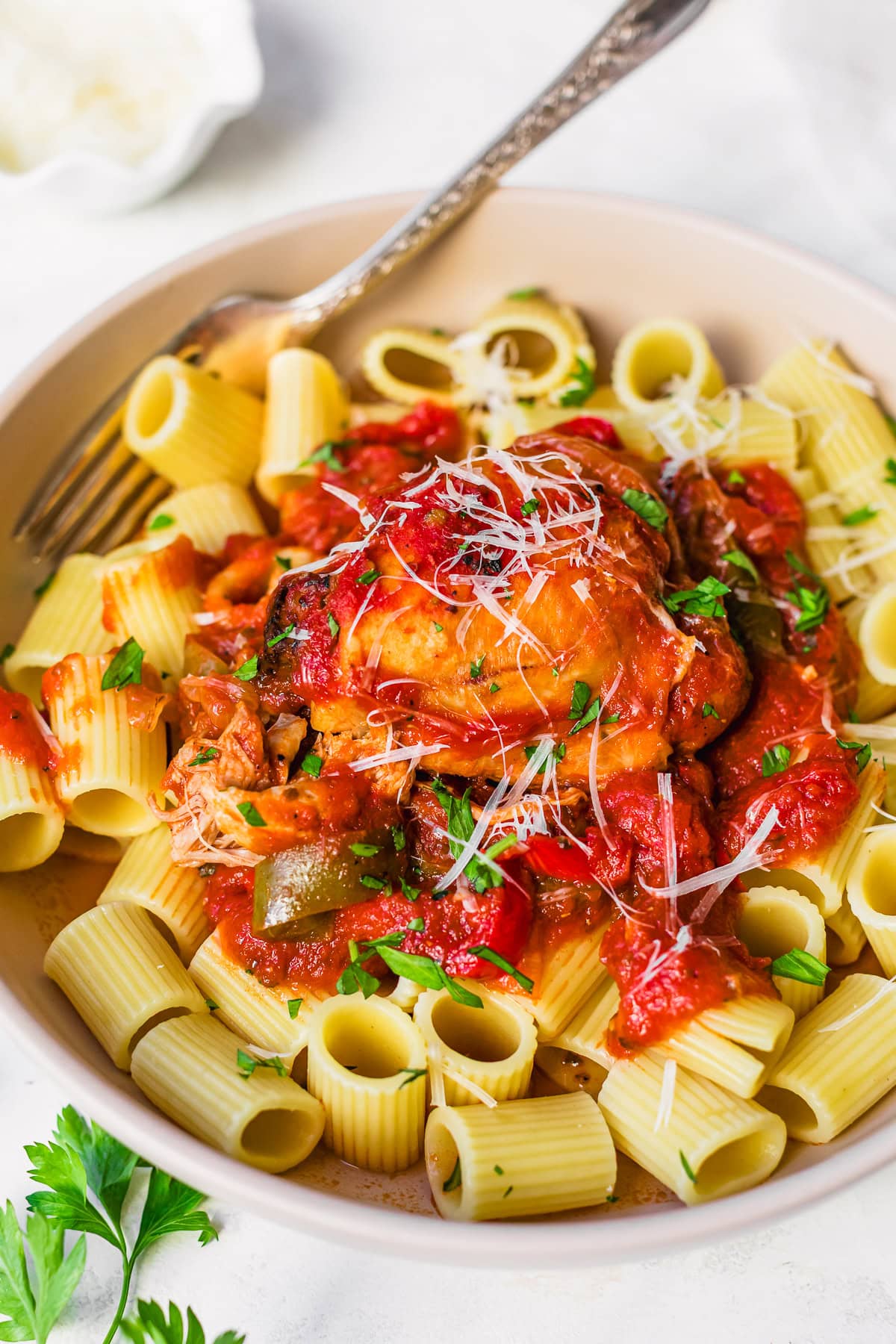
Alternatively, the "sear-and-braise" method is favored by culinary enthusiasts for the depth of flavor it provides. By browning the chicken thighs in a skillet prior to slow cooking, the cook initiates the Maillard reaction—a chemical process that produces new flavor compounds through the browning of proteins and sugars. Following this with a brief sauté of the onions and bell peppers allows for the release of aromatics and natural sugars, which deepen the final color and complexity of the tomato sauce.
Nutritional Profile and Dietary Implications
Modern nutritional analysis of this specific recipe highlights its viability as a lean, protein-rich meal. A standard serving, consisting of one chicken thigh with approximately one-half cup of sauce and vegetables, contains roughly 126 calories. The dish is notably low in fat, with approximately 2.8 grams per serving, and offers a balanced macronutrient profile.

The reliance on fresh bell peppers and onions provides essential micronutrients, including Vitamin C and potassium, while the tomato base serves as a source of lycopene, a potent antioxidant. By removing the skin from the chicken thighs, the saturated fat content is significantly reduced, making this a frequent recommendation for those following heart-healthy dietary patterns. Unlike commercial, pre-packaged meals, this home-prepared version allows for strict control over sodium levels, which is a primary concern in many standard culinary preparations.
Culinary Challenges and Technical Observations
One of the most common misconceptions regarding slow-cooked poultry is the necessity of added liquid. Unlike stovetop cooking, where evaporation rates are high, slow cookers are designed to be largely airtight, capturing the steam and moisture released by the chicken and the vegetables. Adding unnecessary broth or water often leads to a diluted sauce with a thin consistency.

Chefs and food scientists note that the slow cooking process can sometimes mute delicate herb flavors. To combat this, it is recommended to taste the final product after the cooking cycle is complete. If the profile lacks depth, a brief addition of fresh oregano, basil, or a splash of balsamic vinegar can act as a bridge to brighten the final dish. Furthermore, because the slow cooker does not evaporate liquid, the vegetables—particularly the bell peppers—may reach a high level of tenderness; therefore, some cooks prefer to add fresh herbs at the very end of the cooking process to maintain aromatic intensity.
Serving Suggestions and Pairing
The versatility of Chicken Cacciatore allows it to be served with a wide range of starches, depending on regional preferences and dietary restrictions. Traditional service includes:
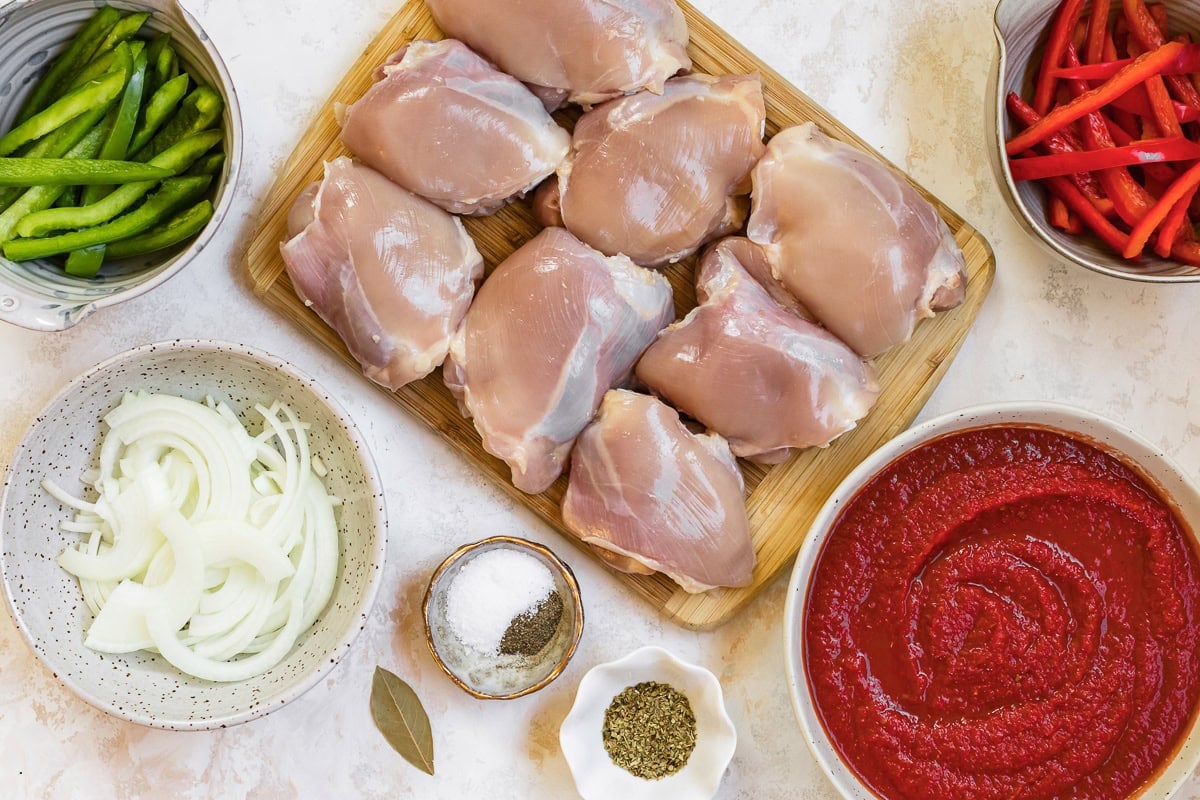
- Pasta: Hearty shapes such as rigatoni or pappardelle are effective at holding the thick, rustic sauce.
- Polenta: The creamy texture of cornmeal provides a neutral base that complements the acidity of the tomatoes.
- Vegetables: For a low-carbohydrate alternative, roasted spaghetti squash or steamed broccoli rabe provides a fibrous, nutrient-dense vessel for the sauce.
Storage and Preservation
Due to the stable nature of the tomato-based sauce, Chicken Cacciatore is an ideal candidate for meal preparation. It maintains its quality in a refrigerated environment for up to four days when stored in an airtight container. For long-term storage, the dish is freezer-safe for up to three months. When reheating, it is advised to do so slowly over low heat to ensure the chicken remains tender and the sauce does not separate.
Economic and Practical Impact
The rise in popularity of slow cooker recipes like this one can be attributed to broader economic trends. With the cost of dining out rising, households are increasingly looking for ways to utilize affordable cuts of meat, such as chicken thighs, which are not only more economical than breast meat but also retain moisture significantly better during extended cooking periods.

Furthermore, the "hands-off" nature of the appliance aligns with the modern demand for convenience without sacrificing nutritional value. As public health initiatives continue to emphasize the importance of home-cooked meals over processed alternatives, the role of reliable, time-efficient recipes becomes increasingly vital. The Chicken Cacciatore model provides a scalable solution for families, as the recipe can easily be doubled or halved based on the size of the slow cooker vessel, making it a flexible asset in the modern home kitchen.
Conclusion: A Legacy of Simplicity
Whether prepared through the quick-start method for a weeknight dinner or the more rigorous searing process for a weekend meal, the Slow Cooker Chicken Cacciatore remains a testament to the effectiveness of simple, high-quality ingredients. By embracing the principles of slow braising, home cooks can continue a tradition that values patience, flavor development, and the comfort of a home-cooked meal, proving that even in a fast-paced world, the best results often come from taking the time to let the ingredients do the work.
