
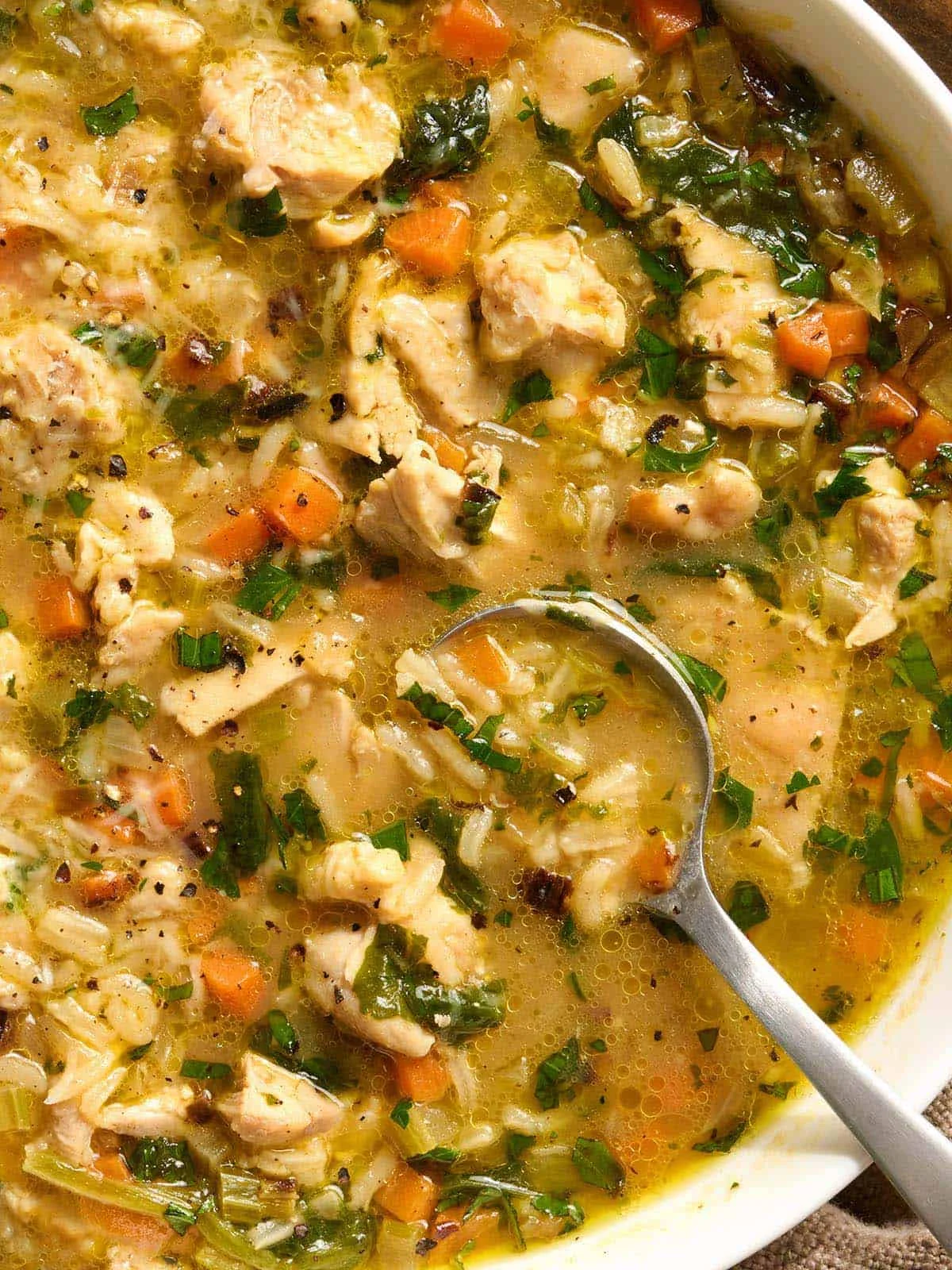
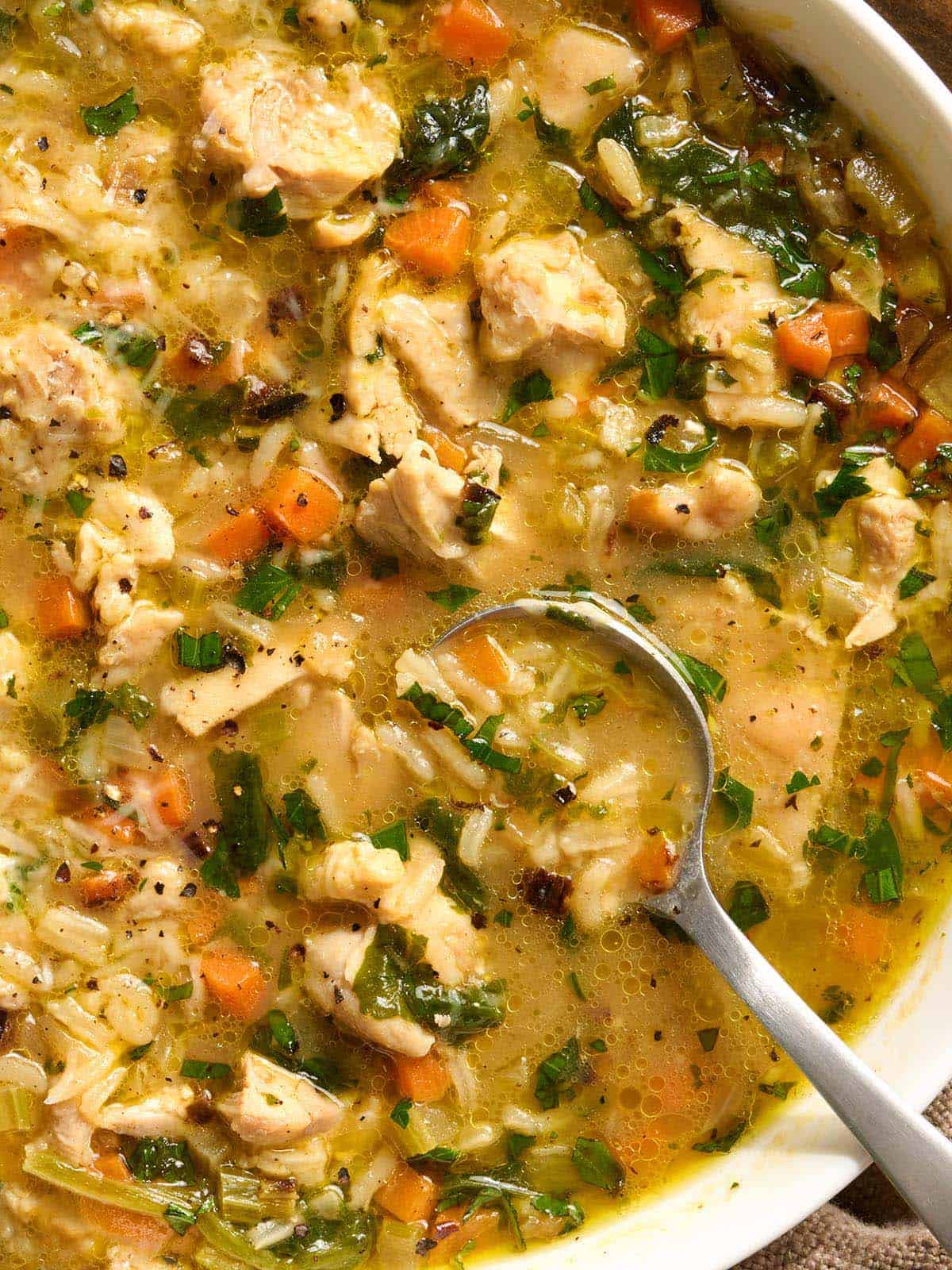
The emergence of the "broth bowl" as a dominant culinary trend across social media platforms has prompted a re-examination of traditional comfort food preparations. While critics and culinary historians note that the concept is a modern nomenclature for the long-standing category of soup, the trend has gained significant traction due to its emphasis on accessible, one-pot methodology and nutritional density. Among the most notable entries in this category is the Chicken Brothy Rice Bowl, a dish characterized by its reliance on a foundational mirepoix, lean protein, and starch-based thickening.
Culinary Context and the Rise of Bowl-Based Dining
The popularity of bowl-based meals can be attributed to a shift in consumer dining habits toward "functional nutrition"—meals that are designed to be both hydrating and satiating. Unlike traditional soups that may rely on heavy creams or starches, the broth bowl emphasizes the quality of the liquid base.
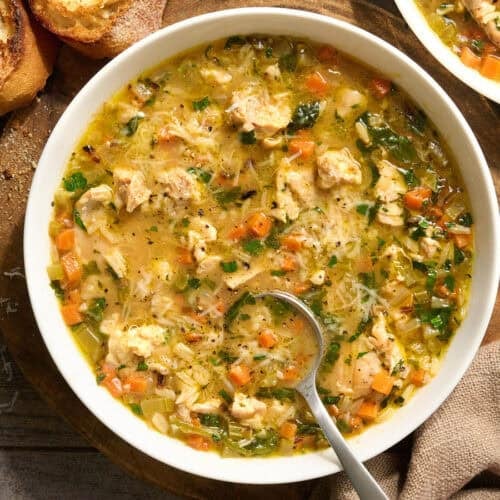
In this specific preparation, the integration of rice directly into the simmering broth serves a dual purpose. As the rice grains cook, they release amylose and amylopectin, natural starches that provide body to the broth without the need for processed additives. This technique, common in diverse global cuisines such as the Mediterranean minestra or various East Asian rice soups, optimizes the flavor profile by ensuring the grains absorb the savory notes of the chicken and aromatics.
The Anatomy of the Recipe
The preparation of a standard chicken broth bowl follows a systematic culinary process designed to maximize flavor extraction within a single vessel. The following chronology outlines the industry-standard approach for this dish:
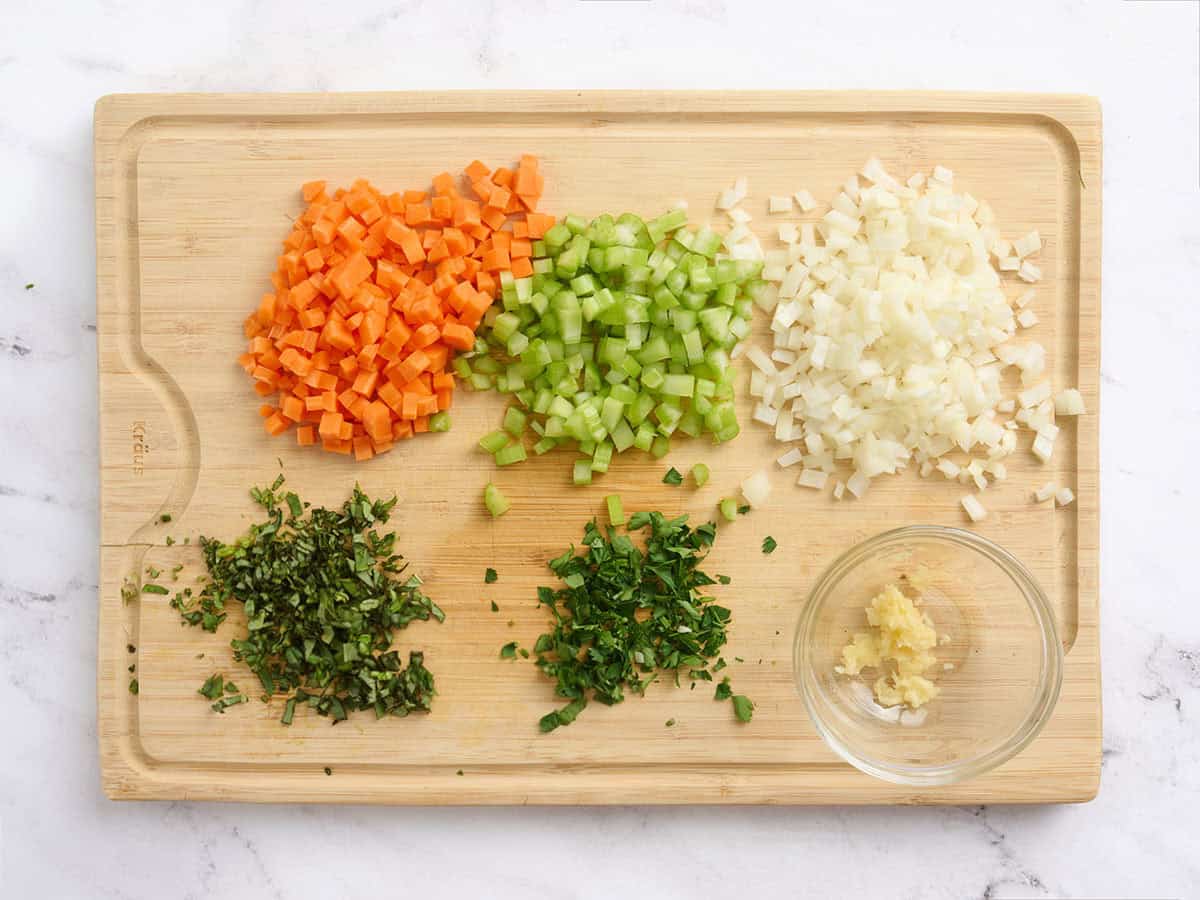
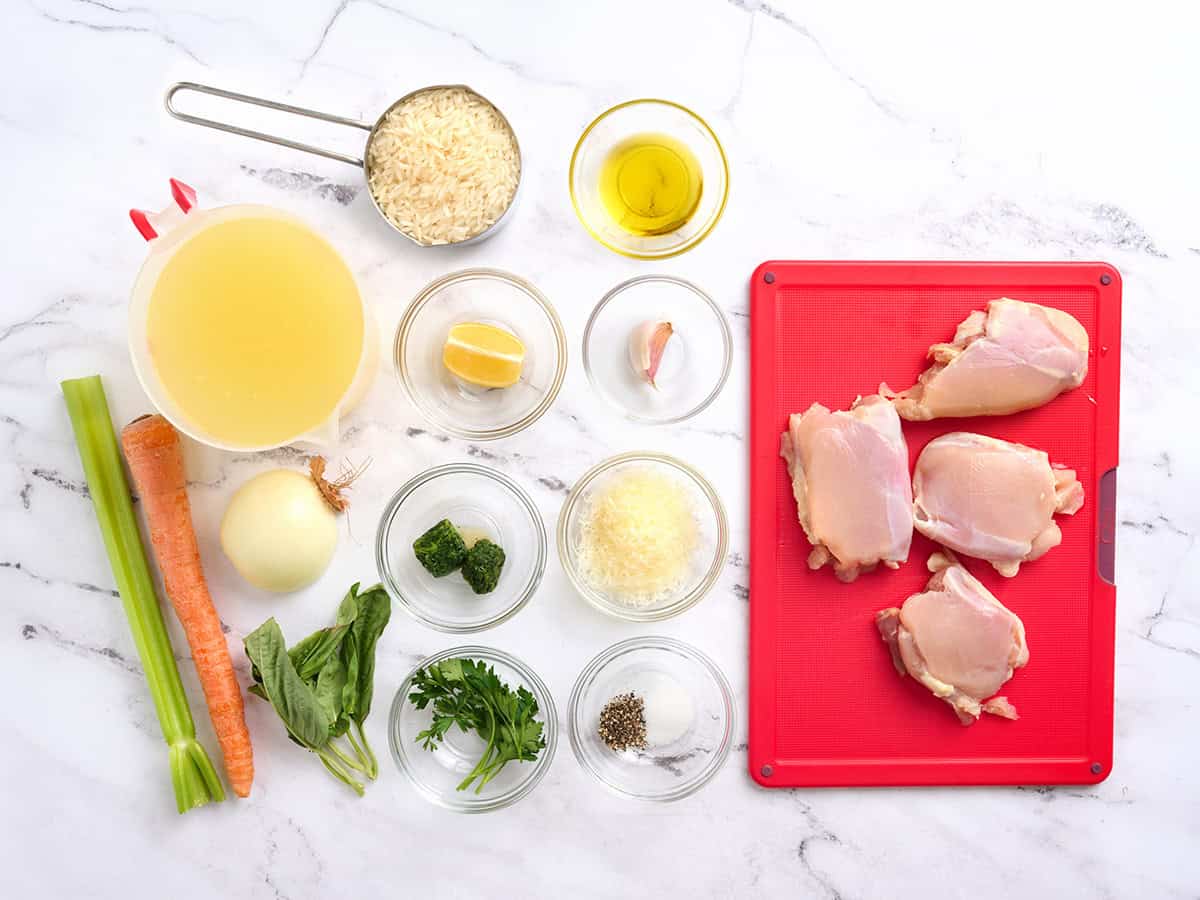
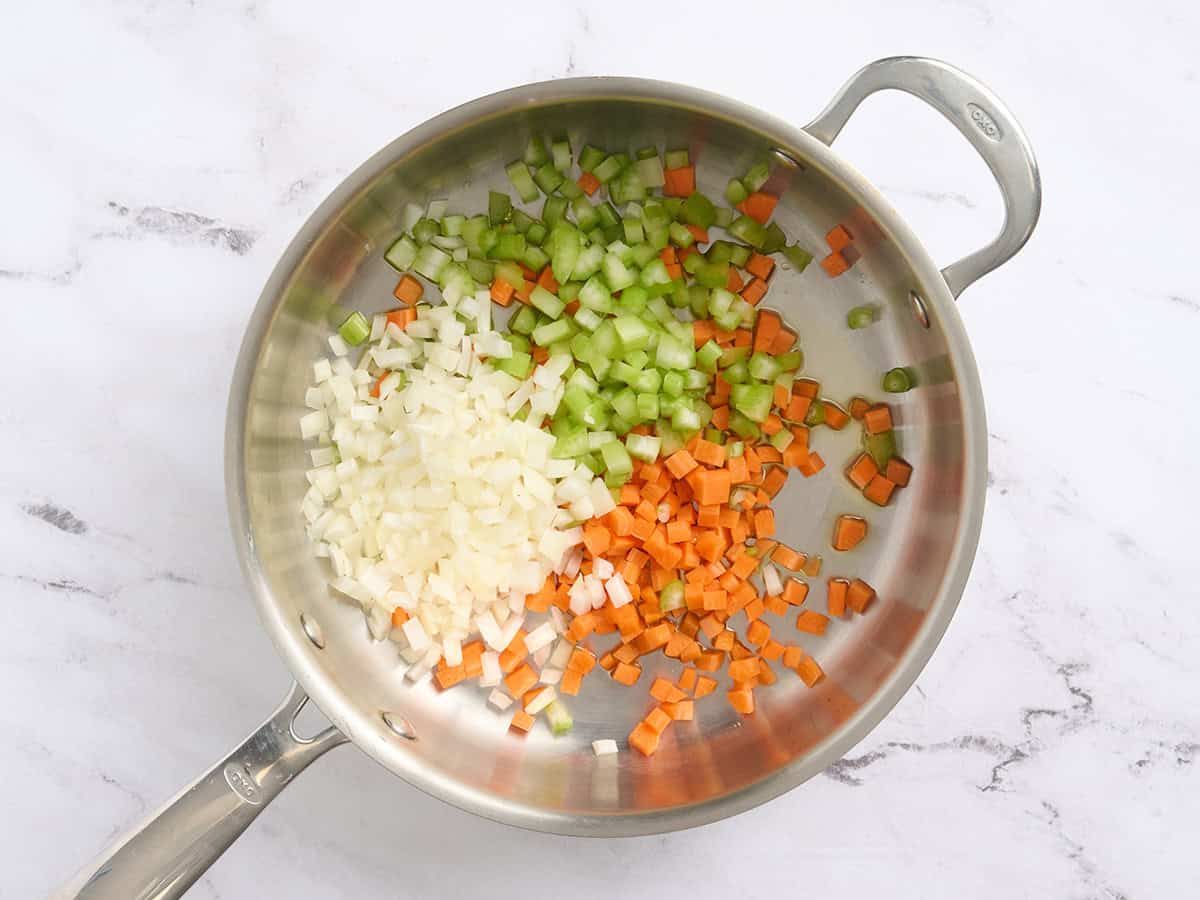
- Aromatic Foundation: The process begins with a classic mirepoix—a precise mixture of diced carrots, celery, and yellow onion. Sautéing these vegetables in olive oil softens the cellulose, allowing the natural sugars to caramelize, which provides the sweet, earthy base necessary to balance the salinity of the broth.
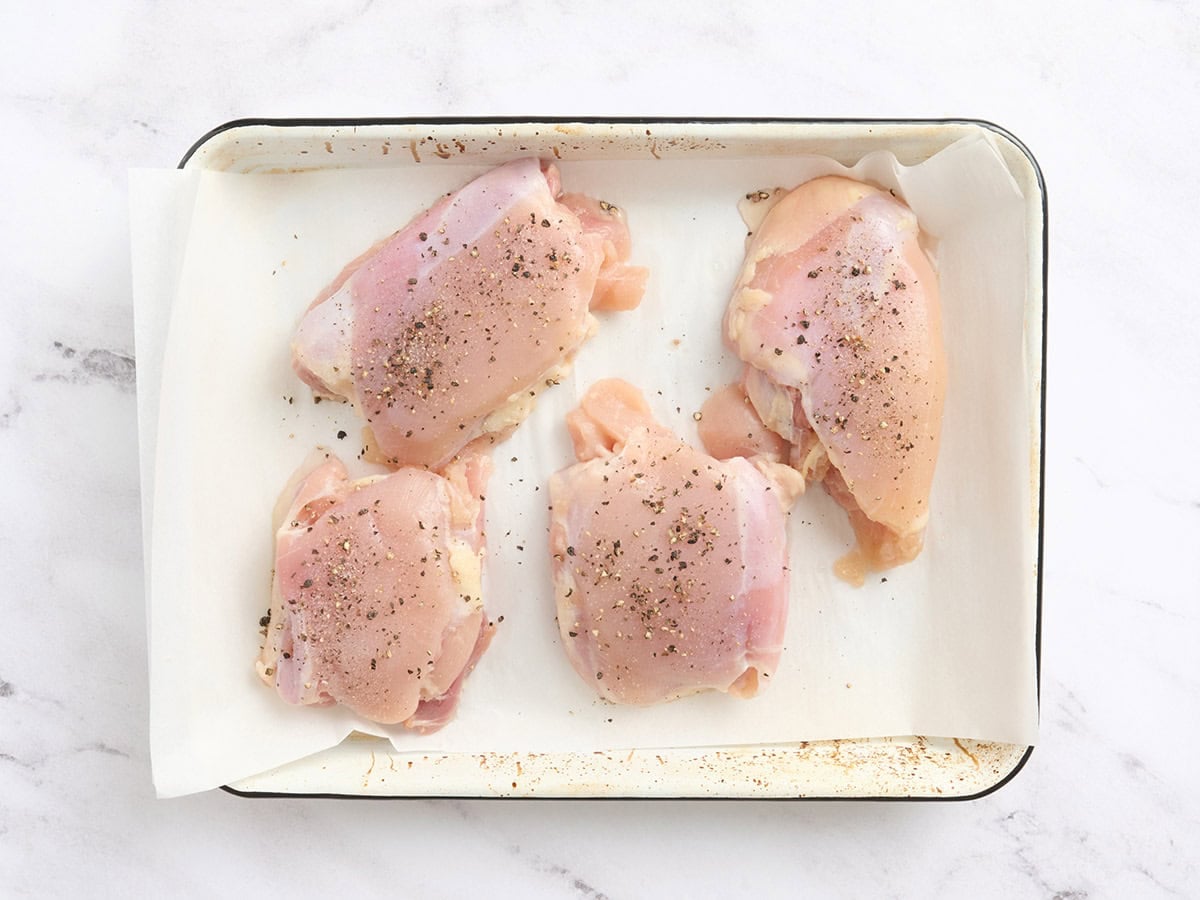
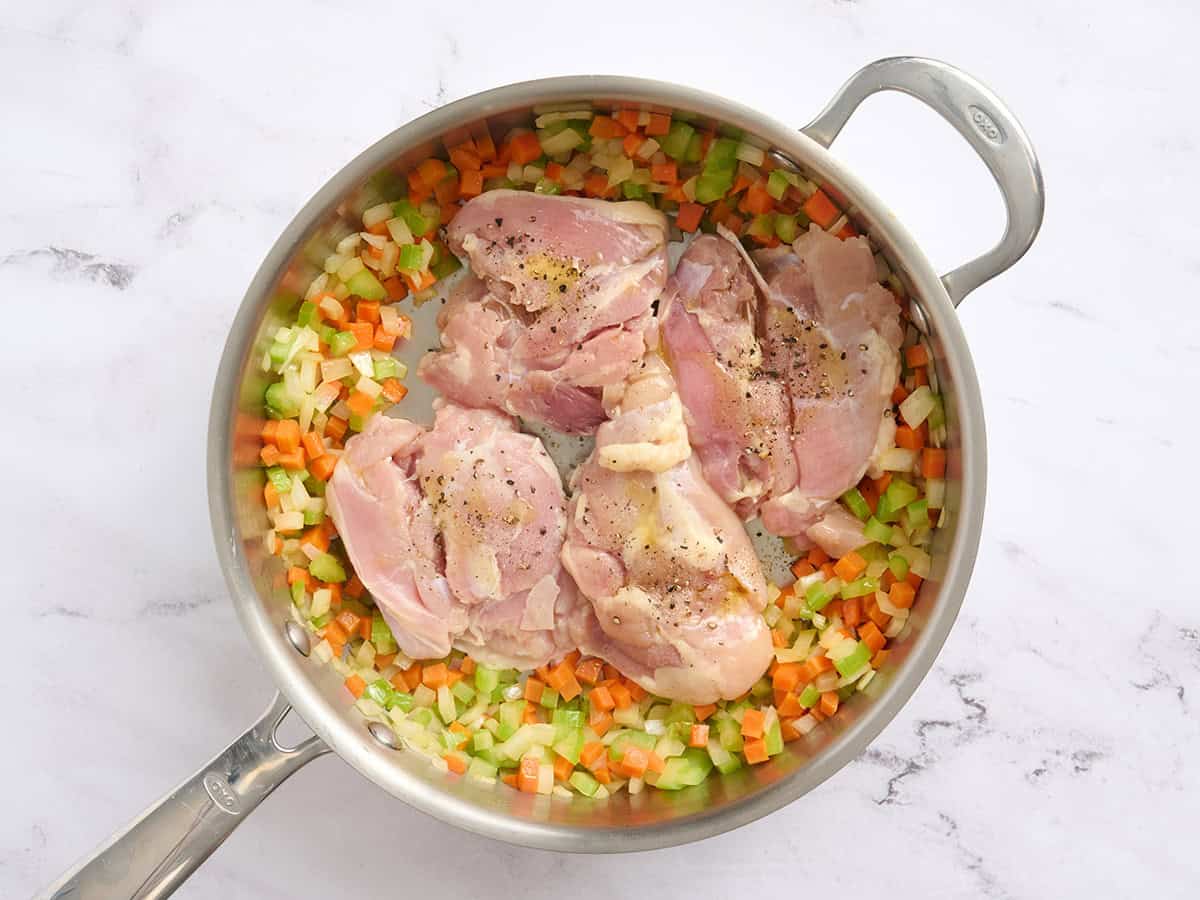
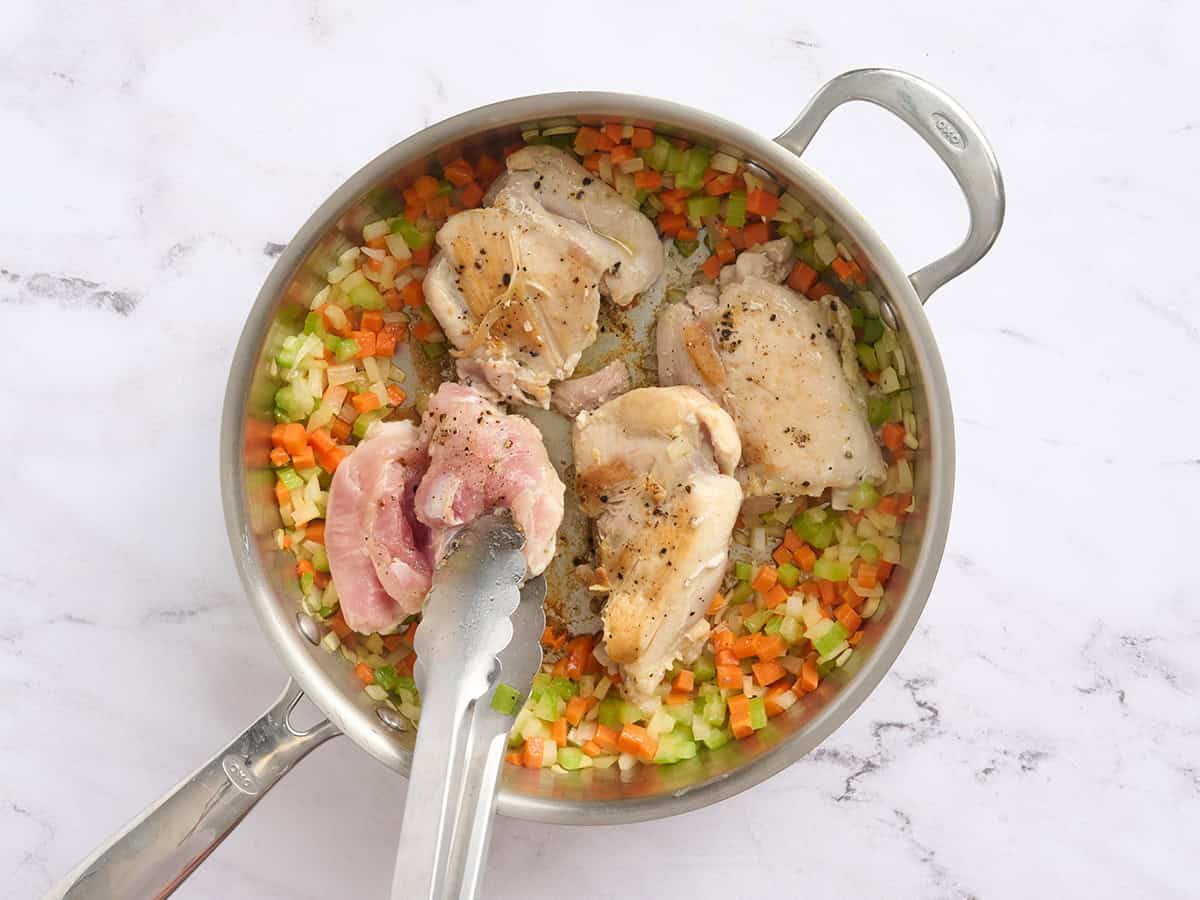
- Protein Sealing: Boneless chicken thighs are seasoned and seared at medium-high heat. The objective here is the Maillard reaction, a chemical reaction between amino acids and reducing sugars that gives browned food its distinctive flavor.
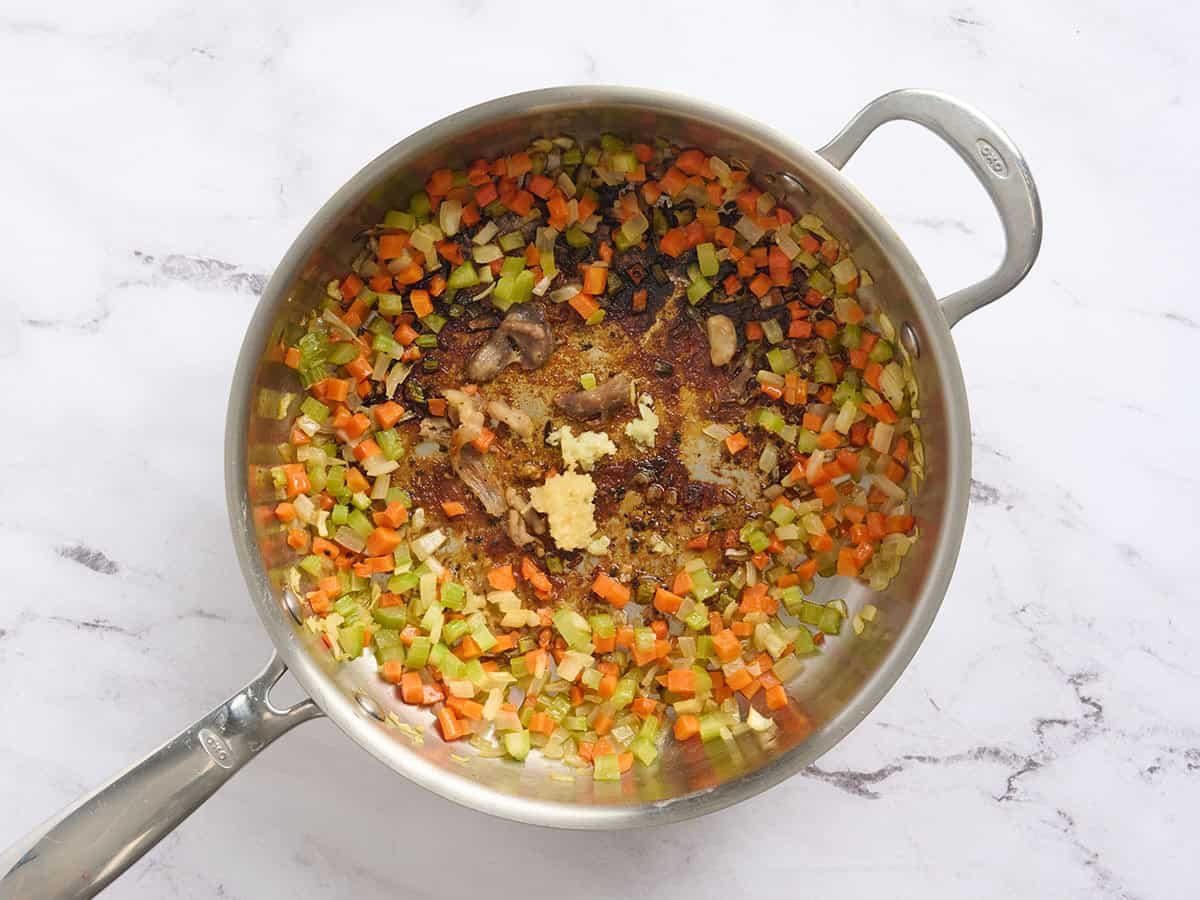
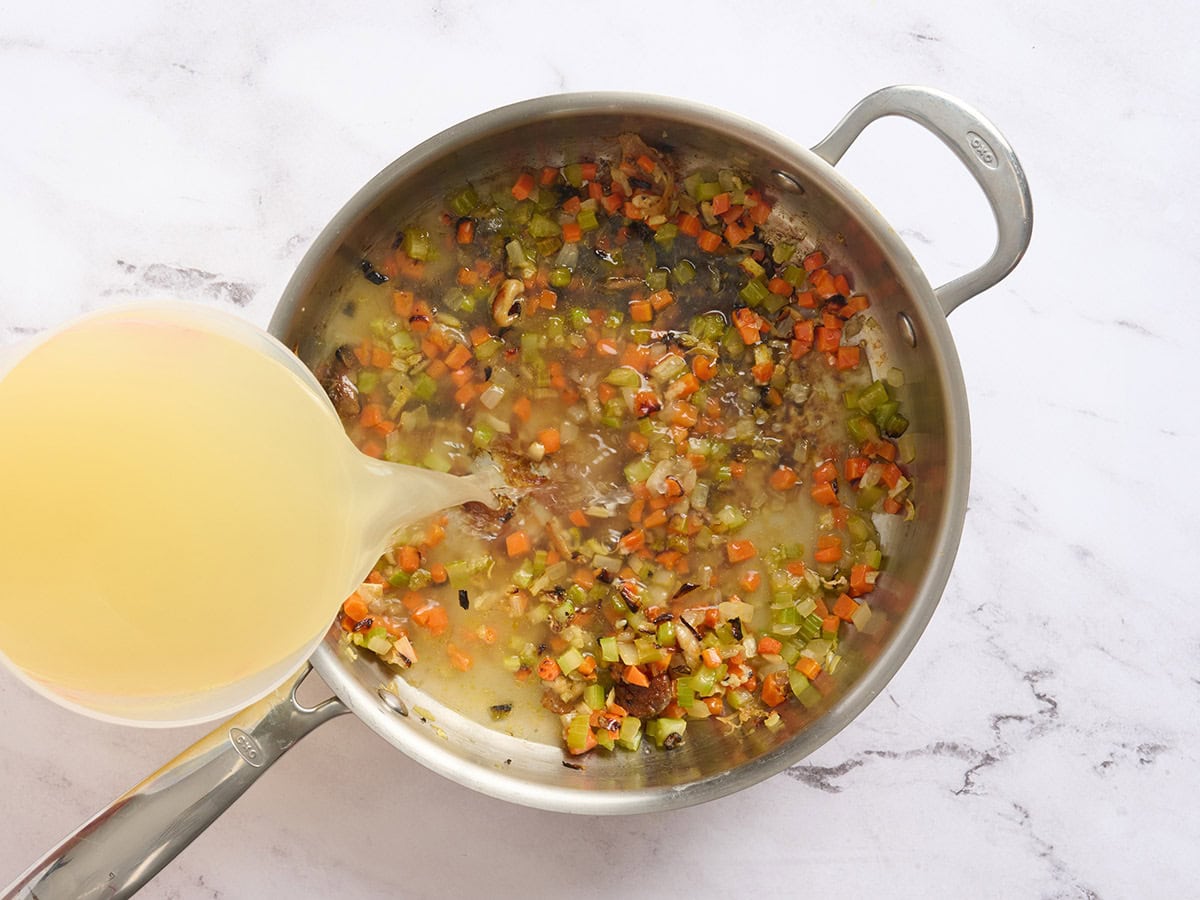
- Deglazing and Infusion: After the chicken is removed, the pan is deglazed with a high-quality broth, such as a concentrated bouillon base or homemade stock. This step lifts the fond (the browned bits) from the bottom of the pan, incorporating concentrated proteins back into the liquid.
- Starch Integration: Long-grain white rice is introduced to the simmering liquid. The cooking time—typically 15 minutes—is calibrated to ensure the rice is tender but not disintegrated, preserving the structural integrity of the meal.
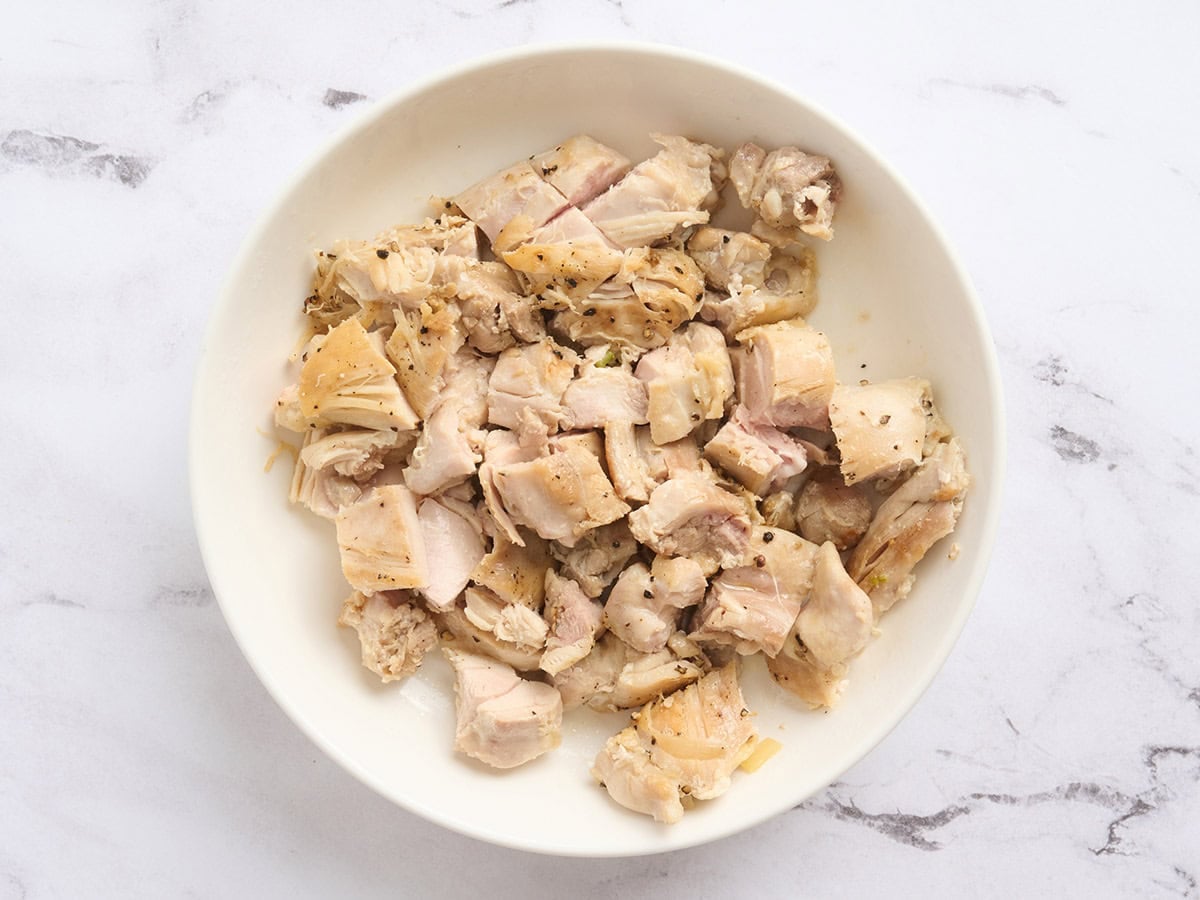
- Final Embellishment: The final stage involves the reintroduction of the sliced chicken, along with fresh herbs like basil and parsley. A finishing touch of Parmesan cheese and citrus provides an acidic and umami lift, which serves to cut through the richness of the chicken fat.
Economic and Nutritional Analysis
Financial data from recent home-cooking metrics indicates that the chicken broth bowl is a highly efficient meal option. With an average cost per recipe hovering around $7.50, and a per-serving cost of approximately $1.89, the dish serves as a viable solution for household budget management during periods of food price volatility.
Nutritionally, the dish offers a balanced macronutrient profile. A standard 1.5-cup serving contains approximately 299 calories, 27 grams of protein, and 24 grams of carbohydrates. The low fat content—approximately 10 grams per serving—makes it a heart-healthy alternative to more traditional, heavy-based comfort foods. However, consumers are advised to monitor sodium intake, as the use of commercial bouillon bases can lead to elevated sodium levels, reaching up to 60% of the daily recommended value per serving.
Professional Perspectives on Kitchen Efficiency
Culinary educators, including those working in test kitchens like the Nashville-based facility where this recipe was rigorously evaluated, emphasize that the success of the broth bowl lies in its "pantry-hero" ingredients. By utilizing shelf-stable items like rice and frozen vegetables, the recipe mitigates the logistical challenges of fresh produce spoilage.
"The objective is to minimize the barrier to entry for home cooks," says Jess Rice, a professional chef and culinary instructor. "By stripping away unnecessary complexity and focusing on the interaction between the mirepoix, the chicken, and the starch, we are teaching the fundamentals of flavor development that translate across many different cuisines."
Broader Impact and Future Trends
The trend of the "broth bowl" highlights a broader shift in consumer behavior toward "deconstructed cooking." As households look for ways to reduce food waste, the ability to customize these bowls with various proteins, seasonal greens, and grains makes it a highly versatile template.
Market analysis suggests that this trend is likely to persist as long as economic pressures remain on household grocery budgets. The ease of storage and reheating is a critical factor for the working demographic; the dish maintains its structural integrity for 3-4 days in a refrigerated environment. Furthermore, the capacity to freeze the components allows for long-term meal planning, an increasingly popular strategy among time-constrained professionals.
Practical Variations and Adaptations
While the core recipe relies on chicken and rice, the modular nature of the broth bowl allows for significant adaptation:
- Protein Substitutions: While chicken thighs are preferred for their higher fat content and resistance to overcooking, lean chicken breast or white beans can be used for those seeking lower caloric density or vegetarian alternatives.
- Vegetable Inclusions: Beyond the standard mirepoix, the dish can accommodate hardy greens such as kale or chard, which can be added in the final minutes of cooking to maintain texture.
- Broth Variations: The transition from chicken-based stocks to mushroom or vegetable-based umami broths allows the bowl to cater to diverse dietary requirements, including gluten-free and soy-free diets.
Conclusion
The chicken broth bowl, despite its trendy branding, represents a return to fundamental cooking techniques that prioritize efficiency, cost-effectiveness, and nutritional balance. As the culinary landscape continues to evolve, the focus on simple, one-pot meals that utilize high-quality pantry staples is expected to remain a staple of the home kitchen. By mastering the sequence of aromatic sautéing, protein searing, and starch integration, home cooks can produce a meal that is both economically prudent and sensorially satisfying, underscoring the enduring appeal of warm, liquid-based sustenance.
