
Nutritional Profile and Dietary Utility
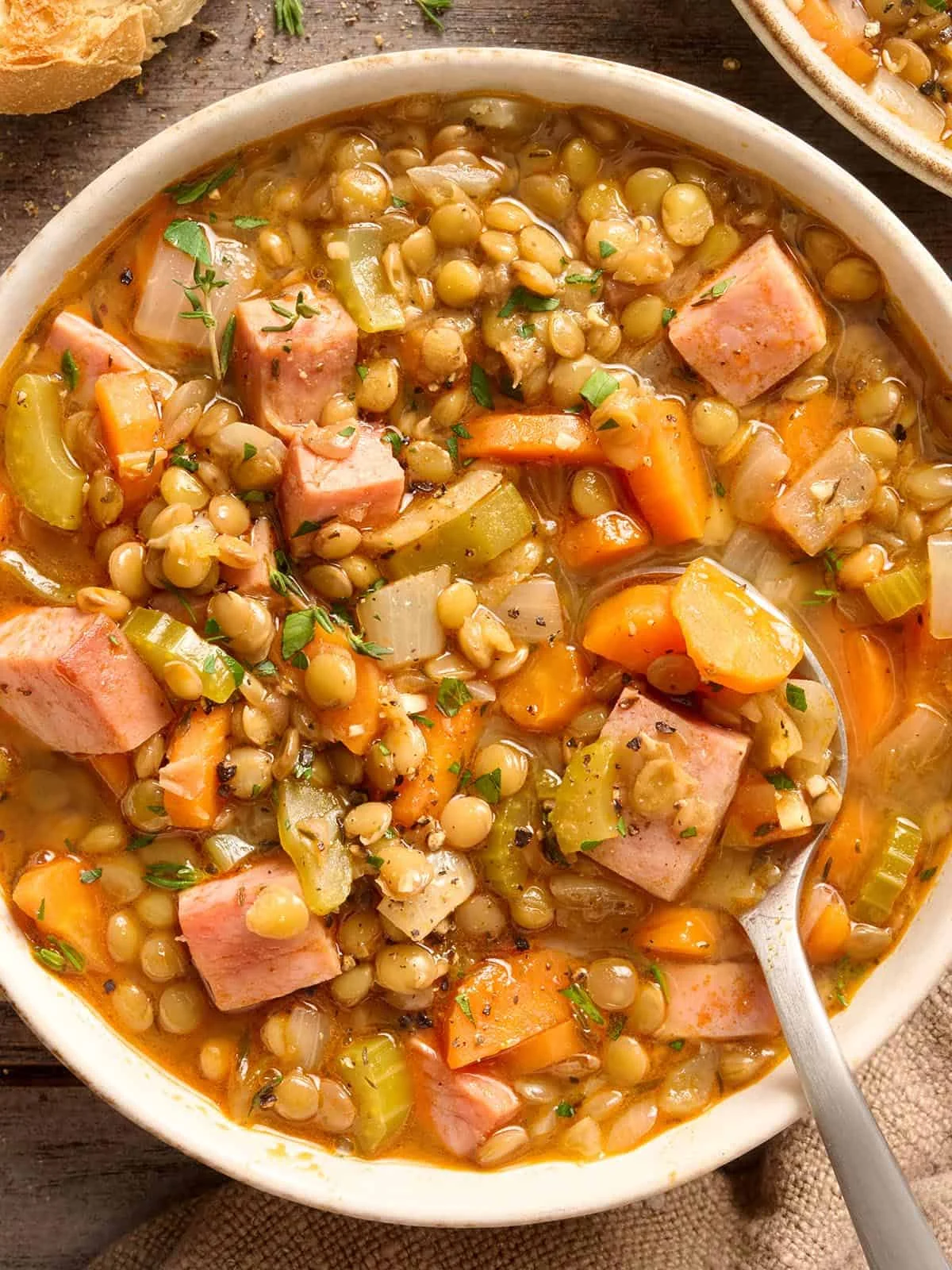
The primary components of this soup contribute to a well-balanced nutritional profile. Dried brown lentils are recognized by the United States Department of Agriculture (USDA) as both a vegetable and a protein source. A single serving of this soup contains approximately 29 grams of protein and 16 grams of dietary fiber, accounting for 67% of the recommended daily value. This high fiber content is associated with improved digestive health and sustained satiety, which may assist in weight management and blood sugar regulation.
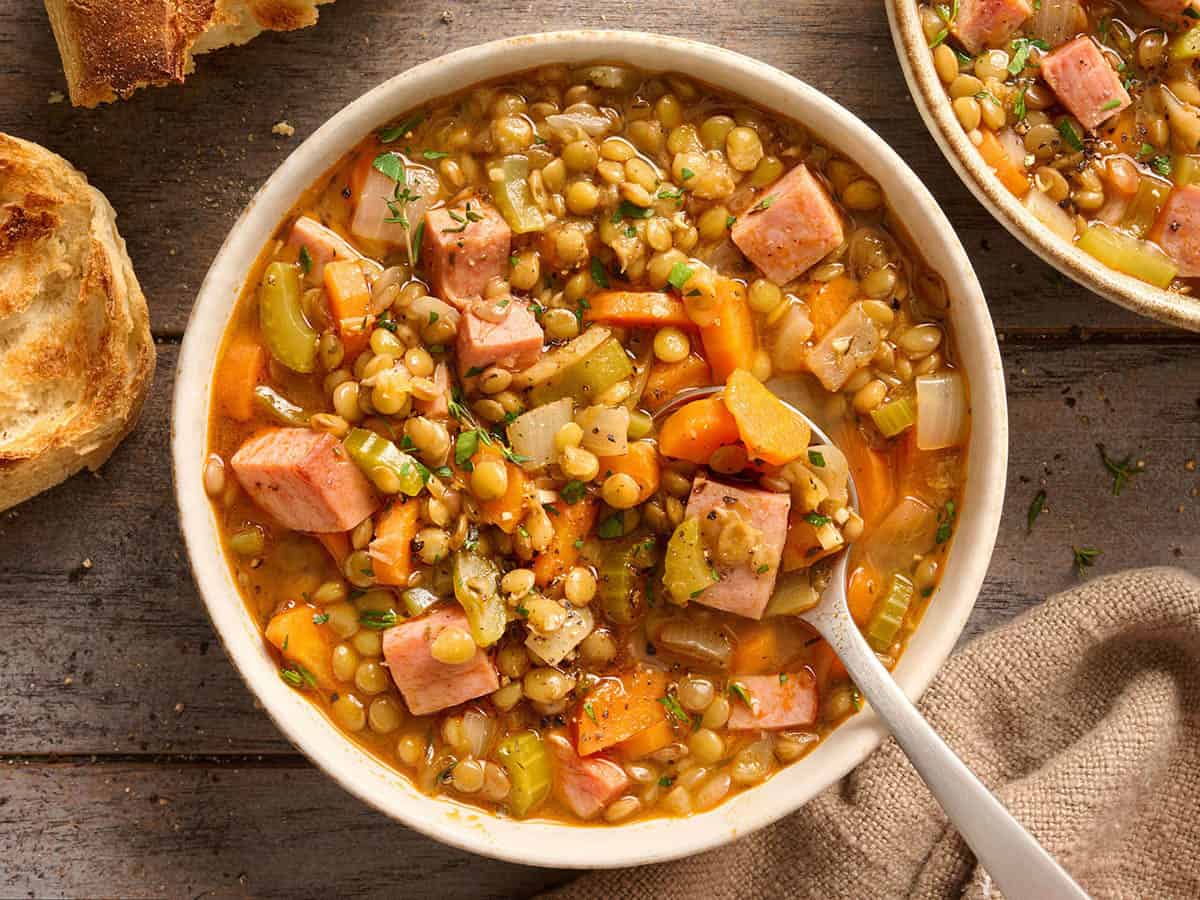
The inclusion of ham provides essential micronutrients, including B vitamins, zinc, and iron. However, the sodium content remains a notable consideration for public health; at approximately 1,966 mg per serving, this dish accounts for a significant portion of the American Heart Association’s recommended daily intake. To address this, culinary professionals recommend the use of "lower-sodium" labeled ham steaks or the substitution of homemade, salt-controlled bone broths.
Chronology of Preparation and Culinary Methodology
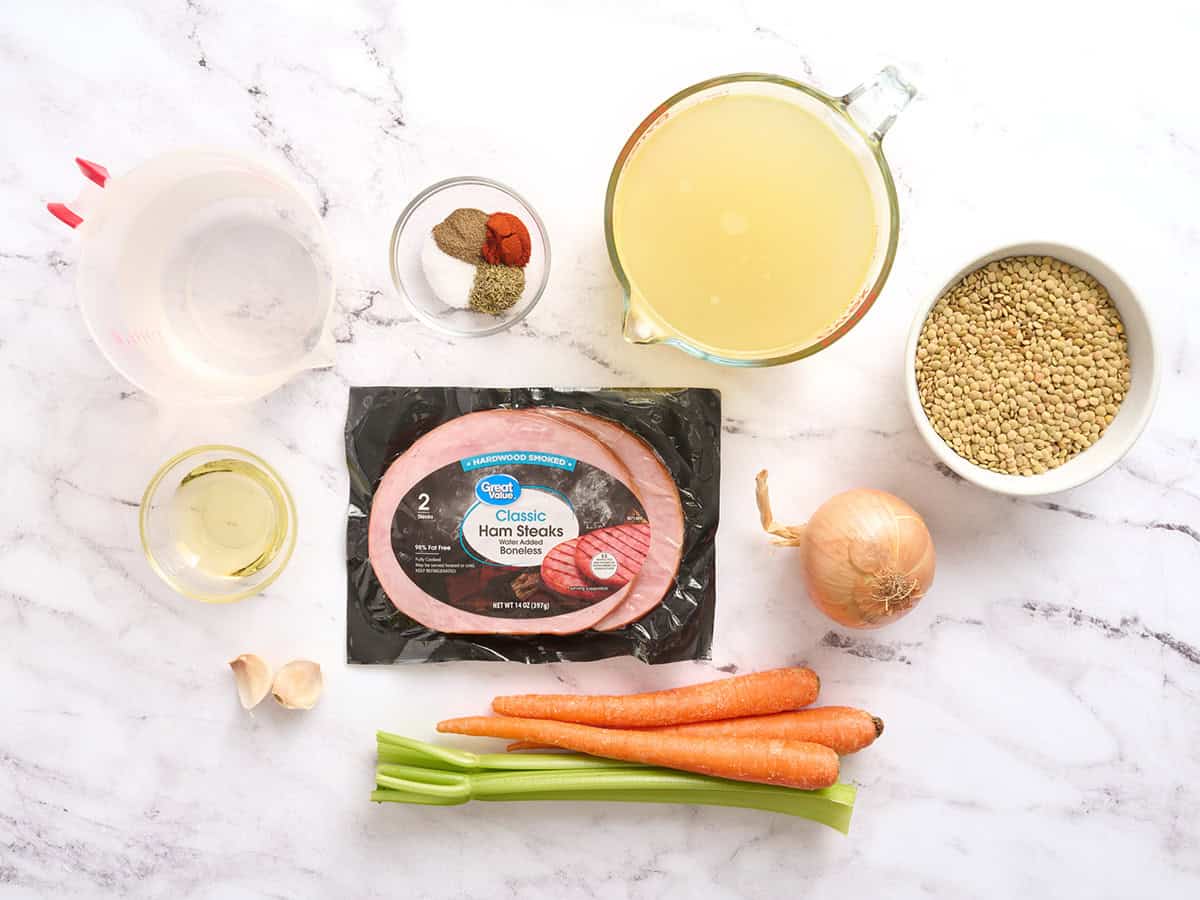
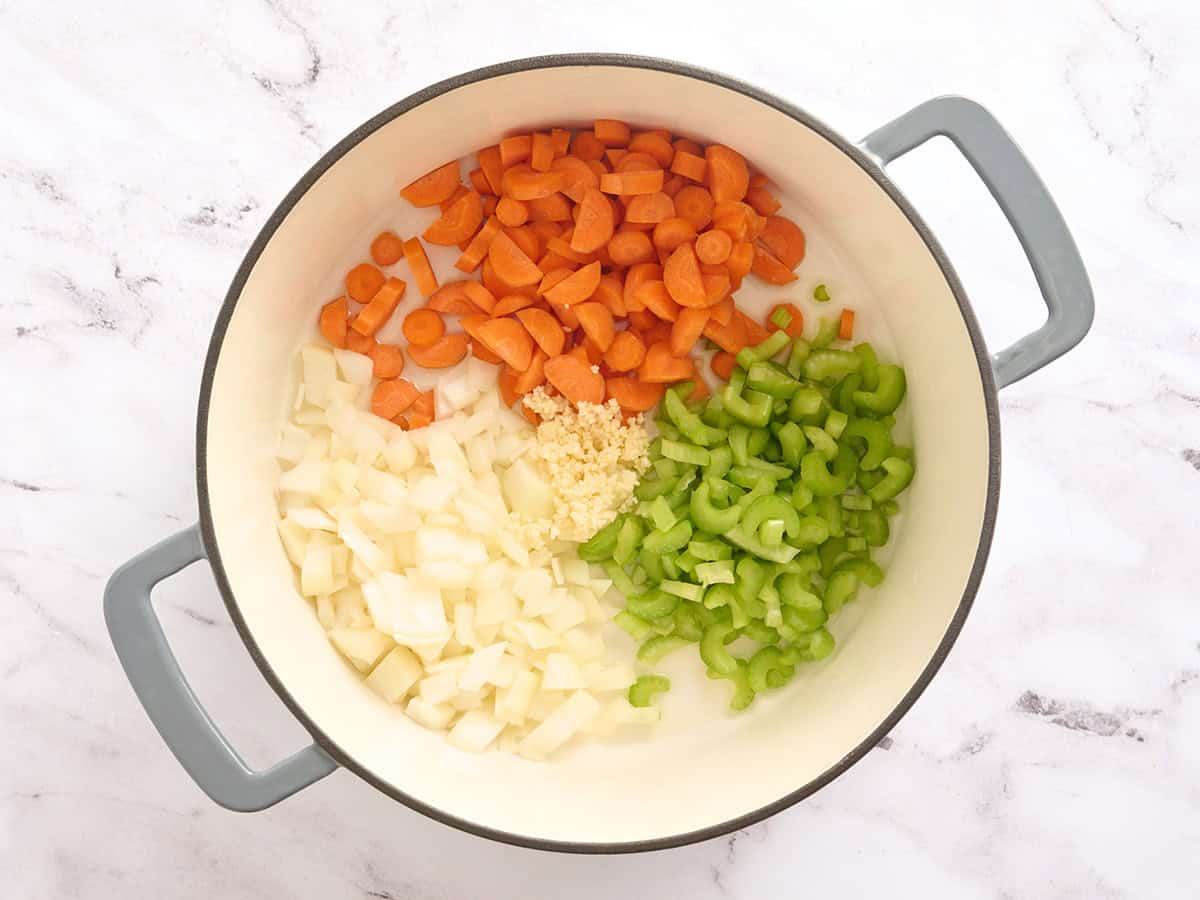
The preparation of a standard 35-minute ham and lentil soup follows a structured, efficient timeline designed to maximize flavor extraction within a short period. The process begins with the preparation of the mirepoix—a traditional French culinary base consisting of finely diced onions, carrots, and celery.

- Initial Sauté (Minutes 0–5): The vegetables are sautéed in a neutral oil until the onions achieve translucency. This step is critical for the Maillard reaction, which develops the foundational aromatic depth of the dish.
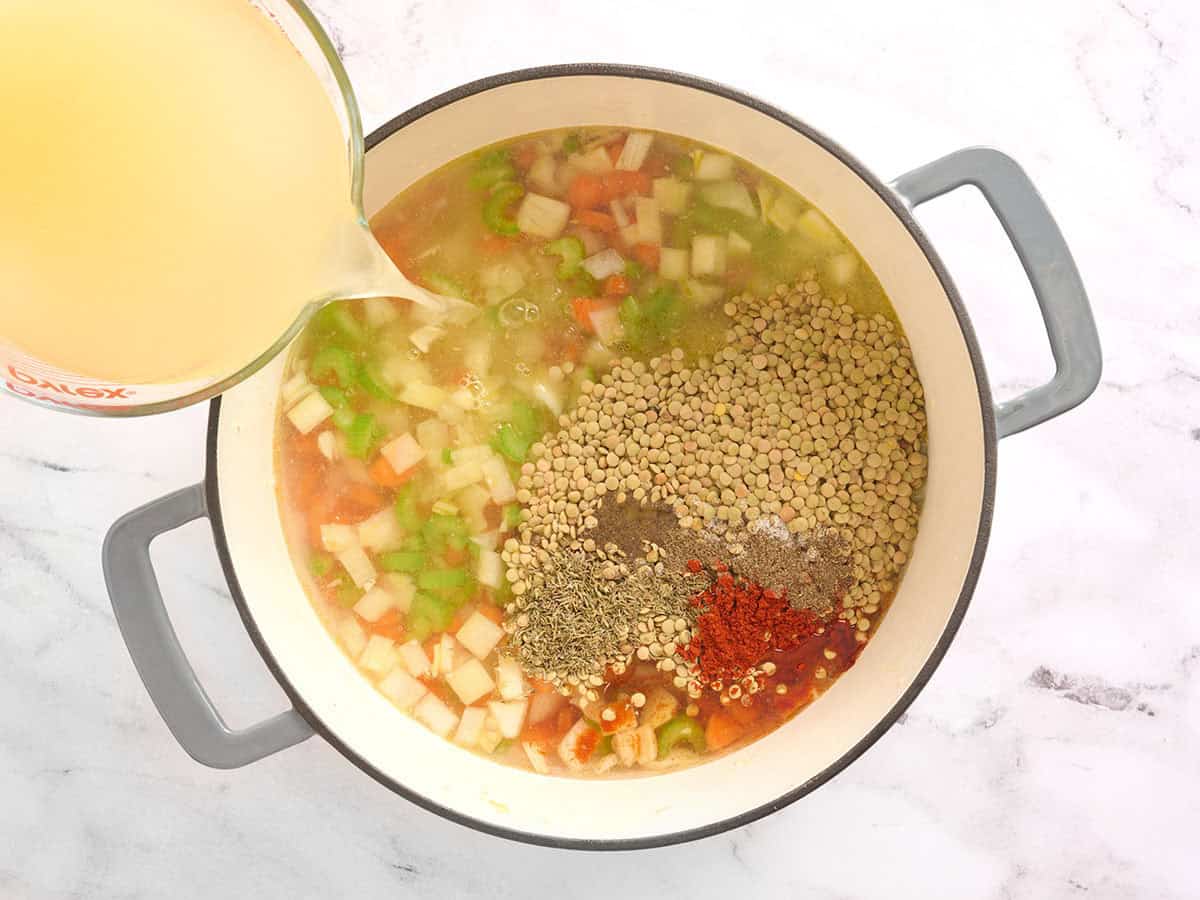
- Deglazing and Integration (Minutes 5–10): Garlic and seasonings, typically including paprika and thyme, are introduced. The addition of chicken broth and water serves to deglaze the pot, incorporating any fond (browned bits) into the liquid base.
- Legume Hydration (Minutes 10–35): Rinsed brown lentils are added to the boiling liquid. Unlike larger dried beans, brown lentils do not require pre-soaking, which significantly reduces the total preparation time.
- Protein Incorporation (Minutes 30): Diced pre-cooked ham is added toward the end of the simmering process to ensure the meat retains its texture without becoming over-salted or tough.
Economic Analysis and Market Context
The appeal of this recipe in the current economic climate is largely driven by its low cost-per-serving. At approximately $1.29 per portion, the dish is categorized as an ultra-affordable meal, fitting well within the budgets of lower-to-middle-income households. The reliance on shelf-stable ingredients—such as dried lentils—allows consumers to purchase in bulk, further reducing the unit price of the meal.
From a procurement perspective, the versatility of the protein source is a key economic factor. The recipe functions as a "zero-waste" or "leftover-utilization" strategy, allowing for the incorporation of holiday ham bones or remnants from larger meat cuts. This practice aligns with broader industry trends toward sustainability and waste reduction, as emphasized by food security organizations advocating for "nose-to-tail" cooking and creative repurposing of ingredients.
Broader Implications of Legume-Based Diets
The resurgence of interest in lentil-based recipes has broader implications for both environmental sustainability and national food policy. Legumes are nitrogen-fixing crops, meaning they improve soil health and require significantly less water than most animal-based protein sources. Consequently, the adoption of lentil-centric dishes is often promoted by environmental groups as a means to reduce the carbon footprint of the average household diet.
Nutritionists note that while many Americans are familiar with lentils, they are often underutilized in the standard Western diet. The popularity of "quick-prep" soup recipes—those that can be completed in under 40 minutes—serves as a bridge for consumers who wish to transition toward more plant-forward diets but are constrained by time and the perceived complexity of cooking dried legumes.
Professional Perspectives on Kitchen Management
Culinary experts and test kitchen professionals emphasize that the success of a simple soup lies in the quality of the base. Utilizing "Better Than Bouillon" or similar concentrated stocks is a widely accepted industry standard for home cooks seeking to achieve professional-grade depth of flavor without the long-simmering time required for a traditional stock.
Regarding the choice of equipment, the recipe’s flexibility is a significant asset. While the stovetop method is the standard for rapid, supervised cooking, the adaptation for slow cookers or electric pressure cookers (such as the Instant Pot) represents a shift in modern domestic management. These appliances allow for unattended cooking, which is increasingly favored by working professionals. In an institutional or domestic setting, the transition to automated cooking methods ensures consistency in texture and flavor, particularly with legumes, which can otherwise be prone to uneven cooking if heat is not strictly regulated.
Storage and Long-Term Consumption Strategies
From a logistics standpoint, the soup’s shelf life is a primary advantage. When stored in airtight containers at or below 40°F (4°C), the dish remains viable for 3–4 days. The tendency of lentils to absorb liquid over time is a known phenomenon that requires simple mitigation—the addition of small amounts of water or broth during reheating.
Freezing for long-term storage—up to three months—is a recommended strategy for households engaged in "meal prepping." By portioning the soup into individual, freezer-safe containers, consumers can manage their caloric and nutrient intake while reducing the likelihood of food spoilage. This practice also provides a "safety net" for meal planning, ensuring that a nutrient-dense, warm meal is available during periods of high time constraints.
Conclusion: A Model for Sustainable Home Cooking
The Ham and Lentil Soup remains a compelling model for sustainable and economical home cooking. By integrating high-fiber, high-protein legumes with affordable, flavor-rich animal proteins, this dish addresses multiple modern domestic concerns: inflation, health, and time management. As food prices continue to fluctuate, the reliance on such foundational, ingredient-transparent recipes is likely to remain a central component of efficient household management. The simplicity of the technique, combined with the scalability of the recipe, ensures that it remains an accessible point of entry for beginner cooks while offering sufficient depth to satisfy experienced practitioners of home-style culinary arts.
