
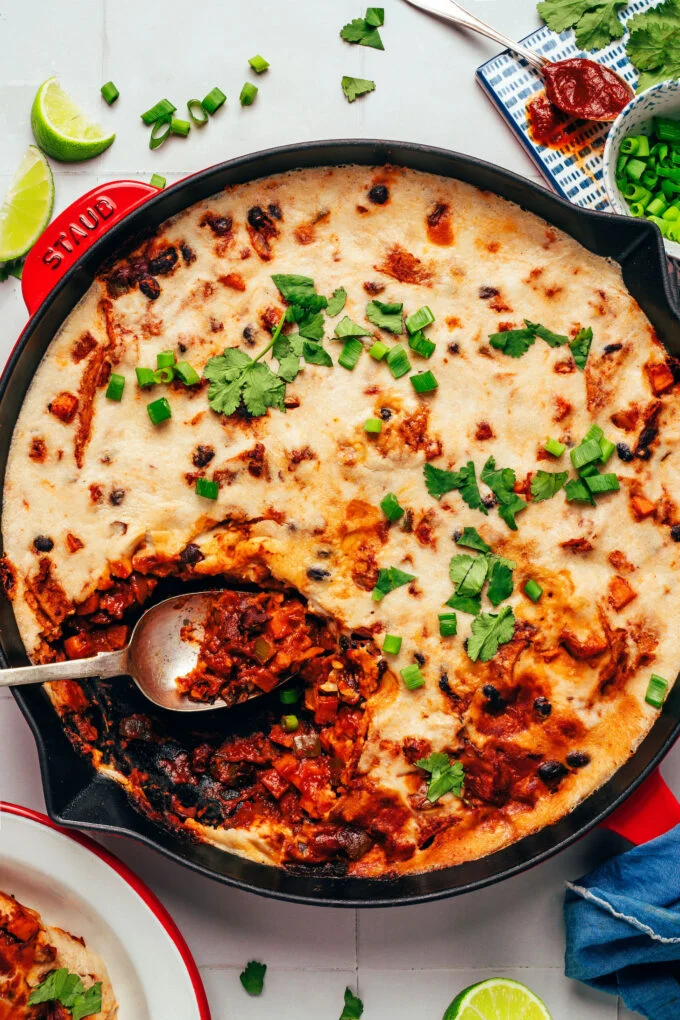
The culinary landscape has seen a significant shift in recent years toward streamlined, plant-based meal preparation, a trend exemplified by the emergence of the "one-pan" cooking movement. A prime example of this development is the recent introduction of a 30-minute vegan enchilada skillet, which synthesizes traditional Mexican-inspired flavor profiles with modern, time-efficient kitchen techniques. By eliminating the labor-intensive process of individually rolling tortillas, this dish represents a practical application of fusion methodology, aiming to reduce domestic food waste and energy consumption while maintaining nutritional density.
Historical Context and Culinary Evolution
The enchilada, a staple of Mexican cuisine, traces its roots to ancient Mesoamerican practices. Historians often draw parallels between modern enchiladas and the Mayan dish known as papadzules, which involved dipping tortillas in a pumpkin seed sauce. The first documented reference to the modern term "enchilada" appeared in the 1831 publication El Cocinero mexicano, the nation’s first comprehensive cookbook. Over the following two centuries, the dish evolved through regional variations, incorporating diverse proteins such as poultry, seafood, legumes, and various cheeses.
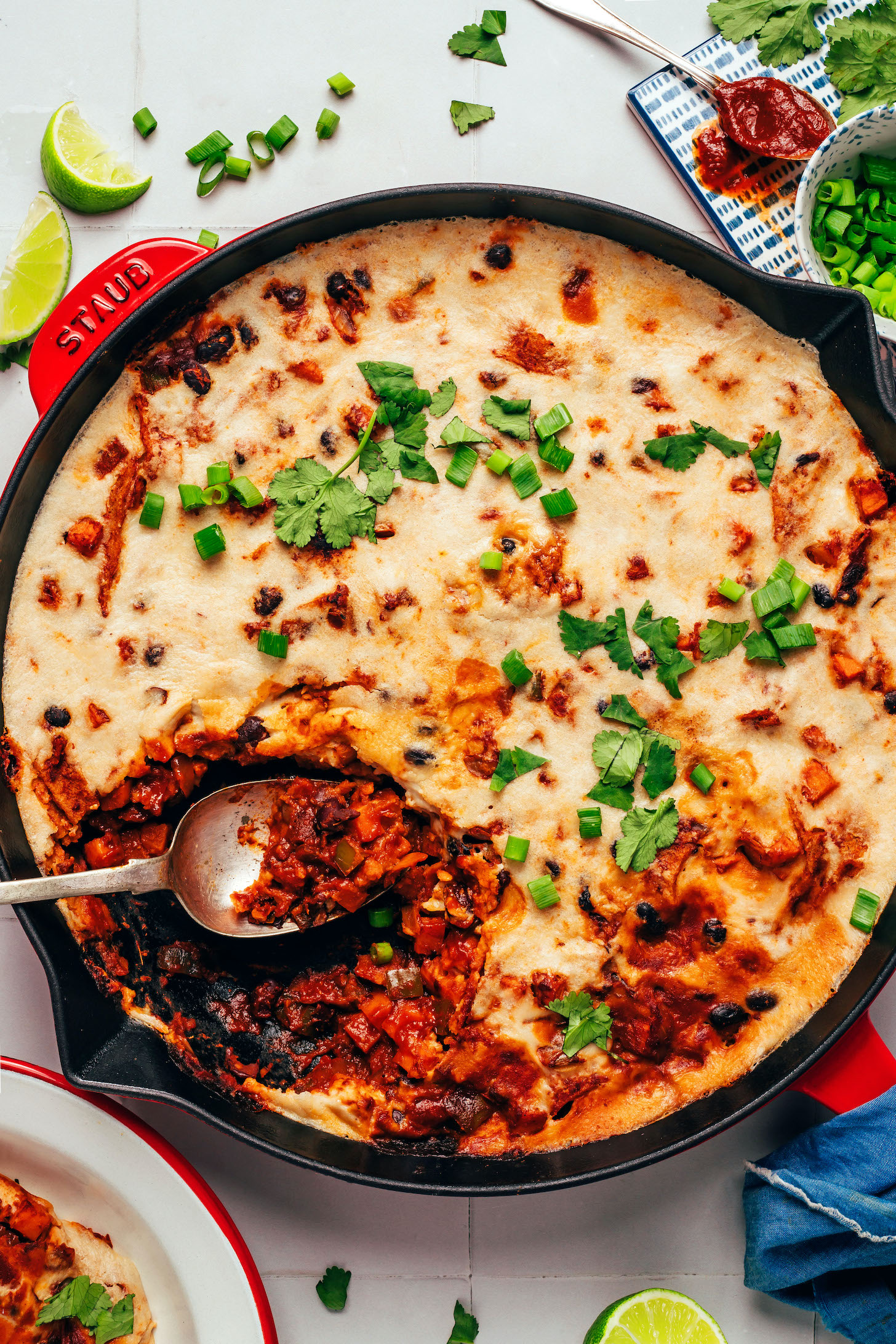
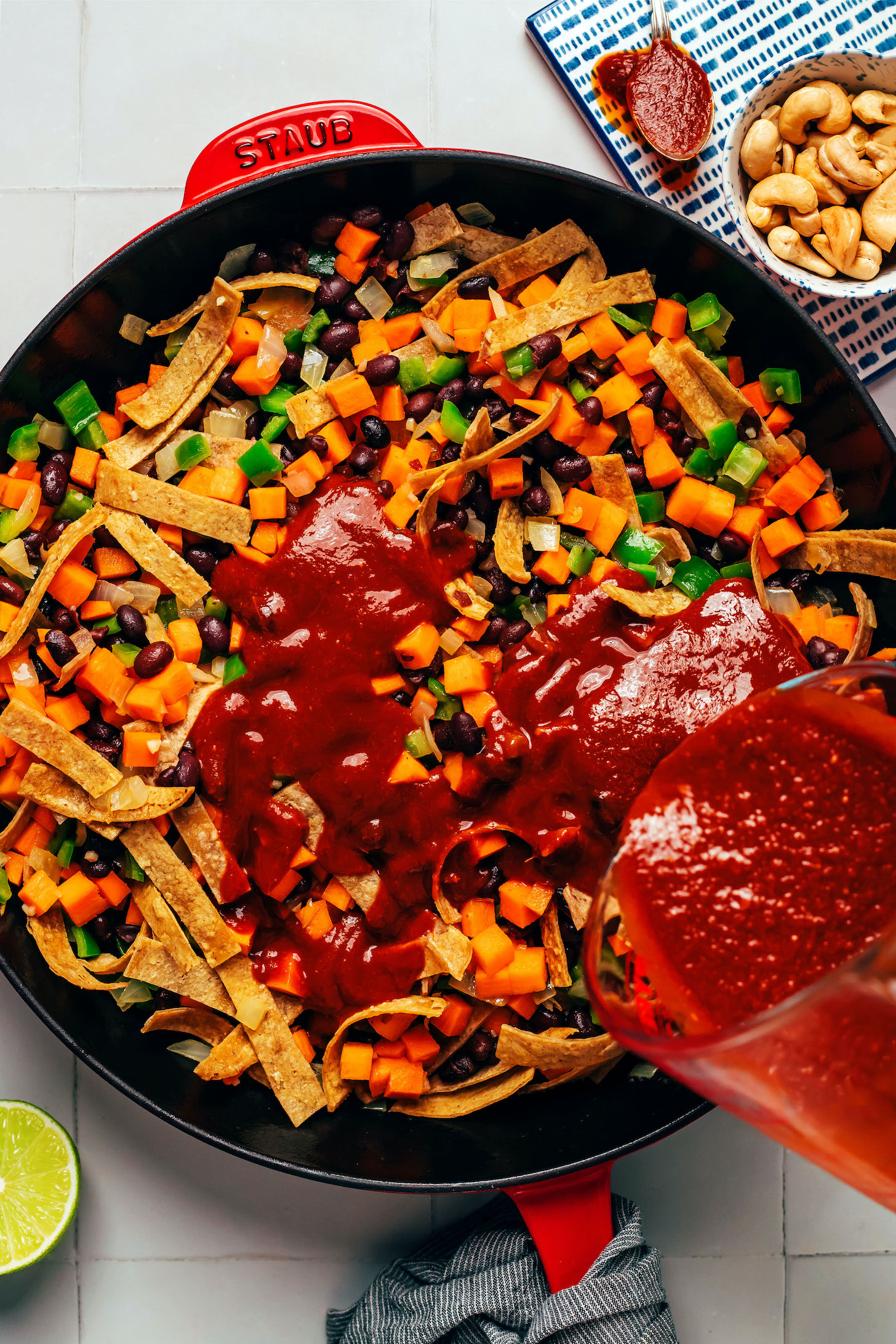
The current iteration of the enchilada skillet signifies a departure from the classic stuffed-and-rolled preparation. By utilizing a "deconstructed" approach—where corn tortillas are sliced into strips and incorporated directly into the sauce and vegetable base—the dish adheres to contemporary demands for speed and simplified cleanup. This method does not merely serve as a shortcut; it changes the texture of the corn tortillas, allowing them to absorb the red enchilada sauce more uniformly, which alters the flavor profile of the dish compared to traditional rolled versions.
The Anatomy of the 30-Minute Skillet
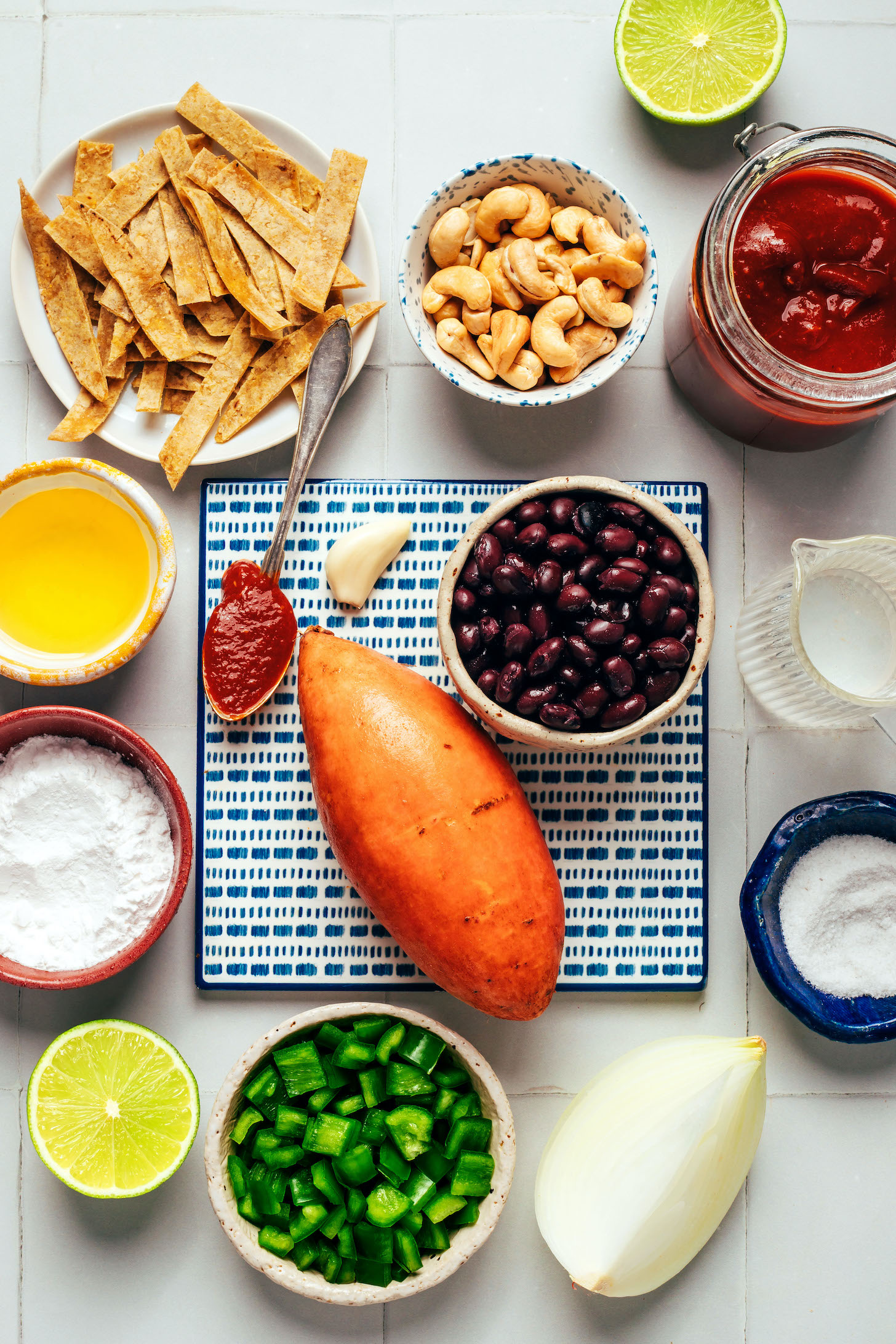
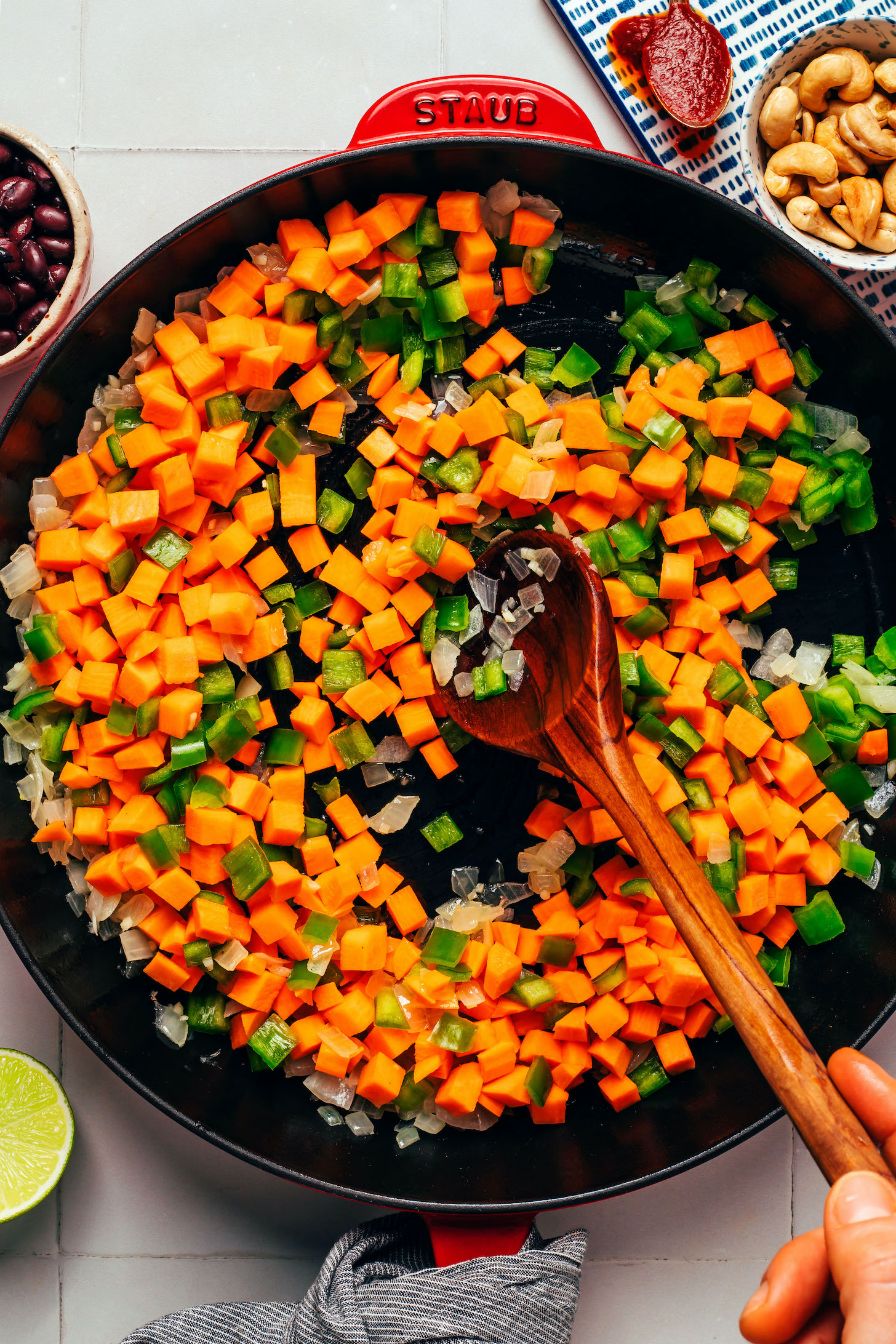
From a logistical standpoint, the recipe focuses on a 30-minute total turnaround time, comprising 10 minutes of preparation and 20 minutes of active cooking. The base of the skillet relies on a precise mirepoix-style foundation of onions and garlic, bolstered by high-fiber, nutrient-dense components including sweet potatoes, poblano peppers, and black beans.
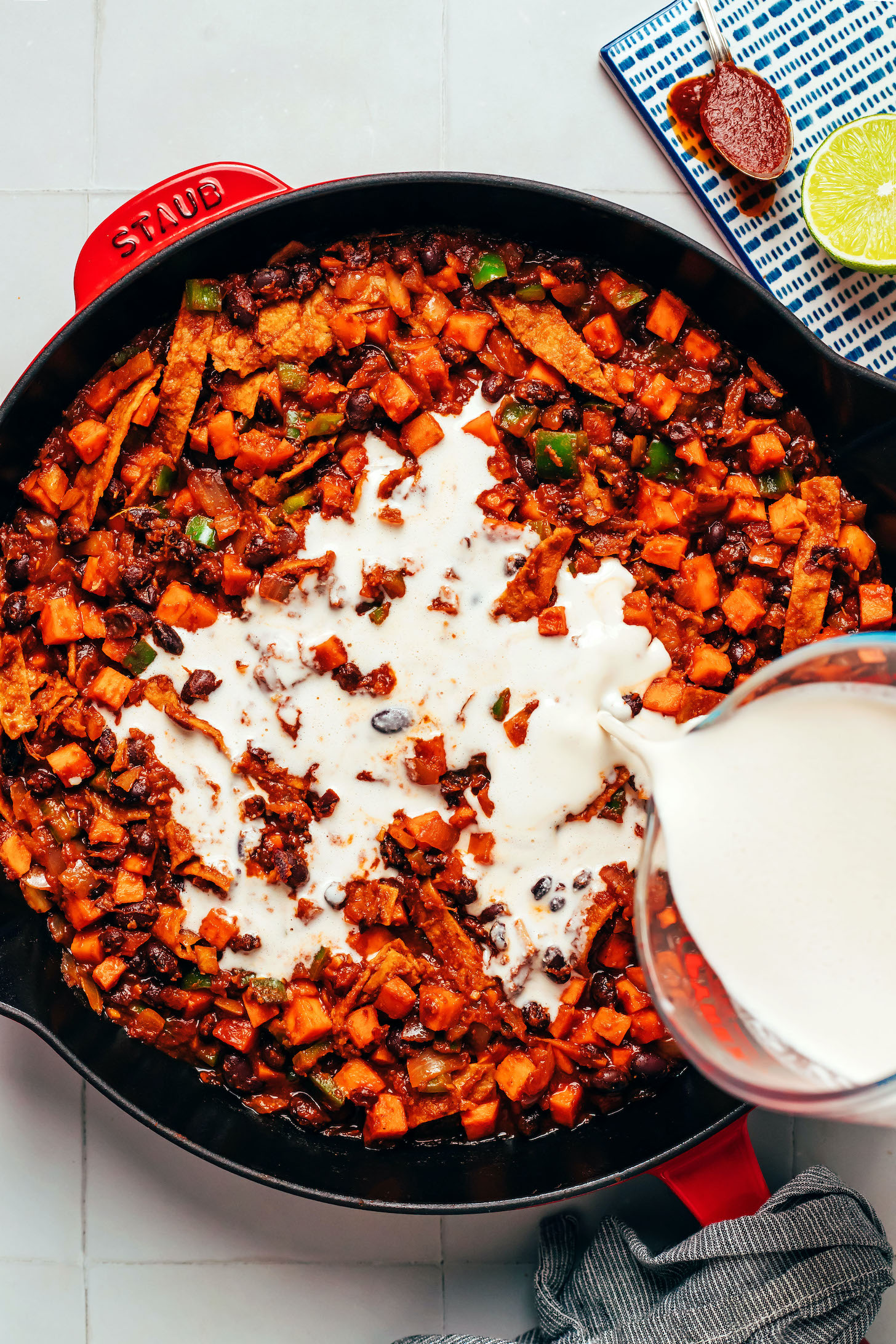
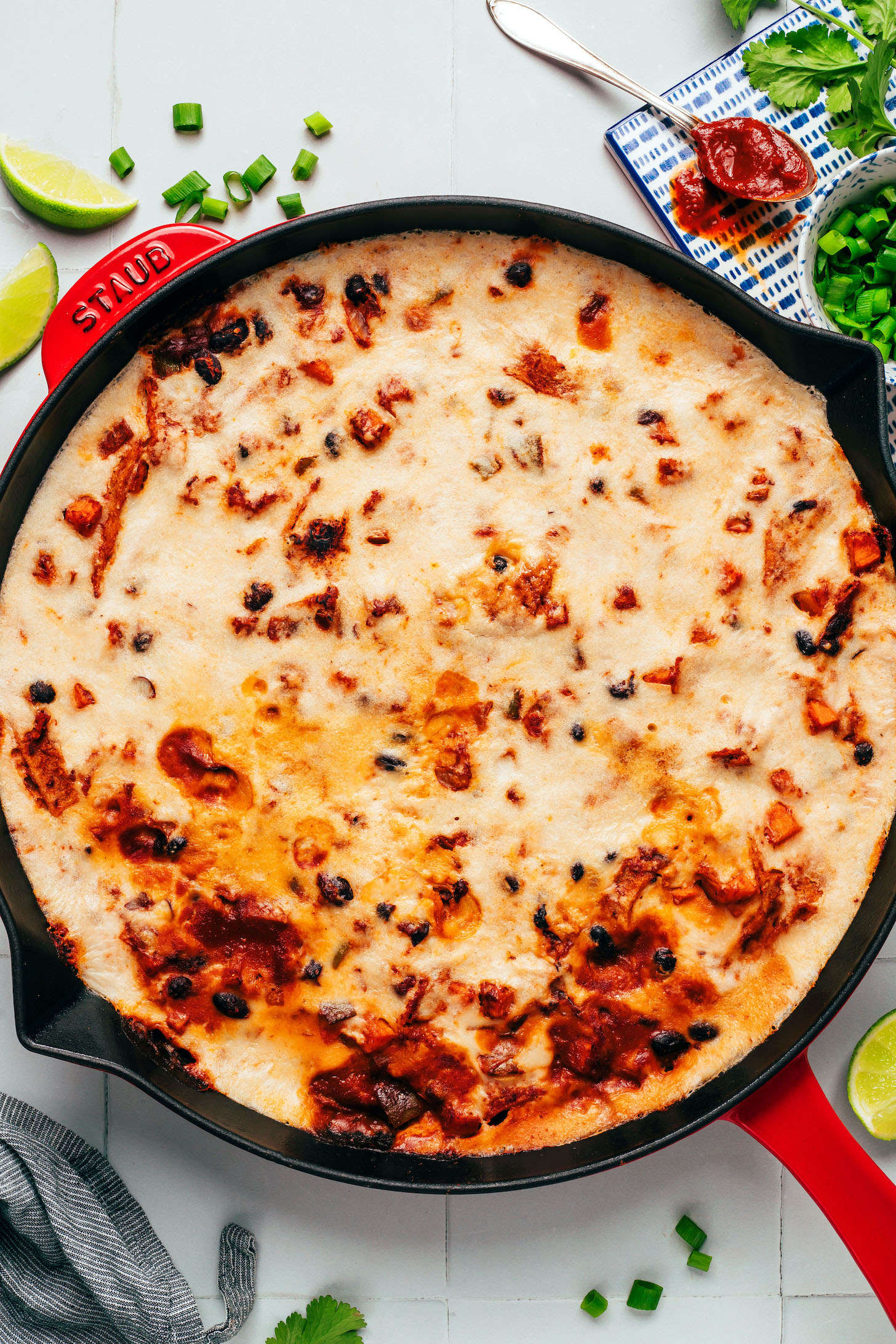
The integration of a cashew-based sauce serves as a functional substitute for traditional dairy cheese. This sauce is produced by emulsifying raw cashews, lime juice, garlic, and tapioca starch. In this application, tapioca starch acts as a thickening and binding agent, providing a viscosity and melt-like texture that mimics casein-based cheeses when heated. This technique reflects a broader movement in the food industry to leverage plant-based lipids and starches to achieve sensory characteristics previously reserved for animal products.
Nutritional Profile and Dietary Implications
An analysis of the nutritional composition of this dish highlights its suitability for those seeking a high-fiber, plant-forward diet. With approximately 416 calories per serving, the dish provides 13.6 grams of protein and 14.3 grams of dietary fiber. The high fiber content is largely attributed to the inclusion of black beans and root vegetables, which contribute to satiety.
The sodium content, measured at approximately 940 mg per serving, is a factor to consider for those managing hypertension or cardiovascular health. However, because the recipe is prepared at home, this variable is controllable through the use of low-sodium vegetable broths or homemade enchilada sauces, which significantly reduces the salt intake compared to mass-produced, shelf-stable versions of similar meals. Furthermore, the absence of cholesterol—a natural outcome of utilizing plant-derived ingredients—aligns with nutritional guidelines focused on reducing saturated fat intake.
Economic and Sustainability Considerations
The shift toward one-pan cooking has broader implications for household economics and environmental sustainability. By utilizing a single pan, the recipe reduces the energy expenditure associated with washing multiple pots and pans, as well as the water consumption required for kitchen cleanup. Additionally, the recipe’s emphasis on versatile vegetables, such as the ability to substitute kabocha squash, butternut squash, or various greens like kale and spinach, allows consumers to utilize seasonal produce or leftovers, thereby mitigating food waste.
The reliance on pantry staples like black beans and corn tortillas also lowers the cost per serving. In an inflationary environment where consumers are increasingly sensitive to the rising cost of animal proteins, plant-based dishes that utilize legumes as a primary protein source offer a viable economic strategy for maintaining a nutritious diet on a budget.
Expert Perspectives and Culinary Adaptability
Culinary experts observe that the "skillet" format is part of a larger trend of "democratizing" complex cultural dishes. By removing the technical skill required to maintain the structural integrity of a rolled enchilada, the barrier to entry for home cooks is lowered.
Adaptability is a cornerstone of this recipe’s design. The inclusion of poblano peppers adds a mild, smoky heat that is characteristic of traditional Mexican cuisine, but the recipe’s flexibility allows for the integration of bell peppers or other regional peppers based on availability. The addition of "protein boosters," such as shredded tofu or plant-based meat alternatives, suggests that this base recipe is intended to function as a framework for customization rather than a rigid set of instructions.
Broader Impact on the Food Industry
The reception of such recipes in the mainstream market indicates a growing consumer demand for "convenience-healthy" food—products or recipes that do not sacrifice health for the sake of speed. Major retailers and food bloggers have noted a significant uptick in search traffic for "one-pan" and "30-minute" search terms, reflecting a population that is increasingly time-poor but health-conscious.
The success of the cashew-based "cheese" sauce, in particular, demonstrates that dairy-free alternatives are becoming normalized in the home kitchen. As food technology improves, the accessibility of such ingredients allows even novice cooks to recreate restaurant-quality results at home. This shift may have long-term implications for the dairy industry, as consumers become accustomed to the ease and flavor profiles of nut-based dairy substitutes.
Conclusion: A Synthesis of Tradition and Modernity
The 30-minute vegan enchilada skillet serves as a compelling case study in how traditional cultural foods can be adapted to meet the demands of modern lifestyles. By synthesizing the structural elements of a classic enchilada with the efficiency of modern one-pot techniques, the dish provides a solution to the common dilemmas of home cooking: time, nutrition, and cost.
While purists may argue that the structural departure from the rolled tortilla alters the essence of the dish, the culinary reality is that this format facilitates broader consumption and simplifies the cooking process. As such, it represents a successful evolution of a staple food, maintaining its cultural roots while embracing the innovations of the 21st-century kitchen. For the home cook, it offers a reliable, nutrient-dense, and environmentally conscious meal that honors the spirit of the original while embracing the necessity of progress.
