
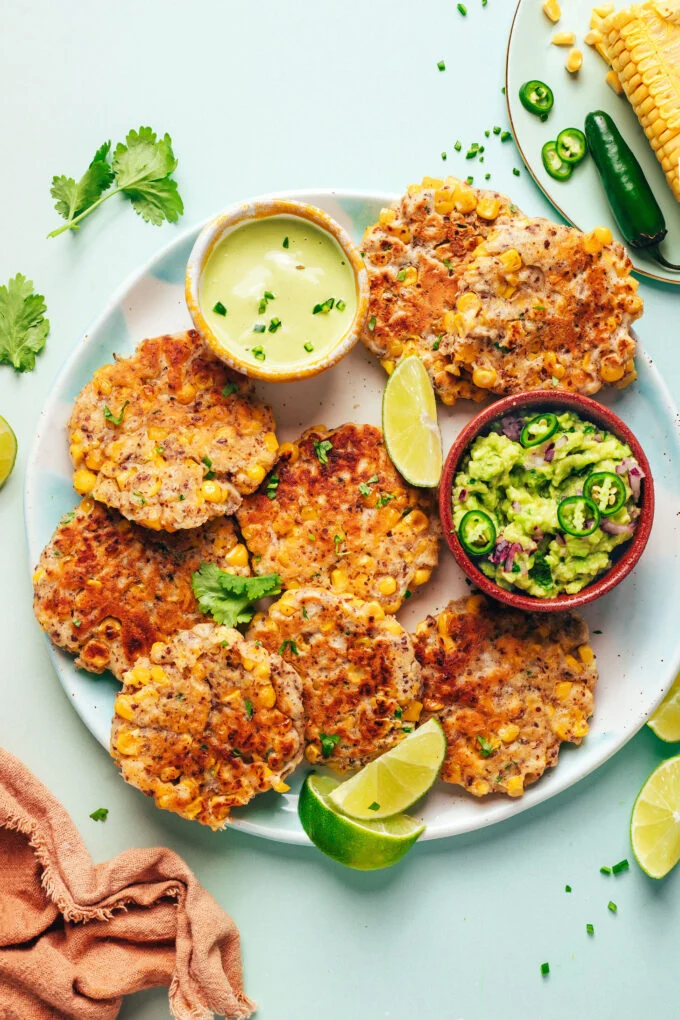
The Culinary Context of Plant-Based Fritters
Corn fritters have long been a mainstay of regional American, Australian, and Southeast Asian cuisines. Traditionally, these dishes relied heavily on eggs for structural integrity and dairy-based milk or buttermilk for the batter’s consistency. However, the rise of the "flexitarian" movement—a dietary trend where consumers prioritize plant-forward meals—has necessitated a re-evaluation of these classic recipes.
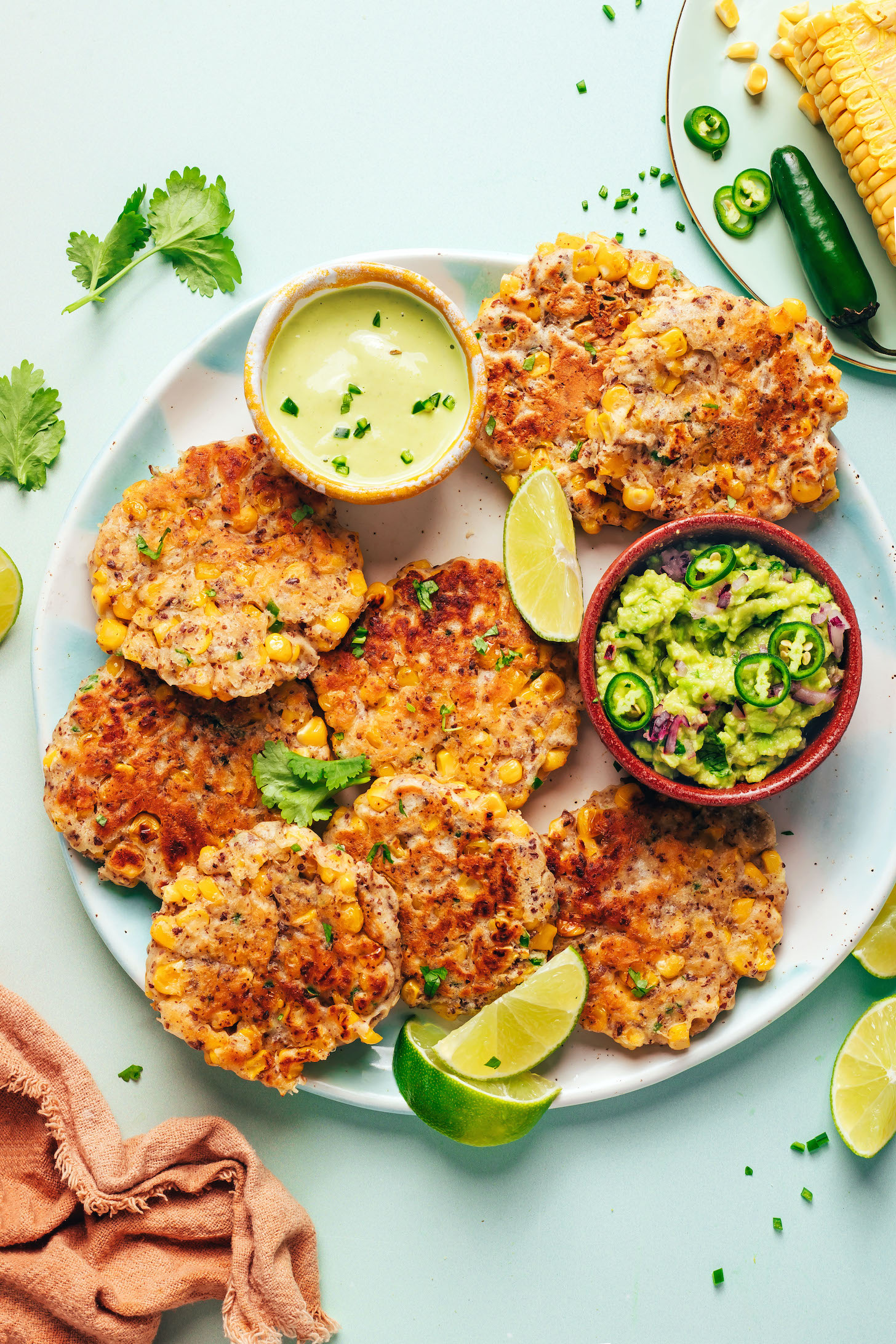
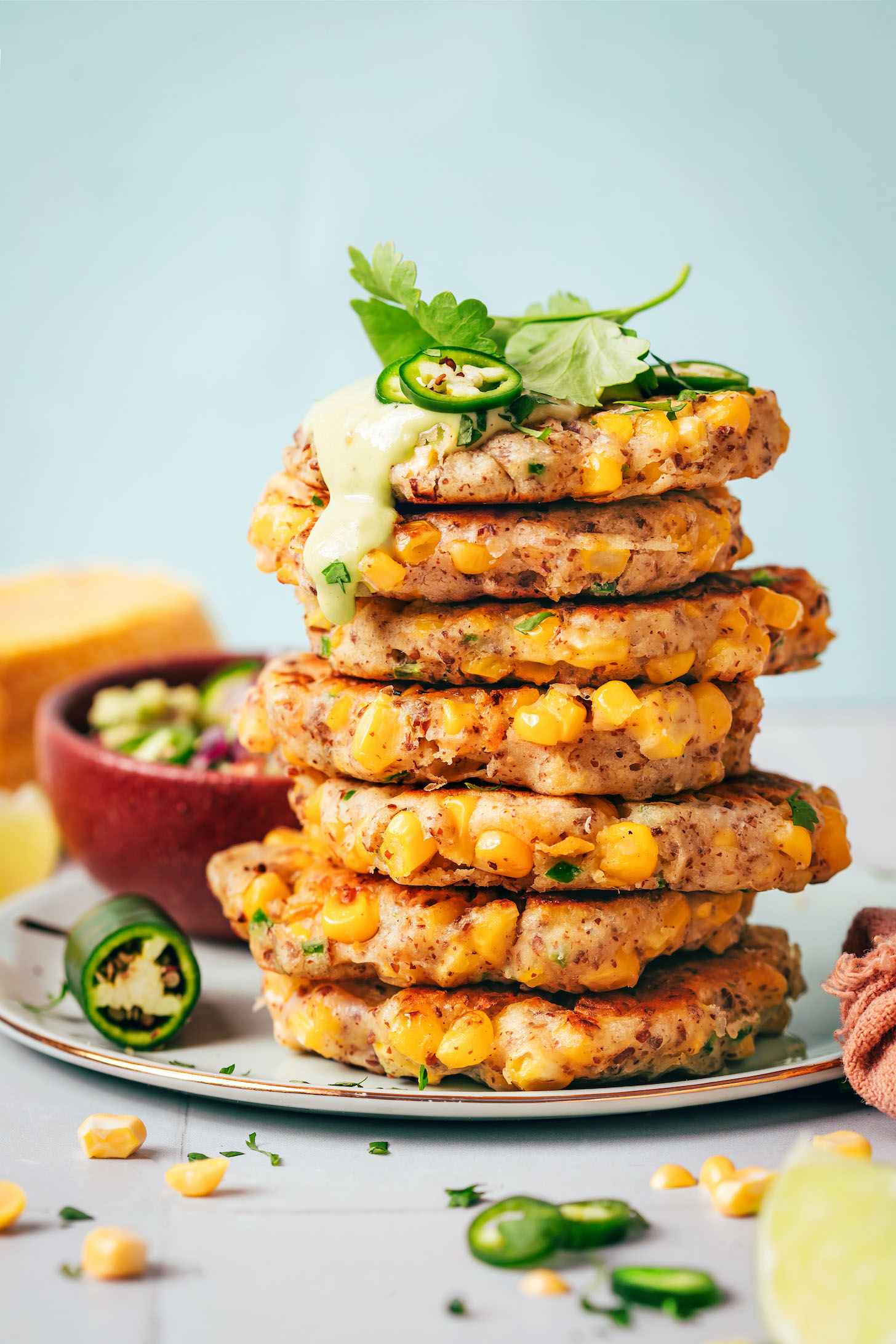
The shift toward vegan, gluten-free alternatives is not merely a lifestyle trend but a response to rising rates of dietary restrictions. According to recent market analysis, the global plant-based food market is projected to reach unprecedented valuations by 2030, driven by both ethical considerations and health-conscious consumer behavior. The development of a corn fritter that utilizes flaxseed meal as a binding agent and plant-based milk for hydration marks a technical milestone in ensuring that home cooks can replicate the "crispy-on-the-outside, tender-on-the-inside" mouthfeel of traditional counterparts.
Technical Composition and Ingredient Profiles
The science behind these specific fritters hinges on the functionality of the ingredients. In a standard culinary setting, a binder like an egg provides protein coagulation to hold the batter together under the heat of a skillet. By substituting this with flaxseed meal—which contains mucilage that thickens into a gelatinous texture when hydrated—the structural integrity of the fritter is maintained.
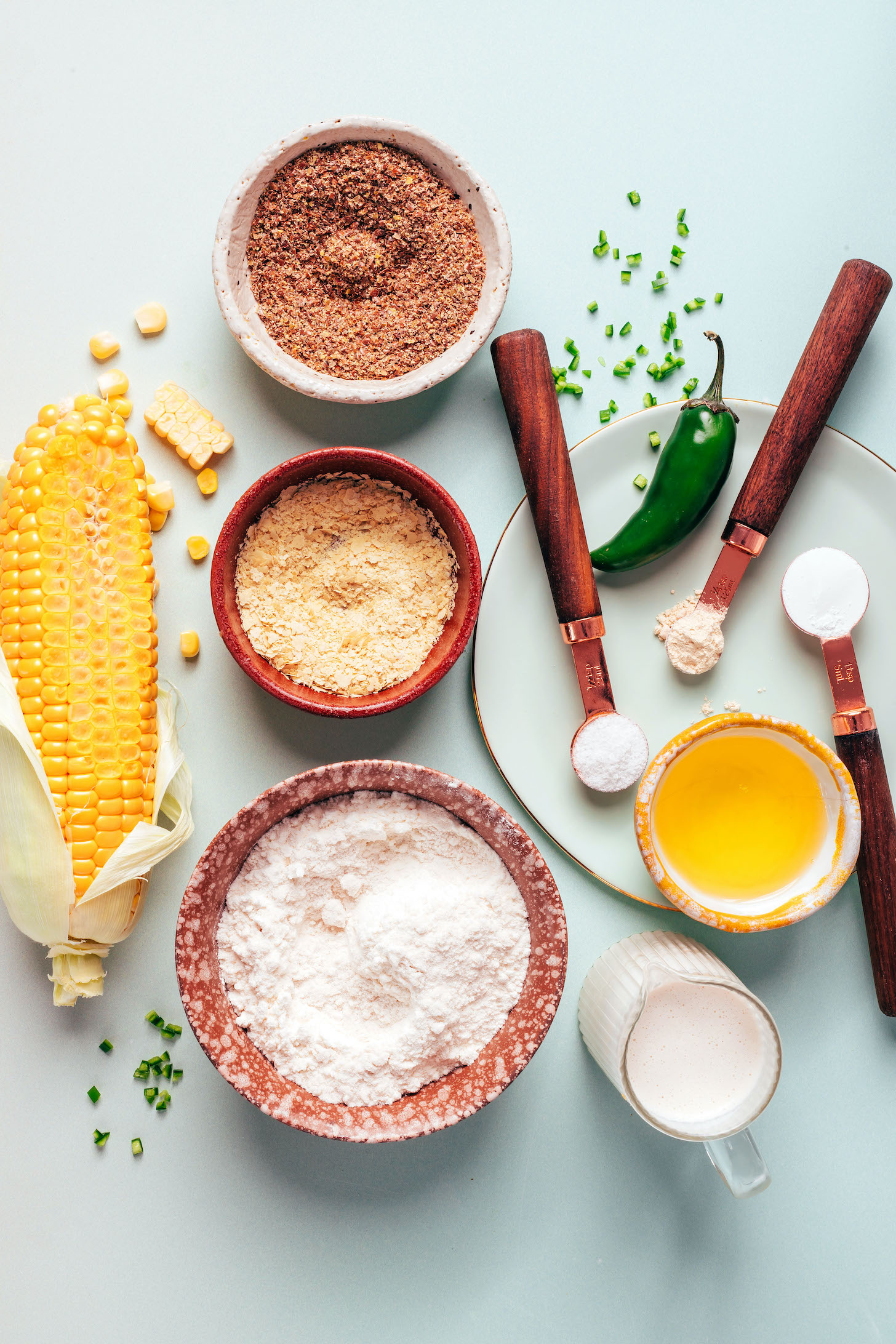
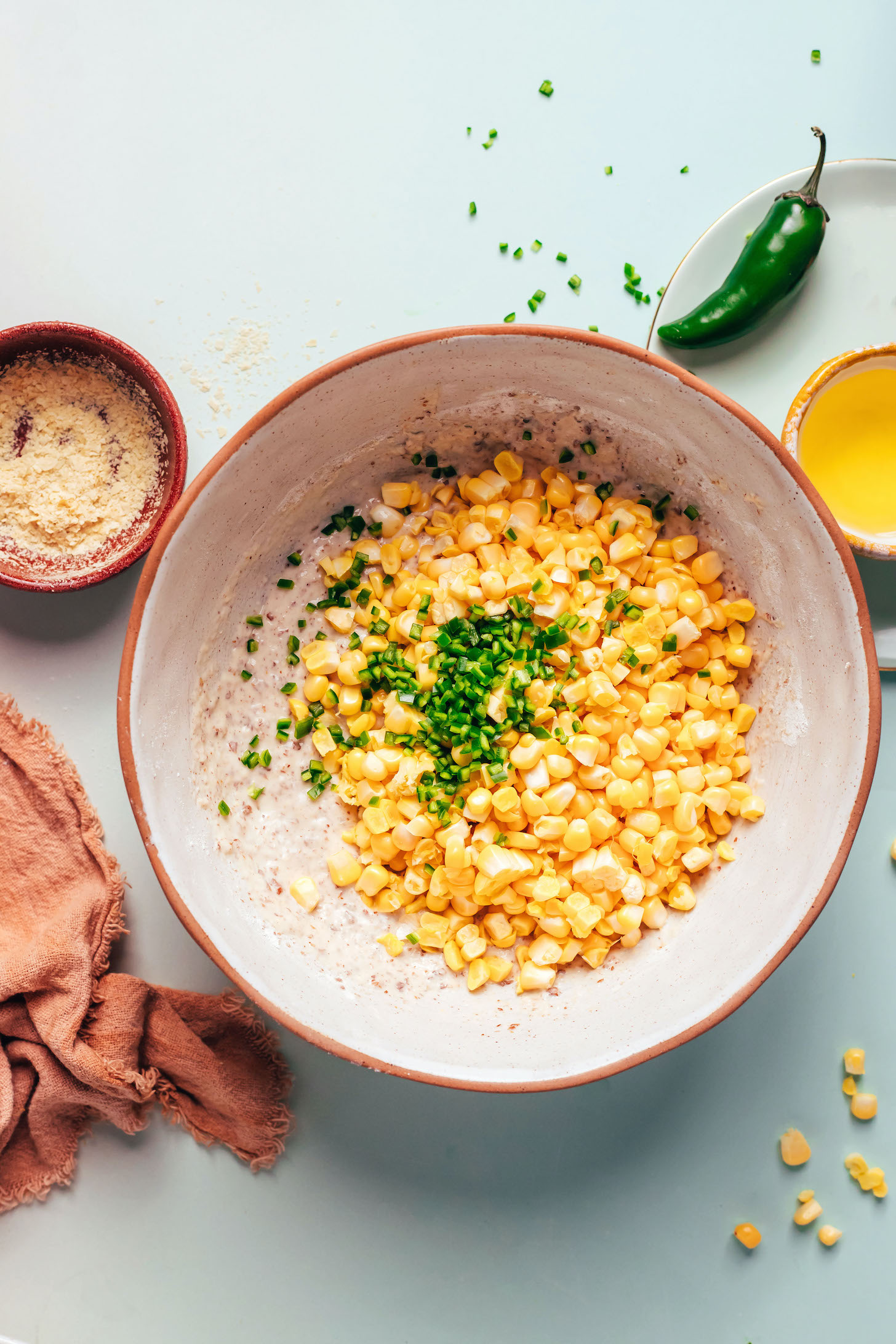
The incorporation of nutritional yeast serves a dual purpose: it provides a savory, umami-rich depth that mimics the richness of dairy, while also adding a small amount of complete protein. The use of a neutral-flavored dairy-free milk, such as homemade cashew milk, is critical; it ensures that the batter remains creamy without introducing competing flavor profiles. Furthermore, the inclusion of fresh or thawed corn kernels provides a structural contrast, while the addition of finely chopped jalapeño introduces capsaicin, which serves to balance the inherent sweetness of the corn.
Methodology and Frying Dynamics
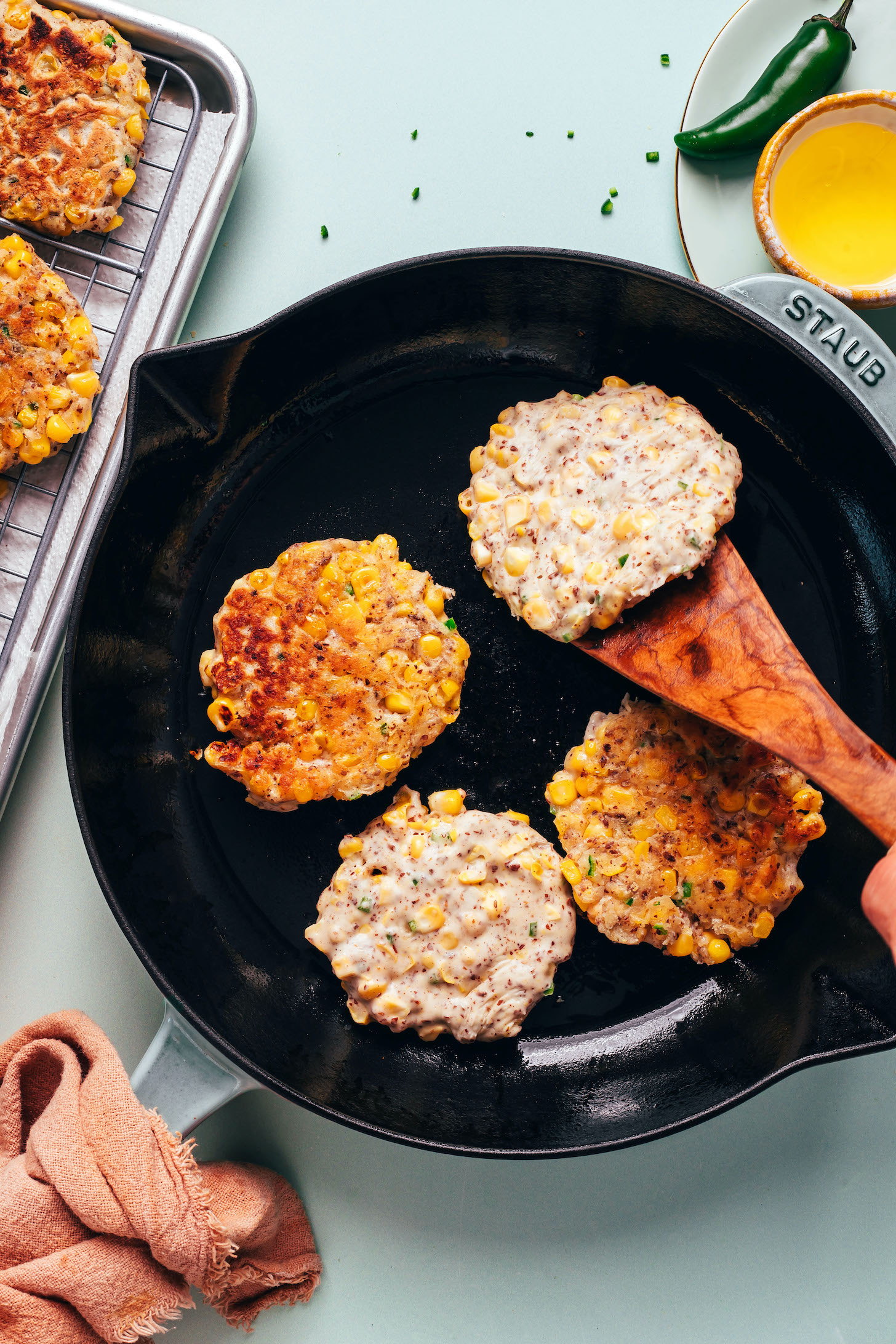
The transition from deep-frying to shallow-frying in a cast-iron skillet reflects a broader trend in health-conscious cooking. Shallow frying minimizes the total fat absorption of the final product while still achieving the Maillard reaction—the chemical process responsible for the golden-brown crust and complex flavor profile of the fritters.
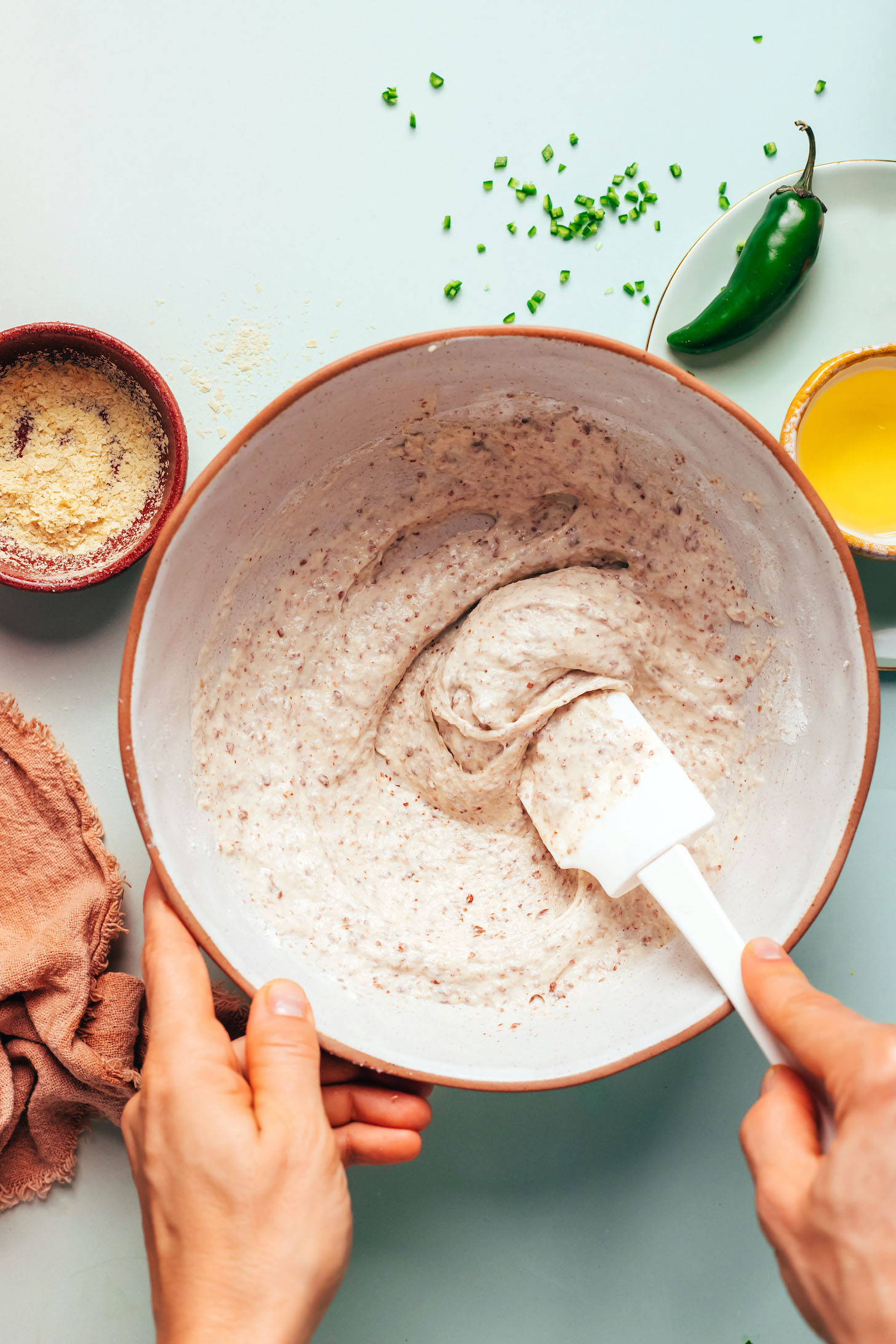
The cooking process, which spans approximately 30 minutes, requires precise temperature control. When using a cast-iron skillet, the heat retention properties of the metal allow for an even sear. The protocol for preparing these fritters involves:
- Binding: Mixing flaxseed meal with liquid to create the "flax egg."
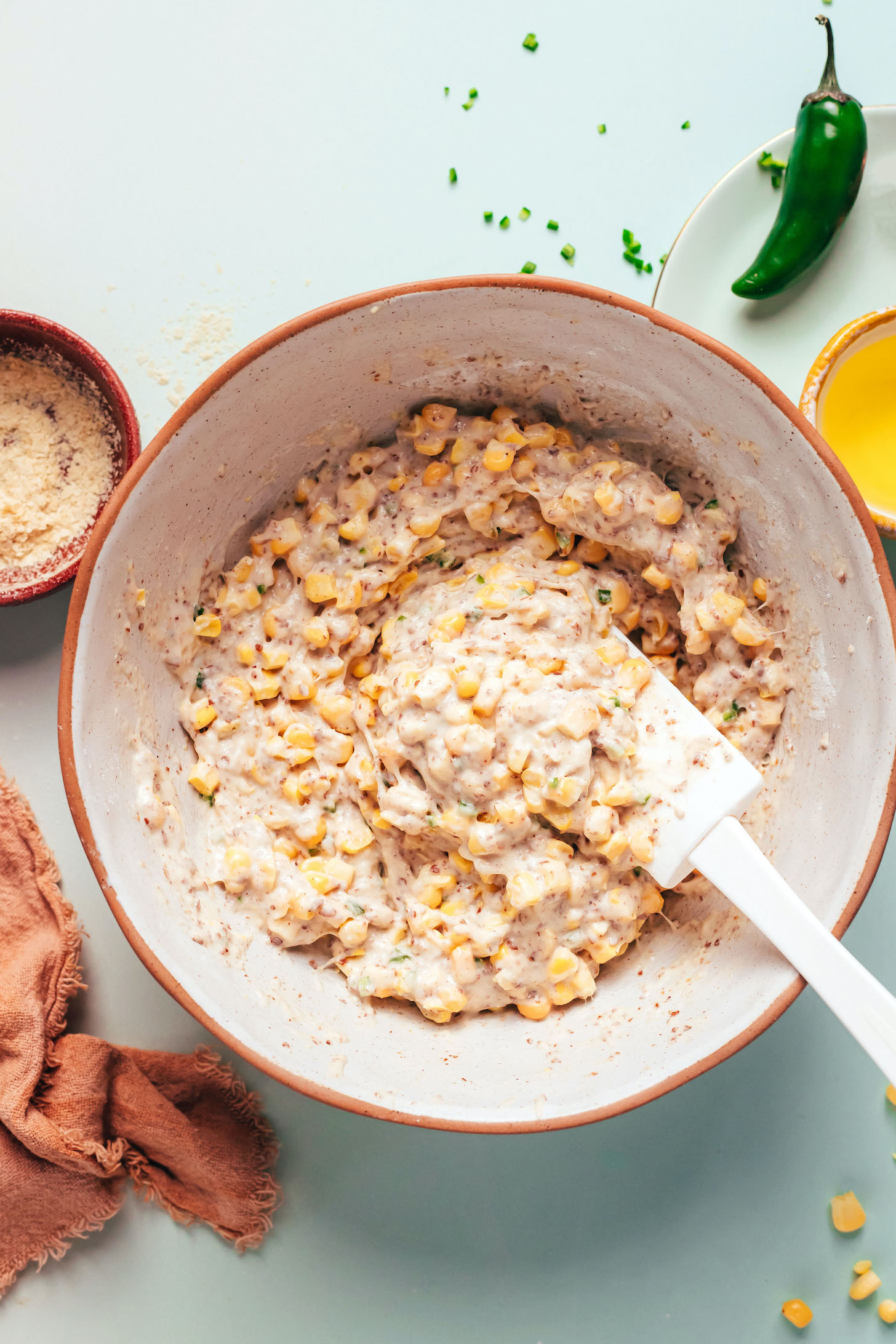
- Batter Creation: Combining dry ingredients (flour, baking powder, spices) with the liquid binder.
- Incorporation: Folding in the corn and jalapeños to ensure even distribution.
- Thermal Processing: Shallow frying at a consistent heat, turning once to ensure both sides achieve a uniform golden color.
Nutritional Implications
From a nutritional perspective, these fritters offer a profile distinct from their wheat-and-egg-based predecessors. A single serving contains approximately 103 calories, with a moderate carbohydrate load and minimal saturated fat. Because they utilize plant-based starches and fiber-rich flaxseeds, the glycemic impact is generally considered more favorable than traditional fried doughs. The lack of cholesterol—as all ingredients are plant-derived—further positions this recipe as a heart-healthy alternative for appetizers and side dishes.
Broader Impact on Home Cooking Trends
The success of this recipe in contemporary home kitchens underscores a shift in how the average consumer perceives "vegan" cooking. It is no longer viewed as a restricted or difficult endeavor, but rather as an exercise in chemistry and ingredient substitution. The fact that these fritters can be prepared in a single bowl in less than half an hour speaks to the growing preference for "low-friction" cooking methods that prioritize efficiency without compromising the culinary experience.
Industry experts have noted that the "minimalist" approach to recipe development—which focuses on using ten or fewer high-impact ingredients—has gained significant traction in recent years. This minimalist ethos aligns with the broader consumer desire for transparency and simplicity in food sourcing, as well as the necessity for budget-friendly meals in an inflationary economic climate.
Comparative Analysis of Preparation Methods
While the provided recipe focuses on pan-frying, there has been increasing interest in alternative preparation methods, such as air-frying. While air-frying may further reduce the calorie count, the traditional shallow-fry method in a cast-iron skillet remains the gold standard for achieving the specific texture that defines a "fritter."
Data regarding the shelf life and storage of these items suggests that while they are best consumed fresh, they can be maintained for up to two days. Experiments with freezing the batter prior to cooking have yielded promising results, suggesting that this dish could be scaled for meal preparation, a significant factor for families looking to incorporate more vegetables into their weekly routines.
Expert Reaction and Future Outlook
Nutritionists and food scientists have frequently pointed to the use of corn as a versatile base for plant-based appetizers. Corn is not only an abundant, cost-effective commodity, but it also provides a recognizable flavor profile that appeals to a wide demographic, including those who are otherwise hesitant to try plant-based or "meatless" alternatives.
By framing these fritters as a "summertime side," the creators have tapped into the seasonal nature of produce, which has historically been the cornerstone of sustainable eating. As more households move toward incorporating these types of dishes into their regular rotation, it is expected that the demand for high-quality, gluten-free, and vegan-friendly flour blends will continue to rise.
Conclusion: A Shift in the Modern Menu
The emergence of accessible, high-quality plant-based recipes like these jalapeño corn fritters serves as a microcosm for the larger transformation of the food industry. By successfully synthesizing traditional techniques with modern, ingredient-conscious alternatives, the recipe satisfies both the craving for indulgent, crispy comfort food and the practical need for sustainable, healthy consumption.
As the culinary landscape continues to evolve, the ability to adapt classic dishes will remain a critical skill for both professional chefs and home cooks. The simplicity of this approach—one bowl, ten ingredients, and thirty minutes—provides a scalable model for future recipe development, ensuring that the movement toward inclusive, plant-forward eating remains both delicious and firmly rooted in the everyday kitchen. Whether served as a standalone appetizer with a cashew-based dipping sauce or as a component of a larger BBQ-themed meal, the versatility of the corn fritter ensures its place in the modern pantry for years to come.
