
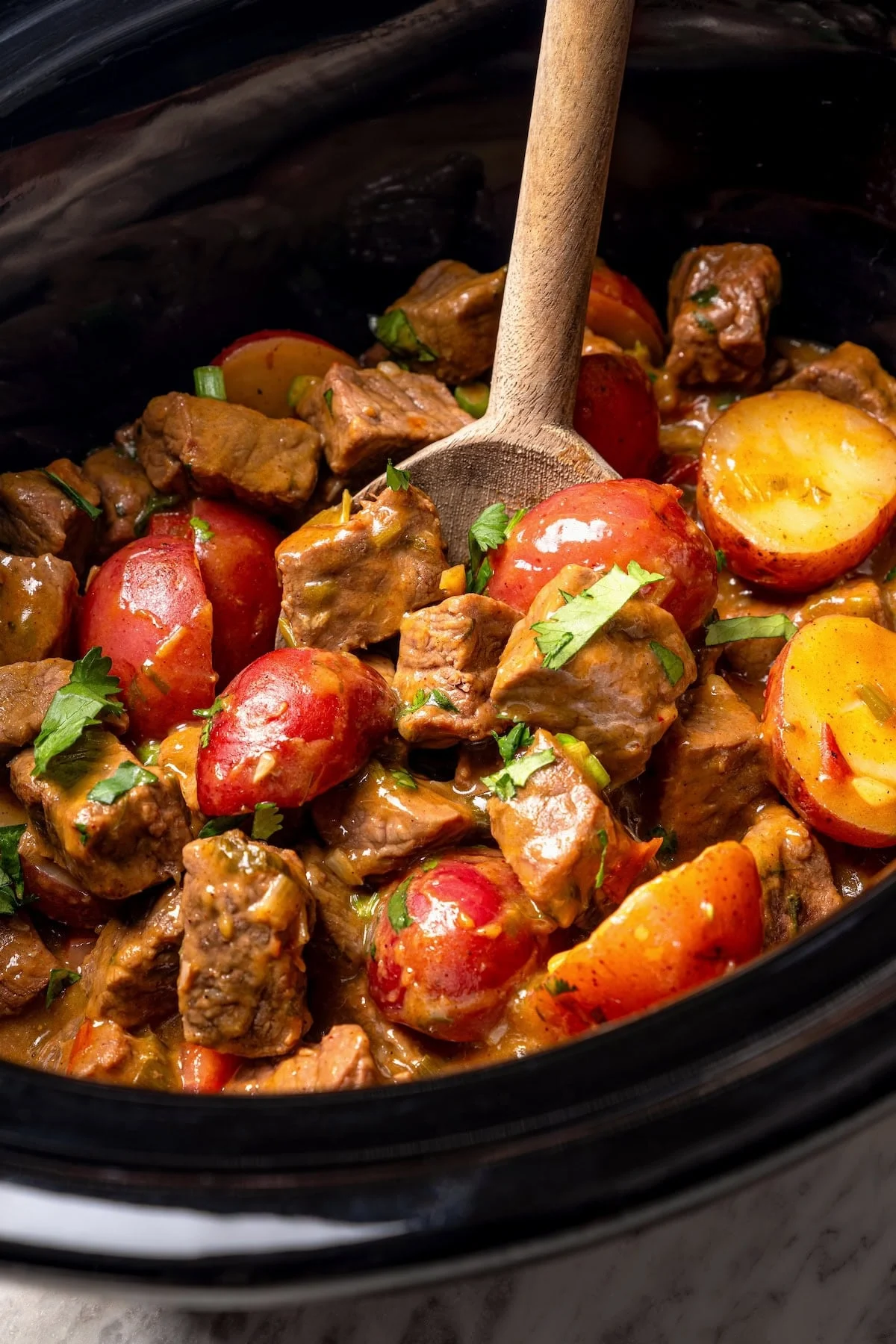
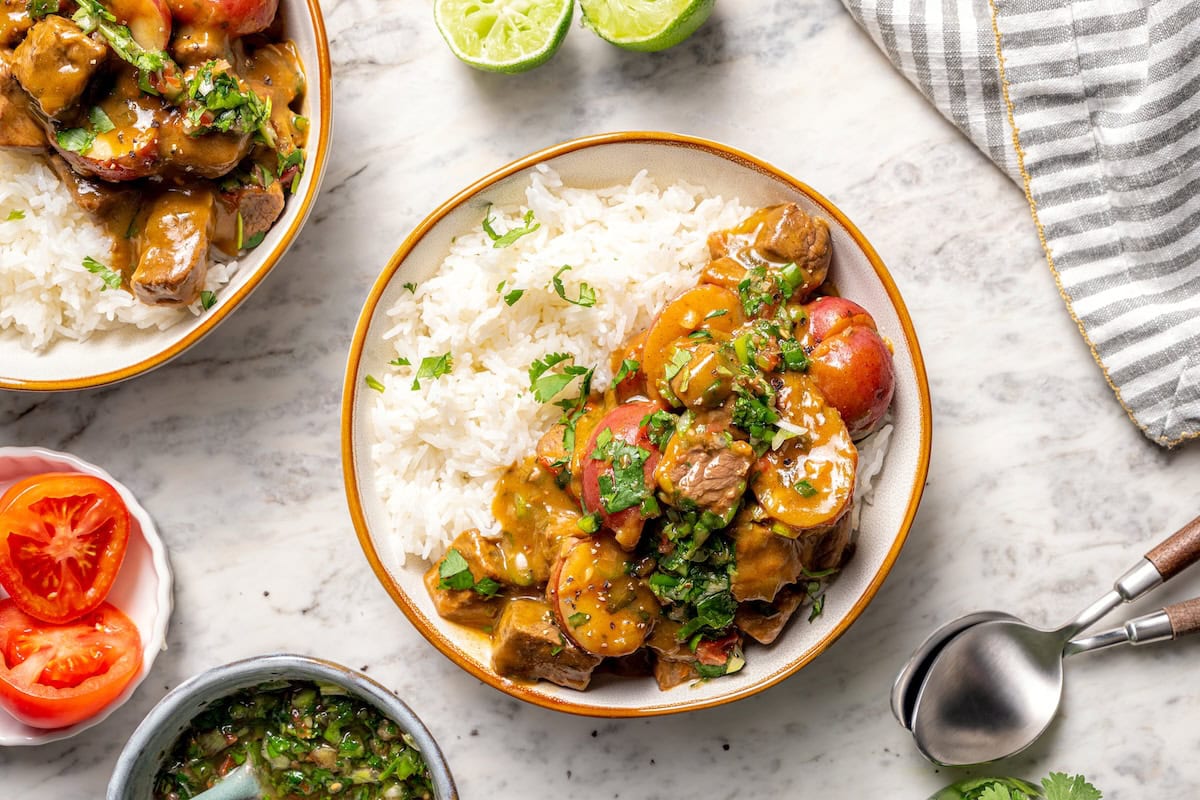
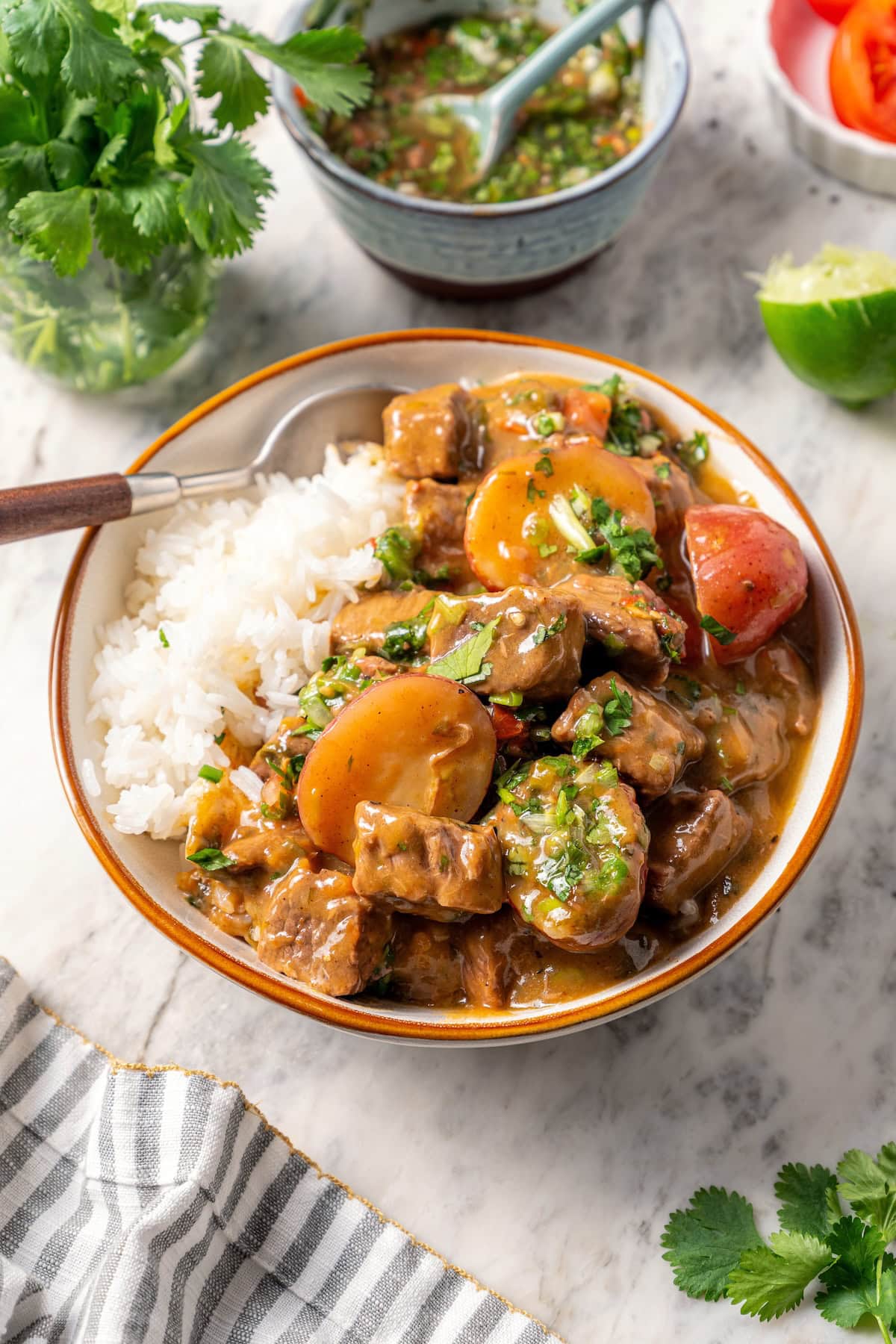
The traditional preparation of Colombian carne guisada has long served as a hallmark of domestic comfort, representing a culinary tradition rooted in the slow-simmering techniques of Latin American kitchens. Traditionally executed on a stovetop, this hearty beef stew—characterized by tender chunks of protein, baby potatoes, and a robust tomato-based sauce—has recently undergone a systematic transition into the realm of modern, high-efficiency kitchen technology. By adapting the traditional recipe for the slow cooker, or "crock pot," home cooks and culinary professionals alike have managed to preserve the dish’s integrity while significantly reducing the active labor required for its preparation.
Historical Context and Culinary Significance
Carne guisada is more than a simple stew; it is a cultural staple within Colombian households, mirroring the broader Latin American approach to "comida de olla," or "pot food." Historically, these stews were designed to tenderize tougher, more affordable cuts of beef through long periods of low-heat moisture exposure. The process allows the connective tissues in the meat to break down gradually, resulting in a succulent texture that is difficult to achieve through faster cooking methods.
For generations, the "sofrito"—a foundational aromatic base consisting of onions, garlic, peppers, and tomatoes—has acted as the flavor engine for this dish. In the traditional stovetop method, this base is sautéed in a heavy-bottomed pot before the beef is browned and the liquid is added. This layering of flavors is essential to the dish’s profile. The transition to the slow cooker format represents a contemporary shift toward convenience-oriented cooking without sacrificing the depth of flavor associated with the original technique.
The Methodology of Modern Adaptation
The adaptation of the traditional recipe for a slow cooker involves a dual-phase cooking process to maintain professional-grade results. While the slow cooker is capable of braising meat over several hours, culinary experts advise that the initial searing of the beef and the preparation of the aromatic base should still occur on the stovetop. This step triggers the Maillard reaction, a chemical reaction between amino acids and reducing sugars that gives browned food its distinctive flavor.
According to standard food preparation guidelines, searing the beef in a hot pan before transferring it to the slow cooker ensures that the exterior develops a savory crust. Once transferred, the slow cooker operates on a low-temperature cycle, typically ranging between 190°F and 210°F. This consistent, indirect heat mimics the traditional stovetop simmer, allowing the beef to reach an internal temperature that renders the fat and softens the muscle fibers without boiling the liquid, which can sometimes lead to a tougher texture.

Chronology of the Cooking Process
The preparation of modern carne guisada follows a structured timeline designed for both safety and flavor optimization.
- Phase One: Preparation and Searing (0–20 Minutes): The cook begins by dredging beef chunks in seasonings and searing them in a pan. This step is critical for building the foundation of the sauce.
- Phase Two: The Aromatic Base (20–30 Minutes): Following the beef, the onions, garlic, and tomatoes are sautéed in the rendered fat. This allows the acidity of the tomatoes to deglaze the pan, incorporating the browned bits (fond) from the beef into the sauce.
- Phase Three: The Slow Cook (6 Hours): The ingredients are combined in the slow cooker with the baby potatoes and broth. During this period, the starch from the potatoes begins to release, naturally thickening the sauce and creating a velvety mouthfeel.
- Phase Four: Resting (10 Minutes): Once the cycle is complete, the dish is allowed to rest. Resting allows the juices to redistribute throughout the meat, ensuring that every bite remains moist.
Nutritional Profile and Dietary Implications
From a nutritional standpoint, the adapted carne guisada is a high-protein, moderate-fat meal. A typical serving, defined as approximately one generous cup, provides roughly 38 grams of protein and 346 calories. The inclusion of potatoes adds complex carbohydrates and fiber, which aid in satiety.

The sodium content, which averages around 340 mg per serving, is relatively controlled compared to commercial canned stews, which often exceed 800 mg per serving. Because the home-cooked version relies on fresh herbs and the natural juices of the vegetables for flavor, the reliance on high-sodium additives is minimized. This makes the dish a viable option for individuals monitoring their intake of processed ingredients.
Industry Trends in Slow Cooking
The rise in popularity of slow cooker recipes, such as this modified carne guisada, corresponds with a broader trend in the food industry toward "hands-off" meal preparation. As consumers face increasingly busy schedules, the demand for appliances that facilitate "set-it-and-forget-it" cooking has surged. Market data indicates that slow cooker sales and interest in slow-cooker-compatible recipes have remained consistent over the last decade, even as newer technologies like air fryers and pressure cookers (Instant Pots) have gained market share.
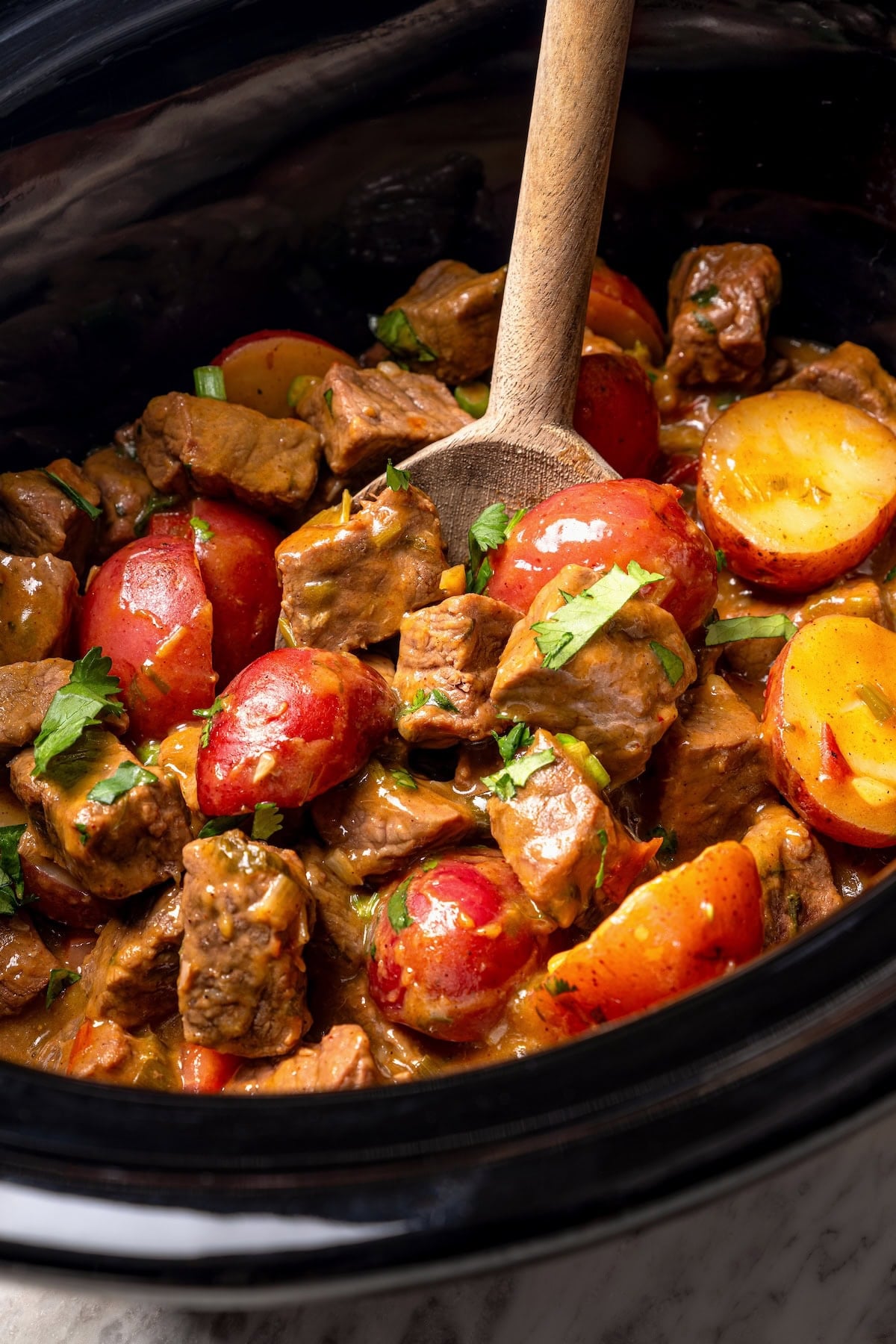
The longevity of the slow cooker is attributed to its unique ability to handle long-duration braising, which is fundamentally different from the high-pressure environment of a pressure cooker. For dishes like carne guisada, where the goal is the slow breakdown of collagen into gelatin, the slow cooker remains the preferred tool for achieving a specific, traditional consistency.
Broader Economic and Domestic Impact
The democratization of traditional recipes like Colombian carne guisada via digital platforms has significant implications for domestic food culture. By providing accessible, step-by-step instructions for historically complex dishes, these digital resources act as a bridge between generations. Younger cooks who may not have been taught these techniques by family members can now access the same methodologies that defined their heritage.

Furthermore, the emphasis on budget-friendly cuts of meat—which require long cooking times—supports the economic viability of home cooking. As food inflation impacts grocery store prices, the ability to transform affordable protein sources into high-quality, flavorful meals becomes an essential skill for household budget management. The shift toward utilizing slow cookers for these traditional recipes highlights a wider societal trend of balancing the desire for high-quality, authentic food with the practical constraints of modern life.
Conclusion: A Synthesis of Tradition and Technology
The evolution of carne guisada from the stovetop to the slow cooker does not represent a departure from tradition, but rather an expansion of its accessibility. By retaining the core components of the recipe—the searing, the aromatic base, and the slow, consistent heat—the essence of the dish remains unchanged. The availability of precise nutritional data and streamlined, professional-grade methodologies ensures that home cooks can achieve consistent results that honor the history of the dish while benefiting from the efficiency of modern kitchen appliances. This balance of culinary history and practical innovation continues to define the way modern households approach the art of the meal.
