
The Evolution of Modern Domestic Cooking Efficiency
The Attention Span Casserole arrives at a time when the "convenience cooking" sector is undergoing a significant transformation. Traditionally, casseroles were synonymous with oven-baked dishes requiring layered assembly and extended baking times. However, the integration of programmable pressure cookers, such as the Instant Pot, has shifted the paradigm toward one-pot solutions that bypass the need for constant monitoring. The naming convention of this dish—referencing the "attention span"—is a direct nod to the contemporary consumer’s desire for recipes that do not require complex multitasking or long-term engagement in the kitchen.
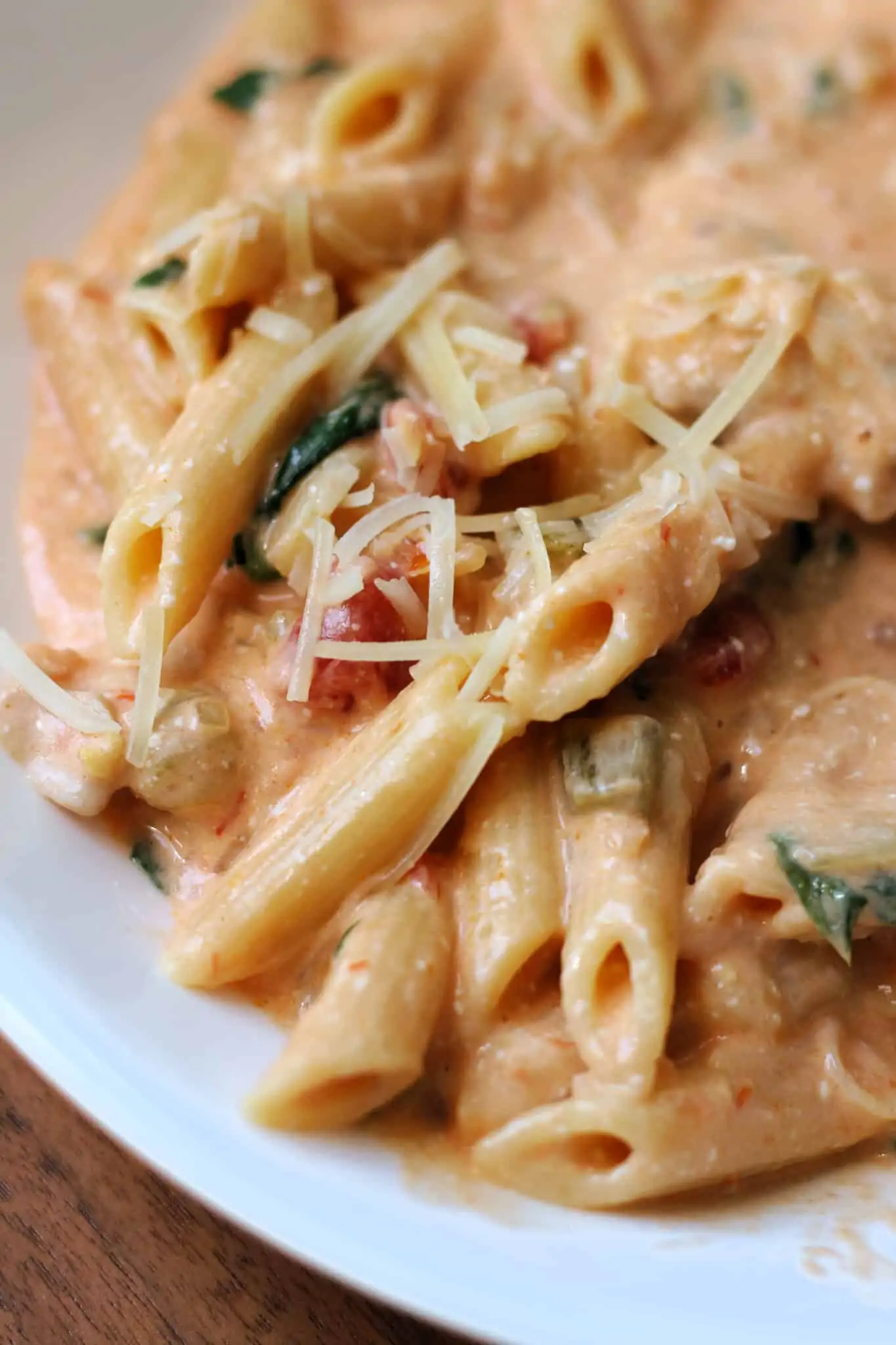
Culinary experts note that the reliance on salsa as a primary flavoring agent is a strategic choice. Salsa serves as a pre-homogenized blend of tomatoes, onions, peppers, and various spices (such as cumin and garlic), effectively replacing the need for an extensive spice rack. By utilizing these pre-processed but fresh-tasting components, the recipe minimizes the risk of seasoning errors while ensuring a consistent result. This "utility cooking" approach is increasingly favored by demographic groups ranging from busy working parents to college students and individuals with neurodivergent traits who may find traditional, multi-step recipes overwhelming.
Technical Composition and Nutritional Framework
The architecture of the Attention Span Casserole is built upon a foundation of lean protein and complex carbohydrates, balanced by high-fat dairy components that facilitate a creamy texture. The primary ingredients are as follows:
- Protein: Boneless, skinless chicken breasts or thighs, which provide a neutral base that absorbs the acidity and heat of the salsa.
- Carbohydrate: Penne pasta, chosen for its structural integrity under pressure. Its hollow center (the "pen") allows for the capture of the sauce, ensuring flavor delivery in every bite.
- Liquid Base: Chicken broth or water, essential for the steam generation required to reach pressure in a multi-cooker.
- Emulsifiers and Flavor: A combination of chunky salsa and cream cheese. The cream cheese acts as an emulsifying agent, thickening the liquid into a rich sauce as it melts into the salsa and broth.
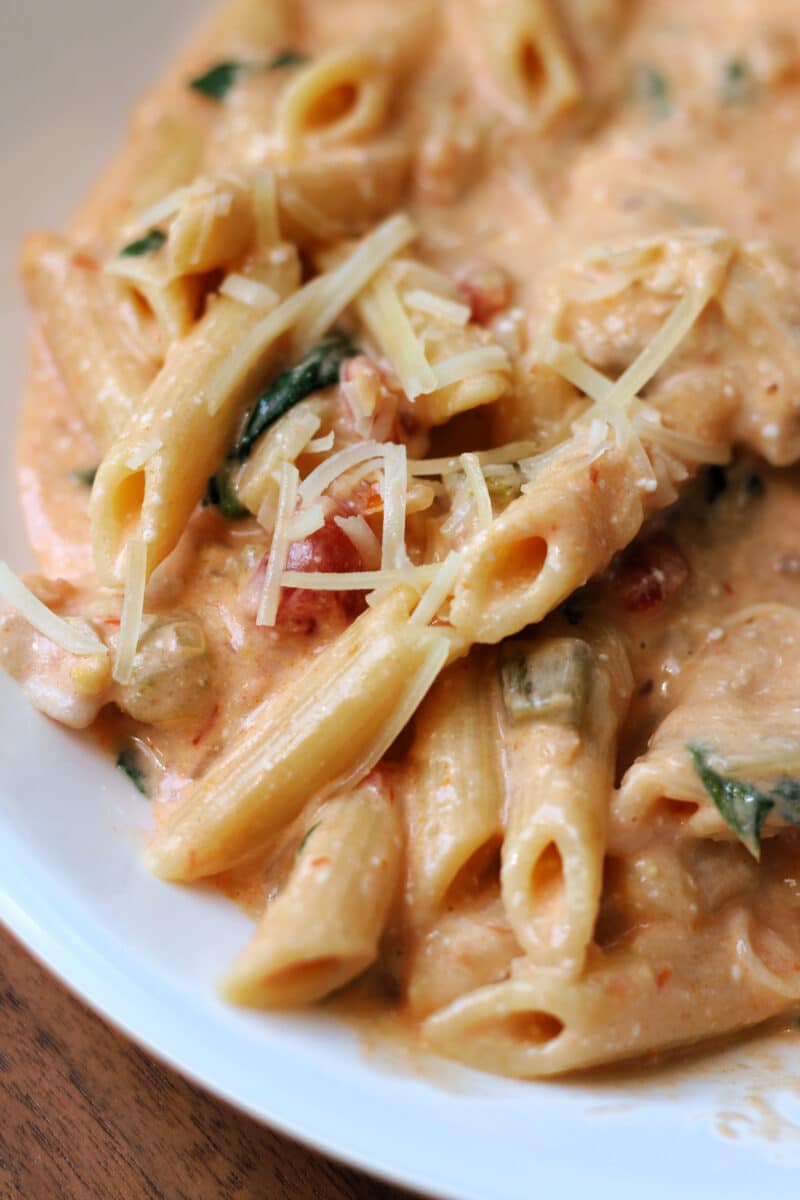
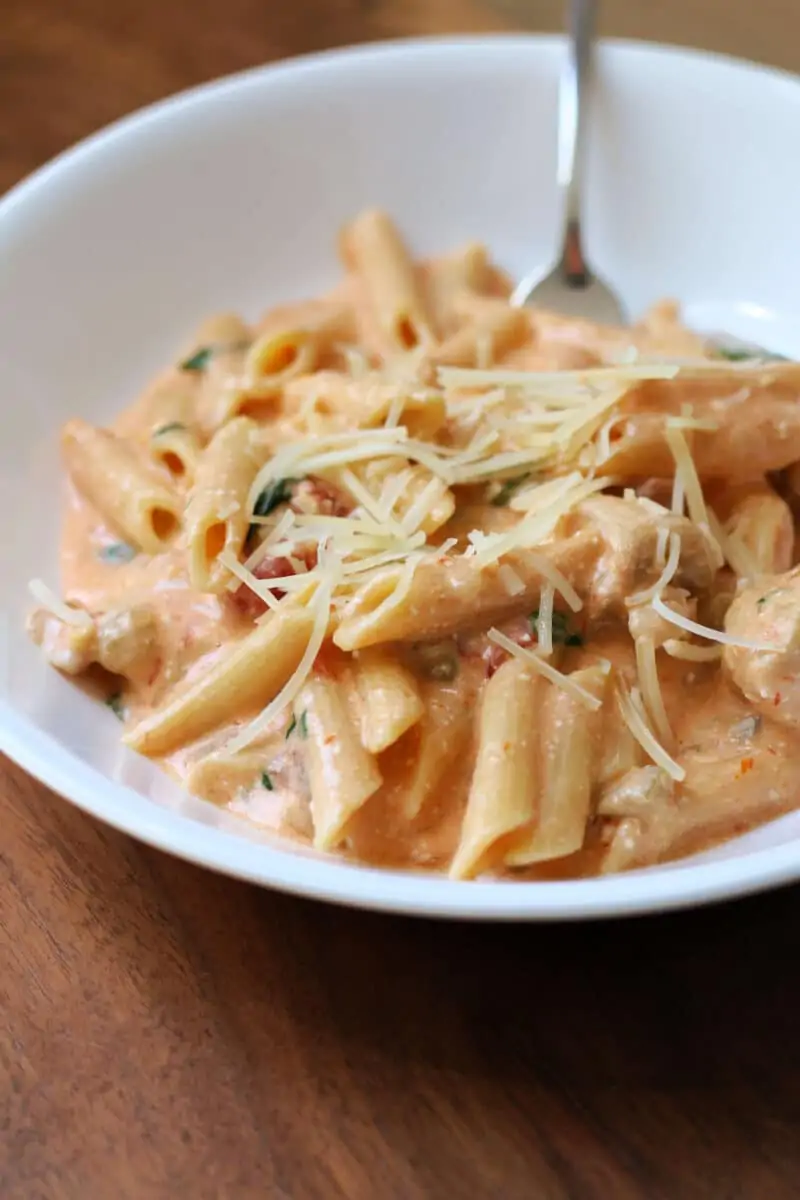
- Finish: Shredded mozzarella cheese and fresh spinach, added post-cooking to provide visual contrast, nutritional density, and a "melty" finish.
From a nutritional perspective, the dish offers a balance of macronutrients, though it is notably calorie-dense due to the cream cheese and mozzarella. Analysts suggest that the inclusion of spinach at the end of the process is a common tactic to increase micronutrient intake without compromising the "comfort food" appeal of the dish.
The Chronological Mechanics of Pressure-Based Preparation
The preparation of the Attention Span Casserole follows a strict technical timeline designed to optimize the mechanical properties of the Instant Pot. The process is divided into four distinct phases:
Phase I: Assembly and Loading
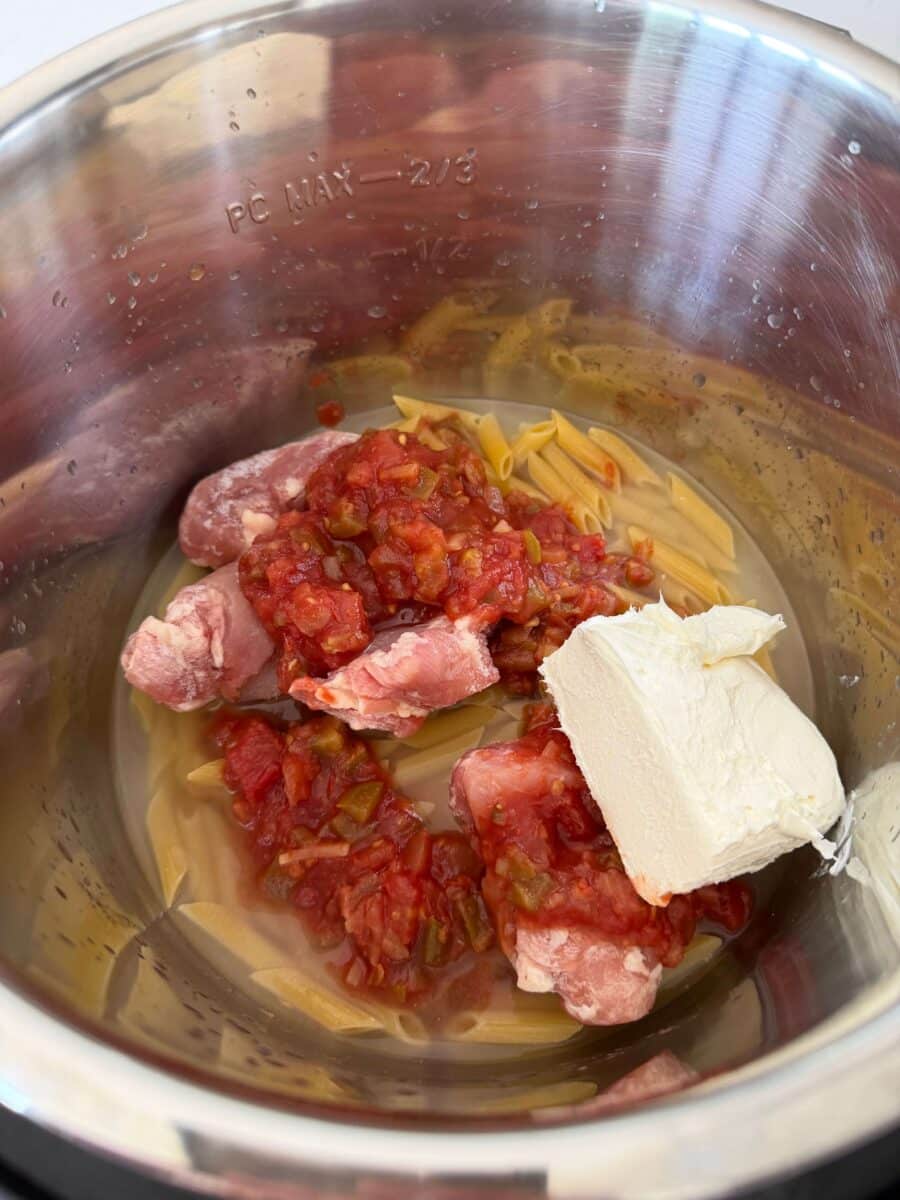
The preparer begins by pouring chicken broth into the inner pot, followed by a layer of dry penne. Crucially, the recipe dictates that the chicken, salsa, and cream cheese are placed on top of the pasta. This layering is vital in pressure cooking to prevent the "burn" notice, as the liquids must remain at the bottom to generate steam, while the thicker sauces (like salsa and cream cheese) remain on top until the stirring phase.
Phase II: Pressurization and Active Cooking
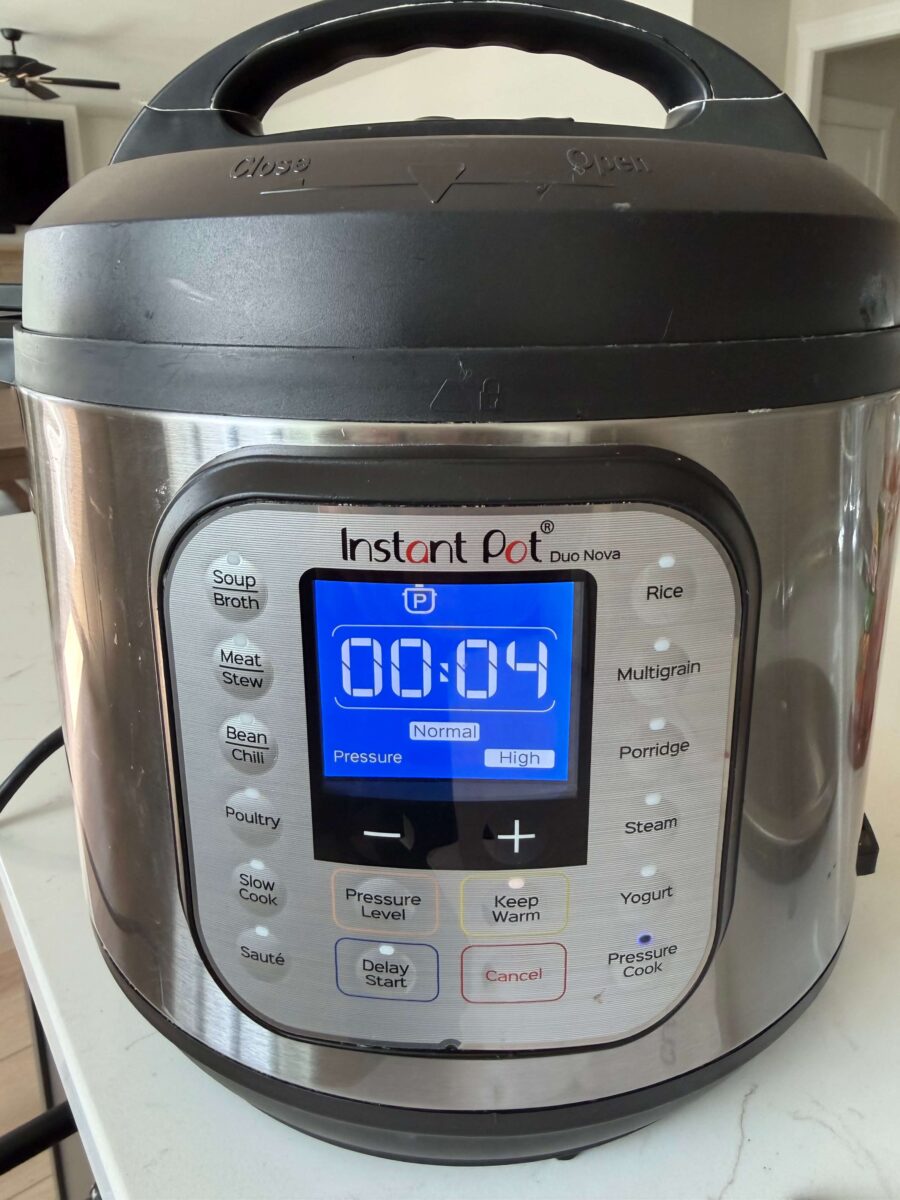
Once the lid is secured and the steam release valve is set to the "sealing" position, the device is programmed for four minutes of high-pressure cooking. It is important to note that the total time elapsed includes the "coming to pressure" period, which typically lasts 10 to 15 minutes depending on the volume of the ingredients and their starting temperature.
Phase III: Natural Pressure Release (NPR)
Following the completion of the four-minute cycle, the unit is left undisturbed for 10 minutes. This "Natural Pressure Release" phase is essential for two reasons: it allows the pasta to finish hydrating without becoming mushy, and it ensures the chicken remains tender by preventing a sudden drop in temperature that could cause the muscle fibers to seize.
Phase IV: Integration and Finishing
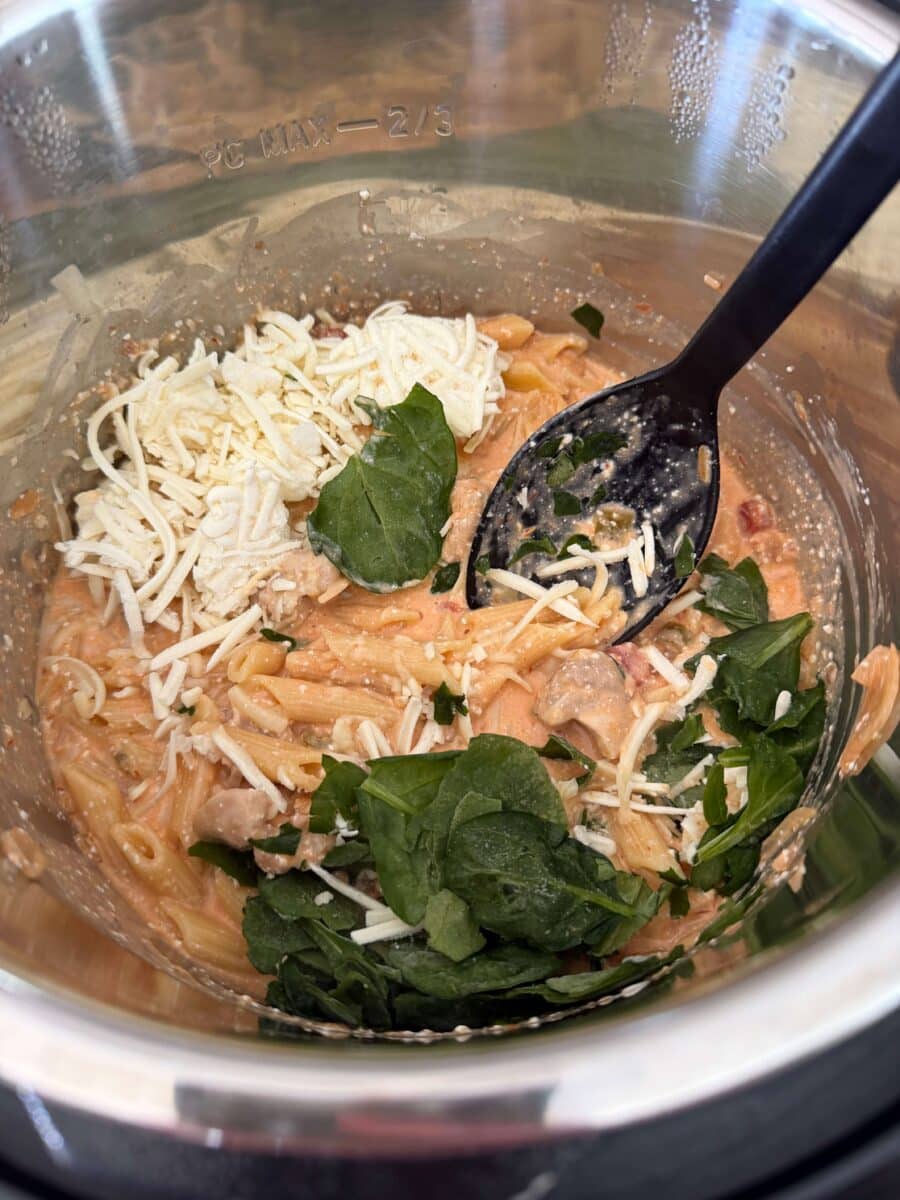
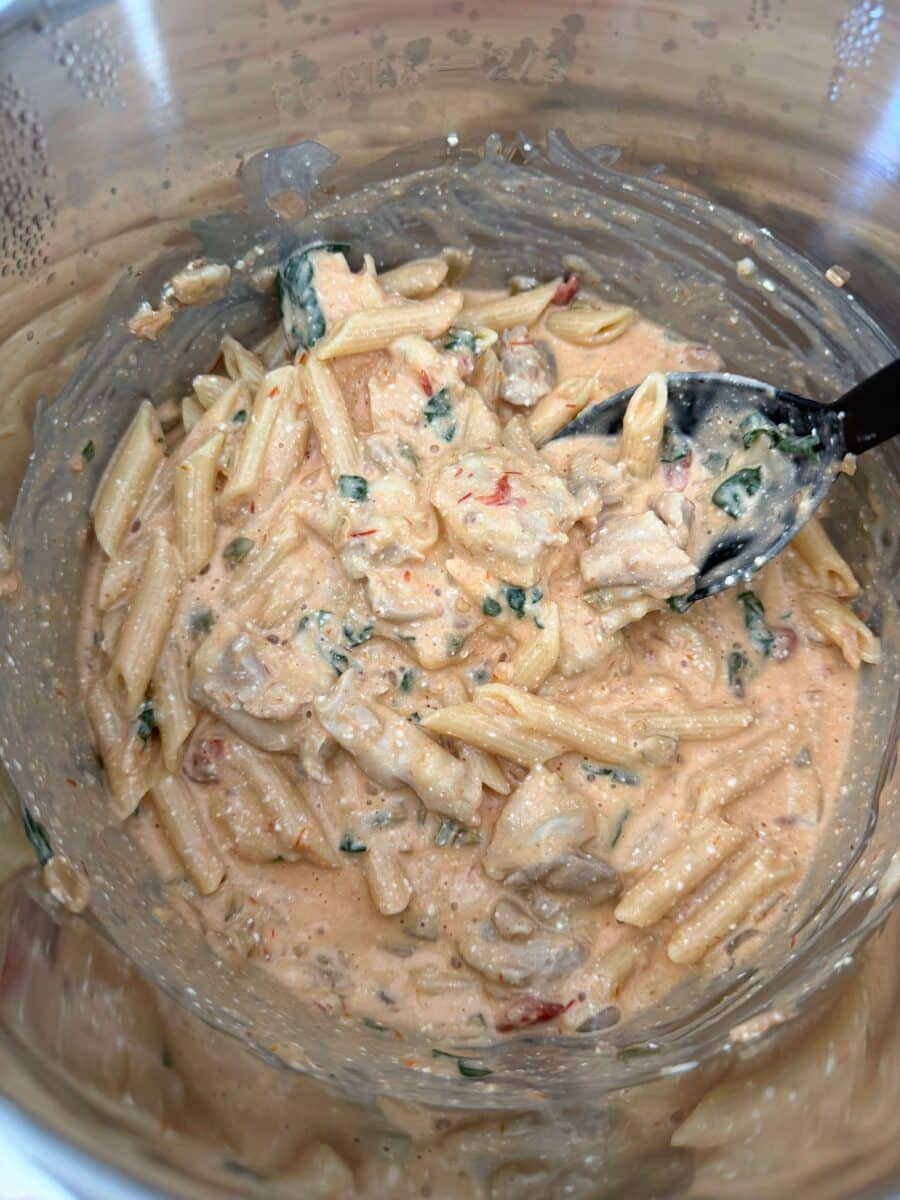
After the remaining steam is manually vented, the lid is removed. The cream cheese and salsa, which have softened during the cycle, are stirred into the pasta and chicken. The final step involves folding in fresh spinach and mozzarella, which wilt and melt respectively from the residual heat of the dish.
Market Trends: The Dominance of the Multi-Cooker
The rise of recipes like the Attention Span Casserole is supported by robust market data regarding the multi-cooker industry. According to market research reports, the global multi-cooker market was valued at approximately $720 million in 2020 and is projected to grow at a compound annual growth rate (CAGR) of over 6% through 2027. This growth is driven by the increasing number of single-person households and the rising demand for energy-efficient kitchen appliances.
The Instant Pot, specifically, became a cultural phenomenon due to its ability to consolidate several appliances—pressure cooker, slow cooker, rice cooker, and steamer—into one. This consolidation aligns with the "Attention Span" philosophy of reducing the number of variables the home cook must manage. Furthermore, the "dump-and-go" category of recipes has become one of the most searched terms on food blogs and social media platforms, indicating a shift away from aspirational, labor-intensive cooking toward functional, time-saving solutions.
Psychological Implications of ‘Dump-and-Go’ Culinary Culture
Sociologists and behavioral analysts have noted that the naming of the Attention Span Casserole reflects a growing awareness of "decision fatigue" in modern life. By marketing a dish specifically for those with short attention spans, content creators are tapping into a demographic that feels underserved by traditional culinary media.
"The modern consumer is inundated with choices and information," says one food industry analyst. "A recipe that explicitly promises success with minimal focus is not just a meal; it is a form of stress reduction. It removes the fear of failure that often prevents people from cooking at home."
This psychological ease-of-use is reinforced by the "one-pot" nature of the dish, which significantly reduces the post-meal labor of cleaning. In a journalistic survey of home cooks, the reduction in cleanup time was cited as a primary factor in the repeated preparation of Instant Pot casseroles.
Broader Impact and Comparative Culinary Benchmarks
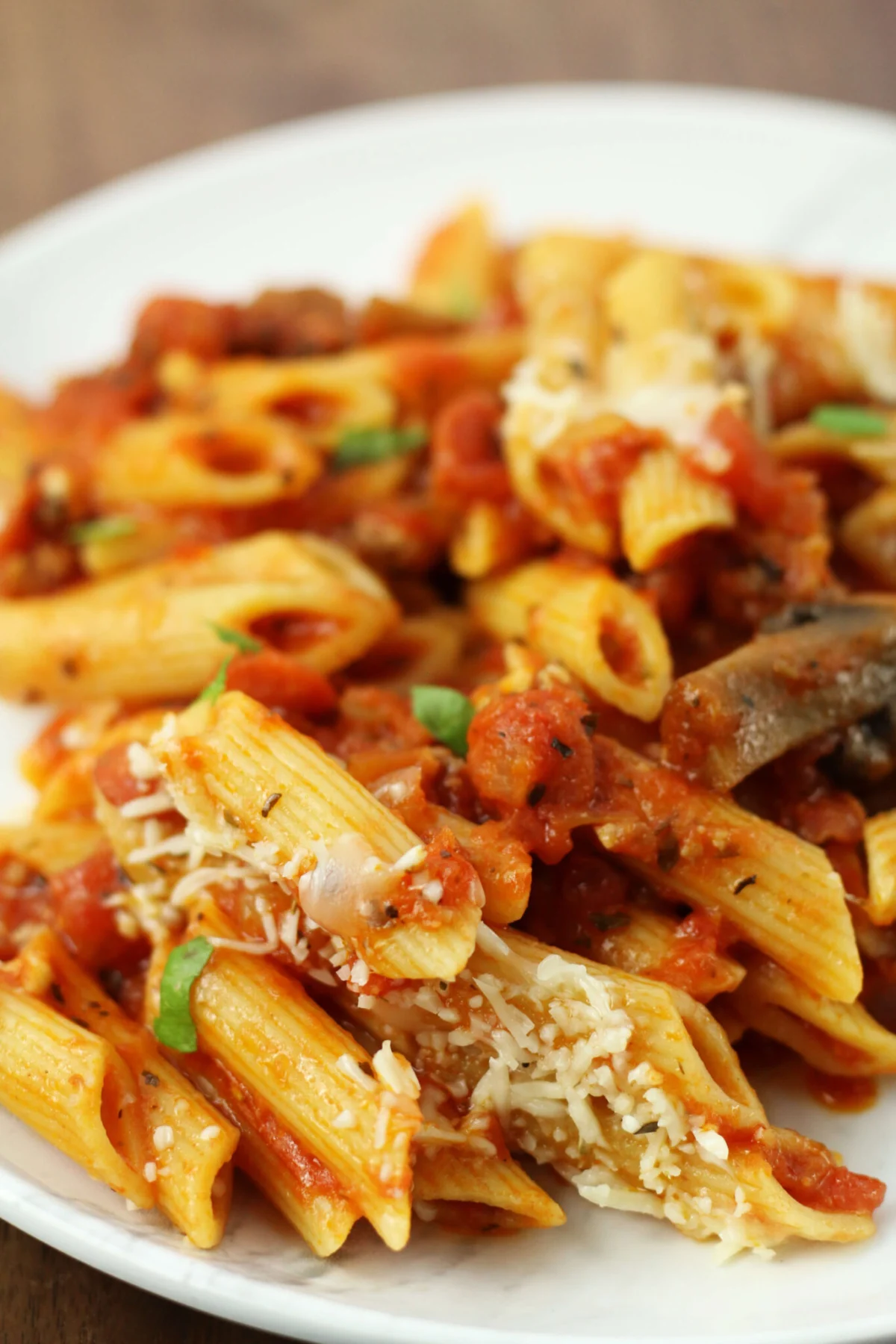
The Attention Span Casserole does not exist in a vacuum; it is part of a broader lineage of Instant Pot pasta dishes that prioritize speed and flavor. Comparative recipes include the "Minneapolis Miracle Casserole," which utilizes bacon and ranch seasoning, and "Susan’s Casserole," which incorporates pepperoni and mushrooms for a pizza-inspired flavor profile.
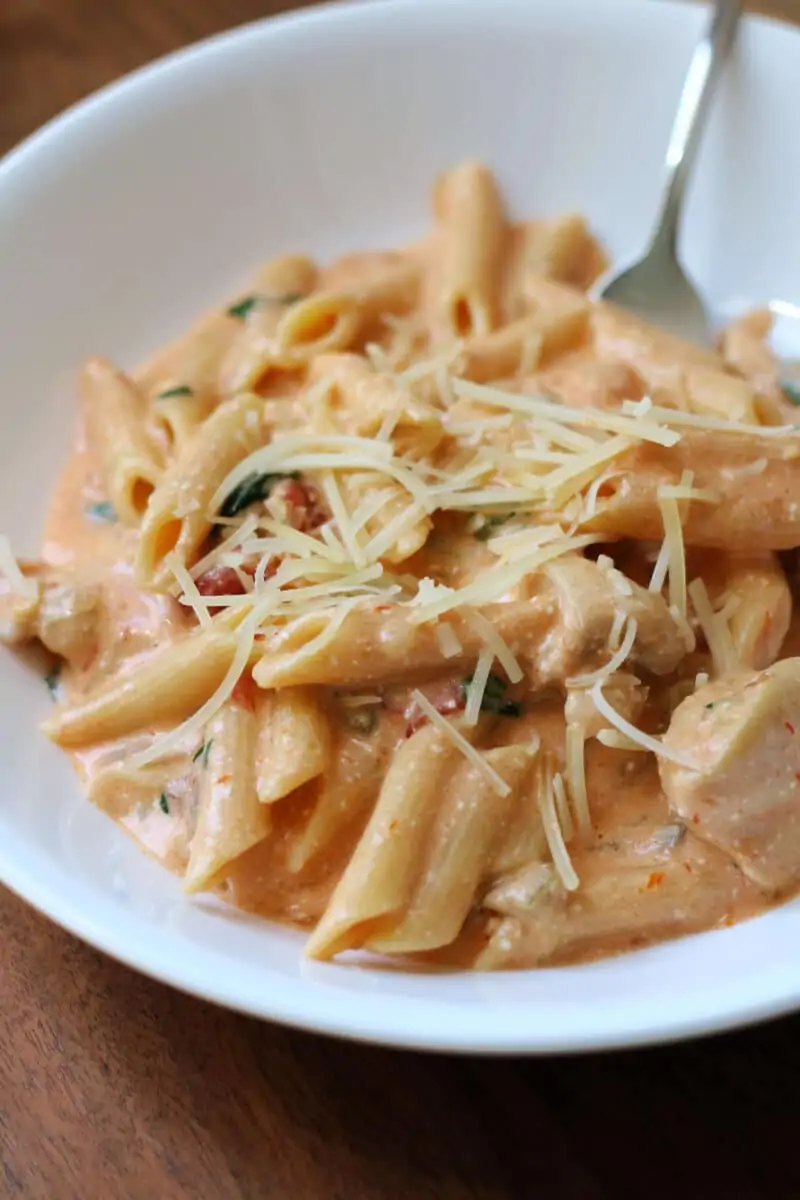
These variations demonstrate the versatility of the penne-and-broth base. By swapping the salsa for Alfredo sauce, marinara, or pesto, the home cook can produce a wide array of flavor profiles using the exact same mechanical process. This "template cooking" allows for culinary variety without the need to learn new techniques, further supporting the efficiency-first mindset.
The implications for the food industry are significant. Grocery retailers have observed an uptick in the sales of "recipe bundles"—where ingredients for popular dump-and-go meals are positioned together in-store or in digital carts. Additionally, the success of such recipes has influenced the product development of pre-cut meats and specialized "cooking salsas" designed specifically for use in high-pressure environments.

Conclusion
The Attention Span Casserole serves as a definitive case study in the intersection of technology, psychology, and nutrition. While it may lack the complexity of haute cuisine, its value lies in its accessibility and its response to the real-world constraints of the contemporary workforce. By reducing the cooking process to a series of simple, high-impact steps, it ensures that even the most distracted or time-poor individuals can produce a hot, nutritious, and flavorful meal. As the multi-cooker continues to evolve, it is likely that the "dump-and-go" philosophy will remain a cornerstone of domestic food preparation, reflecting a society that increasingly values time as its most precious commodity.
