
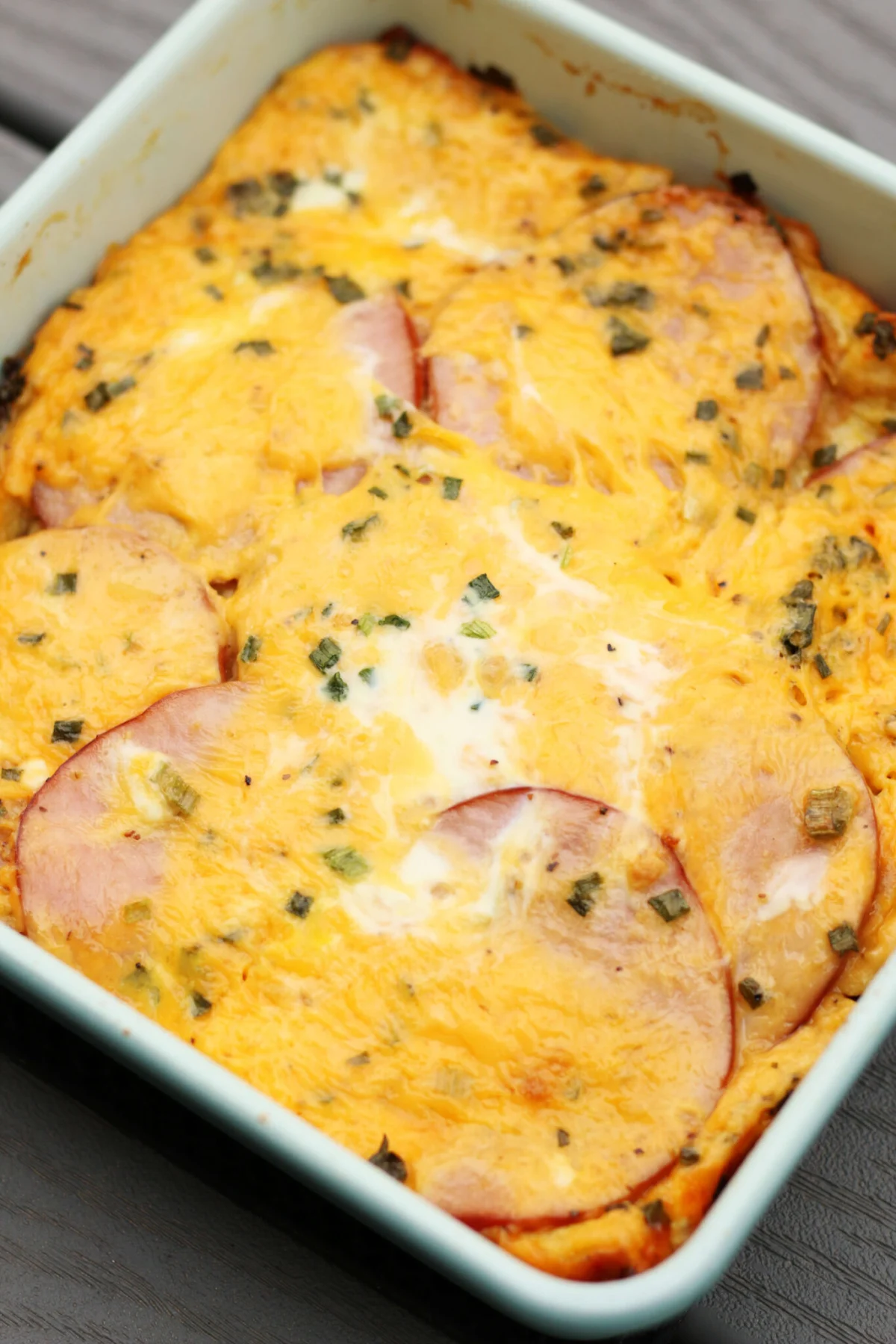
The emergence of versatile, high-protein breakfast solutions has transformed contemporary meal preparation, with the Mind-blowing Casserole—a dish integrating frozen hashbrowns, ham, eggs, and cheese—representing a significant trend in efficient domestic gastronomy. This culinary preparation, which utilizes either a slow cooker or a conventional oven, exemplifies the modern shift toward "set-and-forget" cooking methods that cater to the logistical demands of busy households and large-scale social gatherings such as brunches. By combining staple pantry items with frozen conveniences, the recipe addresses several consumer needs, including cost-effectiveness, nutritional density, and ease of execution.
Architectural Composition and Essential Ingredients
The structural integrity of the Mind-blowing Casserole relies on a tiered assembly of ingredients designed to maximize texture and flavor profile through slow-heat conduction. The foundational layer consists of frozen hashbrown potatoes, which provide the necessary carbohydrates and structural density to support the heavier protein components. Culinary analysts note that the choice of frozen potatoes is not merely one of convenience but also of consistency, as pre-processed hashbrowns maintain a specific moisture content that prevents the casserole from becoming excessively soggy during the extended cooking process required by a slow cooker.
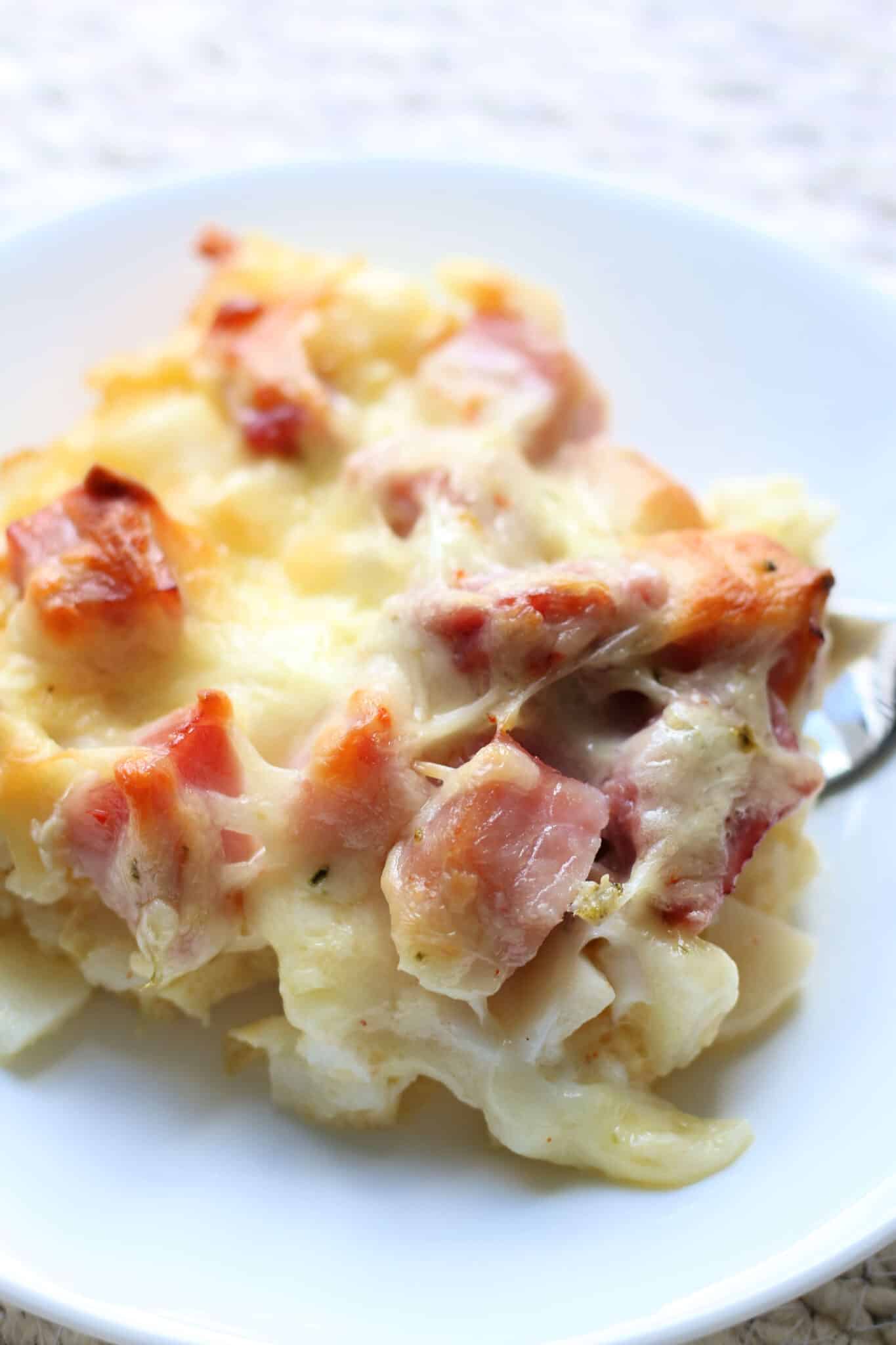
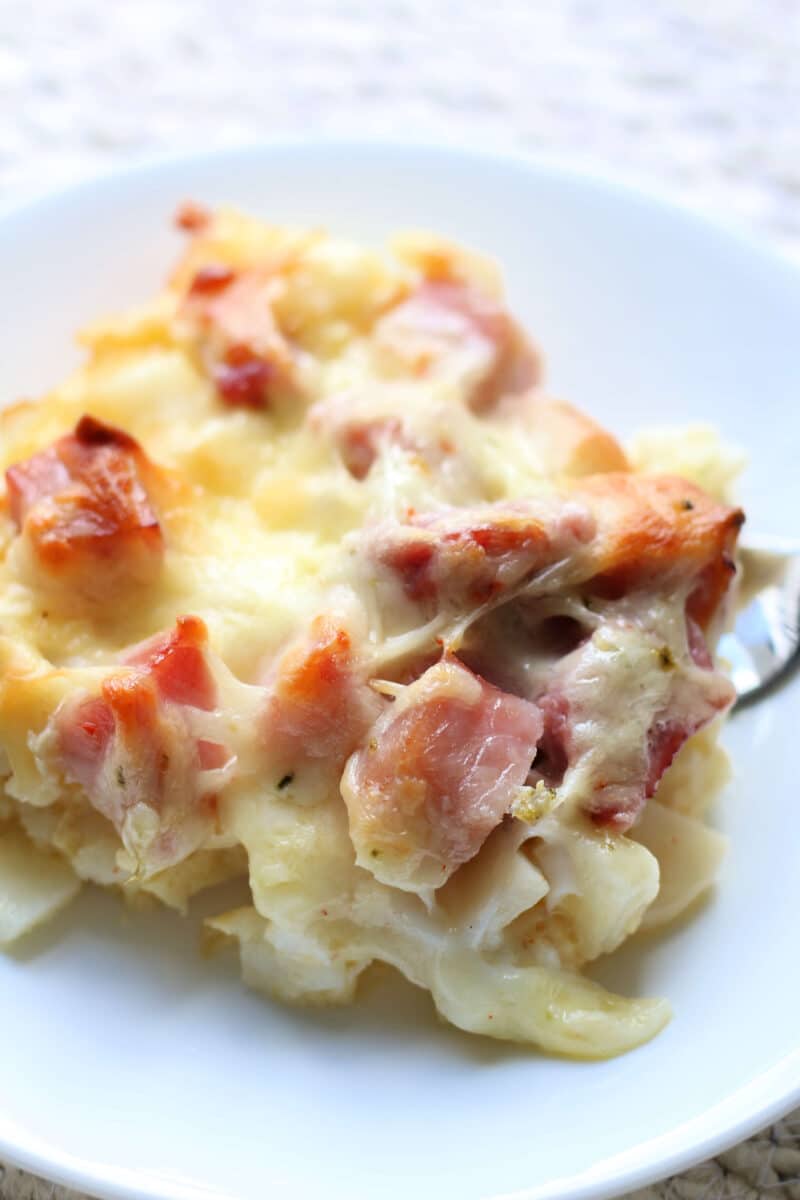
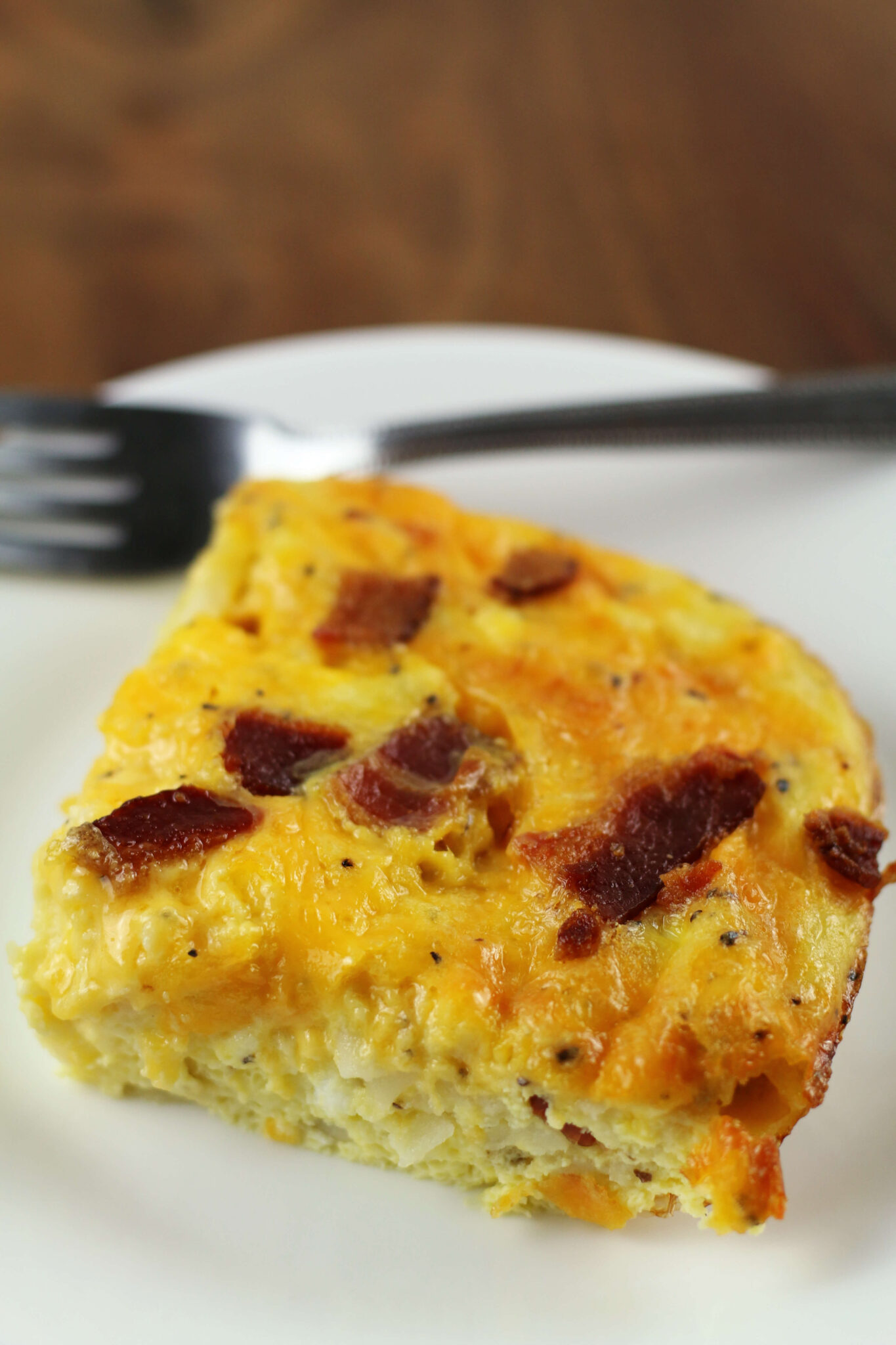
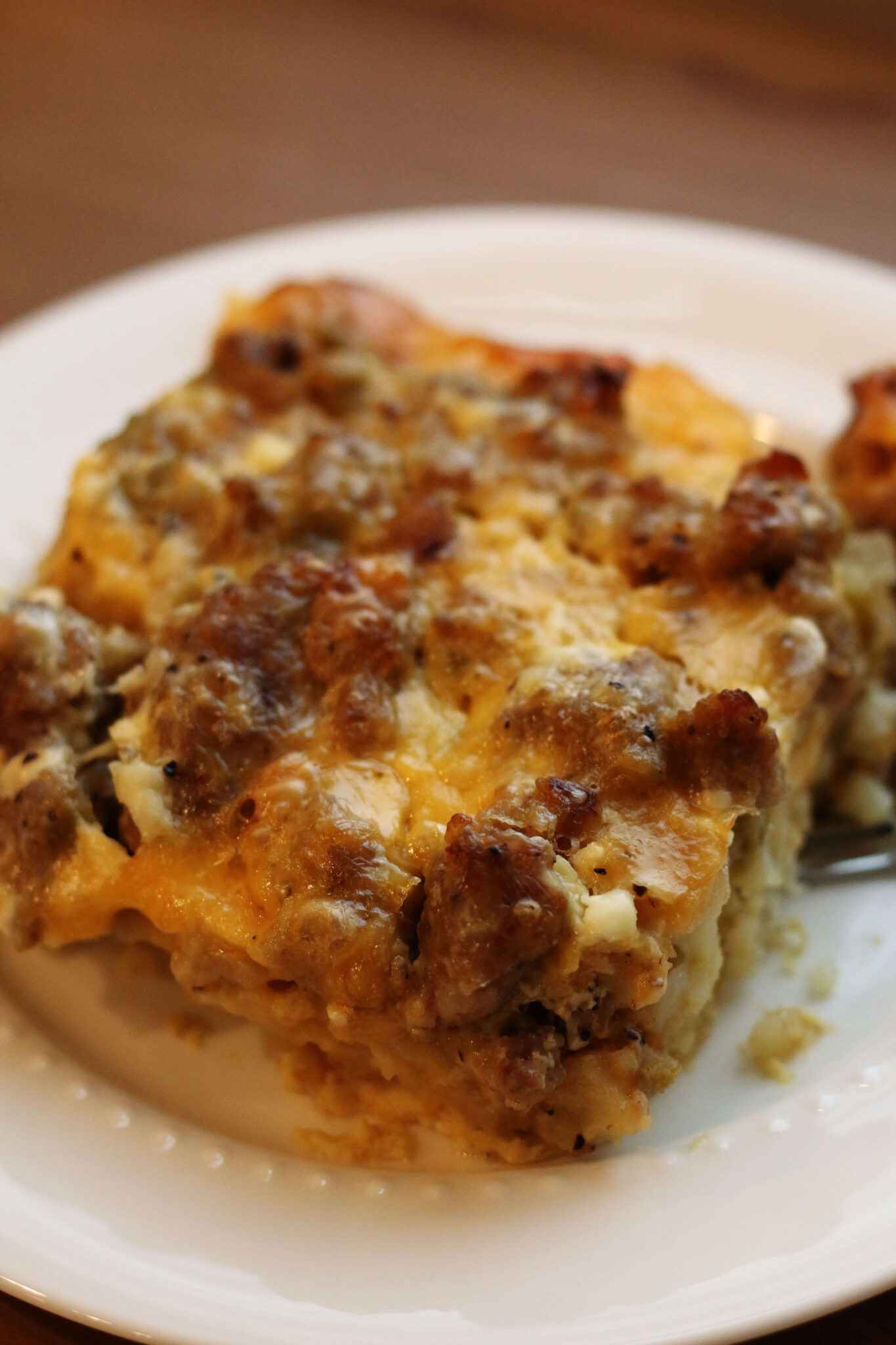
The liquid binding agent—a mixture of whisked eggs and milk seasoned with salt—serves as the custard-like matrix that envelops the potatoes. This component is critical for the "setting" of the dish, transforming disparate ingredients into a cohesive, sliceable unit. The addition of diced ham introduces a savory, salty element and significant protein, while a generous topping of shredded cheese provides a lipid-rich seal that melts into the crevices of the potato-egg mixture. Variations of the dish often include the substitution of ham with sausage or bacon, or the addition of vegetables such as bell peppers and onions to enhance the micronutrient profile.
Historical and Culinary Context of the Breakfast Bake
The breakfast casserole, as a category, has its roots in the mid-20th-century American "hot dish" and "strata" traditions. Following the post-World War II era, the proliferation of processed foods and the invention of the electric slow cooker in the 1970s revolutionized how families approached morning meals. The transition from labor-intensive, made-to-order breakfasts—such as individual omelets or pancakes—to communal, one-pot bakes reflects a broader sociological shift toward efficiency in the domestic sphere.
This specific iteration, often referred to as a "hashbrown bake," gained prominence in the late 1990s and early 2000s as frozen food technology improved the quality of shredded potato products. Today, the dish is a staple of "brunch culture," a social phenomenon that has seen a 35% increase in popularity over the last decade, according to hospitality industry data. The ability to prepare the dish the night before or to let it cook unattended for several hours makes it a preferred option for holidays and weekend entertaining.
Preparation Chronology and Technical Execution
The successful execution of the Mind-blowing Casserole requires adherence to a specific chronological sequence to ensure even cooking and optimal texture.
Step 1: Preparation of the Vessel
The internal surface of the slow cooker or baking dish must be treated with a non-stick agent. This prevents the proteins in the eggs and cheese from adhering to the sides, ensuring a clean extraction and simplifying the post-meal sanitation process.
Step 2: Foundational Layering
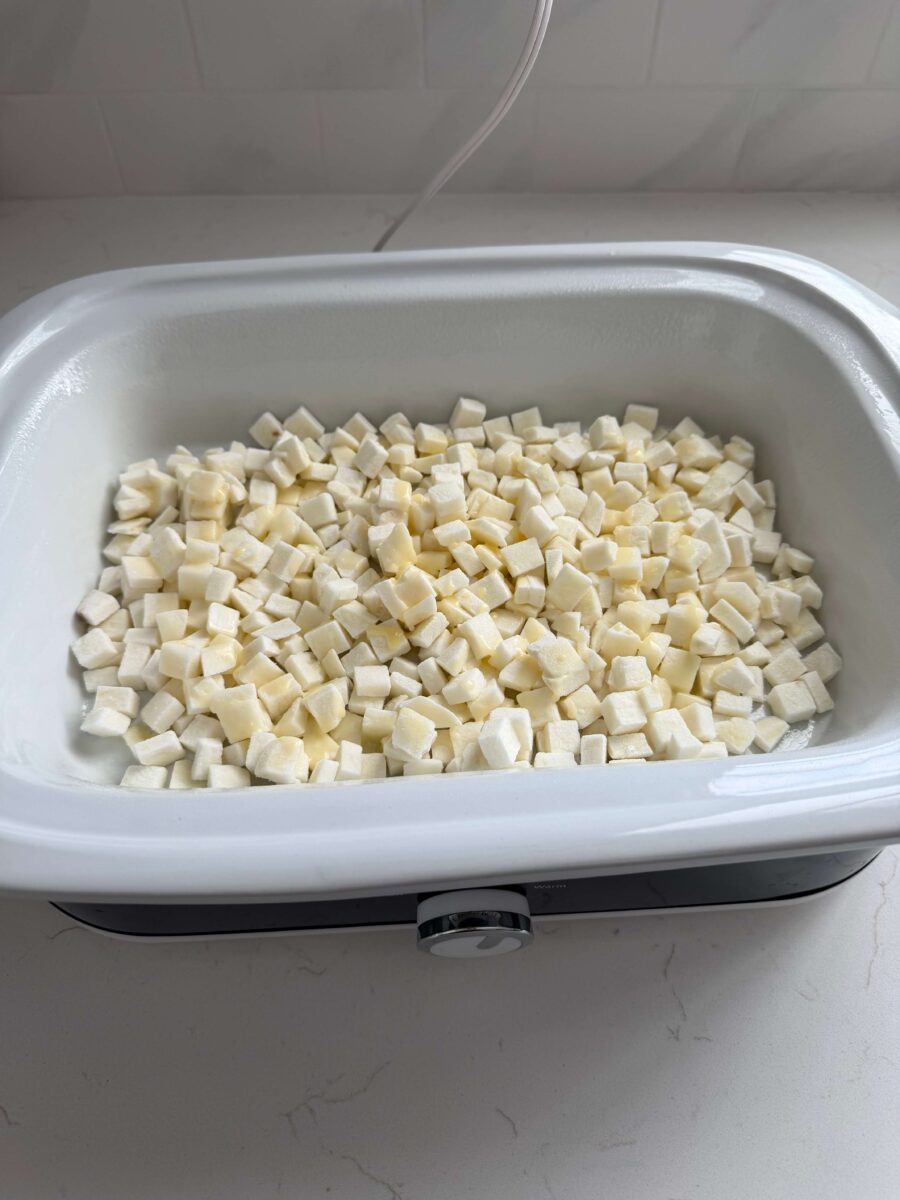
The frozen hashbrowns are distributed evenly across the bottom of the vessel. At this stage, melted butter is often drizzled over the potatoes. This serves two purposes: it enhances the flavor and aids in the browning of the potatoes where they contact the heat source.
Step 3: Integration of the Custard Matrix
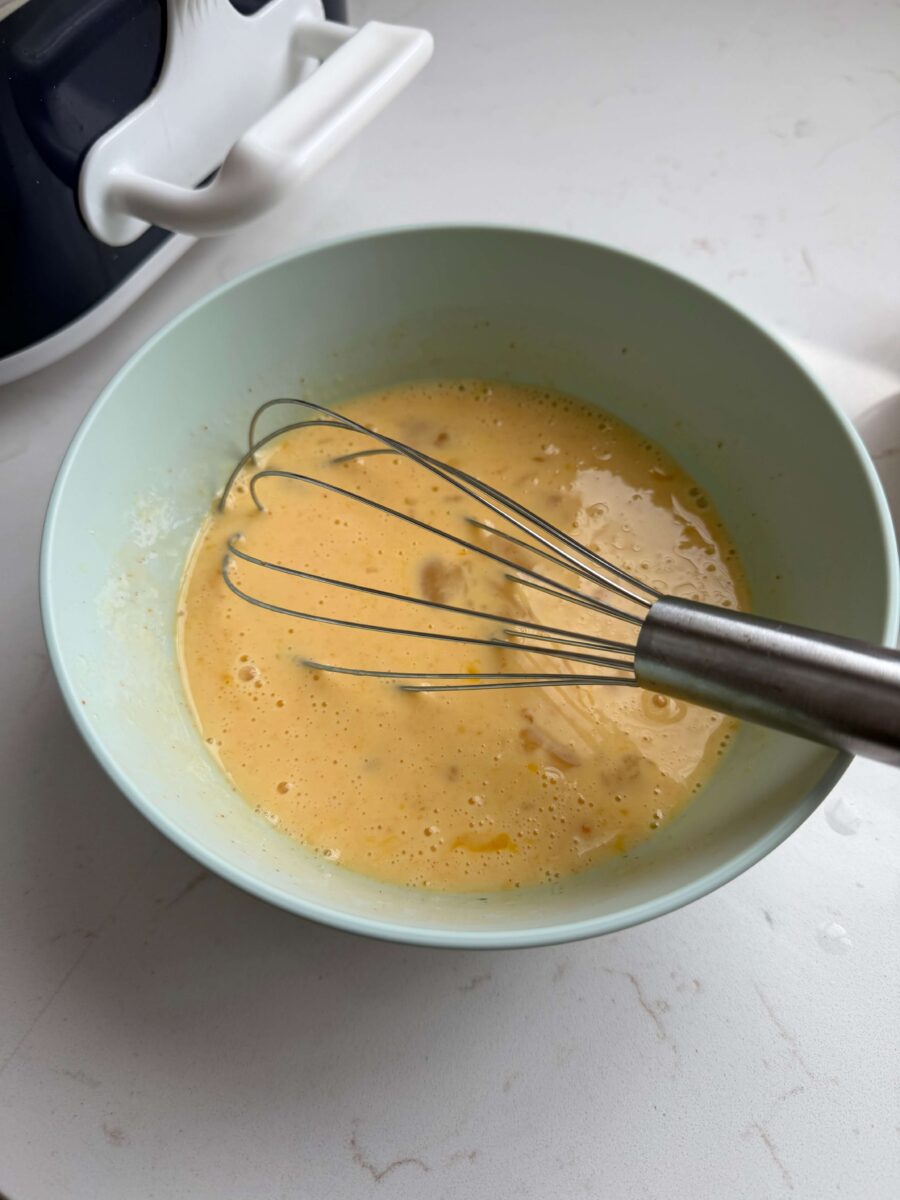
In a separate container, the eggs, milk, and seasonings are whisked until homogenized. This mixture is then poured over the hashbrowns. It is essential that the liquid permeates the potato layer to ensure the final product is not dry or disjointed.
Step 4: Protein and Lipid Application
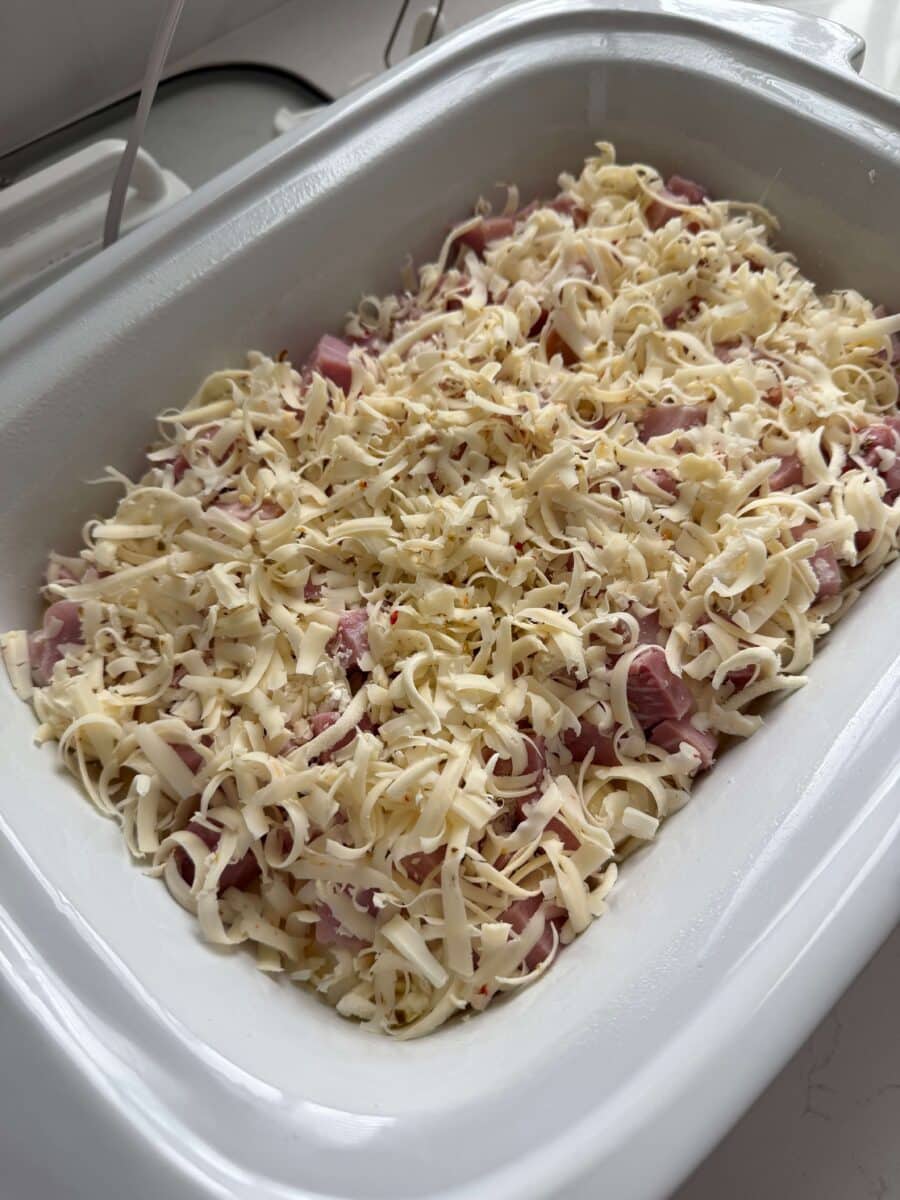
The diced ham and shredded cheese are scattered across the top. While some variations call for mixing these into the potatoes, surface application allows the cheese to form a "gratin" or melted crust, which is highly valued for its aesthetic and textural appeal.
Step 5: Thermal Processing
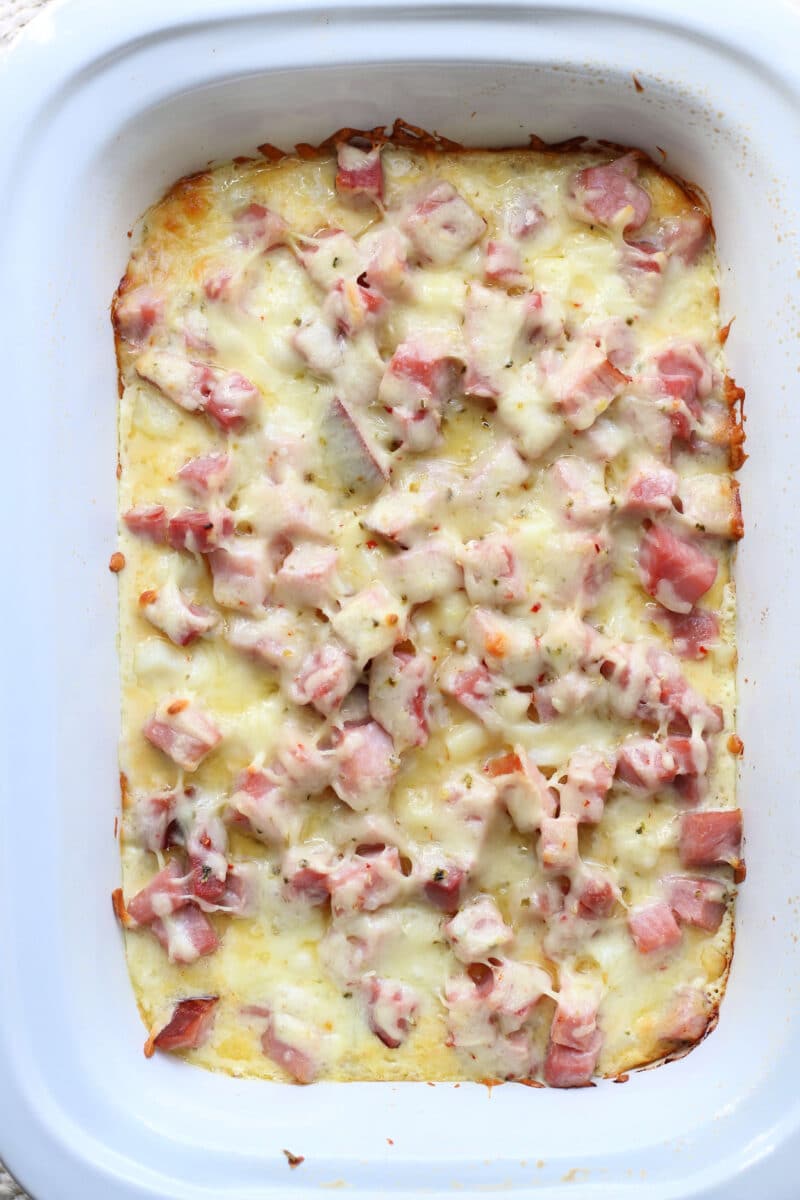
In a slow cooker environment, the dish typically requires two hours on a "High" setting. In a conventional oven, the process is accelerated, usually requiring 45 to 60 minutes at 350°F (175°C). The "set" point is reached when the eggs are no longer translucent and the center of the casserole does not jiggle when moved.
Supporting Data and Nutritional Analysis
From a nutritional standpoint, the Mind-blowing Casserole provides a balanced distribution of macronutrients. A standard serving size contains approximately 20 to 25 grams of protein, largely derived from the eggs and ham. This makes it an effective "satiety-inducing" meal, which dietary studies suggest can reduce overall caloric intake throughout the rest of the day.
Market data from the frozen food sector indicates that sales of frozen potato products, including hashbrowns, have seen a steady 4.2% annual growth rate. This trend is attributed to the increasing popularity of "semi-homemade" cooking, where consumers combine fresh ingredients with frozen staples to save time without sacrificing quality. Furthermore, the versatility of the casserole format allows for the use of leftover proteins, such as ham from holiday dinners, contributing to a reduction in household food waste—an issue that costs the average American family approximately $1,500 per year.
Market Trends and Consumer Adaptability
The rise of the Mind-blowing Casserole also aligns with the "meal prep" movement, which has gained significant traction on digital platforms and social media. Because the casserole can be portioned, refrigerated, and reheated without a significant loss in quality, it has become a favorite among individuals who prepare their weekly meals in advance.
Culinary experts have noted that the "customizability" of the recipe is a key factor in its enduring popularity. For instance:
- Low-Carb Variations: Consumers seeking to reduce carbohydrate intake may substitute hashbrowns with riced cauliflower or sliced zucchini.
- Dairy-Free Options: The milk can be replaced with almond or soy milk, and nutritional yeast or vegan cheese can be used for the topping.
- Spice Profiles: The addition of green chiles, salsa, or hot sauce allows for regional flavor adaptations, such as a "Southwestern" style.
Official Responses and Expert Perspectives
While there is no single governing body for casserole recipes, culinary instructors and professional chefs often comment on the utility of these dishes in teaching basic cooking principles. "The casserole is an excellent entry point for novice cooks," states one culinary educator. "It teaches the importance of layering, the science of egg-based custards, and the management of heat over time."
Furthermore, consumer feedback gathered from various recipe-sharing platforms indicates a high satisfaction rate, particularly regarding the "forgiving" nature of the dish. Unlike soufflés or delicate pastries, the Mind-blowing Casserole is resilient to minor measurements errors or slight variations in cooking time, making it a reliable "fail-safe" for hosting.

Broader Impact and Implications for Domestic Efficiency
The continued popularity of the Mind-blowing Casserole and similar "one-pot" breakfast solutions has broader implications for the economy of the American kitchen. By reducing the time required for meal preparation and cleanup, these recipes allow for greater flexibility in morning routines. This efficiency is particularly impactful for multi-generational households where staggered schedules make traditional sit-down breakfasts difficult to coordinate.
Additionally, the economic impact of such recipes is notable. When compared to the cost of a comparable breakfast at a commercial dining establishment—which can range from $12 to $20 per person—the cost-per-serving of a home-cooked hashbrown casserole is estimated to be between $1.50 and $3.00. This significant cost saving, combined with the nutritional control afforded by home cooking, reinforces the casserole’s status as a staple of the modern culinary landscape.
In conclusion, the Mind-blowing Casserole is more than a simple recipe; it is a reflection of evolving dietary habits, technological advancements in kitchen appliances, and a pragmatic approach to modern living. Its ability to provide a high-quality, high-protein meal with minimal labor ensures its place in the repertoire of home cooks for the foreseeable future. Whether prepared in a slow cooker for a leisurely morning or baked in an oven for a quick family meal, the dish remains a testament to the enduring appeal of the American breakfast bake.
