
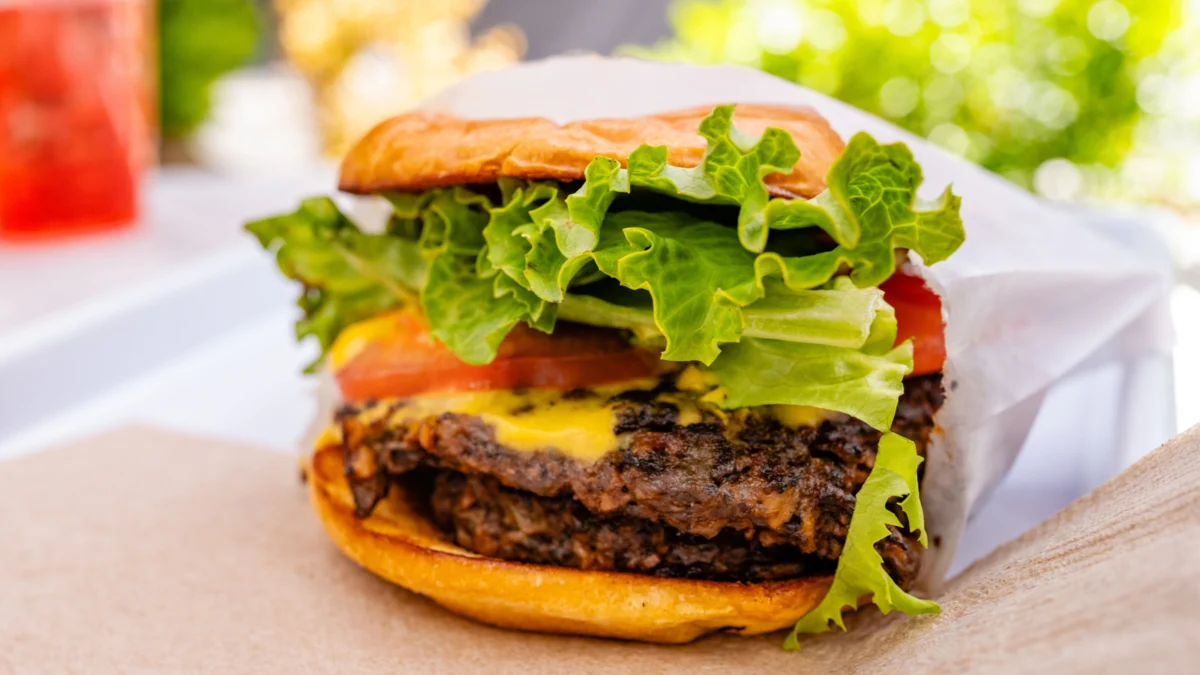
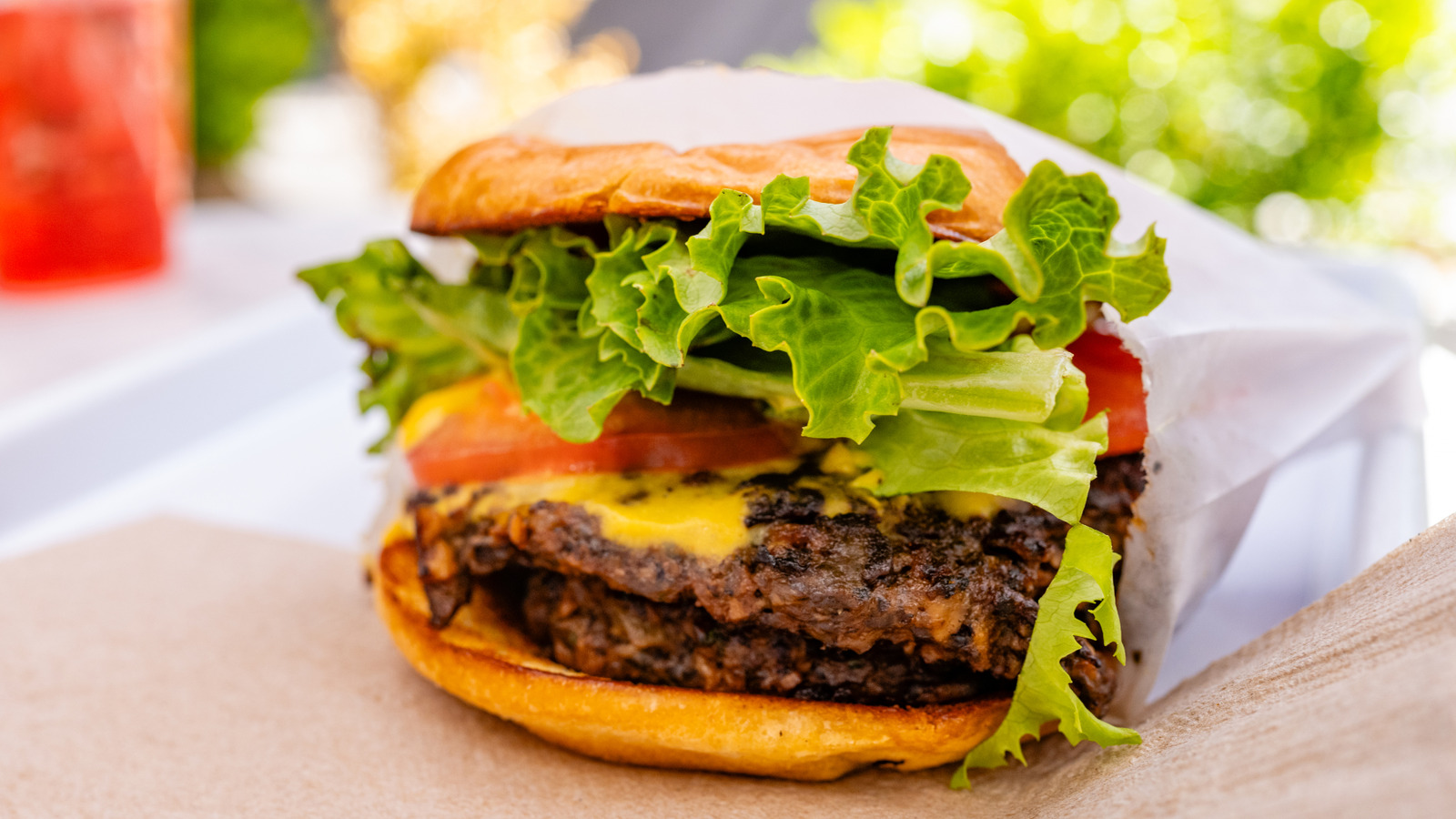
The humble lettuce leaf, often an afterthought in the grand theater of burger construction, is frequently relegated to a role of mere textural contrast. While it can offer a welcome crunch, its flavor contribution is typically minimal, and in many cases, it succumbs to a sad, wilted fate by the time it reaches the diner. However, a simple yet transformative culinary technique can elevate this often-overlooked ingredient into a star player, infusing every bite of a burger with an unexpected burst of flavor and moisture.
This innovative approach involves treating lettuce not as a passive component, but as an active participant in the flavor profile of a burger. By tossing torn, chopped, or shredded lettuce leaves with a complementary dressing or sauce before assembling the sandwich, home cooks and culinary enthusiasts can unlock a new dimension of taste. This method ensures a double dose of saucy goodness, with the dressing coating the greens and any additional condiments applied to the bun. The result is a far more compelling and satisfying burger experience than one relying on bland, watery iceberg lettuce.
The Science of Flavor Absorption
The efficacy of this technique hinges on the inherent porous nature of leafy greens. Lettuce, much like other vegetables, possesses a cellular structure that readily absorbs liquids. When tossed with a dressing or sauce, the leaves act like tiny sponges, soaking up the flavors and aromas of the ingredients within. This absorption process not only enhances the taste of the lettuce itself but also helps to distribute the dressing evenly throughout the burger, creating a more cohesive and enjoyable flavor profile.
Data from food science studies indicates that the surface area to volume ratio of shredded or finely chopped lettuce is significantly higher than that of whole leaves. This increased surface area facilitates more efficient absorption of dressings and sauces, maximizing the flavor infusion. For instance, a study published in the Journal of Food Science found that the rate of flavor compound transfer from a liquid phase to a solid matrix like lettuce is directly proportional to the surface area of the solid. Therefore, preparing the lettuce in smaller, more manageable pieces is crucial for optimal results.
Strategic Sauce Selection: Elevating the Greens
The choice of dressing or sauce is paramount to the success of this lettuce-dressing integration. While a wide array of options exist, certain flavor profiles are particularly well-suited to complementing the richness of a burger.
For lovers of Mediterranean-inspired flavors, a creamy tzatziki dressing can be a revelation when paired with peppery arugula or crisp romaine lettuce. The cool, tangy notes of Greek yogurt, infused with garlic, cucumber, and fresh dill, provide a refreshing counterpoint to the savory depth of a lamb burger, for example. The herbaceous freshness of the dill and the bright acidity of the yogurt cut through the richness of the meat, creating a balanced and sophisticated bite.
Similarly, for those who enjoy the familiar comfort of ranch, incorporating a ranch dressing into the lettuce topping can amplify the existing flavors. If a burger recipe already incorporates ranch seasoning into the patty, as seen in some popular iterations, adding a ranch-dressed lettuce slaw can further enhance this theme, creating a symphony of creamy, herbaceous notes.
Beyond these more specific pairings, a fundamental understanding of flavor dynamics suggests that a good vinaigrette can also work wonders. A punchy Dijon vinaigrette, for instance, can offer a welcome tang and a subtle kick of spice that enlivens even a basic burger. The sharpness of the Dijon mustard, balanced by the richness of olive oil, provides a zesty complexity that complements the savory elements of the burger without overpowering them.
Even a classic homemade burger sauce, often a blend of mayonnaise, ketchup, mustard, and various seasonings, can be adapted for this purpose. By tossing the lettuce with a portion of this sauce before adding it to the burger, a more intense and distributed flavor experience is achieved, adding an extra layer of moisture and taste beyond what a simple swipe on the bun can provide.
The Critical Window: Timing is Everything
While the flavor infusion potential is significant, a crucial caveat to this technique is timing. The delicate nature of lettuce means that it can quickly lose its crispness when exposed to liquid for extended periods. Therefore, it is imperative that the lettuce-dressing mixture is prepared and assembled just before serving.
Allowing the dressed lettuce to sit for too long can lead to wilting and sogginess, negating the intended textural and flavor benefits. This phenomenon is a result of osmosis, where the water molecules from the dressing are drawn into the plant cells of the lettuce, causing them to become saturated and lose their structural integrity. Culinary experts often advise preparing this "lettuce slaw" no more than 10 to 15 minutes prior to assembly to maintain optimal freshness and crunch.
Historical Context and Culinary Evolution
The evolution of burger toppings has been a dynamic process, reflecting changing culinary trends and consumer preferences. Historically, burgers were relatively simple affairs, often featuring basic toppings like onions, pickles, and mustard. The advent of fast-food culture in the mid-20th century popularized standardized burger compositions, with lettuce often included as a standard but not particularly celebrated component.
However, in recent decades, there has been a significant surge in the gourmet burger movement. Chefs and home cooks alike have begun to experiment with a wider array of ingredients, seeking to create more complex and nuanced flavor profiles. This has led to the incorporation of artisanal cheeses, premium cuts of meat, and an expanded palette of sauces and toppings. The technique of dressing lettuce can be seen as a natural progression within this movement, a creative way to enhance an existing component and add a chef-driven touch to a beloved classic.
The concept of dressing vegetables before serving them is not new. Salads, by definition, involve the dressing of greens and other vegetables. This burger technique borrows from that established culinary principle, applying it in a novel context to elevate a familiar sandwich element.
Broader Impact and Implications
The implications of this simple yet effective technique extend beyond just improving the burger experience. It encourages a more mindful approach to ingredient preparation, prompting cooks to consider how each component can contribute maximally to the overall dish. It also offers a cost-effective way to enhance flavor, as many of the suggested dressings and sauces are common pantry staples or can be made with relatively inexpensive ingredients.
Furthermore, this method can be adapted to suit a variety of dietary needs and preferences. For instance, vegan burgers can benefit from plant-based dressings like tahini-based sauces or vinaigrettes, while gluten-free diners can ensure their chosen toppings align with their dietary restrictions. The versatility of this technique makes it a valuable addition to any home cook’s repertoire.
From a culinary innovation perspective, this technique challenges the conventional understanding of burger toppings. It moves beyond simply adding ingredients and instead focuses on actively transforming and enhancing them. This kind of thoughtful modification can lead to a more sophisticated and enjoyable dining experience, turning an everyday meal into something truly special. The potential for further experimentation is vast, with countless dressing and sauce combinations waiting to be explored, promising to redefine what is possible with this iconic American dish. The humble lettuce leaf, once a passive bystander, is now poised to become a flavorful star.
