
Nestled within the historic heart of Salzburg, Austria, a culinary institution has been steadfastly serving its community for over seven centuries. Stiftsbäckerei St. Peter, often hailed as one of the oldest bakeries in the world, continues to uphold a centuries-old tradition of bread-making, a testament to enduring craftsmanship and a deep connection to its past. While many modern bakeries experiment with rapid fermentation and advanced machinery, Stiftsbäckerei St. Peter remains dedicated to the time-honored methods that have defined its legacy since its earliest documented existence.
The bakery’s origins are intrinsically linked to the Benedictine monks of St. Peter’s Abbey, a venerable institution itself dating back to the 7th century. While the precise year of the bakery’s establishment is not definitively known, the earliest written records that firmly place its existence date back to 1160. This places Stiftsbäckerei St. Peter at the forefront of historical bakeries, predating many other culinary landmarks by centuries. The abbey’s strategic location and its historical role in providing sustenance to its inhabitants and the surrounding community would have naturally necessitated a reliable source of bread.
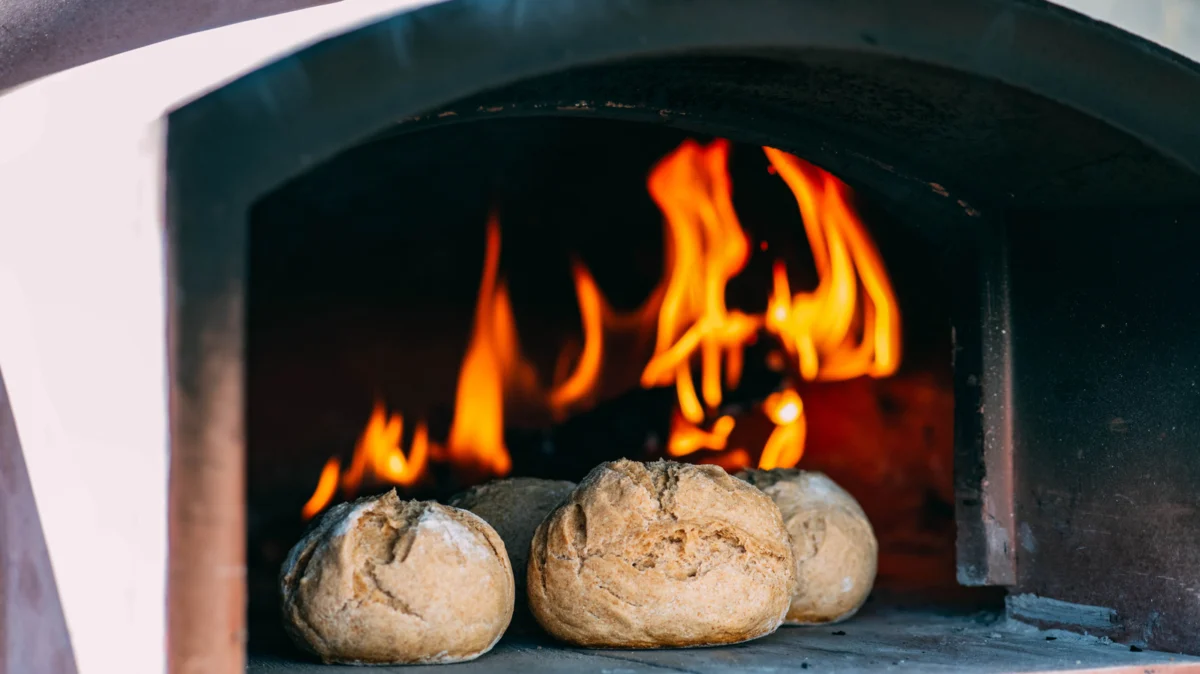
The pivotal development that facilitated the bakery’s enduring success was the construction of a waterway in the 12th century. This engineering feat allowed for the installation of a water wheel, which in turn powered a grain mill. This innovation was crucial, as it provided a consistent and efficient means of grinding the wheat and rye necessary for bread production. From its inception, the bread at Stiftsbäckerei St. Peter was baked in a wood-fired oven, a practice that continues to this day and is central to the distinctive flavor and texture of its products. This commitment to traditional baking methods has not wavered, ensuring that the essence of its ancient recipes is preserved.
Today, the stewardship of this historic establishment rests with Franz Grabmer, a master miller and baker. Grabmer comes from a lineage of millers, a hereditary connection that imbues his work with a profound understanding of grain and its transformation into bread. His dedication to maintaining the bakery’s heritage is evident in every aspect of its operation. The sourcing of grain is a meticulously considered process, with organic farmers in the Waldviertel region supplying the flour. This region, known for its fertile soil and agricultural traditions, provides high-quality grain that forms the foundation of the bakery’s renowned sourdough.
The milling process itself is a fascinating blend of historical ingenuity and modern sustainability. The grain is milled using a hydro-electric powered mill, a system that still draws its power from the original Alm canal. This reliance on natural, renewable energy sources echoes the bakery’s historical operational methods while aligning with contemporary environmental consciousness. The wood used to fuel the traditional oven is carefully collected from the forests surrounding the monastery, a practice that not only honors the bakery’s historical relationship with its environment but also contributes to the unique smoky notes that characterize the bread.
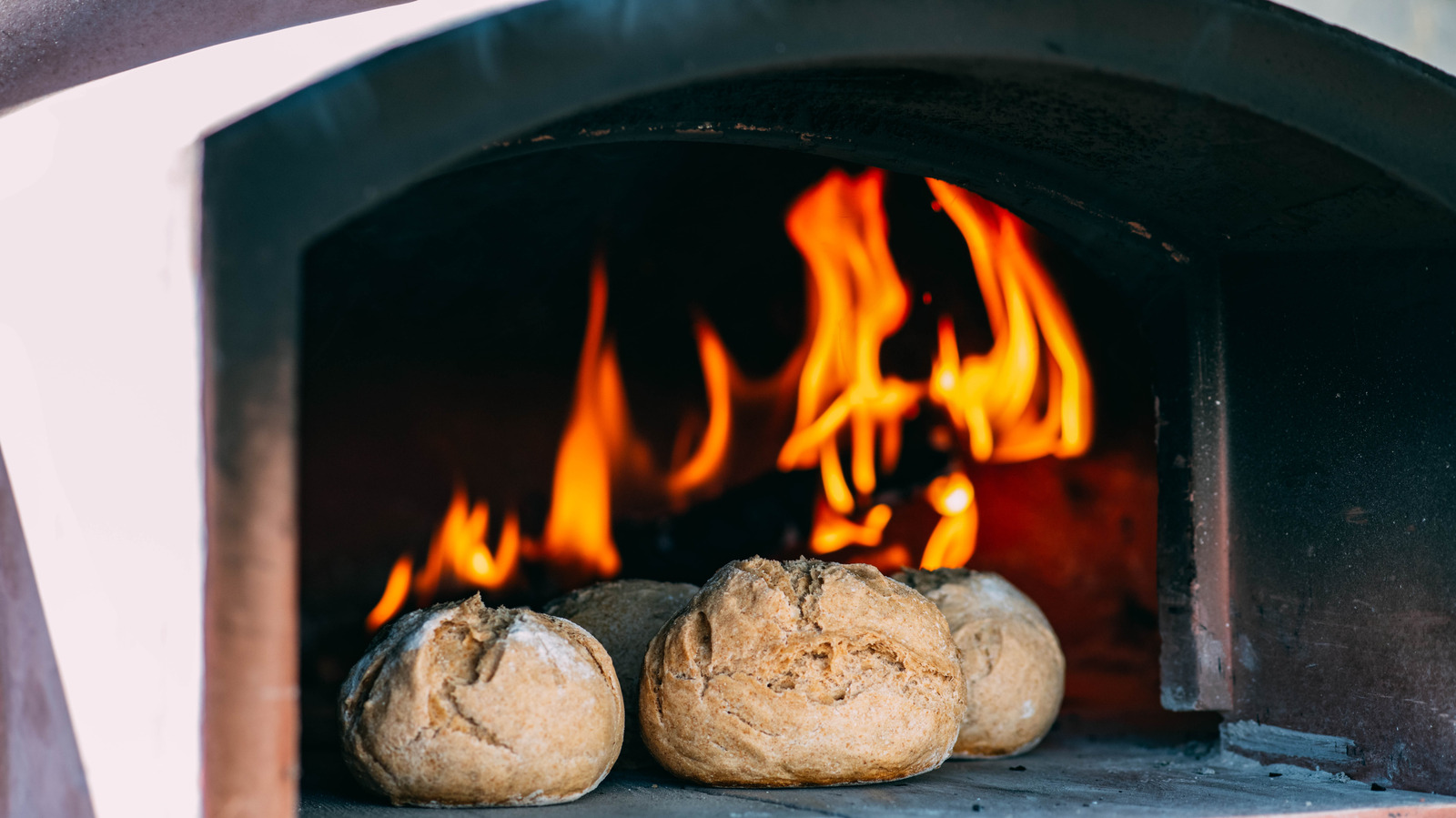
The hallmark of Stiftsbäckerei St. Peter’s offerings is its sourdough bread. The slow fermentation process inherent in sourdough, combined with the intense heat of the wood-fired oven, results in a crust that is exceptionally crisp and a crumb that is soft, airy, and rich in flavor. This bread is not merely food; it is an experience, a tangible connection to a past that stretches back over 700 years. The bakery’s sourdough is not just a local delicacy; it has garnered international acclaim, drawing visitors from across the globe who seek to taste this piece of edible history.
Beyond its signature sourdough, Stiftsbäckerei St. Peter offers a curated selection of baked goods, each prepared with the same dedication to quality and tradition. These include Vintschgerl, a rustic sourdough flatbread that embodies the hearty, unpretentious nature of traditional Alpine baking. Spice rolls, with their aromatic blend of warming spices, offer a comforting and familiar taste. Brioche, a rich and buttery bread, showcases the bakery’s versatility, while plaited yeast buns provide a sweeter, more delicate option. These offerings, while varied, are united by the common thread of artisanal craftsmanship and the use of high-quality ingredients.
The bakery opens its doors nearly every day at 7:00 a.m., and by that hour, a queue is often already forming. This consistent demand, even after centuries of operation, speaks volumes about the enduring appeal of Stiftsbäckerei St. Peter. For many, the wait is not an inconvenience but an integral part of the experience. It provides an opportunity to soak in the atmosphere of Salzburg’s historic district, to anticipate the warmth and aroma of freshly baked bread, and to witness firsthand a tradition that has persevered against the tides of time and modernization.
A Taste of History: The Chronology of Stiftsbäckerei St. Peter
The journey of Stiftsbäckerei St. Peter is a narrative woven through centuries, marked by key developments that shaped its enduring legacy.
- Early 1100s: The Benedictine monks of St. Peter’s Abbey establish a rudimentary system for bread production to sustain their community.
- 1160: The earliest documented evidence of Stiftsbäckerei St. Peter’s existence emerges. This period likely sees the initial construction or formalization of the bakery’s facilities.
- 12th Century: The construction of a waterway and the subsequent installation of a water wheel revolutionize grain milling, providing a more efficient and consistent supply of flour for the bakery. The practice of baking in wood-fired ovens becomes established.
- Medieval Period (13th – 15th Centuries): The bakery continues to operate as an essential component of St. Peter’s Abbey, likely serving not only the monks but also the growing population of Salzburg. Its reputation for quality bread begins to solidify.
- Renaissance and Baroque Eras (16th – 18th Centuries): Despite societal and architectural changes in Salzburg, Stiftsbäckerei St. Peter maintains its traditional methods, adapting to the evolving needs of the city while preserving its core practices.
- 19th Century: The bakery’s operational continuity is maintained through the Grabmer family’s multi-generational involvement in milling and baking, a tradition that continues to this day.
- 20th Century: The bakery navigates the challenges of two World Wars and periods of significant social and economic change, demonstrating remarkable resilience and a steadfast commitment to its heritage.
- 21st Century: Stiftsbäckerei St. Peter stands as a globally recognized symbol of historical baking. Under the guidance of Franz Grabmer, it continues to attract tourists and locals alike, celebrated for its authentic sourdough and traditional methods. The bakery’s inclusion in travel guides and online reviews underscores its status as a must-visit culinary destination.
The Sensory Experience and Local Impact
The bakery’s location, near the picturesque Kapitelplatz and adjacent to the historic St. Peter’s Cemetery, places it at the nexus of Salzburg’s most cherished landmarks. Visitors often report being drawn to the bakery by the irresistible aroma of baking bread wafting through the narrow, cobblestone streets. This sensory cue is a powerful testament to the bakery’s authentic production methods, a stark contrast to the often-sanitized experience of modern food retail.
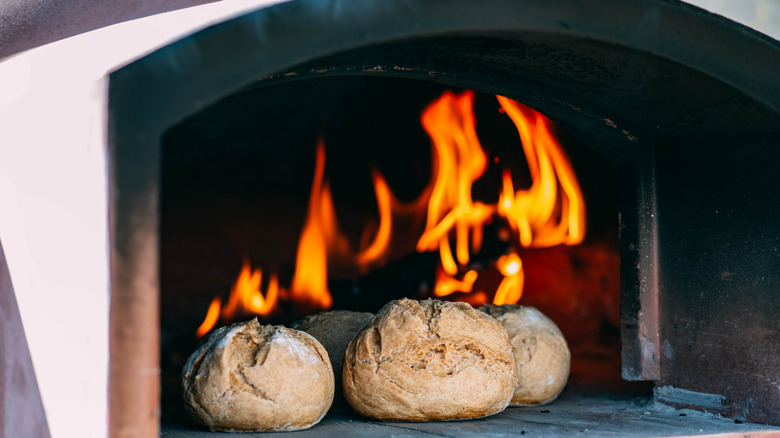
Tourists and locals alike express deep appreciation for the opportunity to witness the traditional bread-making process firsthand. The bakery’s historic vaults and the visible stages of production offer an immersive experience that transcends a simple transaction. This transparency fosters a deeper connection with the food and the people who create it.
Online reviews consistently highlight the exceptional quality of the bread. One particularly glowing review on Google encapsulates the sentiment of many visitors: "Hands down the most memorable bread I had in Salzburg. Stiftsbäckerei St. Peter uses a traditional wood-fired oven, and you can really taste the difference – crispy crust, soft inside, and full of flavor. Yes, there’s usually a line, but it’s absolutely worth the wait. You can truly taste the history and craftsmanship. Highly recommended!" Such testimonials underscore the unique value proposition of Stiftsbäckerei St. Peter – it offers not just bread, but a taste of history and an appreciation for true artisanal skill.
The bakery’s sustained success has significant implications for Salzburg’s cultural landscape and tourism. It serves as a living museum, preserving a vital aspect of culinary heritage that might otherwise be lost. For the local economy, it represents a consistent draw for visitors, contributing to the vibrancy of the historic district. Furthermore, its commitment to organic sourcing and traditional methods can serve as an inspiration for other food producers, promoting a more sustainable and mindful approach to food production.
Enduring Traditions in a Modern World
In an era dominated by mass production and rapid innovation, Stiftsbäckerei St. Peter’s unwavering dedication to tradition stands as a powerful counterpoint. Its continued success is not merely a matter of nostalgia; it is a testament to the enduring appeal of authenticity, quality, and a deep respect for the past. The bakery’s story is a reminder that some of the most profound human experiences can be found in the simplest of pleasures, like a perfectly baked loaf of bread, crafted with centuries of knowledge and care.
While Salzburg may be renowned for its musical heritage and architectural splendor, for discerning food enthusiasts, Stiftsbäckerei St. Peter offers a different, yet equally profound, connection to the city’s soul. It is a place where history is not just observed, but tasted, proving that some traditions are indeed timeless and universally appreciated. For those unable to journey to the Austrian Alps, the pursuit of similar historical culinary experiences can lead to discoveries in other parts of the world, including numerous historic bakeries that continue to operate in the United States, each with its own unique story to tell.
