
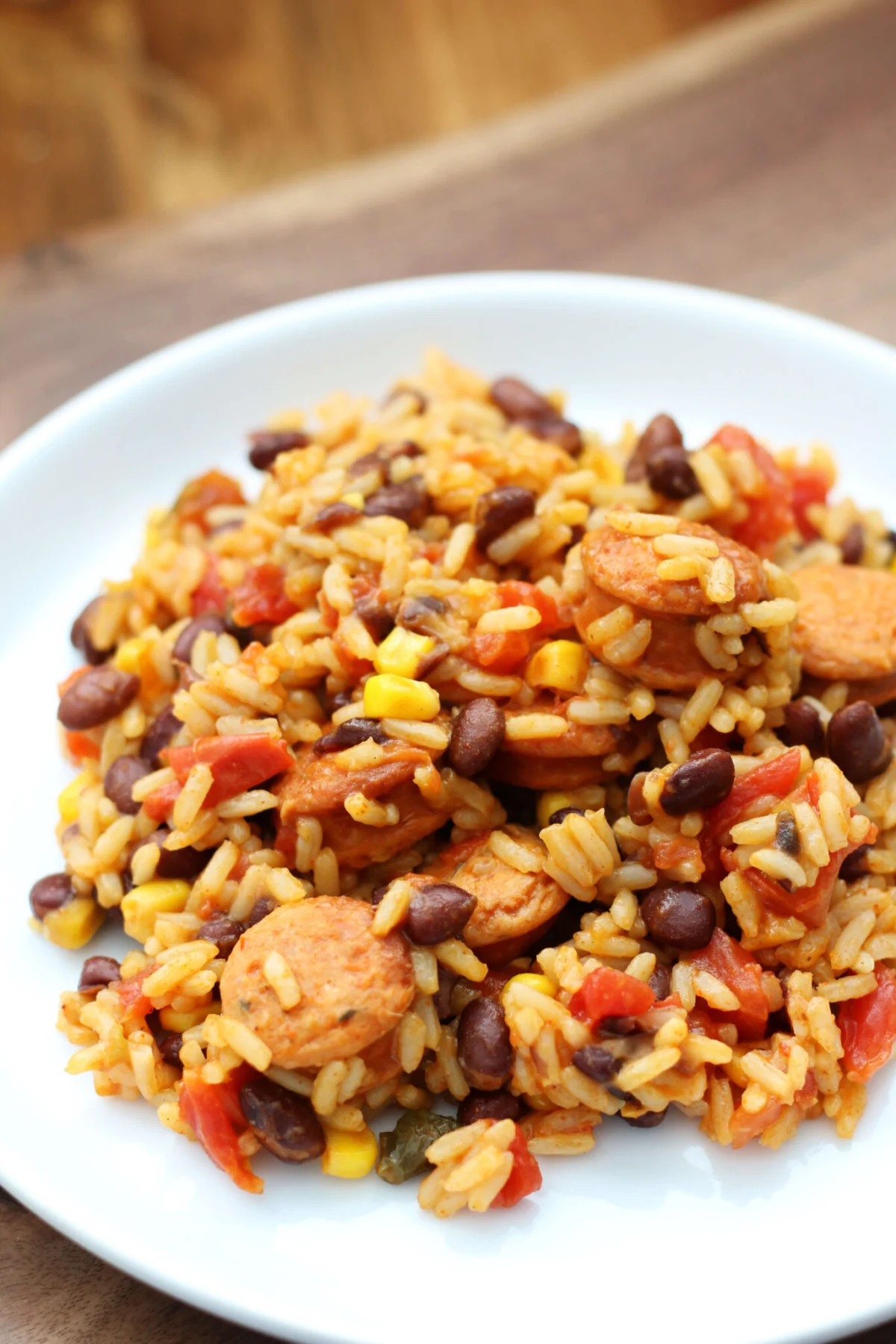
The Evolution of Heartland Comfort Food
The origins of the Indiana Chowder Casserole can be traced back to the broader tradition of "hot dishes" and casseroles that defined American midwestern cuisine throughout the 20th century. Historically, these dishes relied on slow-simmering techniques and the use of heavy cream bases or canned soups to provide satiety and warmth during harsh winters. However, the modern iteration of the "Indiana Chowder" signifies a shift toward bolder flavor profiles and faster execution.
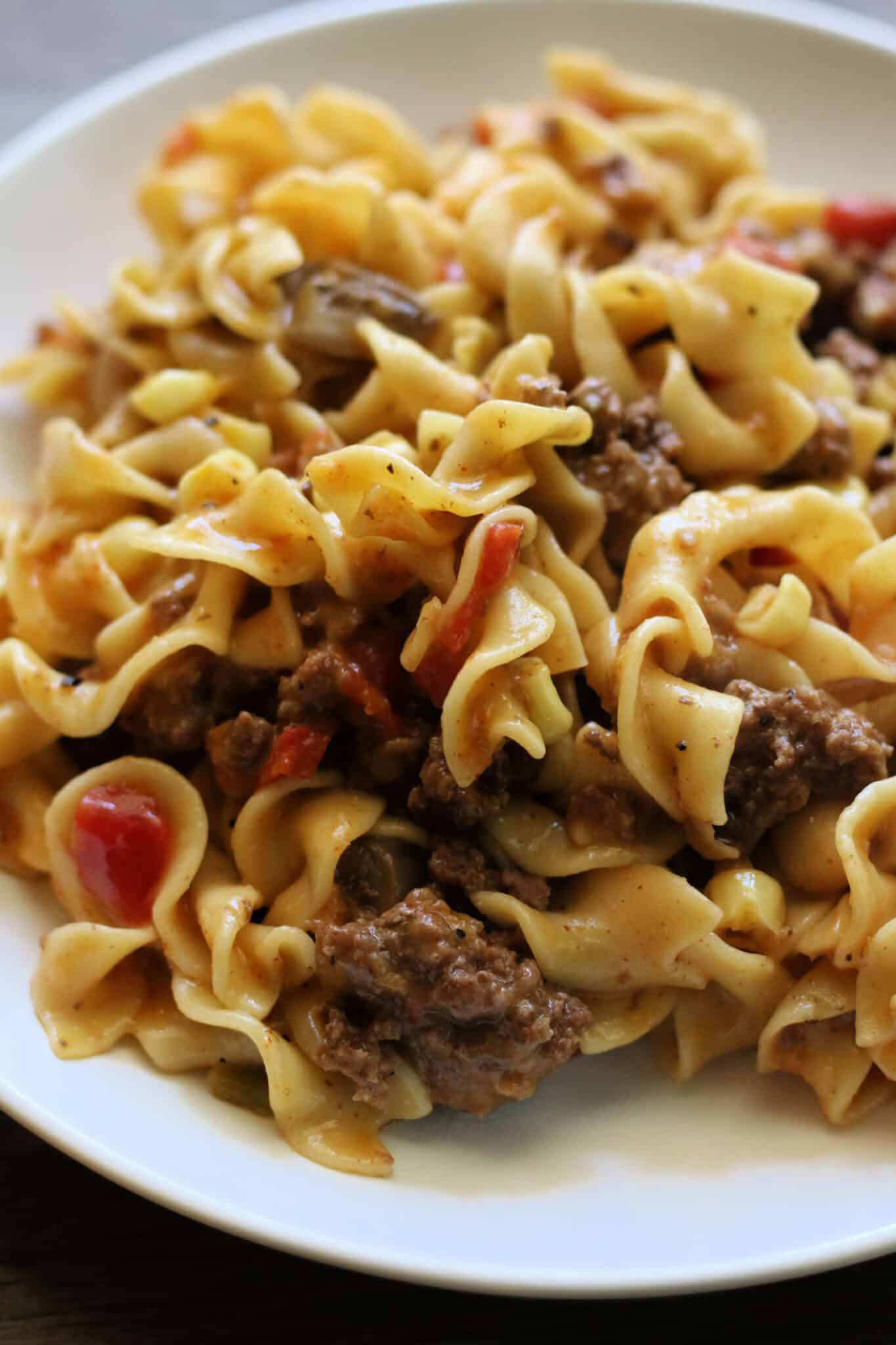
The recipe is an adaptation of a stovetop version popularized by culinary influencers such as Crystal and Comp. While the original version utilized peas and required separate boiling of the pasta, the contemporary Instant Pot adaptation optimizes the starch release from the egg noodles to thicken the "chowder" naturally within the vessel. This transition from stovetop to electric multi-cooker reflects a broader national trend in the United States, where multi-functional kitchen appliances have seen a steady increase in market penetration since 2010.
Technical Methodology and Culinary Chronology
The preparation of the Indiana Chowder Casserole follows a precise chronological sequence designed to maximize flavor extraction while maintaining the structural integrity of the ingredients. Unlike traditional slow-cooking methods, the pressure-cooking approach requires strict adherence to layering to avoid the "burn" notice common in high-starch electric cookers.
Phase I: The Searing and Aromatics
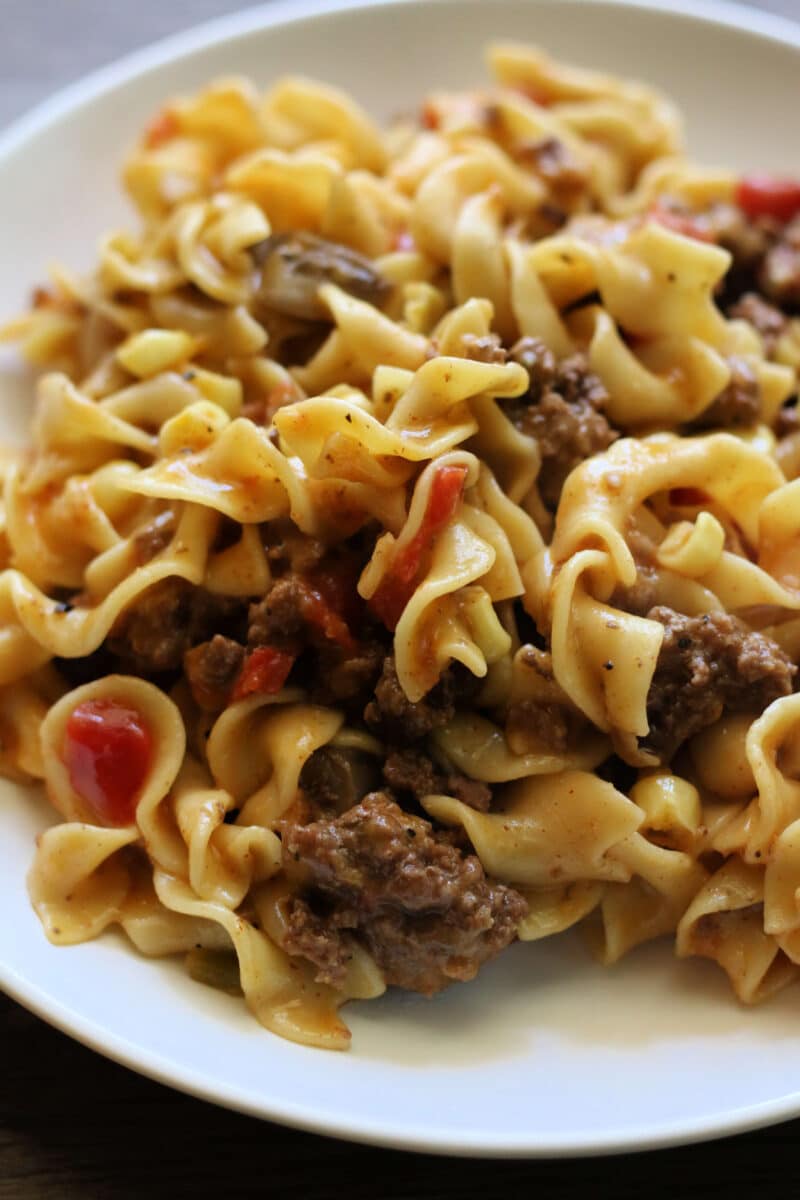
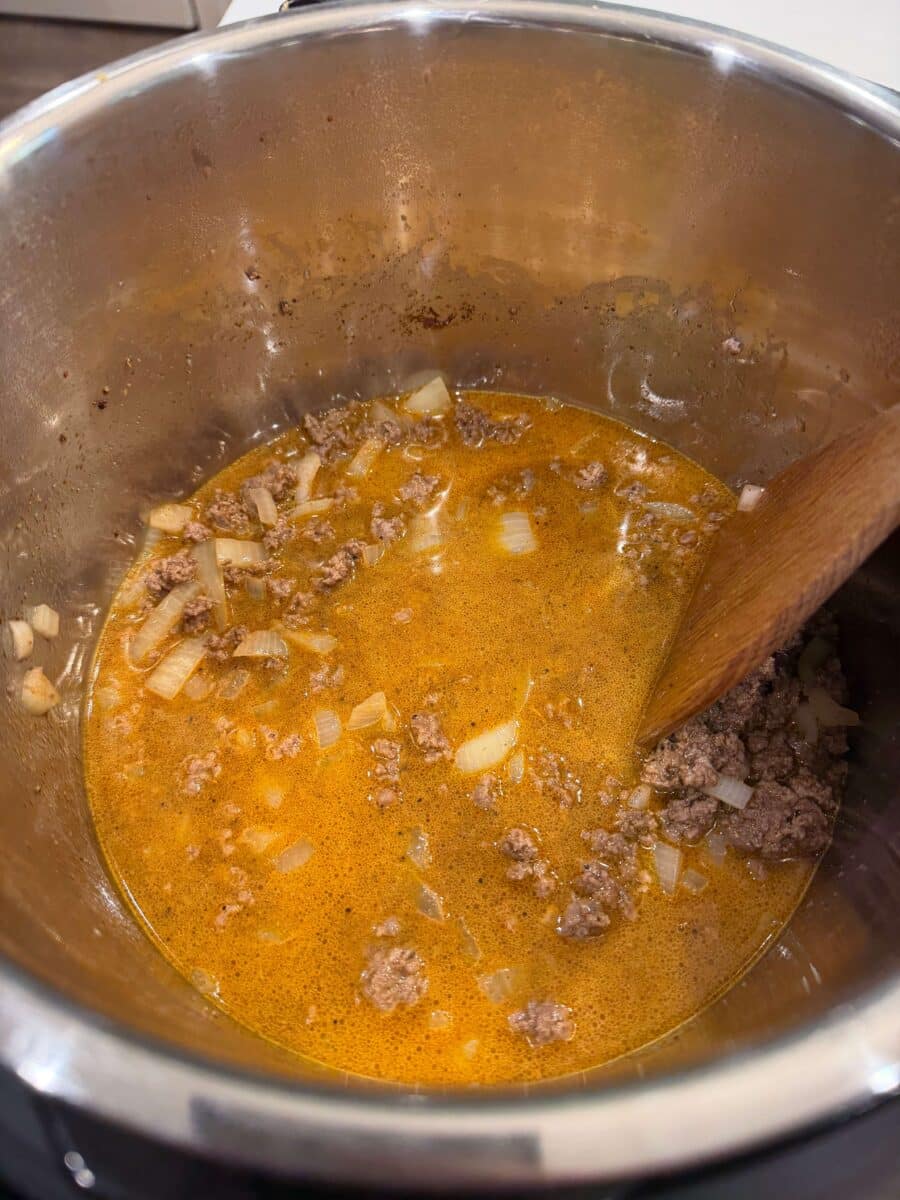
The process begins with the "Saute" function of the Instant Pot. Ground beef is browned alongside diced onions for approximately five minutes. This stage is critical for the Maillard reaction, which develops the savory depth of the dish. Culinary experts note that the removal of excess grease at this stage is a vital step in ensuring the final casserole maintains a clean mouthfeel rather than an oily consistency. Seasonings—specifically salt, pepper, garlic powder, and chili powder—are introduced during this heat-intensive phase to bloom the spices.
Phase II: Deglazing and Layering
Following the browning of the meat, the "Saute" function is deactivated. A volume of beef broth is added to the pot to deglaze the bottom. This step is a technical necessity in pressure cooking; scraping the fond (browned bits) from the bottom of the stainless steel liner prevents the sensors from overheating.
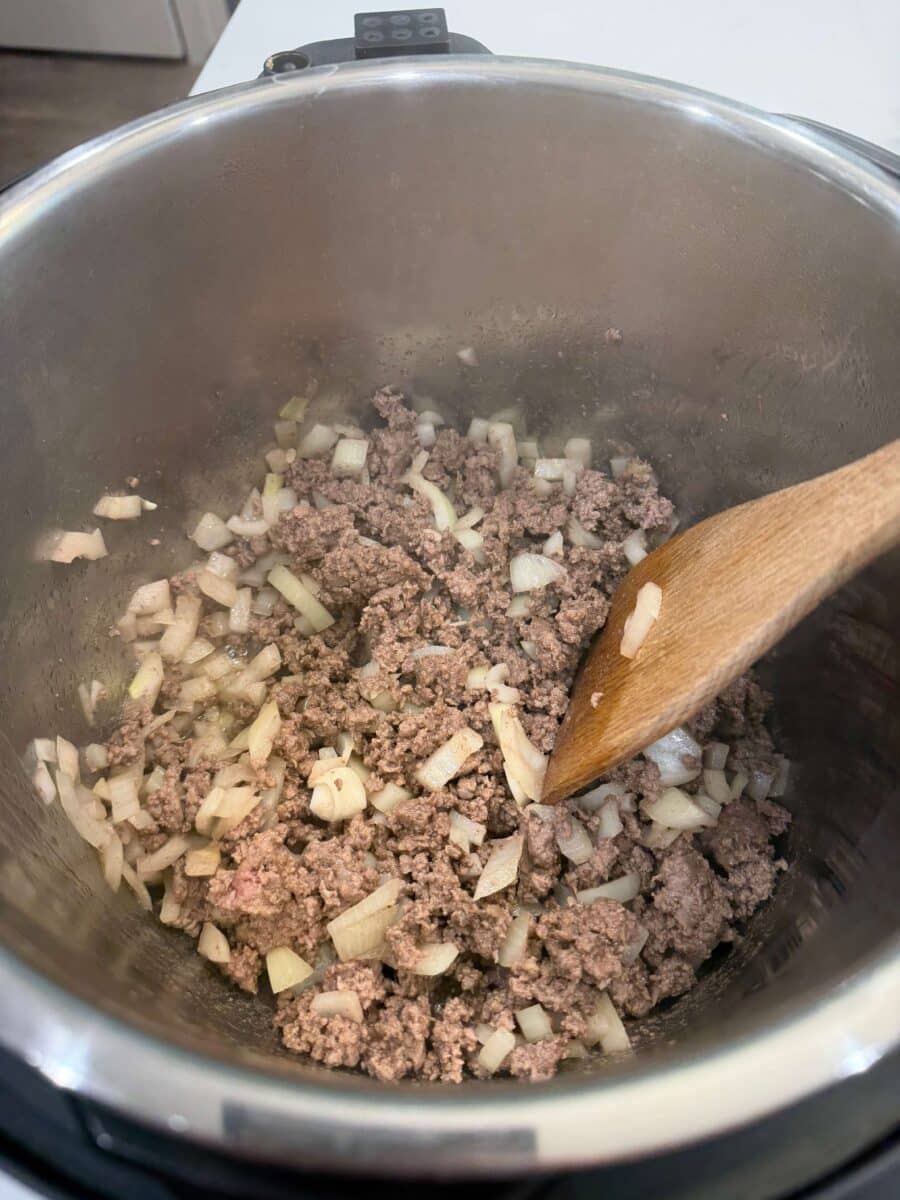
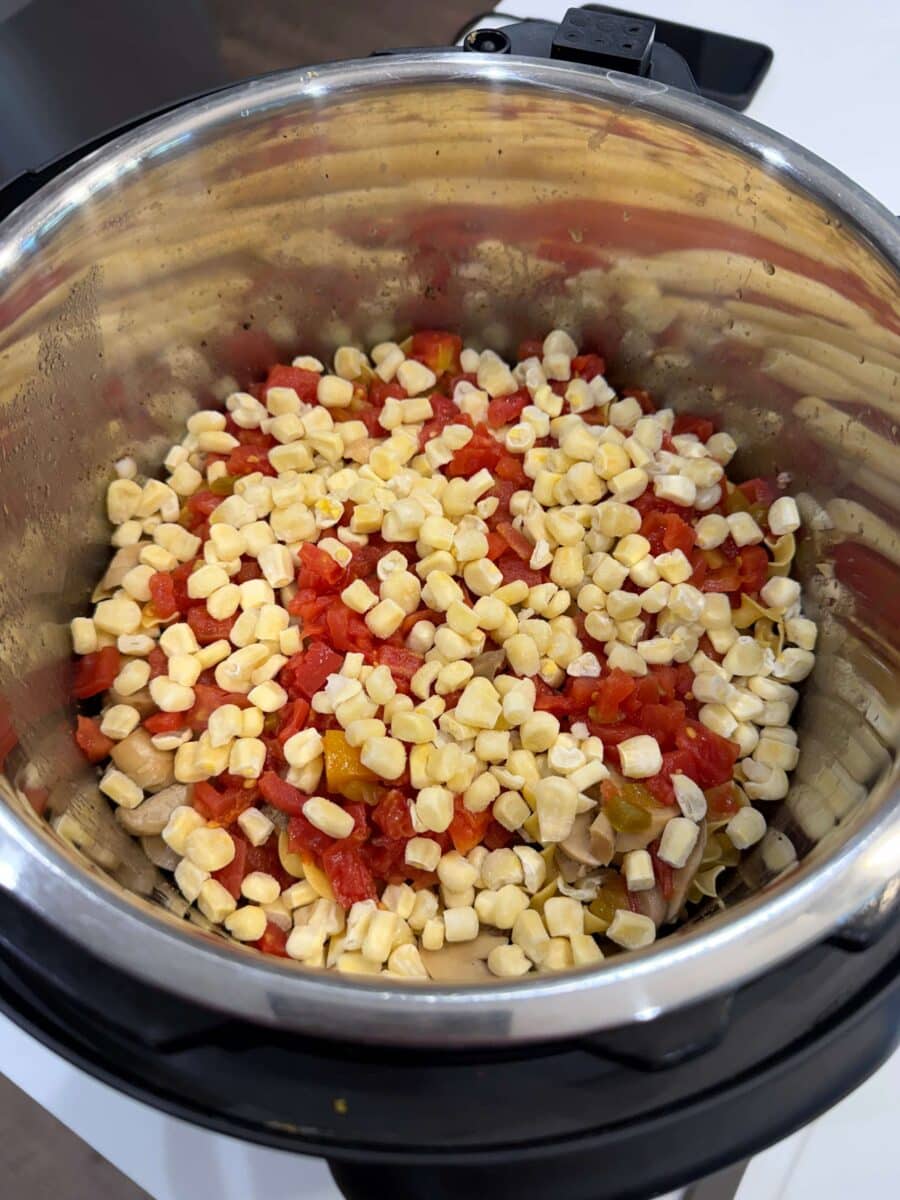
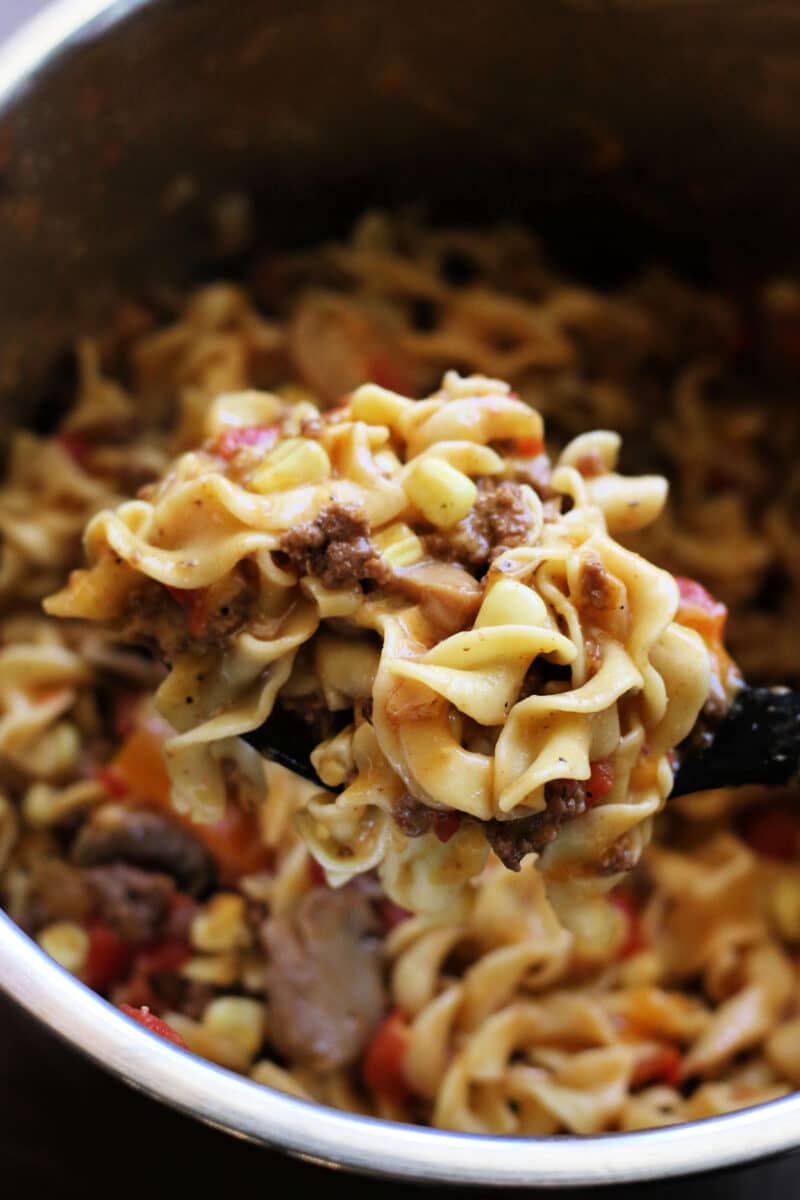
The layering of the remaining ingredients is performed without stirring. Egg noodles are distributed across the liquid, followed by canned corn, mushrooms, and Rotel (a brand of canned diced tomatoes with green chilies). The decision not to stir these components is a strategic maneuver to keep the heavier solids and starches from settling at the base, which ensures even steam distribution during the pressurized cycle.
Phase III: Pressurization and Natural Release
The device is sealed and set to manual high pressure for a duration of only one minute. While one minute appears brief, the actual cooking occurs during the "ramp-up" period (as the pot reaches pressure) and the subsequent "natural release" period. The recipe dictates a 5-to-10-minute resting period after the timer expires. This allows the internal temperature to stabilize and ensures that the egg noodles reach an al dente texture without becoming overly soft or "mushy."
Phase IV: Emulsification and Service
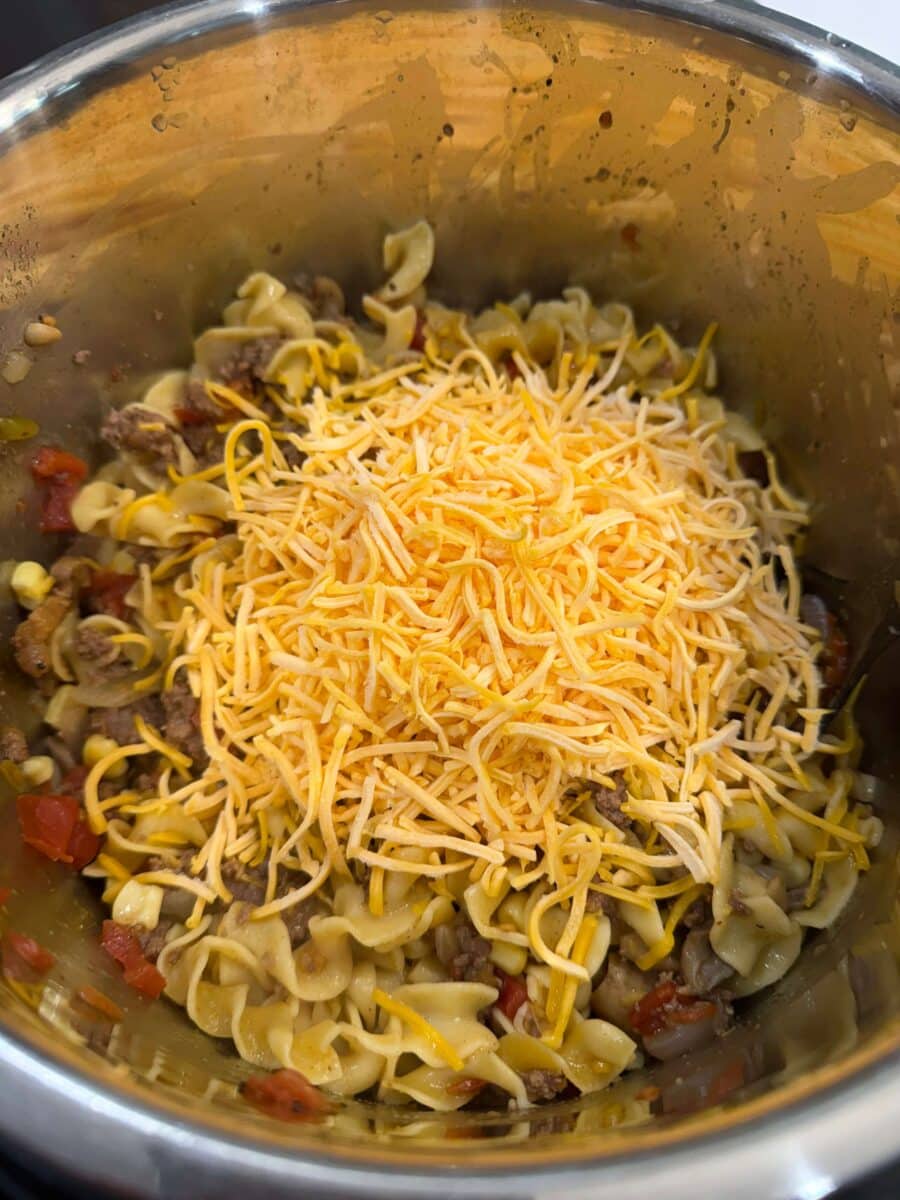
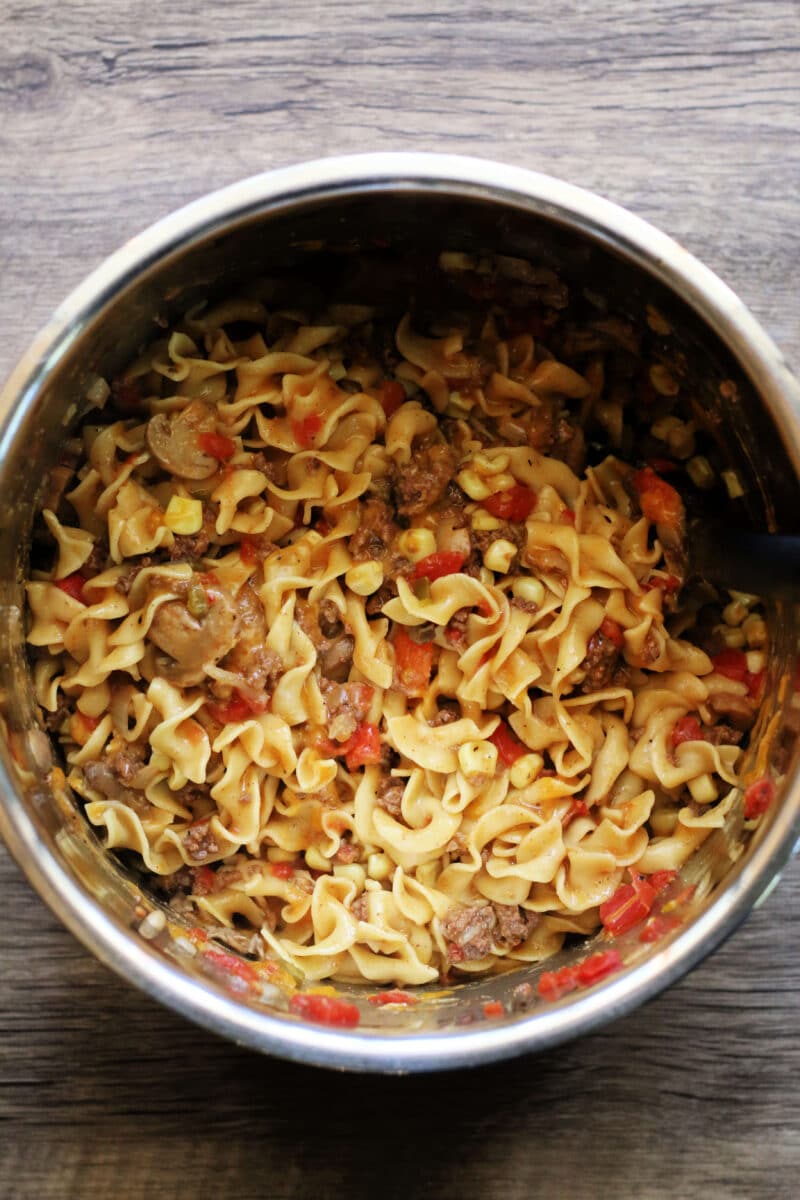
The final stage involves the manual release of remaining steam and the introduction of cheddar cheese. The cheese is stirred into the hot mixture, where it melts and emulsifies with the residual broth and starch from the noodles, creating the "chowder" consistency that gives the dish its name.
Market Trends and Consumer Data
The rise of recipes like the Indiana Chowder Casserole is supported by significant data regarding American grocery and appliance trends. According to market research, the "One-Pot Meal" category has seen a 25% increase in search volume over the last five years. Consumers are increasingly prioritizing "dump-and-go" recipes that minimize cleanup.
Furthermore, the ingredients used in the Indiana Chowder Casserole reflect the economic realities of the current food market. Ground beef remains a staple protein in the American diet, and the use of shelf-stable canned goods—such as corn, mushrooms, and tomatoes—allows for a lower price-per-serving compared to fresh-only meals. Data from the USDA indicates that the integration of canned vegetables into family meals can reduce food waste, as these items have a significantly longer shelf life and are processed at the peak of freshness.
Regional Identity and the "Chowder" Definition
The nomenclature of the dish—specifically the use of the word "chowder"—is a point of interest for food historians. In the coastal United States, a chowder typically refers to a cream-based or tomato-based seafood soup. However, in the Midwest and the Great Lakes region, the term is often applied more loosely to thick, hearty stews that contain a variety of vegetables and proteins.
The Indiana Chowder Casserole distinguishes itself through its use of chili powder and Rotel, which introduces a mild heat and acidity not typically found in traditional East Coast chowders. This reflects the "fusion" nature of modern American regional cooking, where Southwestern ingredients (green chilies and cumin-based spices) are integrated into classic Northern comfort formats (beef and noodles).
Analysis of Implications for Modern Domesticity
The success of the Indiana Chowder Casserole in digital food spaces highlights several implications for the future of domestic cooking:
- Technological Integration: The reliance on the Instant Pot suggests that home cooks are moving away from labor-intensive traditional methods in favor of "set-it-and-forget-it" technology. This allows for a redistribution of domestic labor time.
- Nutritional Accessibility: By incorporating vegetables directly into a pasta and beef dish, the recipe provides a comprehensive nutritional profile—protein, carbohydrates, and fiber—within a single serving.
- Recipe Versatility: The dish serves as a template. Culinary analysts suggest that the substitution of mushrooms for peas (as seen in the original version) or the addition of tomato sauce for a "saucier" texture demonstrates the modularity of modern recipes, allowing home cooks to adjust based on pantry availability or dietary preference.
Official Responses and Culinary Expert Insights
While there is no "official" governing body for casseroles, professional chefs often weigh in on the "Instant Pot Revolution." Many culinary educators argue that while pressure cooking can sacrifice some of the nuanced textures achieved through traditional braising, the trade-off in speed and consistency is an acceptable compromise for the average household.
"The key to a successful Instant Pot casserole is the liquid-to-starch ratio," notes a culinary analyst specializing in small appliances. "Dishes like the Indiana Chowder Casserole succeed because they utilize the moisture from the canned vegetables and the broth to perfectly hydrate the noodles without turning the entire pot into a soup. It is a delicate balance of steam and pressure."
Broader Impact on the Culinary Landscape
The Indiana Chowder Casserole is more than just a convenient dinner; it is a representative artifact of a specific era in American food culture. It sits at the intersection of economic necessity, technological advancement, and regional heritage. As families continue to navigate busy schedules and fluctuating food costs, the "one-pot" philosophy embodied by this dish is likely to remain a cornerstone of the domestic kitchen.
The transition of this recipe from a stovetop labor of love to a one-minute pressure-cooked staple exemplifies the rapid pace of change in how information and techniques are shared in the digital age. As more variations of the "chowder" emerge—incorporating different proteins like sausage or chicken, or adapting for low-carb diets—the Indiana Chowder Casserole will likely be remembered as a foundational recipe in the canon of 21st-century American comfort food.
