
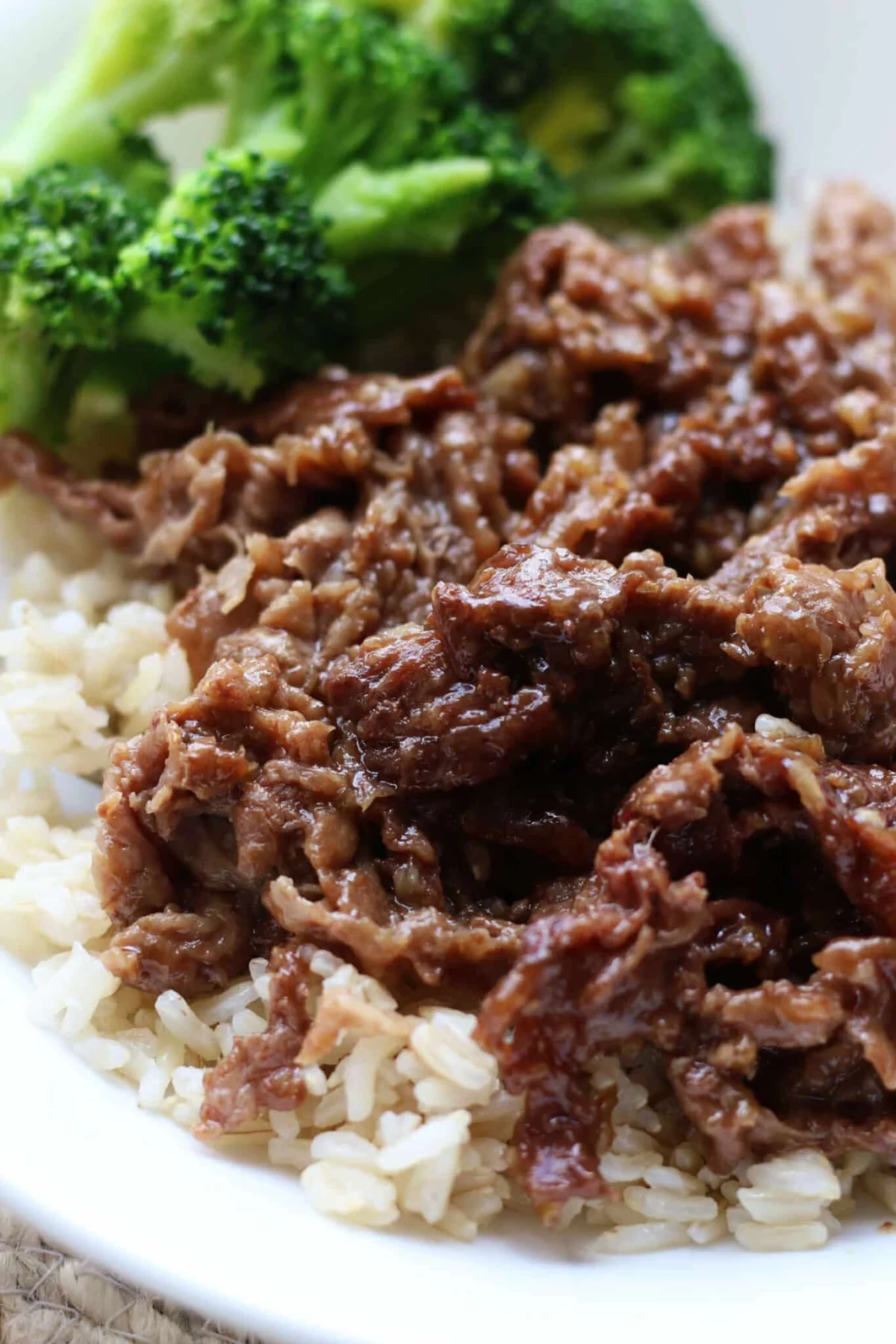
The modern culinary landscape is increasingly defined by the intersection of gourmet flavor and time efficiency, a trend exemplified by the rising popularity of the 30-minute meal. Mongolian Beef, a staple of Chinese-American cuisine, has transitioned from a restaurant-only delicacy to a home-cooked favorite, largely due to innovations in meat processing and a deeper consumer understanding of stir-fry techniques. By utilizing shaved steak and a streamlined sauce preparation, home cooks are now able to replicate complex, savory-sweet profiles in a fraction of the time traditionally required for marinating and slow-cooking tougher cuts of meat.
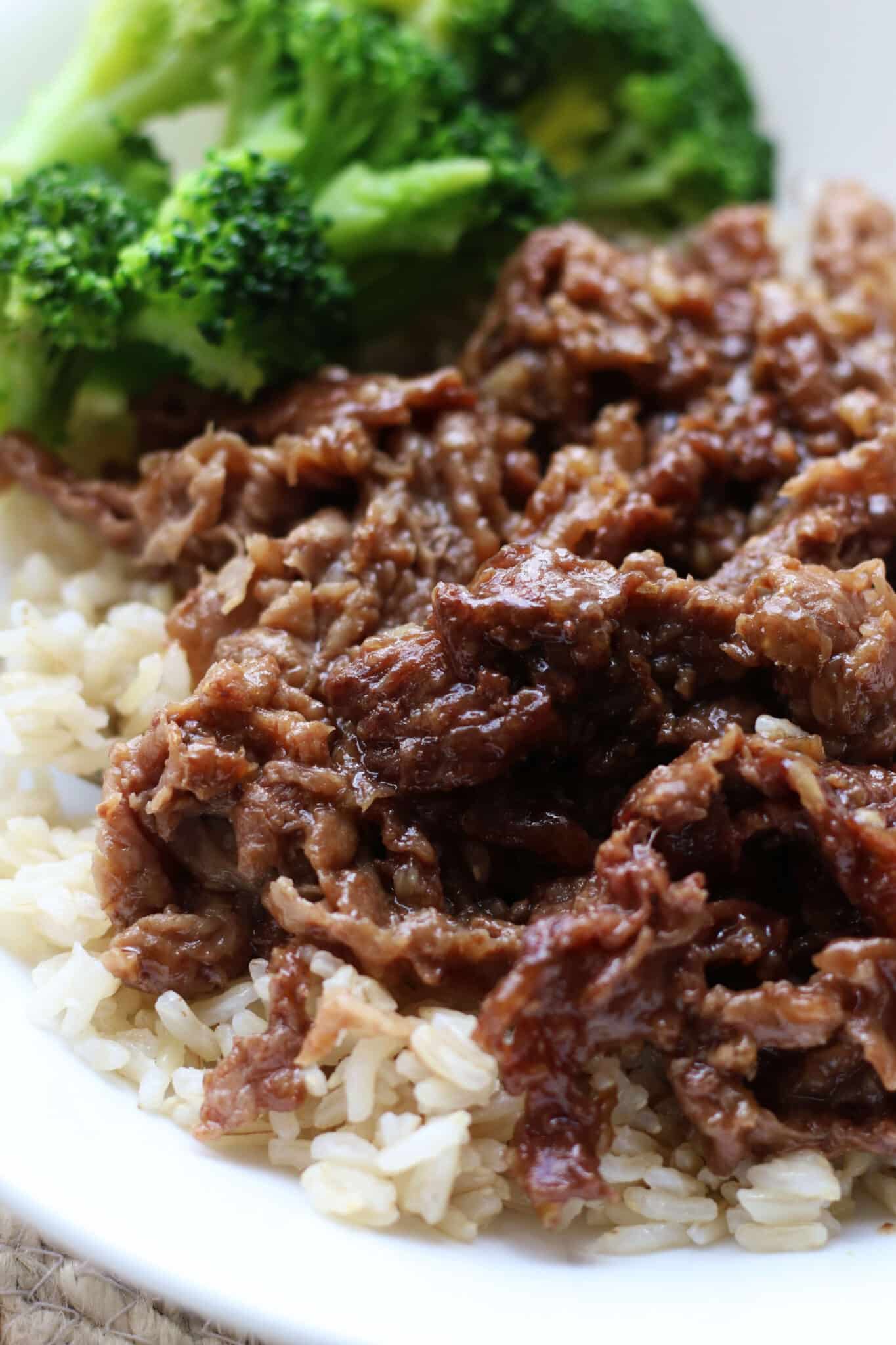
The Evolution of Mongolian Beef in Global Cuisine
Despite its name, Mongolian Beef does not originate from Mongolia. The dish is a product of the Mongolian barbecue style of cooking, which actually emerged in Taiwan during the 1950s. It eventually migrated to the United States, where it was adapted to suit Western palates, emphasizing a heavier reliance on soy sauce and brown sugar. Traditionally, the dish consists of sliced beef, typically flank steak, stir-fried with scallions or onions in a dark, viscous sauce.
The adaptation of this dish into a 30-minute home recipe represents a broader shift in domestic cooking habits. As the cost of dining out continues to rise due to inflationary pressures, consumers are increasingly seeking "fakeaway" options—home-cooked versions of takeout favorites. Market data indicates that the demand for quick-cook meat products, such as pre-sliced stir-fry strips and shaved steak, has grown significantly as households balance busy professional schedules with the desire for high-quality, nutritious meals.
The Role of Shaved Steak in Modern Meat Preparation
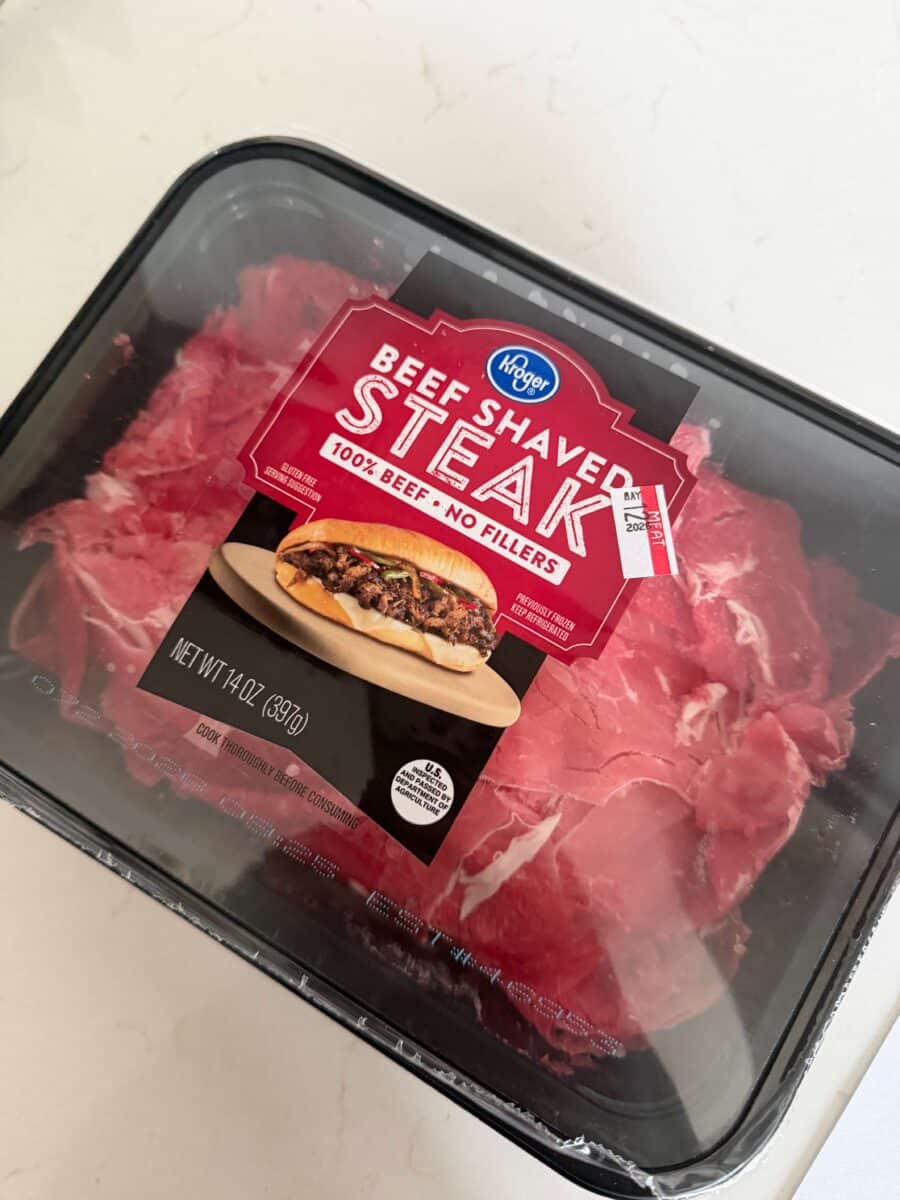
A critical component of the accelerated 30-minute preparation is the use of shaved steak. Traditionally used in Philadelphia cheesesteaks, shaved steak is beef that has been sliced extremely thin, often while semi-frozen, to achieve a delicate texture. This product has recently seen expanded distribution in major grocery chains, such as Kroger and its subsidiaries like Smith’s, where it is marketed as a versatile protein for quick-service meals.
From a technical standpoint, shaved steak offers several advantages for the home cook:
- Surface Area: The increased surface area allows for near-instant browning, which facilitates the Maillard reaction—the chemical reaction between amino acids and reducing sugars that gives browned food its distinctive flavor.
- Tenderness: Because the fibers are cut so thin, even leaner or tougher cuts of beef become easy to chew without the need for lengthy marination or velveting (a Chinese cooking technique involving cornstarch and egg whites).
- Heat Distribution: The thinness of the meat ensures that it reaches a safe internal temperature almost immediately upon contact with a high-heat pan, reducing the risk of overcooking the exterior while waiting for the interior to finish.
Chronological Preparation and Technical Execution
The success of a 30-minute Mongolian Beef relies on a specific sequence of events designed to maximize efficiency and flavor extraction. The process is divided into three primary phases: searing, sauce integration, and emulsification.
Phase I: The Searing Process
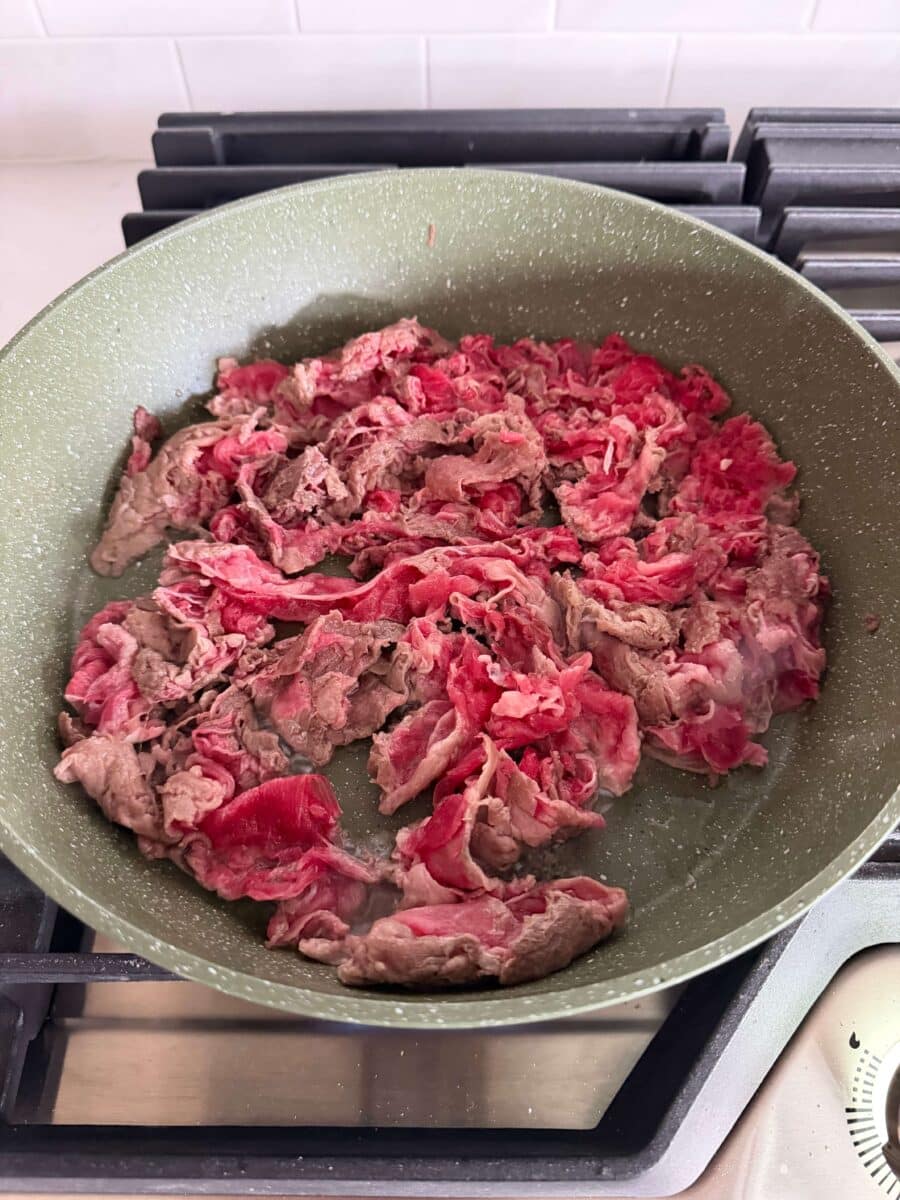
The preparation begins with the application of high heat. A large skillet or wok is heated over medium-high heat with a high-smoke-point oil. The shaved steak is added in a single layer where possible to ensure maximum contact with the heat source. Objective observations of this method show that browning occurs within three to five minutes. Unlike thicker cuts, shaved steak requires minimal agitation to develop a crust.
Phase II: Aromatics and Sauce Formulation
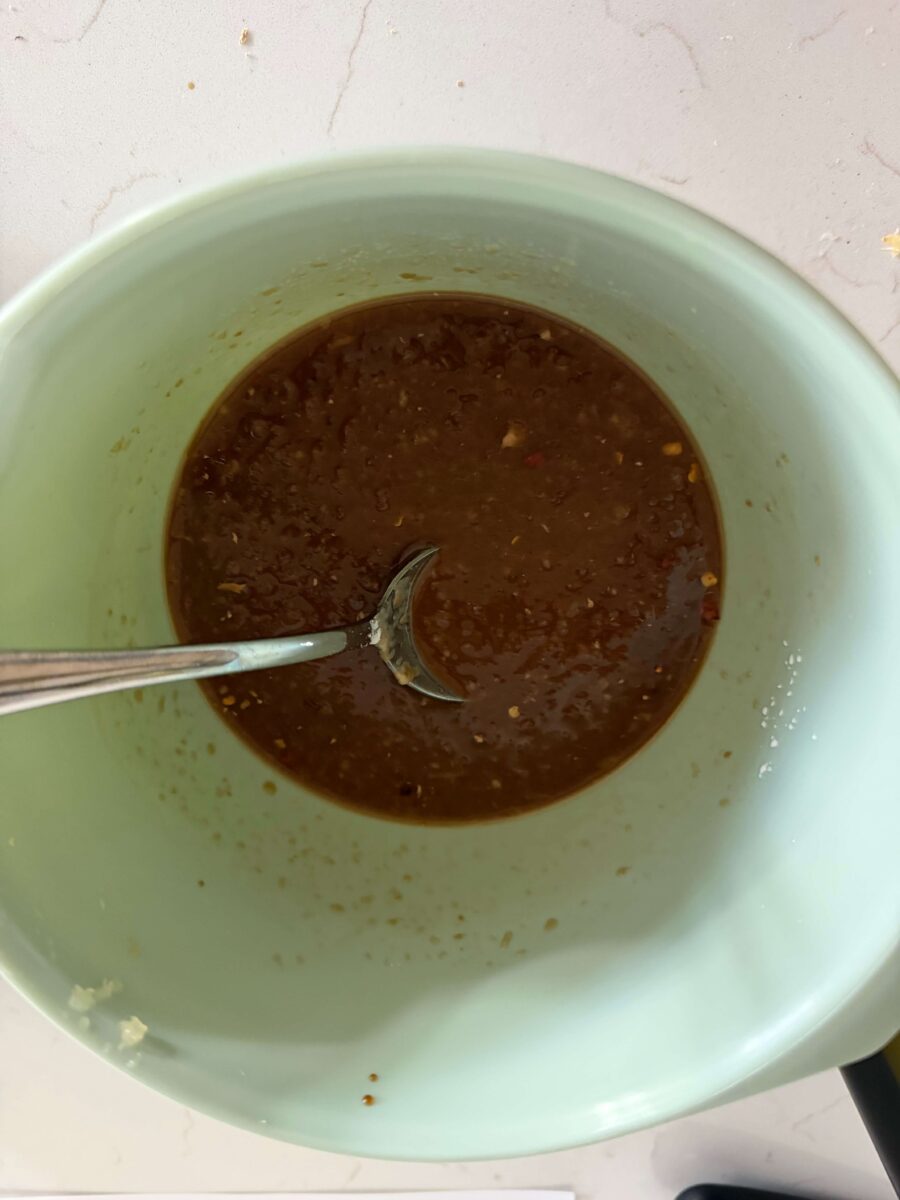
While the beef undergoes the browning process, the flavor base is constructed. This involves a mixture of:
- Aromatics: Minced garlic and ginger provide the foundational pungent and spicy notes.
- Heat: Red pepper flakes are introduced to provide a subtle back-end warmth, balancing the sweetness of the sugar.
- Liquid Base: A combination of soy sauce and water provides the salinity and volume necessary for the sauce.
- Sweetener: Brown sugar is utilized not only for flavor but for its molasses content, which aids in the eventual caramelization of the sauce.
Phase III: Simmering and the Cornstarch Slurry
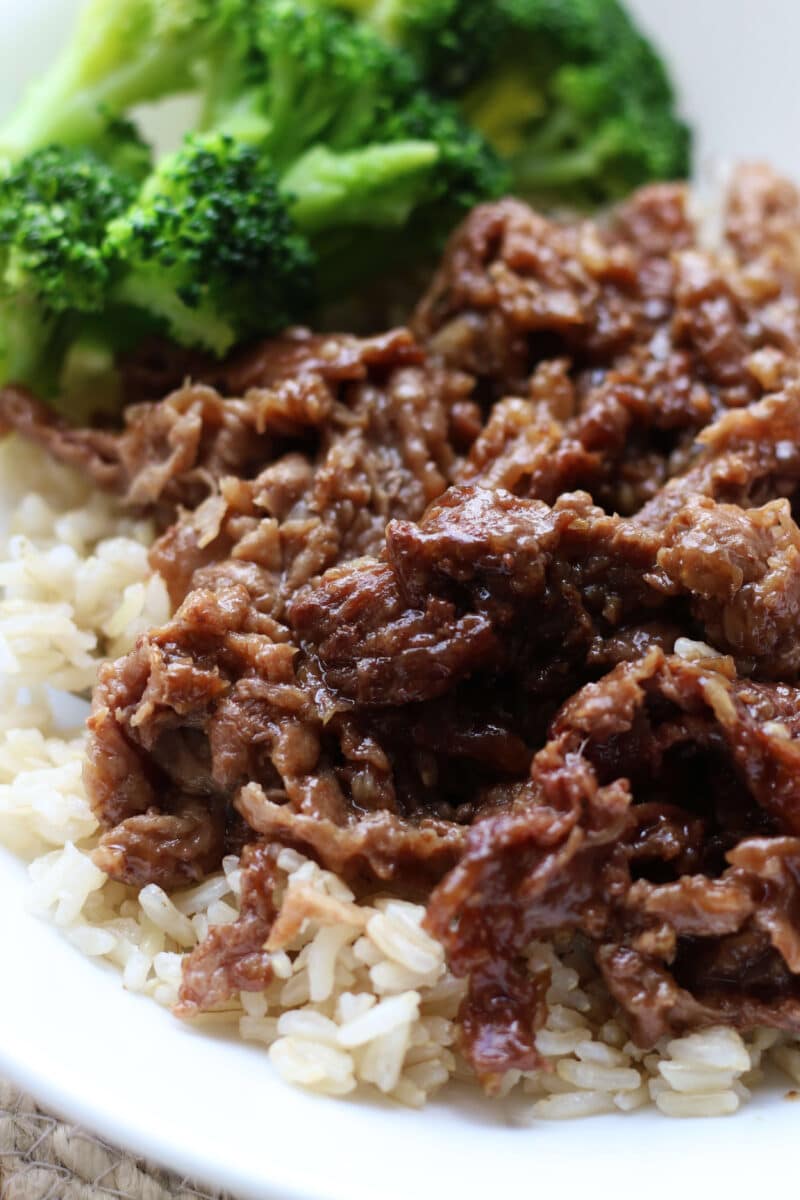
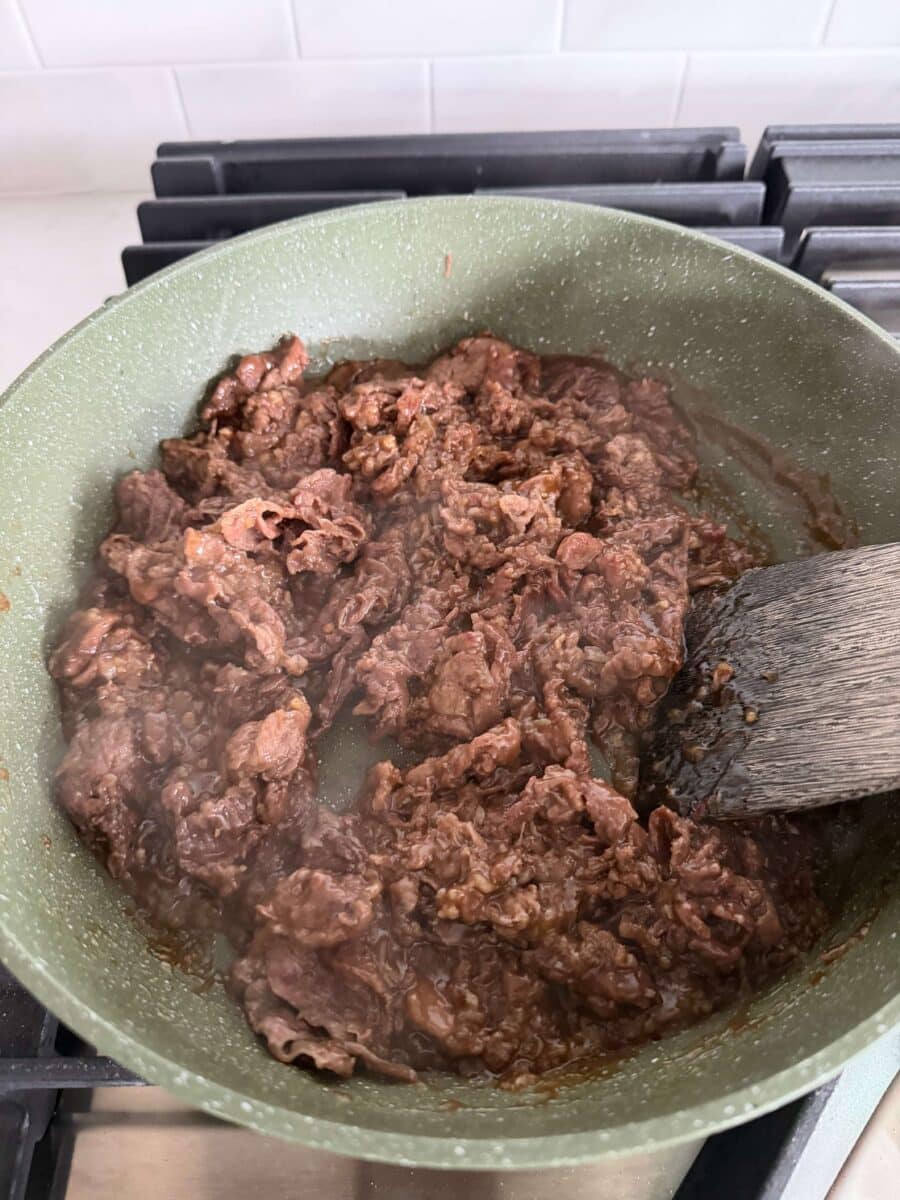
Once the meat is browned, the sauce mixture is introduced directly to the pan. The heat is adjusted to medium, allowing the liquid to reach a simmer. This stage is crucial for the infusion of the garlic and ginger flavors into the beef fibers. To achieve the signature "cling" of Mongolian Beef, a cornstarch slurry—consisting of equal parts cornstarch and cold water—is whisked into the pan. This creates a translucent, thick glaze that coats the meat evenly, a process known in culinary science as starch gelatinization.
Nutritional Analysis and Dietary Customization
As health consciousness among consumers rises, the ability to modify traditional recipes becomes a significant selling point. The standard Mongolian Beef profile is high in sodium and sugar, but the home-cooked version offers several intervention points for nutritional optimization.
Data suggests that reducing the brown sugar content from 1/3 cup to 1/4 cup can significantly lower the glycemic load of the meal without compromising the essential flavor balance. Furthermore, the use of low-sodium soy sauce or liquid aminos provides a pathway for individuals monitoring their salt intake. For those seeking a leaner protein profile, the recipe remains compatible with lean ground beef, which offers a similar cook time and sauce absorption rate.
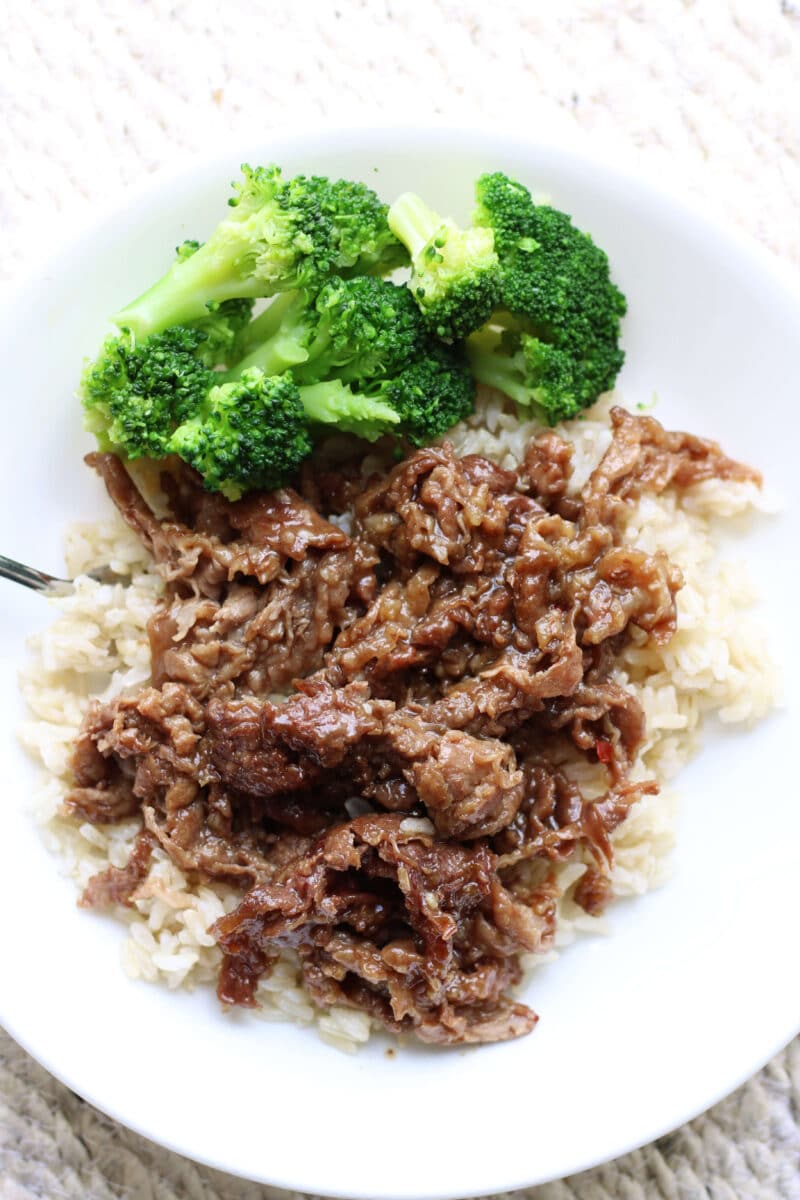
The choice of accompaniment also impacts the dish’s nutritional footprint. While white jasmine rice is the traditional pairing, the integration of brown rice—often prepared in an Instant Pot to save time—increases the fiber content and provides a nuttier flavor profile that complements the savory garlic soy sauce.
Economic and Market Implications
The shift toward 30-minute meals like Mongolian Beef reflects broader economic trends. With grocery prices for beef fluctuating, consumers have become more strategic, often purchasing "shaved" or "value" cuts when they go on sale. Retailers have responded by highlighting these products in weekly circulars, recognizing that ease of preparation is a primary driver for meat department sales.
Industry analysts note that the "semi-homemade" category—where fresh proteins are combined with simple pantry staples—is the fastest-growing segment of the home cooking market. This Mongolian Beef recipe fits perfectly into this niche, requiring only a few fresh ingredients (beef, garlic, ginger) and several long-shelf-life pantry items (soy sauce, sugar, cornstarch).
Expert Perspectives and Consumer Reactions
Culinary experts often point to Mongolian Beef as an entry point for home cooks looking to master stir-fry techniques. "The key to a successful stir-fry isn’t just the heat; it’s the timing of the sauce," says one industry consultant. "By using shaved steak, you eliminate the variable of meat toughness, allowing the cook to focus entirely on the balance of the sauce."
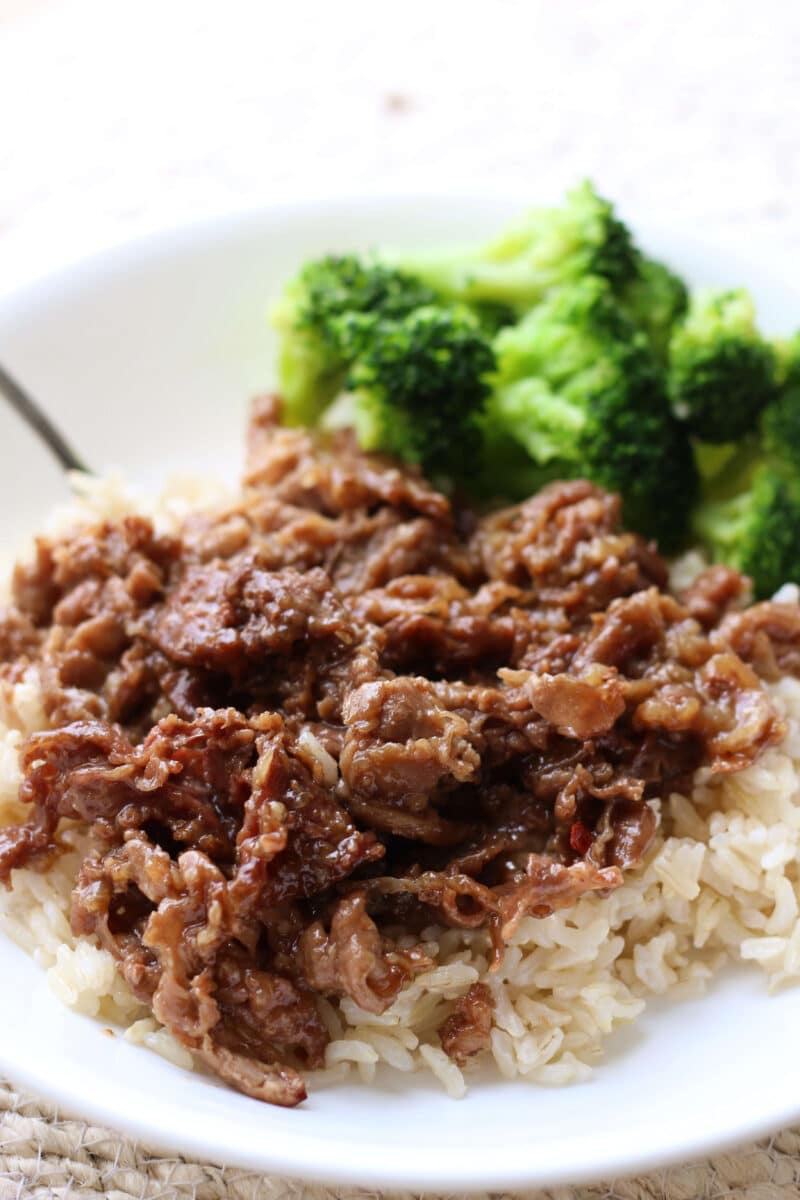
Consumer feedback on similar 30-minute Asian-inspired recipes frequently highlights the "better than takeout" quality. Home cooks report a sense of empowerment in being able to control the quality of the meat and the intensity of the seasoning. The "30-minute" promise is particularly resonant with the "working parent" demographic, which seeks to avoid the nutritional pitfalls of fast food while navigating tight evening schedules.
Broader Impact on Domestic Cooking Trends
The 30-Minute Mongolian Beef is more than just a recipe; it is a blueprint for the future of domestic food preparation. It prioritizes the "active time" of the cook, ensuring that the majority of the 30 minutes is spent on high-impact tasks rather than tedious prep work.
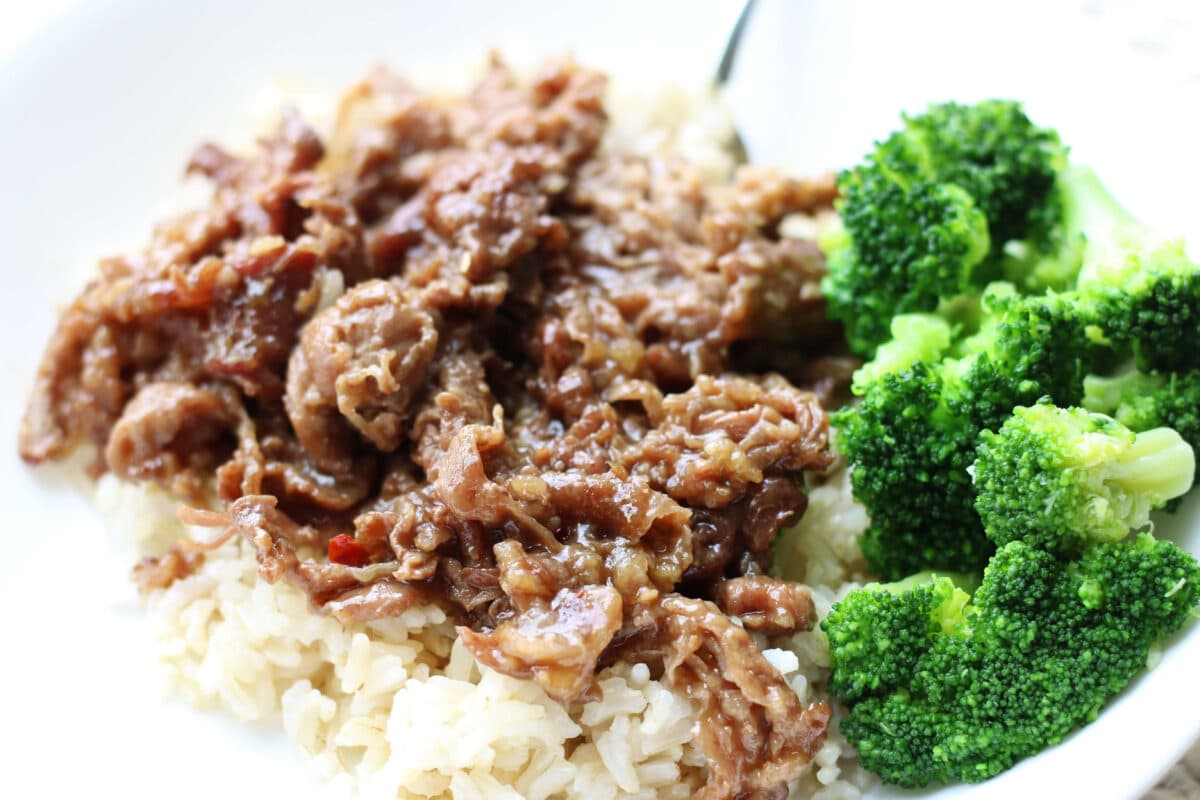
The implications of this trend include:
- Increased Culinary Literacy: Recipes that explain the "why" behind steps like the cornstarch slurry help home cooks develop skills they can apply to other cuisines.
- Reduced Food Waste: By using versatile pantry staples, households are less likely to have obscure, one-off ingredients expiring in their cupboards.
- Sustainability: Quick-cook methods consume less energy (electricity or gas) compared to long braises or roasts, aligning with growing consumer interest in eco-friendly living.
In conclusion, the 30-Minute Mongolian Beef represents a successful adaptation of a classic dish for the modern era. By leveraging specific meat cuts like shaved steak and utilizing efficient cooking sequences, it provides a high-quality dining experience that fits within the constraints of a contemporary lifestyle. As the trend toward fast, flavorful, and customizable home cooking continues to evolve, dishes like this will remain at the forefront of the American kitchen, bridging the gap between traditional restaurant flavors and the practicalities of everyday life.
