
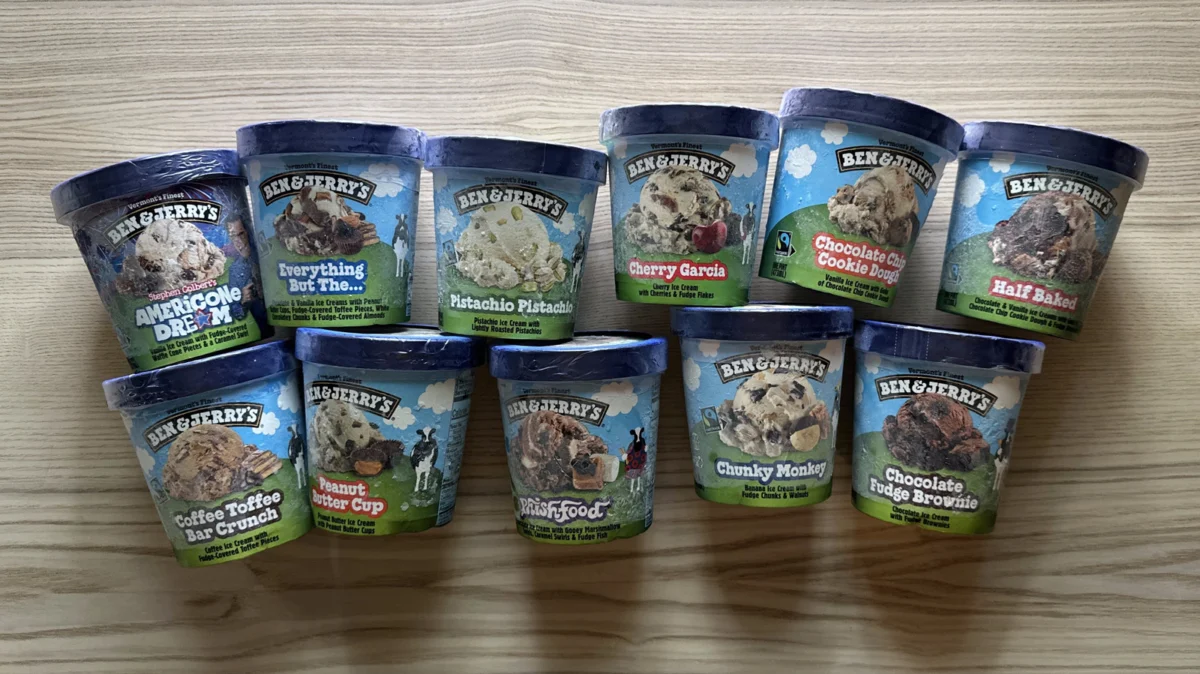
The landscape of the modern American frozen dessert market has undergone a significant transformation since the late 1970s. What began as a modest renovation of a gas station in Burlington, Vermont, in 1978, has evolved into a global phenomenon synonymous with premium, mix-in-heavy ice cream. Ben & Jerry’s Homemade, Inc., founded by Ben Cohen and Jerry Greenfield, pioneered the "super-premium" category, characterized by high butterfat content, lower overrun (air) and, most importantly, the generous inclusion of chunks and swirls. As consumers navigate an increasingly crowded freezer aisle, the brand remains a dominant force, maintaining its market share through a strategy of cultural relevance, social activism, and relentless flavor innovation.
The Evolution of a Frozen Icon
The history of Ben & Jerry’s is rooted in a $5 correspondence course on ice cream making from Pennsylvania State University. By 1979, the duo celebrated the first anniversary of their shop by hosting the inaugural "Free Cone Day," a tradition that continues to drive brand loyalty and customer engagement. Throughout the 1980s and 1990s, the company moved beyond local distribution, entering national grocery chains and solidifying its reputation for experimental flavor profiles.
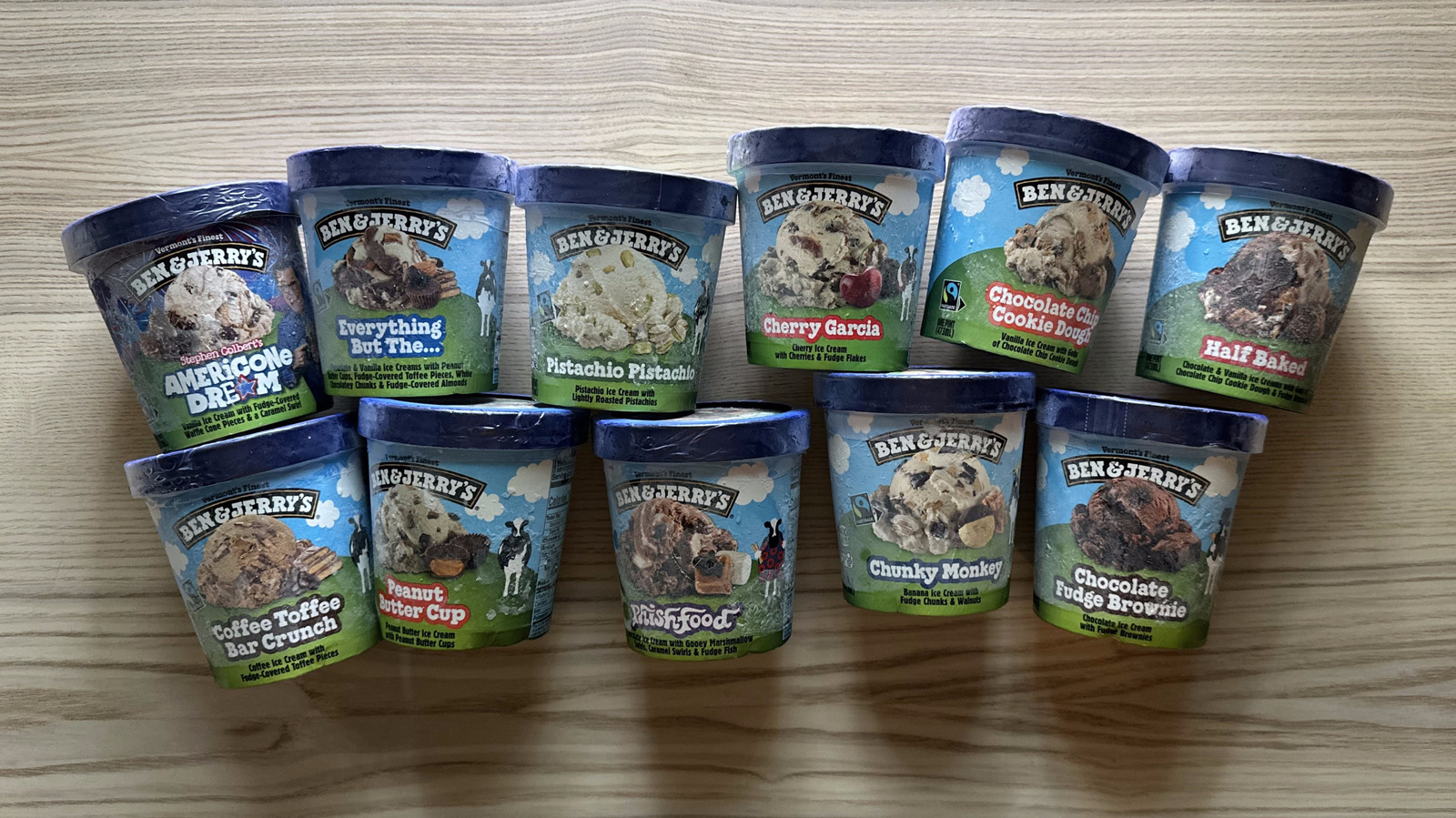
Data from the International Dairy Foods Association suggests that the super-premium segment continues to hold a stable position in consumer spending, despite the rise of low-calorie and dairy-alternative competitors. Ben & Jerry’s success is largely attributed to its ability to balance nostalgia with novelty. By analyzing 11 of their most ubiquitous flavors, one can gain insight into the brand’s technical approach to texture, ingredient ratios, and flavor balance.
Analyzing the Flavor Spectrum: A Performance Review
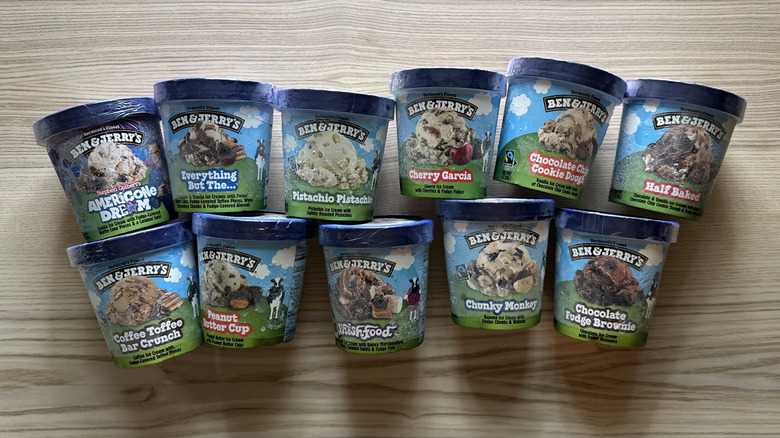
A systematic review of 11 core flavors reveals the brand’s varying success in executing its signature "everything-in-the-pint" philosophy.
The Lower Tier: Challenges in Execution
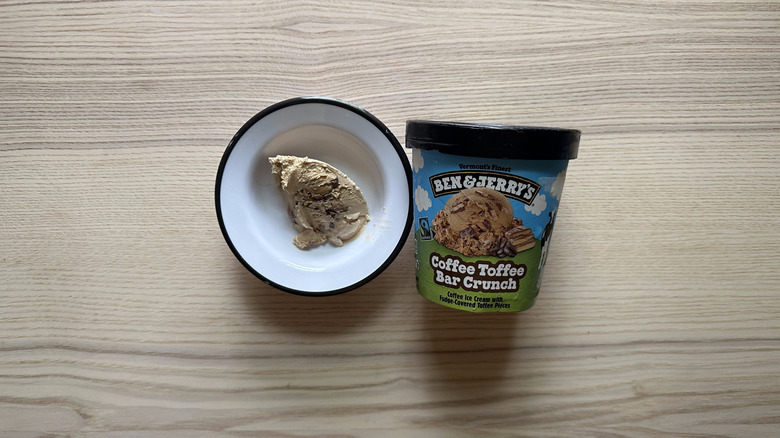
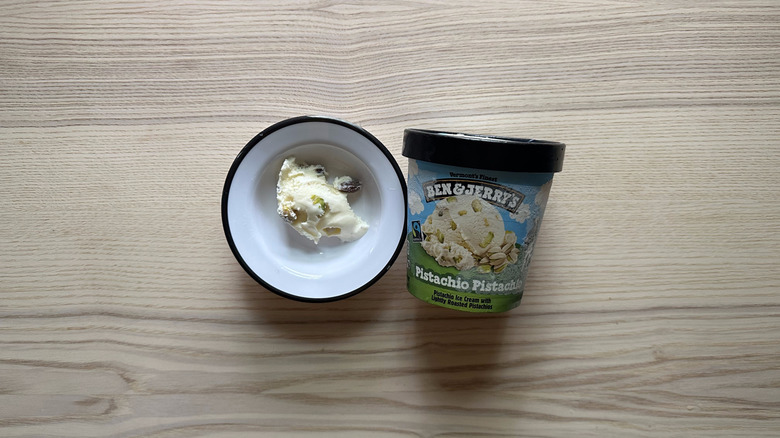
At the bottom of the current performance ranking, Coffee Toffee Bar Crunch presents a discrepancy between conceptual appeal and sensory execution. While coffee-based ice creams often offer a sophisticated, bitter-sweet profile, this iteration has been noted for an unexpected metallic note that detracts from the coffee bean essence. Similarly, Pistachio Pistachio struggles with ingredient intensity; while the brand provides a high ratio of nuts, the base flavor profile is often criticized for a synthetic sweetness that masks the natural, earthy quality of the pistachio.
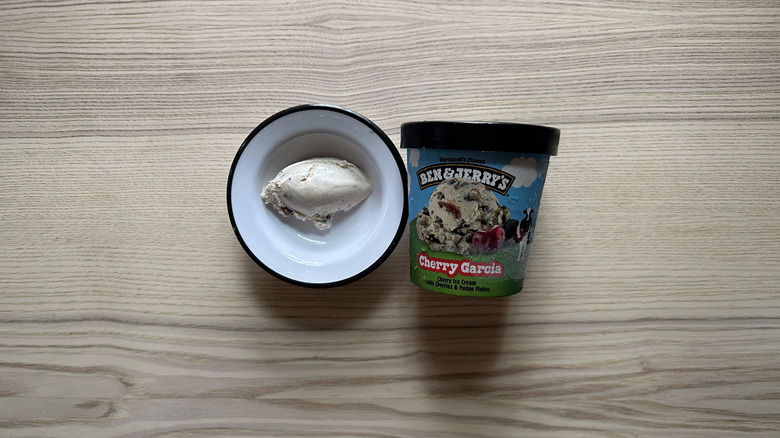
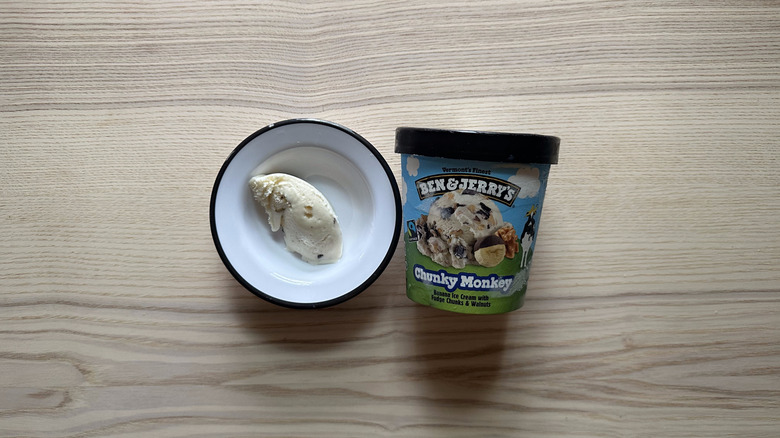
Cherry Garcia, perhaps the brand’s most iconic legacy flavor, remains a staple. However, when assessed against modern flavor standards, its reliance on a singular fruit-forward profile leaves some consumers desiring the textural depth found in the brand’s newer, more complex offerings. Chunky Monkey, while historically significant for introducing banana as a primary base, remains a niche product due to the polarizing nature of banana flavoring.
The Mid-Range: Complex Profiles
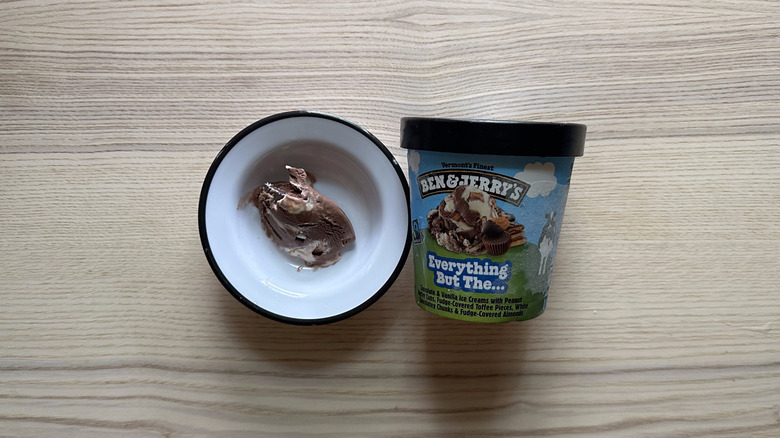
The mid-tier of the ranking features flavors that lean heavily into the brand’s experimental nature. Everything But The… serves as a case study in "maximalist" ice cream design. By incorporating toffee, fudge-covered almonds, white chocolate, and peanut butter cups into a dual-base pint, the product achieves a high degree of complexity. However, for many, the lack of a neutral or acidic counterpoint—such as a fruit element—can render the experience overwhelming.
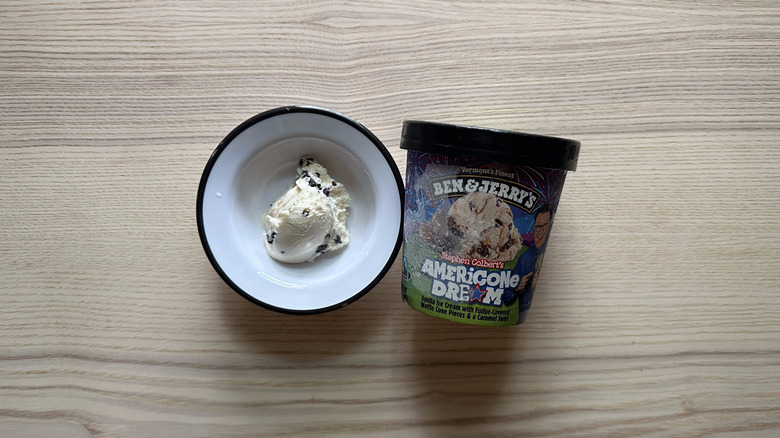
Americone Dream, a collaboration with late-night host Stephen Colbert, succeeds by integrating the "waffle cone" texture directly into the pint. The inclusion of caramel swirls provides a necessary bridge between the chocolate-covered cone pieces and the sweet cream base. Half Baked, which combines the two most popular components—cookie dough and brownies—stands as a high-volume performer, though the sheer sugar density of the combined ingredients can occasionally overshadow the nuances of the base ice cream.
The Top Performers: Mastery of Texture and Balance
The upper echelon of the lineup demonstrates the brand’s ability to refine its formulas for mass appeal. Chocolate Fudge Brownie is frequently cited for its superior cocoa density, which avoids the common pitfall of being overly diluted by milk proteins. Peanut Butter Cup excels by addressing a common consumer complaint: the stinginess of mix-ins. By providing large, substantial chunks of peanut butter cups, the brand maintains a high value-to-cost perception.
Phish Food represents a triumph of contrast. The combination of a rich chocolate base with marshmallow swirls and caramel creates a structural diversity that few other brands achieve. The inclusion of the "fudge fish" adds a unique tactile experience, further distinguishing the flavor from generic chocolate-based pints.
At the pinnacle of the list, Chocolate Chip Cookie Dough remains the industry gold standard. Its success is rooted in the "gobs" of dough, which provide a chewy, gritty texture that mimics the sensation of eating raw cookie dough—a childhood staple that the brand successfully brought to the freezer aisle. The balanced ratio of dough-to-vanilla-base demonstrates a precise understanding of the consumer’s desire for textural variety.
Methodology and Industry Context
The evaluation of these flavors relied on a multi-factor analysis: flavor profile, textural diversity, and the "novelty factor." In the current market, consumer trends indicate a move toward "permissible indulgence," yet the continued popularity of high-calorie, heavy-mix-in pints suggests that the traditional super-premium category remains resilient.
The ranking process considered the following criteria:
- Flavor Harmony: Does the sweetness overwhelm the individual components?
- Texture Ratio: Is there a consistent balance between the cream, the swirl, and the solid inclusions?
- Quality Consistency: Are the ingredients reflective of the premium price point?
Broader Implications and Future Outlook
Ben & Jerry’s strategy of leveraging "limited batch" and "core" flavors has allowed the brand to remain agile in a competitive market. By constantly iterating on existing concepts—such as the introduction of the "Core" line, which features a central column of sauce—the company has managed to maintain the interest of a younger, trend-driven demographic while keeping its traditional base satisfied.
The implications for the wider ice cream industry are clear: success is no longer defined merely by the quality of the dairy base, but by the complexity of the "eating experience." As competitors continue to refine their own mix-in strategies, Ben & Jerry’s advantage remains its historical association with innovation and its ability to turn a simple commodity into a highly anticipated consumer event. Whether through the seasonal rotation of flavors or the constant refinement of their supply chain—which emphasizes fair trade and non-GMO ingredients—the brand continues to shape the standards by which the global ice cream market is measured.
Ultimately, while preferences remain subjective, the continued dominance of established, texture-heavy favorites like Chocolate Chip Cookie Dough suggests that consumers are not looking for a reinvention of the wheel, but rather a mastery of the familiar. As the company moves toward its fifth decade, its ability to maintain this equilibrium between radical flavor creation and reliable comfort will be the primary determinant of its continued longevity in an increasingly crowded and health-conscious food environment.
