
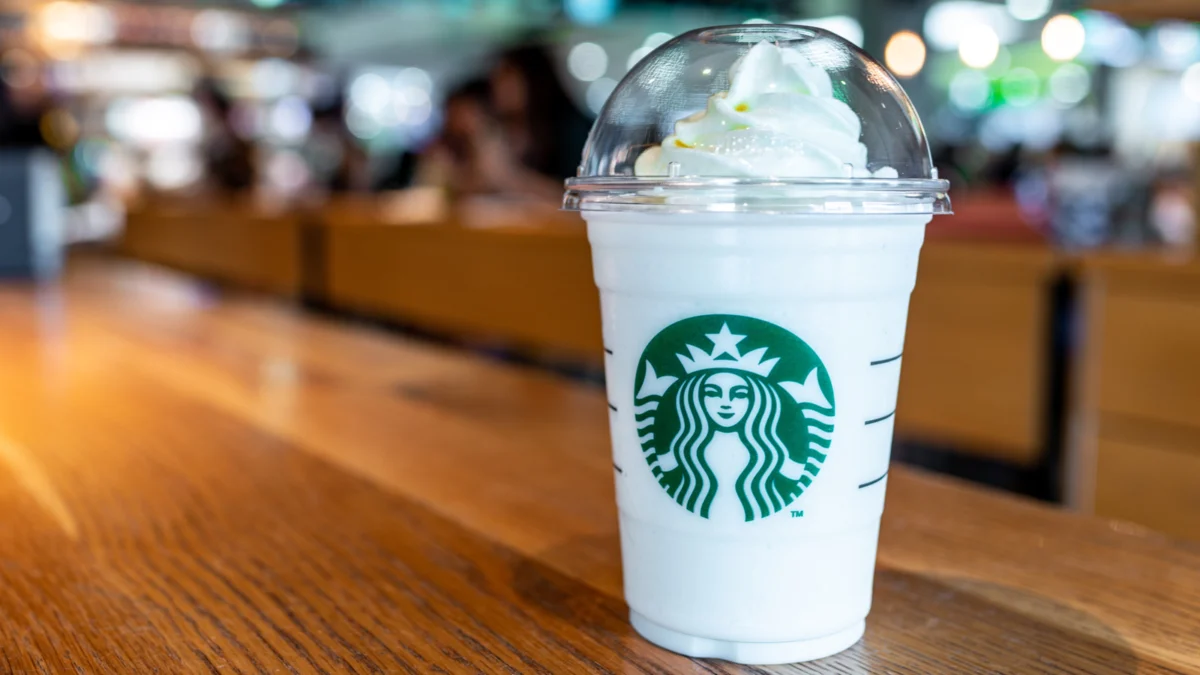
The Evolution of the Blended Beverage
Since the introduction of the Frappuccino to the Starbucks menu in 1995—originally inspired by the success of blended coffee drinks at The Coffee Connection in Massachusetts—the product line has undergone significant diversification. While the original recipes were coffee-centric, the Crème line was developed to appeal to a younger demographic and those seeking a dessert-like experience without the caffeine jolt.
The Vanilla Bean Crème Frappuccino became the industry benchmark for this category, utilizing a base of milk, ice, and vanilla bean powder. Its popularity was built on its consistency and accessibility. In contrast, the Matcha Crème Frappuccino represents a maturation of the category. By blending premium matcha green tea powder with a crème base, Starbucks offers a profile that sits at the intersection of traditional Japanese tea culture and modern Western fast-casual convenience.
Chronology and Market Reception
The rise of the Matcha Crème Frappuccino is not an overnight phenomenon but the result of a decade-long increase in global matcha consumption. According to market research data from 2015 to 2025, the demand for green tea-based beverages has seen a compound annual growth rate (CAGR) of approximately 7.2%.
- 2010–2015: Starbucks begins testing localized matcha drinks in Asian markets, where green tea is a cultural staple.
- 2016–2018: Seeing success in international markets, the company introduces the Matcha Crème Frappuccino to the core North American menu.
- 2019–2022: Customer customization trends emerge on social platforms, with users experimenting with non-dairy milks and flavor additions like strawberry puree.
- 2023–Present: The drink solidifies its place as a top-tier performer in "Crème" category sales, consistently outperforming other seasonal non-coffee blended offerings.
Analyzing the Flavor Profile and Sensory Appeal
The technical superiority of the Matcha Crème Frappuccino, according to recent culinary assessments, lies in its ability to manage the sugar content inherent in blended beverages. A standard crème-based Frappuccino often relies on pure sweetness to satisfy the palate. The introduction of high-grade matcha—characterized by its high chlorophyll content and specific amino acid profile—introduces a layer of umami and mild bitterness.
This bitterness acts as a functional "palate cleanser" that cuts through the viscosity of the blended ice and dairy base. From a sensory analysis perspective, the "grassiness" of the matcha provides a brightness that prevents the drink from becoming cloying. This is precisely why it resonates with a broader audience: it satisfies the craving for a cold, creamy treat while simultaneously providing a more nuanced gustatory experience than the one-dimensional sweetness of vanilla.
Consumer Feedback and Customization Trends
The discourse surrounding the drink on digital forums, such as Reddit and various food-focused social media channels, highlights a polarized but passionate fanbase. Proponents of the drink frequently cite its "refreshing" quality, noting that it feels less heavy than chocolate or vanilla-based alternatives.
The drink’s popularity has also been bolstered by its "blank canvas" nature. Because the matcha flavor is distinct but not overpowering, it serves as an excellent base for customization. Starbucks baristas report that the most frequent modifications include:
- Milk Substitutions: Replacing standard 2% milk with oat or coconut milk to enhance the nutty notes of the green tea.
- Espresso Infusions: Adding a single shot of espresso to create a "dirty" matcha Frappuccino, bridging the gap between tea and coffee profiles.
- Syrup Additions: Using raspberry or strawberry syrups to create a visual and flavor contrast that mimics "spring-like" aesthetics.
Conversely, detractors of the drink often point to the texture of the powder if it is not emulsified correctly, or the aforementioned "earthy" flavor that some consumers find reminiscent of cut grass. This divide in opinion confirms that while the Matcha Crème Frappuccino may be the "best" in terms of complexity and balance, it remains a distinct flavor profile compared to the universal appeal of vanilla.
Broader Economic and Brand Implications
For Starbucks, the success of the Matcha Crème Frappuccino serves as a case study in effective product positioning. By elevating a niche, historically "exotic" ingredient to a mainstream, high-volume menu item, the company has effectively future-proofed its cold-beverage portfolio against changing tastes.
Data suggests that as Gen Z and Alpha cohorts gain more purchasing power, their preference for health-adjacent and plant-derived ingredients will only grow. Matcha, which is often associated with antioxidants and sustained energy—despite the sugar content of the Frappuccino—benefits from this "health halo" effect.
Furthermore, the operational implications are significant. Using a standardized powder allows for consistent preparation across thousands of locations globally. Unlike fresh fruit or artisanal syrups that may spoil, matcha powder has a longer shelf life and requires less cold-chain infrastructure, making it an economically efficient product for the company to push.
The Future of the Blended Lineup
While the Vanilla Bean Crème Frappuccino will likely remain a fixture of the Starbucks menu due to its nostalgic value and popularity with younger children and those seeking caffeine-free alternatives, the industry’s shift toward the Matcha Crème Frappuccino indicates a larger trend. Consumers are demanding more "adult" flavor profiles in their fast-casual dining experiences.
The company’s R&D department is reportedly continuing to look for ways to expand the Crème line, likely drawing inspiration from other international flavors that can be blended and sweetened. However, for the current fiscal cycle, the data is clear: the Matcha Crème Frappuccino is the standout performer in the blended, non-coffee segment. Whether it can maintain this position depends on the company’s ability to source high-quality matcha at scale and keep pace with the evolving customization demands of its digital-first customer base.
As Starbucks looks toward future menu rotations, the success of this specific drink provides a blueprint: take a familiar, high-performance base and introduce a sophisticated flavor variable that challenges the palate without alienating the mass market. For now, the matcha-infused blend remains the definitive leader for those looking for a sophisticated, balanced, and aesthetically pleasing treat.
