
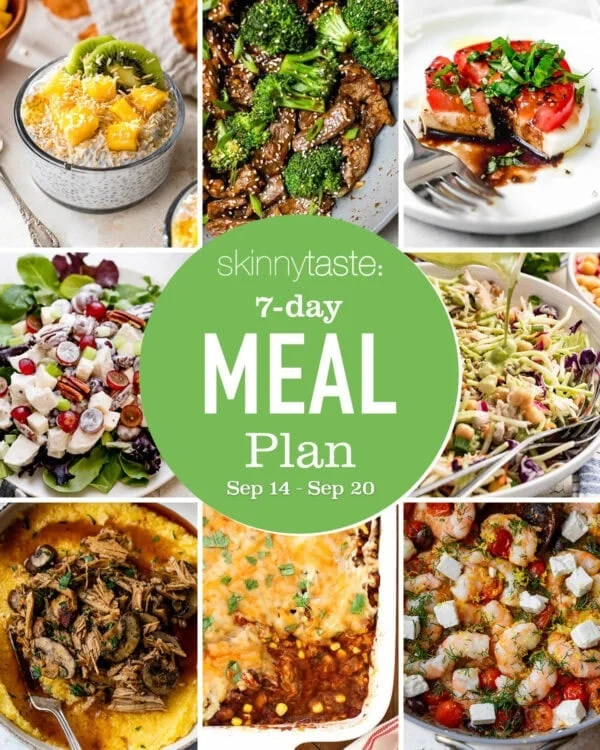
As the transition from late summer to the autumn harvest season begins, individuals looking to maintain structured nutritional goals face the logistical challenges of balancing rising grocery costs with the demand for healthy, sustainable eating habits. The week of September 14 through September 20 marks a critical window for seasonal produce consumption, particularly as apple-picking operations reach their peak capacity across many regions. To assist in navigating these requirements, this comprehensive seven-day meal plan provides a blueprint for balanced nutrition, incorporating specific caloric benchmarks and organized procurement strategies designed to minimize food waste.
Seasonal Transitions and Nutritional Planning
The agricultural calendar dictates that late summer, specifically late July through August, serves as the primary harvest window for early apple varieties such as Gala and Lodi. By mid-September, the focus shifts to late-season cultivars, including Honeycrisp, McIntosh, and Jonathan. Orchard operations report that these varieties reach peak sugar content and texture profiles during this period. For consumers, the integration of these seasonal ingredients into a structured meal plan offers a method to manage food costs while ensuring the intake of nutrient-dense, locally sourced fiber and antioxidants.
Strategic meal planning serves as a significant tool in mitigating the impact of food inflation. By adopting a "cook once, eat twice" methodology—where dinner preparations are calculated to yield leftovers for the following day’s lunch—households can reduce the frequency of dining out, which typically carries a higher per-meal cost. This approach is supported by nutritional frameworks that emphasize consistency in macro-nutrient distribution, ensuring that protein, healthy fats, and complex carbohydrates are accounted for across all three primary daily meals.
Chronological Nutritional Framework (September 14–20)
The following schedule provides a structured guide for the third week of September. This plan assumes a flexible caloric intake, with daily totals ranging between 1,000 and 1,150 calories per day, designed to be supplemented based on individual metabolic needs, physical activity levels, and personal health goals.

Monday, September 14
The week commences with a focus on high-fiber and lean protein intake. Breakfast consists of a mushroom-spinach scrambled egg preparation paired with whole-grain bread. Lunch utilizes a chicken Waldorf salad to leverage lean protein, while dinner transitions to a late-summer vegetable enchilada casserole served with cilantro-lime rice. Total caloric intake for this baseline is approximately 1,053 calories.
Tuesday, September 15
Consistent with Tuesday efficiency, the morning meal replicates the previous day’s mushroom-spinach scramble. The midday meal features a repeat of the chicken Waldorf salad. The evening dinner utilizes the remaining portions of the vegetable enchilada casserole and rice, effectively managing resource allocation to minimize waste.
Wednesday, September 16
Mid-week nutrition shifts toward heart-healthy grains and legumes. Breakfast is a peanut butter oatmeal bowl, followed by the final portion of the chicken Waldorf salad for lunch. The dinner menu introduces pasta with Italian chicken sausage, escarole, and beans, accompanied by a traditional Caprese salad to balance the meal’s profile.
Thursday, September 17
The morning routine features a tropical chia pudding bowl, chosen for its high protein and fiber content. Lunch provides an opportunity to consume the leftover pasta with chicken sausage and escarole. The evening dinner shifts to a classic beef and broccoli stir-fry served over brown rice, providing a change in flavor profile while maintaining caloric constraints.
Friday, September 18
Friday morning begins with the tropical chia pudding. Lunch remains focused on the leftover pasta, while the dinner service features shrimp saganaki served with brown rice. This meal concludes the work week with a focus on lean, heart-healthy proteins.

Saturday, September 19
The weekend transition involves a breakfast casserole with sausage and fruit. Lunch features a California roll-inspired cucumber salad. Saturday evening is designated for dining out, allowing for flexibility in the nutritional plan to account for social engagements.
Sunday, September 20
The week concludes with the remaining portions of the breakfast casserole. Lunch consists of a green goddess chicken and chickpea salad. The final dinner of the week is a slow-cooked pork roast paired with garlic-sautéed green beans, providing a robust meal to close the seven-day cycle.
Data-Driven Dietary Considerations
The implementation of this meal plan relies on the principle of caloric flexibility. Health experts emphasize that a "one-size-fits-all" approach to nutrition is rarely effective; instead, individuals are encouraged to use standardized tools, such as the MyPlate guidelines established by the U.S. Department of Agriculture (USDA), to determine their specific caloric requirements.
For the purposes of this plan, the provided caloric totals serve as a baseline. The structure intentionally leaves "wiggle room" for the inclusion of snacks, supplemental beverages, and moderate caloric adjustments. This flexibility is essential for long-term adherence, as rigid dietary structures often lead to early abandonment. Furthermore, the inclusion of a comprehensive shopping list serves as a tactical response to rising food prices, allowing for the consolidation of bulk ingredients and the reduction of impulsive, high-cost supermarket purchases.
Economic and Logistical Implications
The rise in the Consumer Price Index (CPI) for food at home has necessitated a shift in how families approach weekly grocery expenditures. Meal planning has moved from a lifestyle preference to a financial necessity for many. By mapping out a week of meals, households can:
- Reduce Food Waste: By calculating exact quantities for recipes, the likelihood of discarding spoiled produce is significantly lowered.
- Optimize Procurement: Bulk purchasing of staples—such as brown rice, dry beans, and shelf-stable proteins—can lead to significant long-term savings.
- Enhance Nutritional Literacy: Standardizing the inclusion of macro-nutrients ensures that participants are not merely eating for volume but for nutritional quality.
Industry analysts suggest that the trend toward organized meal planning will continue to grow as consumers look for ways to balance the rising cost of living with the increasing health consciousness of the general population. Digital tools, including shared grocery lists and mobile applications that track nutritional data, have become essential components of this shift.
Community Integration and Future Planning
Beyond the individual benefits of meal planning, social support systems play a vital role in sustained dietary change. Platforms that facilitate the exchange of recipe modifications, photography of completed meals, and general encouragement—such as dedicated social media community groups—provide the social proof necessary to keep participants engaged.
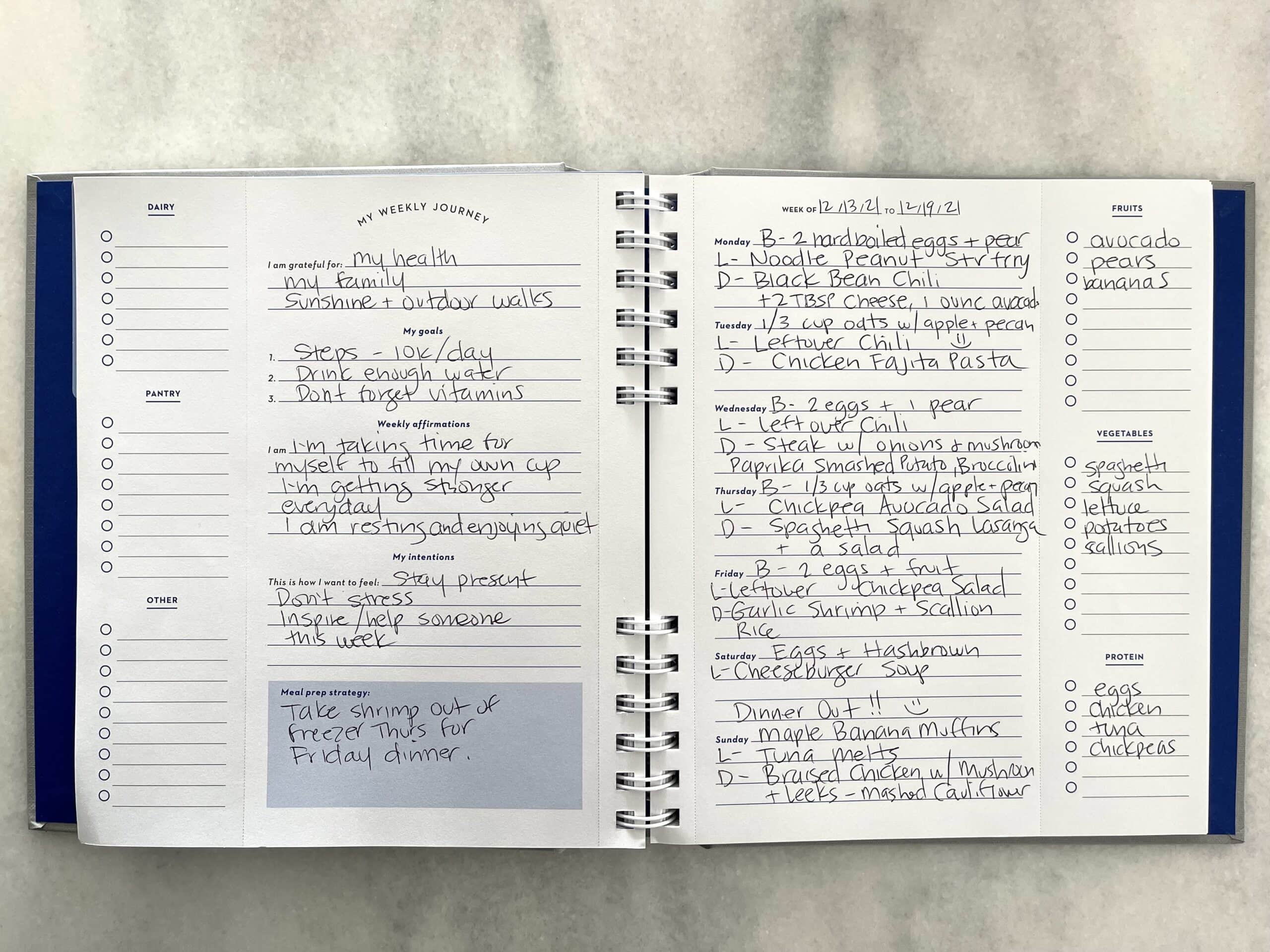
For those seeking to scale these habits beyond a seven-day cycle, the use of long-term planning tools, such as 52-week spiral-bound meal planners, is increasingly recommended. These tools allow for the integration of gratitude, daily affirmations, and long-term goal setting, which are often cited by behavioral psychologists as key components in the successful maintenance of healthy lifestyle modifications. As the seasonal cycle moves from the harvest of fall into the winter months, the ability to adapt these foundational principles to seasonal availability will remain a cornerstone of sustainable, cost-effective nutrition.
