
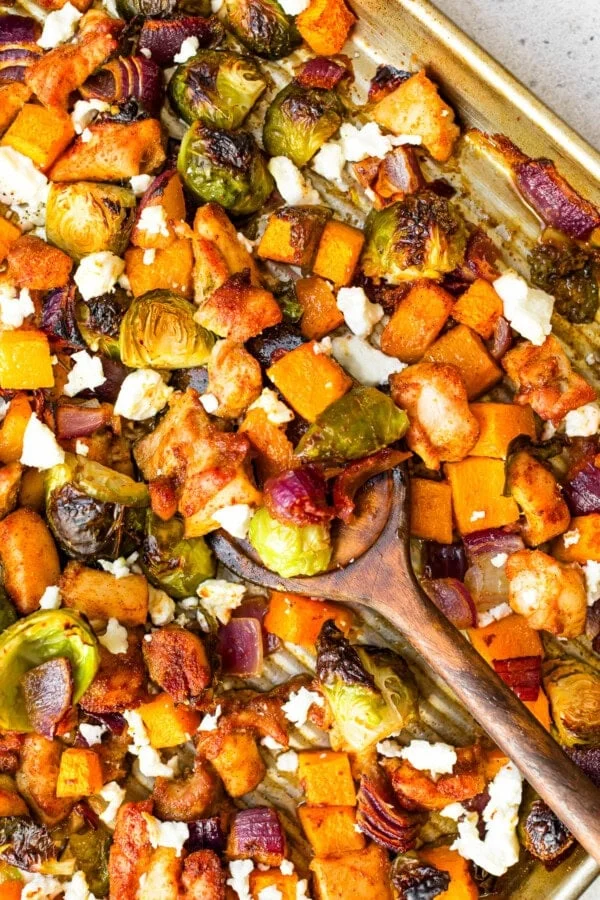
Nutritional Composition and Dietary Context
The nutritional profile of this autumn-themed sheet pan dinner is designed to meet the requirements of health-conscious demographics seeking high-protein intake without excessive caloric density. With a caloric content of approximately 401 kcal per serving, the dish provides 40.5 grams of protein, making it an effective choice for individuals managing weight or maintaining muscle mass.
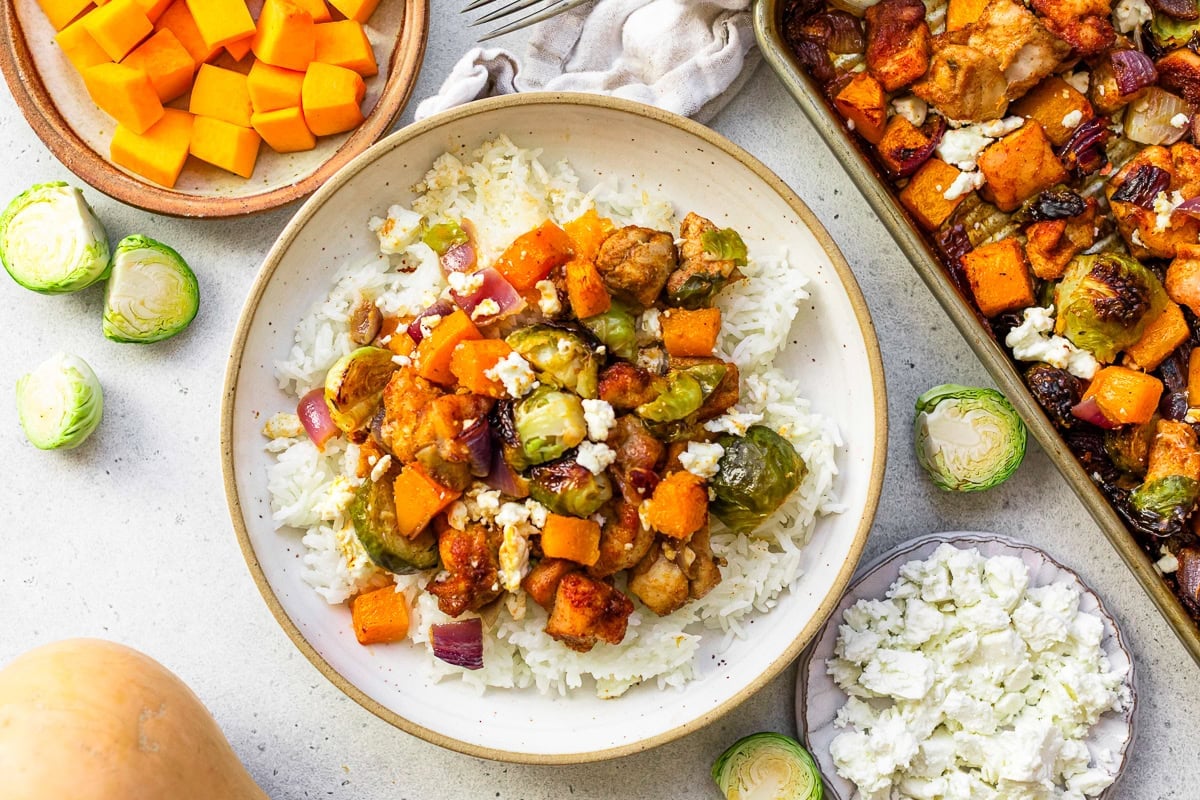
From a dietary standpoint, the incorporation of butternut squash provides a significant source of complex carbohydrates and dietary fiber (4.5g), while Brussels sprouts contribute essential micronutrients including Vitamin K and Vitamin C. The use of feta cheese introduces saturated fats and sodium, which serve as flavor enhancers but necessitate moderation for those tracking heart-health markers. The inclusion of red onion adds phytochemicals and antioxidants, rounding out a profile that aligns with Mediterranean-style dietary patterns frequently recommended by nutritionists for long-term health outcomes.
Evolution of the Sheet Pan Methodology
The popularity of sheet pan cooking, or "tray-baking," has seen a marked increase in the culinary industry over the past decade. Food historians and culinary analysts attribute this rise to a confluence of factors, most notably the accelerated pace of contemporary life. The methodology relies on the Maillard reaction—a chemical process between amino acids and reducing sugars that gives browned food its distinctive flavor. By roasting chicken breast alongside root vegetables and cruciferous greens at a high temperature, home cooks can achieve optimal caramelization and texture uniformity within a 35-minute cooking window.
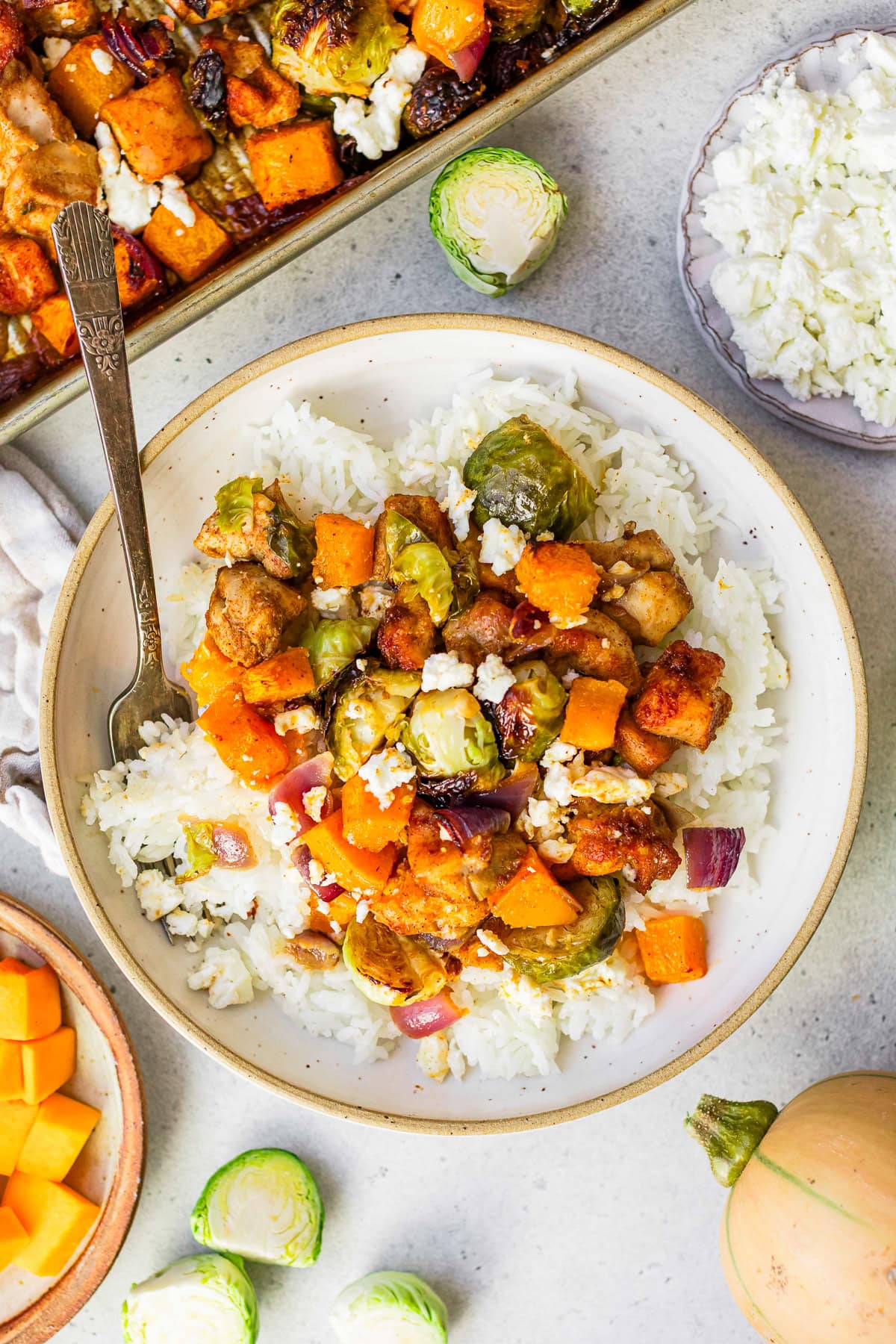
This technique represents a departure from traditional stove-top methods, which often require constant monitoring and the use of multiple pots and pans. By consolidating the cooking process, energy consumption is reduced, and the risk of overcooking individual components is mitigated by the deliberate selection of vegetables that possess similar roasting thresholds.
Culinary Chronology and Preparation
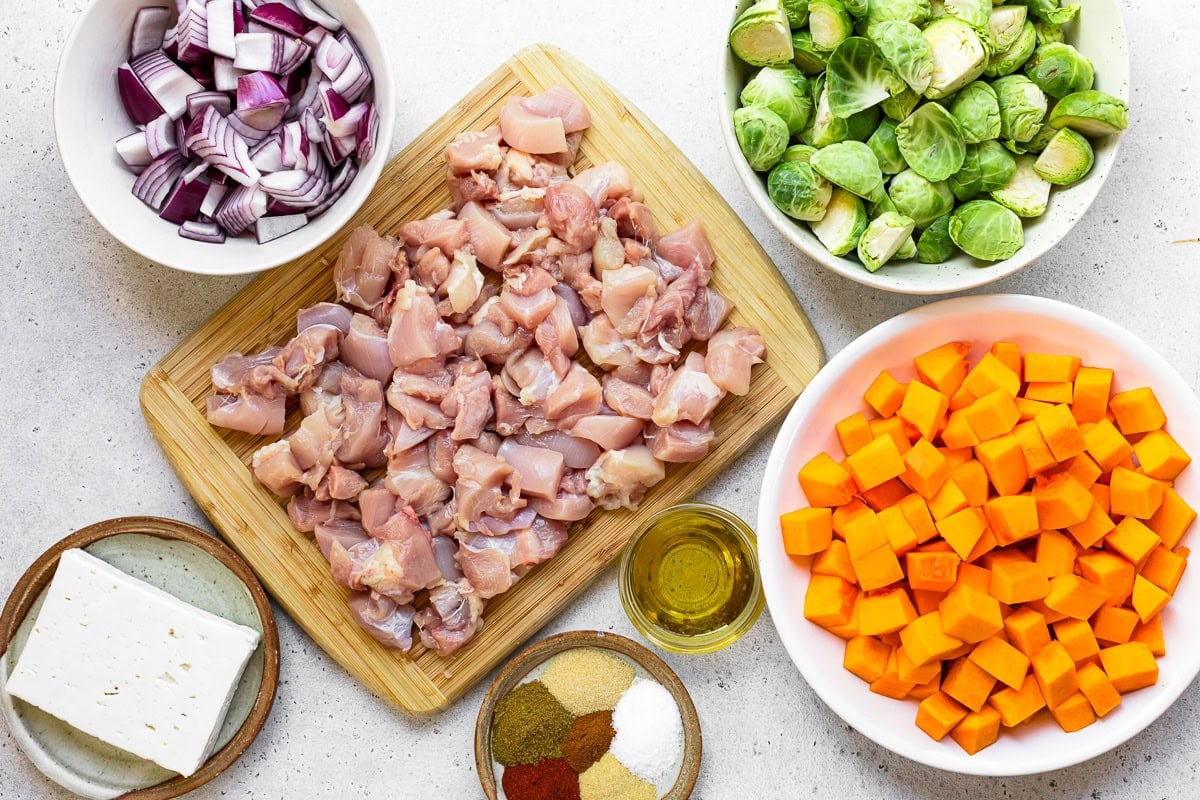
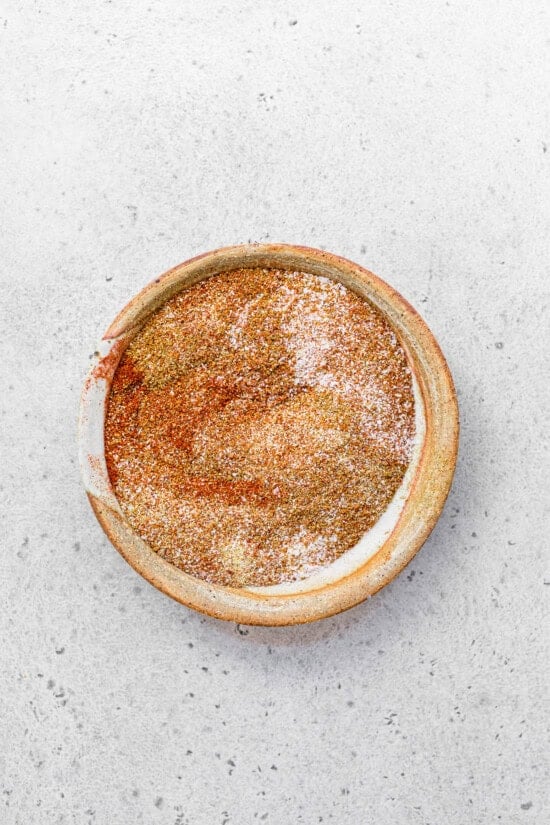
The preparation of this meal follows a standardized sequence designed to maximize flavor development. The process begins with the preparation of a spice blend—typically incorporating warming elements like paprika and cinnamon, which balance the inherent sweetness of the butternut squash.

- Phase 1: Preparation: The chicken and vegetables (squash, Brussels sprouts, and red onion) are cut into uniform sizes to ensure even heat distribution.
- Phase 2: Seasoning: A controlled application of oil and the aforementioned spice mixture is applied. According to food safety guidelines, protein should be kept separate from raw produce during the initial marination phase if the chicken is being pre-prepped in advance.
- Phase 3: Thermal Processing: The components are distributed across a standard sheet pan, avoiding overcrowding to ensure the heat circulates properly, preventing the food from steaming rather than roasting.
- Phase 4: Finishing: The addition of feta cheese in the final stages of cooking allows for the development of a golden, broiled crust without burning the delicate aromatics of the vegetables.
Industry Perspectives on Seasonal Consumption
Market trends indicate that consumer interest in seasonal produce—specifically winter squash and brassicas—peaks between September and November. Culinary experts suggest that this trend is not merely aesthetic but rooted in the physiological desire for "cozy," nutrient-dense meals as temperatures drop.
"The reliance on sheet pan dinners during the autumn months reflects a broader shift toward ‘functional convenience,’" says Sarah Jenkins, a food systems analyst. "Consumers are increasingly looking for ways to incorporate high-quality, whole-food ingredients into a schedule that leaves little room for complex, multi-stage cooking. When a recipe provides a high-protein, fiber-rich outcome with minimal cleanup, it gains significant traction in the home-cooking market."

Socio-Economic Implications of Meal Prepping
The rise of the sheet pan dinner is inextricably linked to the broader "meal prep" movement. By allowing for the advance preparation of ingredients, this recipe supports household efficiency. Data suggests that households utilizing batch-prep methods, such as the one described for this chicken dish, report lower levels of food waste and higher adherence to nutritional goals.
Furthermore, the adaptability of the sheet pan model—substituting protein types or adjusting vegetable ratios based on seasonal availability—provides a level of economic flexibility. For families, the ability to scale this recipe up or down depending on the number of servings (typically four in this instance) reduces the likelihood of reliance on processed, pre-packaged convenience foods, which are often higher in preservatives and lower in overall nutritional density.
Broader Impact and Future Trends
The continued evolution of the sheet pan dinner is likely to mirror the growing interest in global spice profiles. While the current iteration utilizes a paprika-cinnamon base, future developments in this category are expected to incorporate diverse flavor profiles, such as za’atar, harissa, or miso-glazes, as consumers become more adventurous with their home cooking.
Moreover, the emphasis on "one-pan" cooking aligns with sustainability goals within the kitchen. By reducing the number of surfaces requiring cleaning, water usage is minimized, and the simplicity of the method encourages less reliance on energy-intensive kitchen appliances like convection ovens or air fryers, provided the sheet pan is used efficiently.
Conclusion: A Staple for the Modern Kitchen
The Fall Chicken Sheet Pan Dinner is more than a simple recipe; it is a manifestation of modern culinary pragmatism. By synthesizing high-protein requirements, seasonal ingredient utilization, and a simplified preparation workflow, it addresses the most significant barriers to healthy home cooking. As the food industry continues to emphasize both health and efficiency, the sheet pan method is poised to remain a cornerstone of home-based meal planning for the foreseeable future. Whether served as a standalone meal or integrated into a larger weekly meal prep strategy, the dish offers a sustainable, repeatable solution for individuals and families alike.
