
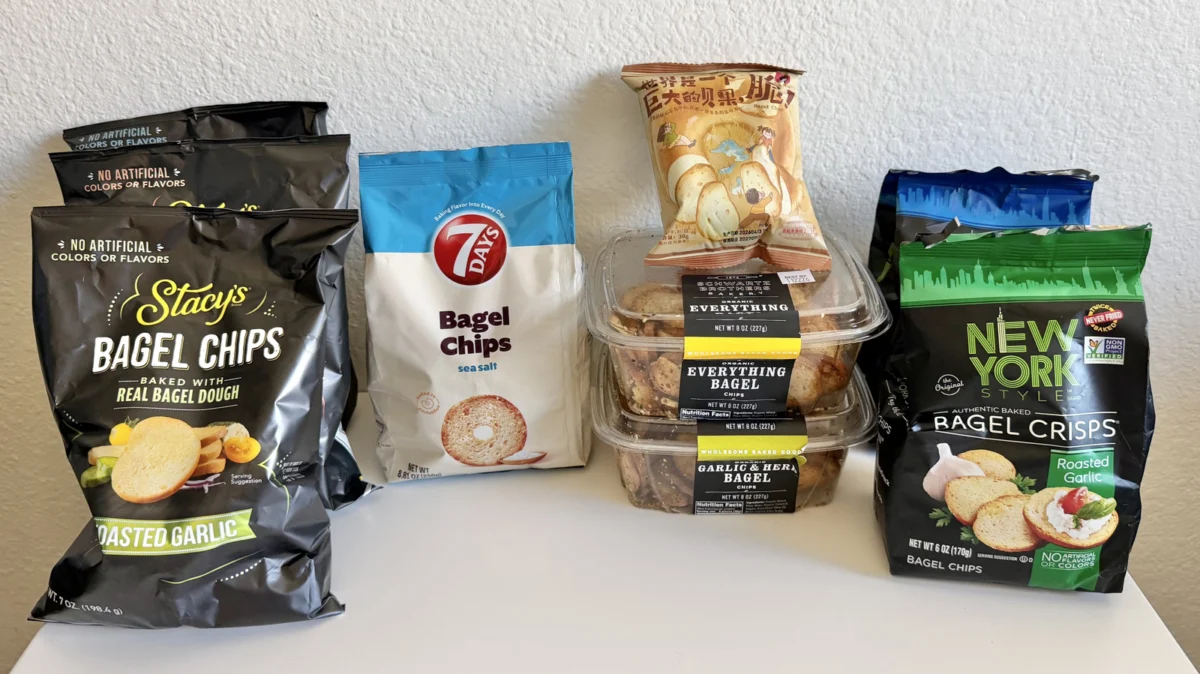
The snack food market, a multibillion-dollar industry, has long prioritized convenience and shelf stability, leading to the rise of the specialized bagel chip. Once a niche byproduct of leftover bakery inventory, these double-baked, seasoned crisps have evolved into a pantry staple. As consumer demand for elevated snacking experiences continues to grow, manufacturers have invested heavily in seasoning profiles and texture engineering to differentiate their offerings. However, a recent comparative analysis of five prominent bagel chip brands reveals significant disparities in product quality, flavor intensity, and structural integrity.
The Evolution of the Bagel Chip Market
Bagel chips emerged in the late 20th century as a clever solution for bakeries looking to minimize food waste. By slicing day-old bagels, seasoning them with oils and herbs, and subjecting them to a second, high-heat bake, bakers could extend the shelf life of their products indefinitely. Today, the sector has transitioned from artisan-focused production to large-scale industrial manufacturing. According to current retail data, the savory snack segment is seeing a trend toward "premiumization," where consumers are increasingly willing to pay a higher price point for cleaner ingredient labels and more complex flavor profiles.
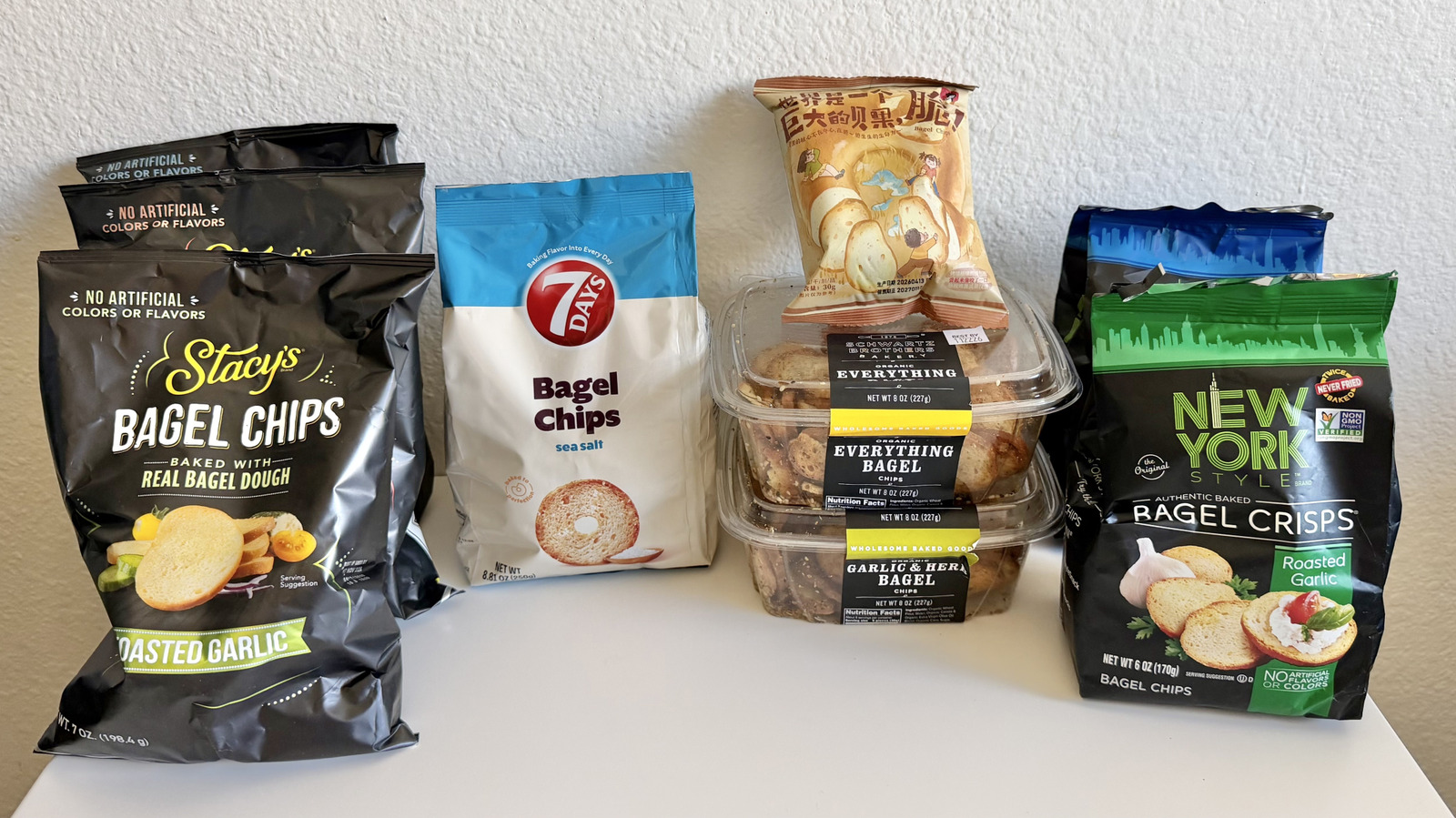
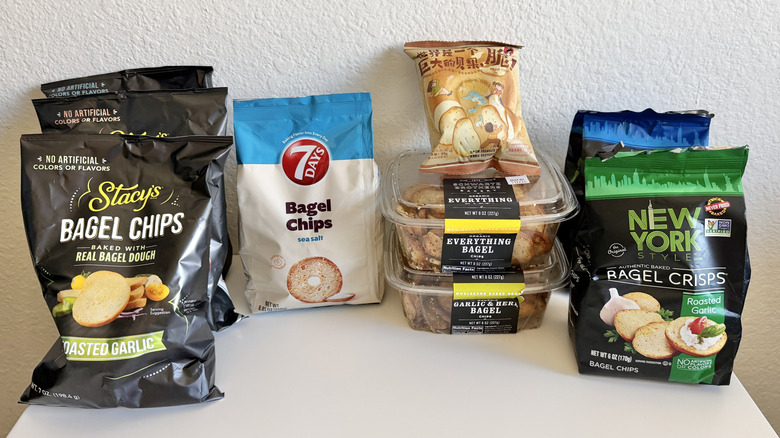
This analysis involved a systematic review of five brands—Stacy’s, Chayan, 7Days, New York Style, and Schwartz Brothers Bakery—evaluating them based on flavor complexity, structural durability, and culinary versatility.
5. Stacy’s: A Study in Market Saturation
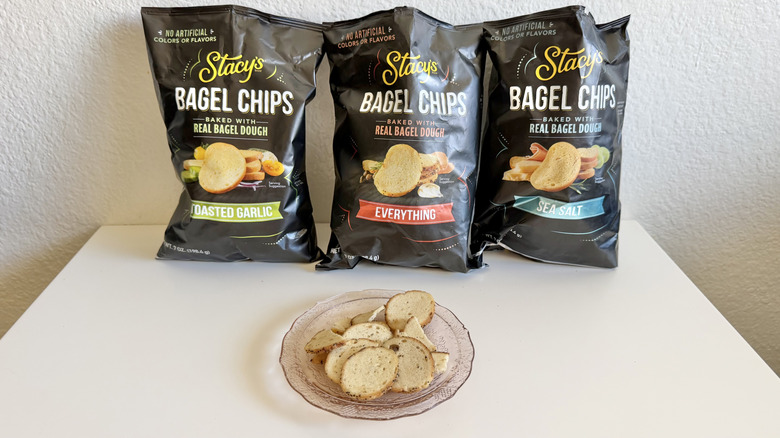
Stacy’s, a brand widely recognized for its dominance in the pita chip market, has expanded its reach into the bagel chip category. Despite its significant shelf presence and brand recognition, its performance in this specific product segment suggests a lack of specialization.
In side-by-side testing, the Sea Salt, Everything, and Toasted Garlic varieties failed to deliver the flavor impact expected of a premium snack. The seasoning profiles were notably muted, lacking the depth of aromatics that characterize high-end bagel chips. Furthermore, the texture was identified as a primary point of failure. The chips exhibited a density that bordered on stale, lacking the "snap" associated with a properly double-baked product. From an industrial perspective, this suggests that the manufacturing process may prioritize shelf life and durability during transport over the sensory experience of the end consumer.
4. Chayan: Novelty Versus Practicality
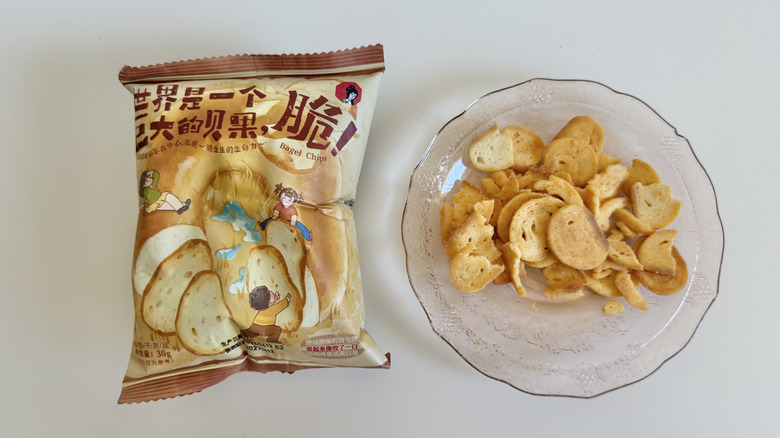
Chayan represents the experimental wing of the bagel chip market. Its "Cheese Bacon" variety provides a distinct, highly aromatic sensory experience that stands out from the traditional sea salt or garlic iterations common among competitors.
However, the brand faces challenges regarding product consistency. The physical size of the chips—often small and fragmented—poses a significant barrier for consumers intending to pair the product with dips or spreads. The "smokiness" of the bacon flavoring, while innovative, creates a polarizing profile that limits the chip’s versatility in a communal grazing setting. While the brand offers a novel alternative to standard supermarket snacks, the lack of structural integrity and the narrow appeal of its flavor profiles keep it in the lower tier of the rankings.
3. 7Days: The Reliability of the Mid-Range
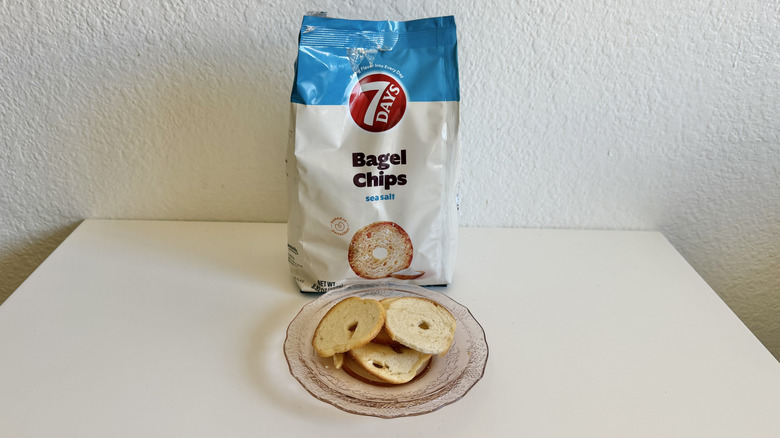
7Days occupies the middle ground of the market, offering a product that prioritizes functionality and consistent texture. Their Sea Salt bagel chips are characterized by a recognizable "mini bagel" shape, featuring a central hole that provides a satisfying, airy crunch rather than a dense, hard chew.
From a culinary standpoint, 7Days demonstrates that a product does not require aggressive seasoning to be successful. By focusing on a high-quality wheat base, the brand provides a neutral canvas that functions effectively with a wide range of condiments, from hummus to sweet preserves. While the flavor profile is conservative, the product’s reliability makes it a perennial favorite for household pantry storage. Industry experts often point to this type of "neutral-base" snack as a primary driver of category growth, as it caters to the widest possible demographic.
2. New York Style: Balancing Sophistication and Utility
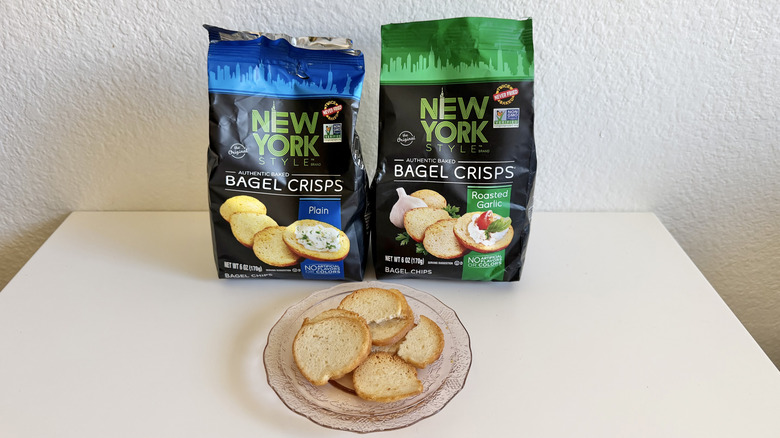
New York Style has established itself as a runner-up by successfully bridging the gap between mass-market availability and artisan-quality flavor. The brand’s Roasted Garlic Bagel Crisps serve as a benchmark for how seasoning should be applied to a bagel-based snack. The flavor is authentic, utilizing pungent, roasted notes that leave a lingering, savory impression.
Structurally, these crisps are mid-sized, providing the perfect balance between portability and utility. They are firm enough to support thick dips—such as smoky white queso or spinach dip—without fracturing, yet they lack the jaw-fatiguing hardness seen in lower-ranked brands. This indicates a sophisticated baking process that manages moisture content effectively, ensuring a crisp finish that remains shelf-stable without sacrificing texture.
1. Schwartz Brothers Bakery: The Gold Standard
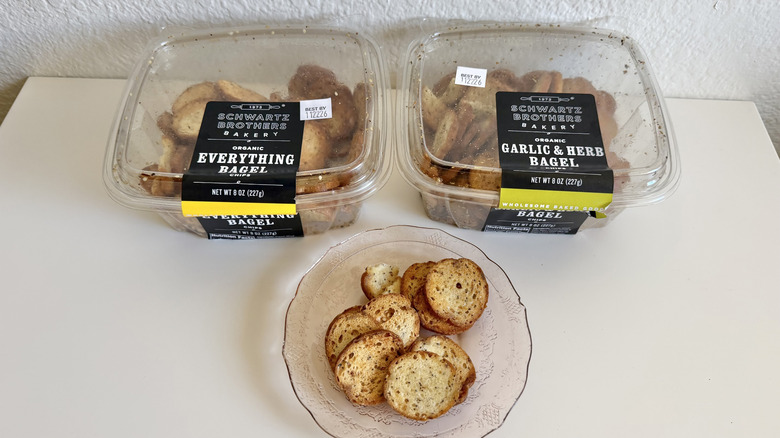
At the top of the market, Schwartz Brothers Bakery provides a product that effectively elevates the category into the realm of gourmet appetizers. Their offering is distinct from industrial competitors, as it mirrors the quality found in high-end, small-batch bakeries.
The brand excels through an aggressive approach to seasoning. Whether it is the Garlic & Herb variety—packed with oregano, basil, and rosemary—or the Everything blend, which incorporates a complex array of seeds and aromatics, the flavor is immediate and pervasive. Beyond the taste, the ingredient selection—using a blend of olive, canola, and soybean oils—adds a subtle, buttery mouthfeel that differentiates the product from those using mass-market vegetable oils.
Methodology and Market Implications
The ranking of these products was based on a controlled comparative analysis, focusing on four primary metrics: flavor intensity, texture (defined by the balance of crunch and density), size (usability for dipping), and ingredient quality. Due to the limited availability of high-end, boutique bagel chips in traditional grocery outlets, this analysis relied on direct-to-consumer digital procurement, with a price cap of approximately $10 per unit to ensure a fair comparison of accessible market options.
The implications for the broader snack food industry are clear: consumers are moving away from bland, mass-produced chips toward products that offer specific, high-intensity flavor profiles and a "bakery-fresh" texture. As the market continues to mature, brands that fail to differentiate their seasoning applications or improve their structural engineering will likely lose market share to competitors like Schwartz Brothers, who treat the humble bagel chip as a culinary vessel rather than a mere shelf-stable commodity. The success of these top-tier brands suggests that future industry growth will be found in "grazing-friendly" snacks that prioritize the total sensory experience.
