
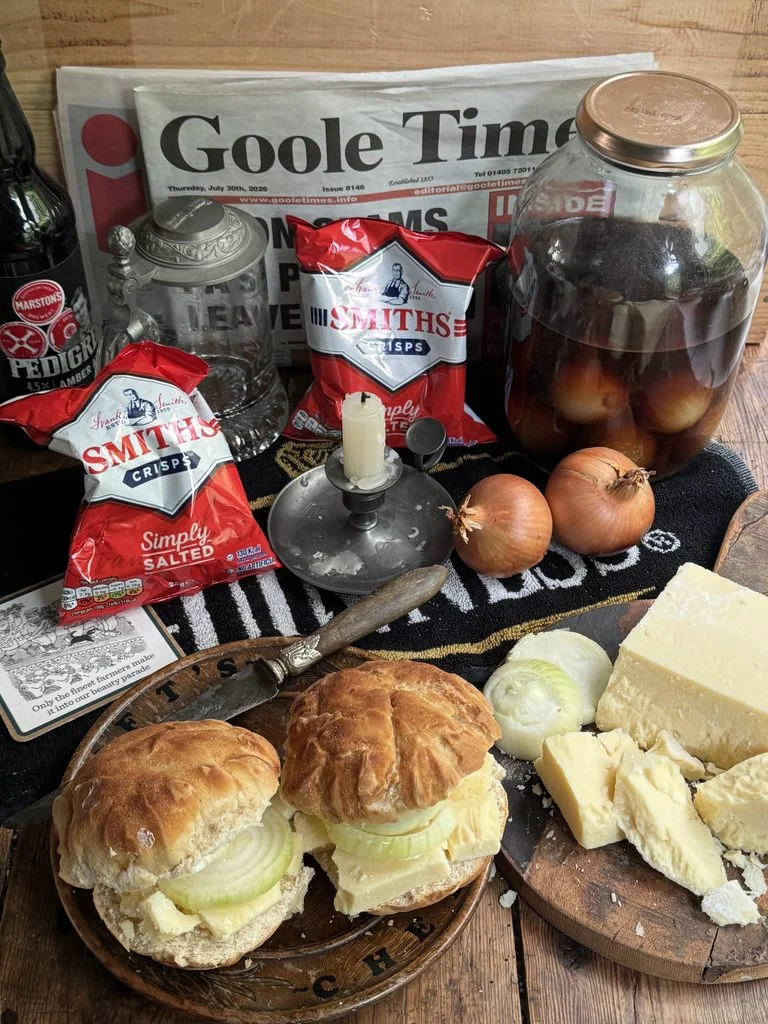
A Cultural History of the British Bread Roll
The nomenclature of the bread roll in Britain serves as a linguistic map of the country’s regional identity. Depending on the geography, the vessel for this cheese and onion assembly is variously referred to as a cob, barm cake, bread cake, batch, oven bottom muffin, bap, or simply a roll. Research into British culinary history indicates that there are over 200 distinct types of bread produced across the nation, many of which are endemic to specific towns or counties.

This diversity is not merely a matter of naming; it reflects a long-standing tradition of localized baking. From the Stottie cakes of the North East to the Kentish huffkins of the South East, the specific texture and crumb of the bread define the eating experience. The "cob," a term most commonly associated with the Midlands and parts of Northern England, is prized for its crusty exterior and soft, airy interior—characteristics essential for holding the weight of generous slices of farmhouse cheddar and pungent raw onion.

The Evolution of the Pub Butty
Historically, the cheese and onion cob served a functional purpose in the British public house. Before the widespread standardization of kitchen menus and the rise of gastro-pubs, the "pub butty" was a staple item. It was a utilitarian meal, designed to be substantial, inexpensive, and quick to serve.

In the latter half of the 20th century, these sandwiches were the standard offering for local sporting teams, such as darts or dominoes leagues, often served alongside a pint of ale. The combination was lauded for its ability to provide a hearty, savory base for drinkers. However, the dish also carried a humorous social stigma due to the potent "onion breath" that resulted from the thick, raw slices of yellow Spanish onion used in the preparation. Despite this, or perhaps because of the communal nature of the meal, the cob remained a fixture of the working-class social experience.

Culinary Analysis: The Anatomy of the Perfect Cob
For the dish to be authentic, industry experts and traditionalists emphasize the importance of ingredient quality over complexity. The assembly process is strictly regulated by tradition:

- The Bread: A crusty cob is preferred to provide structural integrity against the moisture of the butter and the sharpness of the onion.
- The Cheese: A mature farmhouse cheddar is non-negotiable. Its complexity and sharp flavor profile are required to balance the piquancy of the raw onion.
- The Onion: Specifically, a yellow or "Spanish" onion is required. Red onions, while popular in modern salads, are considered structurally and flavor-wise inappropriate for this specific application.
- The Fat: A generous layer of high-quality butter or a suitable plant-based spread is necessary to act as a moisture barrier and flavor enhancer.
The current revival suggests that consumers are seeking "authentic" experiences. After a decade of complex, fusion-based menus, the return of the cheese and onion cob signals a broader shift toward "real food"—products that are transparent in their composition and deeply tied to regional heritage.

Economic and Social Implications
The rise in popularity of these rolls has been noted by food industry analysts as part of a "back-to-basics" movement in hospitality. Pubs that have reintroduced these traditional items have reported an increase in foot traffic among younger demographics, who view the items as "retro-cool" or "authentic."

From an economic perspective, the cheese and onion cob is a high-margin item. The low food cost associated with bread, cheese, and onions allows for competitive pricing while maintaining healthy profit margins. Moreover, it creates a "halo effect" around the pub, fostering an atmosphere of communal dining that is often missing from more formal restaurant settings.

Recent industry surveys indicate that independent pubs that focus on local sourcing for their cheddar and artisan bread are seeing the highest growth in food sales. This suggests that the future of the British pub may not lie in complex, fine-dining modifications, but in the elevation of the classics that have sustained the industry for generations.

Chronology of the Traditional Pub Menu
- 1950s–1970s: The golden era of the pub sandwich. The cheese and onion cob becomes the ubiquitous standard for working-men’s clubs and village pubs.
- 1980s–1990s: The rise of the "Gastro-Pub" movement begins to phase out simple sandwiches in favor of plated, restaurant-style entrees.
- 2000s–2015: A period of decline for simple pub fare as global cuisines (tapas, sliders, street food) dominate the menu landscape.
- 2020–Present: A shift in consumer sentiment toward sustainability and localism triggers a revival of traditional British regional breads and simple, high-quality sandwiches.
Broader Impact on the Hospitality Sector
The resurgence of the cheese and onion cob serves as a case study for the wider British hospitality sector. It highlights the power of nostalgia in driving consumer behavior. As inflation impacts household budgets, the appeal of a "simple but filling" meal has become a significant driver for lunch trade in pubs.

Furthermore, the emphasis on the "regional map" of bread names has sparked a renewed interest in local bakeries. Many pubs are now collaborating with local bakers to ensure their cobs or baps are made to specific traditional standards, creating a supply chain benefit that ripples through local economies.

Publicans who have embraced this revival note that the service of these items is often accompanied by "traditional accompaniments"—such as pickled onions or premium potato crisps—which further reinforces the brand identity of the establishment as a traditional, welcoming space.

Conclusion
The humble cheese and onion cob is far more than a simple sandwich; it is a cultural artifact that tracks the history of the British public house. Its return to favor is a testament to the enduring appeal of quality ingredients and regional tradition. As the hospitality industry continues to evolve, the success of this classic dish suggests that the most effective way forward may be to look back, honoring the simple, savory staples that have defined British social life for decades. Whether served in a village local in Yorkshire or a city-center pub in the Midlands, the cob remains a symbol of accessibility, communal spirit, and the simple pleasure of a well-made meal.
