
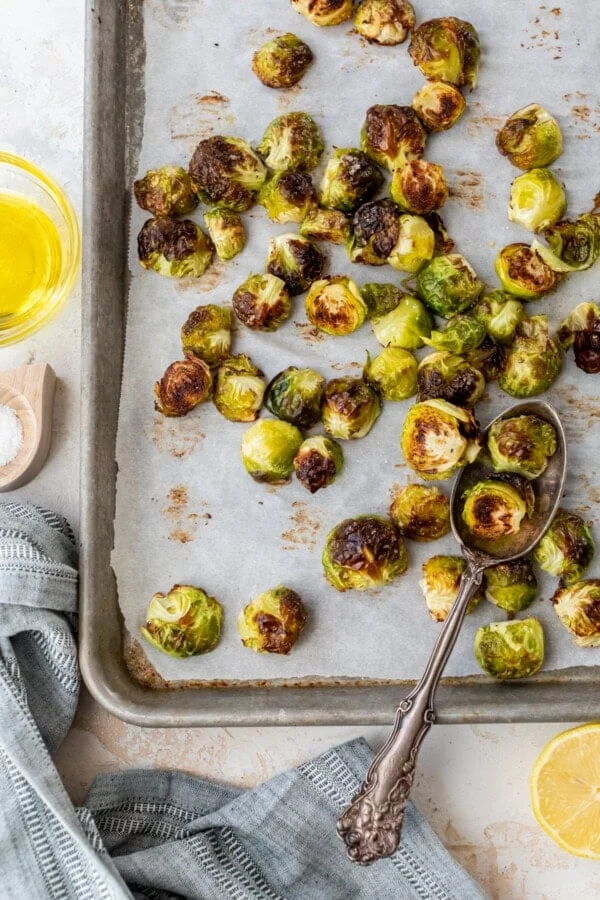
The culinary evolution of the Brussels sprout from a frequently maligned vegetable to a staple of modern gastronomy is largely rooted in the refinement of roasting techniques. Once notorious for being boiled into a sulfurous, mushy state, the Brussels sprout has undergone a renaissance in home kitchens and professional culinary environments alike. The key to this shift lies in the Maillard reaction—a chemical process between amino acids and reducing sugars that gives browned food its distinctive flavor. Achieving the perfect balance of a deeply caramelized, charred exterior and a tender, buttery interior has become a benchmark for efficient, high-quality home cooking.

The Science of Roasting and Culinary Context
Brussels sprouts, members of the Brassica oleracea family, contain high concentrations of glucosinolates. When overcooked—specifically through boiling or steaming—these compounds break down into sulfur-containing gases, which produce the pungent odor often associated with the vegetable. Conversely, high-heat roasting facilitates the caramelization of natural sugars, which effectively neutralizes these compounds and transforms the vegetable’s profile into something nutty and savory.
Culinary experts emphasize that the geometry of the sprout is essential to its final texture. By bisecting the sprouts and placing them cut-side down on a preheated baking sheet, chefs maximize surface area contact with the hot metal. This ensures that the heat transfer is concentrated, creating the hallmark crispy edges that consumers associate with premium roasted vegetables.

Nutritional Profile and Dietary Implications
From a nutritional standpoint, Brussels sprouts are considered a nutrient-dense food. According to the U.S. Department of Agriculture (USDA), a standard serving (approximately 3/4 cup) contains roughly 138 calories, providing a significant source of Vitamin K, Vitamin C, and dietary fiber. The fiber content is particularly noteworthy, as it aids in digestive health and satiety, making the dish a common inclusion in weight-management programs and low-carb nutritional protocols.
The fat content, derived primarily from the olive oil used during the roasting process, serves as a carrier for fat-soluble vitamins (A, D, E, and K). By controlling the quantity of lipids used, the caloric density remains within a range suitable for balanced daily intake, reinforcing the vegetable’s position as a staple in both vegetarian and omnivorous diets.

Chronology of Preparation and Methodological Best Practices
The preparation timeline for optimal results is relatively concise, typically requiring 15 minutes of active preparation and 15 minutes of high-heat roasting. The chronological steps for the professional-grade method are as follows:
- Selection and Cleaning: Choosing firm, tightly packed heads is paramount. Removing the outer layer of leaves and trimming the stem ensures a uniform texture.
- The Cut: Bisecting the sprouts vertically allows for the flat surface area required for even caramelization.
- Seasoning and Emulsification: Tossing the sprouts in high-quality olive oil, kosher salt, and cracked black pepper ensures that the seasonings adhere to the crevices of the leaves.
- Thermal Application: The baking sheet must be adequately spaced to allow for proper airflow. Overcrowding the pan causes the vegetables to steam rather than roast, resulting in a loss of texture.
- The Finishing Touch: The addition of acidic elements—such as lemon juice—or umami-rich ingredients like aged Parmesan or balsamic reductions, is introduced post-roasting to maintain the integrity of the char.
Comparative Analysis of Cooking Methods
While air-fryer technology and stovetop sautéing have gained popularity, oven-roasting remains the industry standard for home cooks aiming for consistency. Air frying, while faster, often struggles with uneven heat distribution when dealing with high-volume batches. Sautéing, while effective for shredded Brussels sprouts, does not allow for the same degree of structural integrity in halved sprouts, as the agitation required for cooking often causes the leaves to detach.

Data collected from home cooking trends over the last decade indicates that the "cut-side down" roasting method is the most replicated technique, owing to its minimal requirement for specialized equipment and its high success rate among novice cooks.
Industry Perspectives and Culinary Integration
Professional chefs often incorporate roasted Brussels sprouts into multi-course menus as a bridge between protein-heavy main courses and lighter, acidic salads. The vegetable’s ability to pair with diverse flavor profiles—ranging from the salinity of pancetta to the sweetness of maple glaze or the sharpness of citrus—has made it a versatile tool for menu planning.

In the context of modern home dining, the shift toward "base recipes"—whereby one simple method is mastered and then modified through external add-ins—has become a dominant consumer trend. By providing a reliable, low-complexity foundation, culinary instructors have successfully encouraged a higher frequency of vegetable consumption among the public, contributing to broader public health objectives focused on increasing plant-based intake.
Broader Impact and Future Outlook
The sustained popularity of the roasted Brussels sprout reflects a larger movement in food culture: the return to simple, whole-food preparation. As consumers become more cognizant of the relationship between processing methods and nutritional retention, the demand for straightforward, high-heat cooking techniques is expected to rise.

Furthermore, the integration of these recipes into digital platforms and cooking databases has standardized the preparation of the vegetable. This democratization of culinary knowledge means that the techniques once reserved for professional kitchens are now accessible to the average household. As the agricultural industry continues to select for milder varieties of brassicas, the barrier to entry for the general public is lowered further, ensuring that the Brussels sprout remains a permanent fixture in the seasonal diet.
Strategic Considerations for Optimal Results
To ensure consistent results, chefs and home cooks should consider the following variables:

- Oven Calibration: Many domestic ovens deviate from the set temperature by 10 to 20 degrees. Using an independent oven thermometer is recommended for precise roasting.
- Pan Material: Heavy-gauge aluminum sheets conduct heat more efficiently than thinner, non-stick alternatives, which can lead to scorching before the interior is fully cooked.
- Moisture Control: Ensuring the sprouts are thoroughly dried after washing is critical. Excess water on the surface of the vegetable will result in steaming, which prevents the Maillard reaction from occurring efficiently.
By adhering to these rigorous standards, the process of roasting Brussels sprouts becomes less an act of experimentation and more a reliable, replicable skill. Whether serving as a companion to a filet mignon or acting as the centerpiece of a vegetarian meal, the properly roasted Brussels sprout continues to represent the intersection of nutrition, flavor science, and culinary convenience. As winter seasons approach, the focus on such reliable, high-yield vegetable preparation remains a cornerstone of the modern domestic kitchen, reinforcing the value of foundational culinary techniques in a rapidly changing food landscape.
